Found 565 results
Open Access
Review
14 October 2024Sex and Gender Differences in Liver Fibrosis: Pathomechanisms and Clinical Outcomes
The accumulation of extracellular matrix proteins is the hallmark of liver fibrosis associated with all chronic liver disease (CLD) types. Liver fibrosis results from repeated bouts of liver injury, which trigger the wound-healing response, ultimately disrupting the normal hepatic architecture. Over time, fibrosis can progress to cirrhosis, portal hypertension, liver failure, and hepatocellular carcinoma, worsening patient outcomes. Biological modifiers, such as sex and socio-cultural constructs like gender, influence the development of liver fibrosis through various genetic, hormonal, immunological, metabolic, and lifestyle-related factors, including alcohol consumption, diet, sedentary behavior, and hormonal therapy. Moreover, liver fibrosis is significantly modulated by age, reproductive status, and the etiology of CLD. This review aims to summarize the most well-characterized pathomechanisms underlying sex and gender differences in hepatic fibrogenesis as well as liver-related complications (cirrhosis, portal hypertension, hepatic encephalopathy, liver failure, and hepatocellular carcinoma) and extra-hepatic correlates of liver fibrosis (sarcopenia, cardiovascular disease, diabetes, chronic kidney disease, and dementia) across various types of CLD due to viral-related, autoimmune, drug-induced and metabolic etiologies. Understanding these disease modifiers and their mechanisms is crucial for developing innovative treatment strategies and precision medicine approaches in this field.

Open Access
Review
14 October 2024Photocatalytic Antifouling Coating: From Fundamentals to Applications
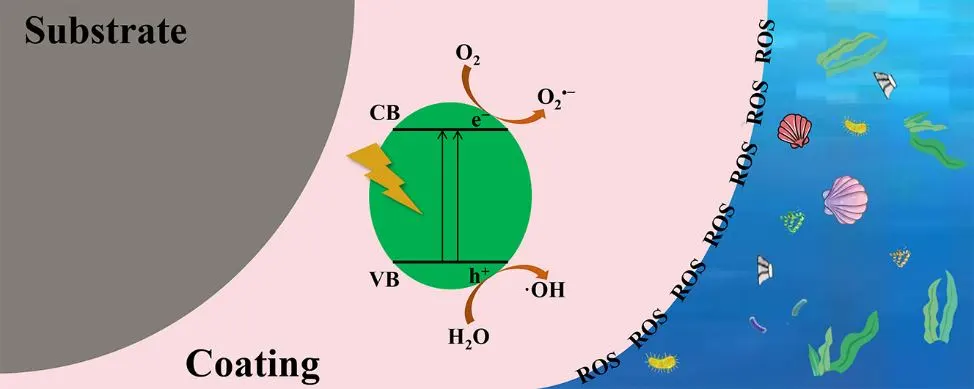
With the rapid development of shipping industry, marine vessels frequently suffer from biofouling caused by marine organisms, making the effective prevention of marine biofouling a critical issue. Traditional antifouling coatings, which utilize toxic and harmful substances, pose significant risks to marine ecosystems. Therefore, the development of environmentally sustainable antifouling coatings has become imperative. Photocatalytic antifouling coatings, as an eco-friendly alternative, present a promising solution to these economic, energy, and ecological challenges. This review compares the environmental benefits of photocatalytic antifouling coatings to traditional ones, highlighting the underlying mechanisms of marine biofouling. Additionally, it explores the preparation techniques employed in photocatalytic antifoulant, analyzing the advantages, disadvantages, and potential modifications for photocatalytic coatings. Based on these insights, the future development of photocatalytic antifouling coatings is discussed, aiming to provide valuable references for the exploration of more efficient, broad-spectrum, energy-saving, environmentally friendly, and cost-effective marine antifouling technologies.
Open Access
Article
12 October 2024Production and Destruction of Plant Organic Matter in Bog Ecosystems in the South of Western Siberia
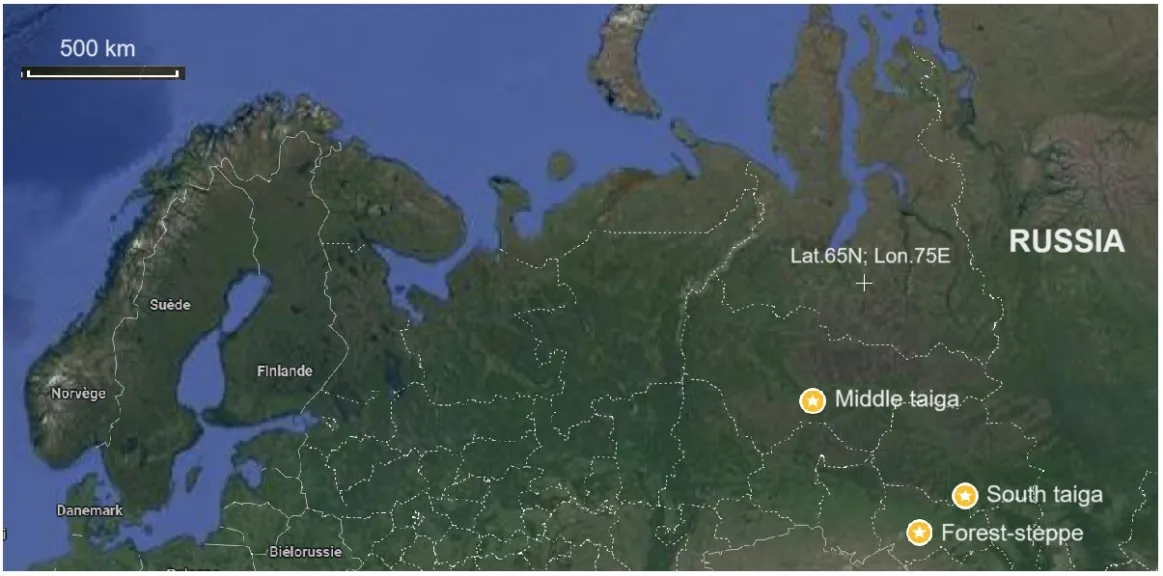
There are still many gaps in studies of the carbon cycle in northern ecosystems. It is challenging also in the context of climate change. This new study focuses on providing the state of the art data on the dynamics of plant organic matter, namely, the live plant biomass (phytomass), the dead biomass (mortmass), the Net Primary Production (NPP), as well as the rate of decomposition of plant organic matter of the major plant species, contributed to peat deposits. The study was conducted via direct in–situ measurements of different fractions of plant organic matter at a few test sites of oligotrophic pine–dwarf shrub–Sphagnum bogs at a wide geographic gradient (from the middle taiga to the forest-steppe regions in Western Siberia) based on an original methodology of measurements developed by the authors. In general, the five groups of plant species were distinguished in terms of productivity and decomposition rates. The study revealed a strong correlation between the net primary production (NPP) and the rate of decomposition of plant organic matter in pristine northern peatlands: an increase in productivity (NPPs) was basically leading to an increase in rates of decomposition in all plant materials collected in bog ecosystems. The study contributes to a global understanding of patterns and main drivers related to basic set of carbon cycle components in the northern wetland (peatland) ecosystems, their diversity and their spatial distribution.
Open Access
Perspective
10 October 2024Conceptual Design of Aerostat-Based Autonomous Docking and Battery Swapping System for Extended Airborne Operation
In response to the ever-growing global demand for Unmanned Aerial Vehicles, efficient battery solutions have become vital. This paper proposes a design and concept of an Autonomous Mid Air Battery Swapping System for Vertical Take-Off and Landing Unmanned Aerial Vehicles. The proposed design integrates Aerial Mechatronics, Lighter than Air Systems, and Digital Modelling by leveraging the innovative concept of aerostats for battery swapping. This adaptive and effective technology paves the way for the next generation of autonomous Vertical Take-Off and Landing, ensuring a longer flight time and range. Modern-day technologies have empowered Unmanned Aerial Vehicles to operate autonomously and be remotely controlled, expanding their utility across diverse industries. The enhanced Vertical Take-Off and Landing capabilities include the ability to dock on an aerostat-mounted system, facilitating seamless battery swapping without human intervention and ensuring extended flight duration and operational flexibility. These advancements promise to broaden the applications of Unmanned Aerial Vehicles across various industries.

Open Access
Review
30 September 2024Ecological Civilizations—A Development Narrative for the Global South?
We explore possibilities for the ecological civilization imaginary of China to become a sustainable development narrative shared by a growing number of GS nations. We first highlight the influence GS countries had on the evolution of the concept of sustainable development. GS nations’ interest in retaining economic development options, including energy and materials needed for industrialization and economic expansion, will increasingly contradict global environmentalist narratives of the latter half of the 20th century. The adaptation of GS nations to previously untested energy and material futures will depend on experimentation and learning from initiatives primarily designed and implemented by GS governments at the national, provincial, and local levels. If China succeeds in demonstrating practical examples of ecological civilization construction, it will stimulate other GS countries to learn and adapt lessons to suit their own needs. Multi-country arrangements that China has created could serve as forums to refine the ecological civilization narrative as a development alternative to the dualist conservation vs development thinking and practice of the latter half of the 20th century.
Open Access
Article
30 September 2024Synthetic Biology in Nigeria: The Level of Awareness amongst Stakeholders
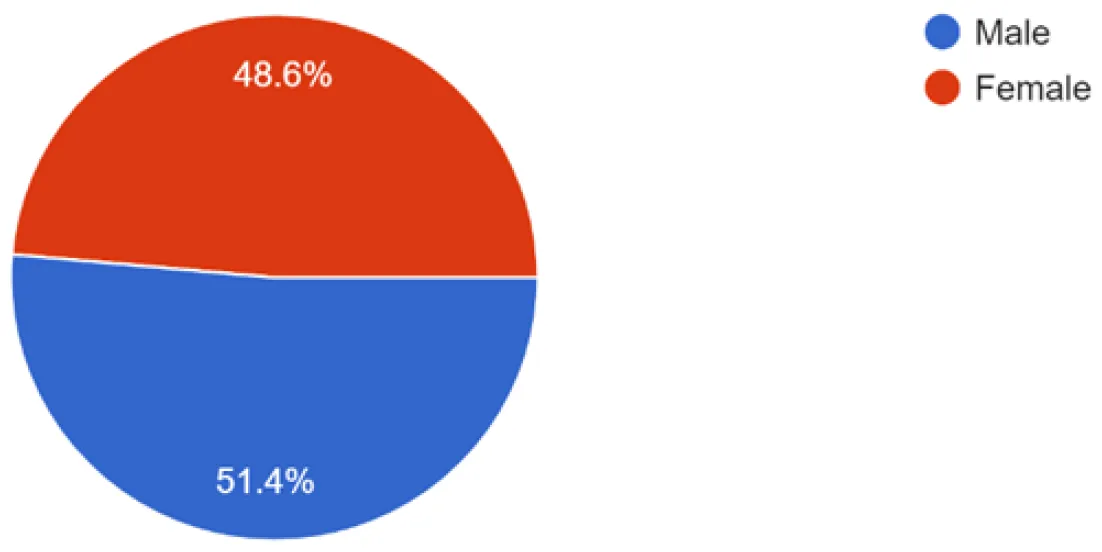
Synthetic biology, an emerging field at the intersection of biotechnology and engineering, has seen a global surge in application and awareness, necessitating a comprehensive understanding of its safe potentials to drive the bio-economy. This study aimed to assess the awareness and perceptions of synthetic biology among Nigerian biosciences stakeholders, including researchers, academicians, policymakers and students. The study employed a purposive online survey targeting diverse bioscience individuals and groups across Nigeria’s six geopolitical zones. The study received 107 responses from balanced gender representation with majority within the age group of 31–45 years old. The findings revealed a significant knowledge gap, with only 27.1% of respondents familiar with synthetic biology and 23.4% entirely unaware of it. Most respondents associated synthetic biology with biotechnology or genetic engineering and identified its applications to be in agriculture, medicine, environmental sustainability and research. Despite recognizing its benefits, many expressed concerns about safety, ethics, and regulation; notably, 43.9% of the respondents had concerns about synthetic biology with primary focus on safety and ethical implications. As regards the regulation of synthetic biology, the study showed that 80.4% of the respondents supported the need for synthetic biology regulation with few of the respondents (16.8%) aware of existing agency mandated to regulate synthetic biology. The respondents provided valuable insights into the various ways synthetic biology can be advanced in Nigeria which include increased awareness and capacity building, engagement through social media platforms, integration into education curricula and increased funding and investment in the research. The overall sentiment towards synthetic biology was positive, with 81.3% supporting its practice and 76.6% recognizing its positive global impact. However, a significant portion of respondents remained undecided. This study concludes that there is substantial gap in the knowledge of synthetic biology among bioscience stakeholders in Nigeria and the need for a heightened advocacy including continuous conferences and symposiums for the Nigeria bioscience community on the global potentials, concerns and regulation of synthetic biology. This will foster the acceptance of safe and responsible synthetic biology in Nigeria, thereby contributing to the broader national bio-economy development.
Open Access
Article
29 September 2024Reactions and Phase Transformations at Sintering of Cubic Boron Nitride Based Materials
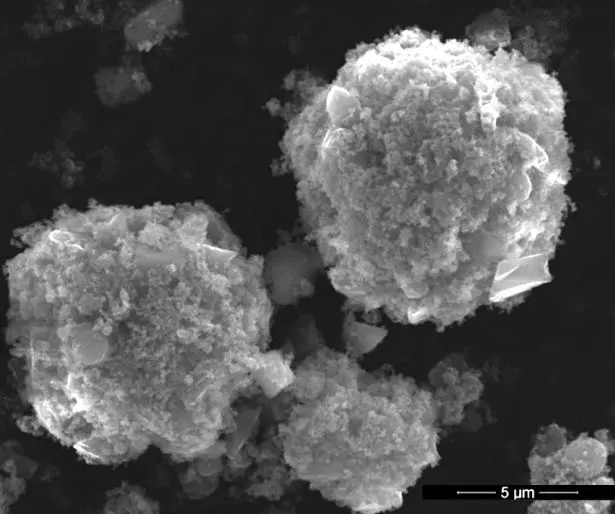
Superhard cubic boron nitride (cBN) cutting materials with different contents of cBN were investigated. The compositions of cBN-based materials included ceramic and metallic binders. The sintering of materials was performed by high-temperature hot pressing (HPHT) six-anvil apparatus at pressure 4.5 GPa and temperatures 1400–1450 °C. The process of compaction and processing of superhard cBN materials is followed by numerous chemical reactions. The chemical reactions are very important in compaction and sintering. The volume transformations during chemical reactions affect the shrinkage of the materials and may also impact the residual porosity of the finished products. The adhesion between the grains also depends on these chemical reactions. The research analyzed the volume transformations of various reactions during HPHT sintering of cBN materials, which may play a significant role in forming their structure and properties.
Open Access
Article
27 September 2024Responsibility as Method—A Model for Operationalizing Ethical Reflection in the Sciences
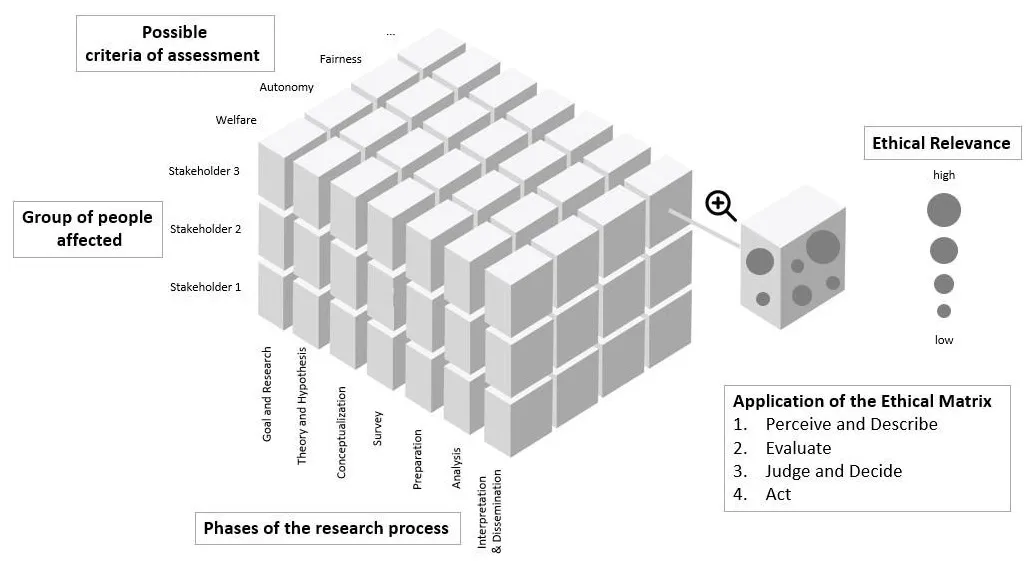
In this article, we show why the growing significance of ethics entails that the call for ethical evaluations is no longer just a specific issue for the particular discipline of academic ethics but a challenge for all academic researchers. Therefore, complex theoretical approaches must be put into practice, and the relationship between ethics and other scientific fields must be clarified. Hence, this essay shows how these requirements can be fulfilled and how to cope with the complexity of ethical consideration on a practical level. We aim to operationalize responsibility as a method. In order to achieve this, basic criteria of practical ethical reflection are elaborated. As a result, we suggest an extended ethical matrix covering the entire research process using a step-by-step model. Our ethical matrix is designed to help researchers reflect and make judgments on moral and ethical issues, enabling them to find their own solutions to these challenges without providing a formal guideline for moral decision-making.
Open Access
Article
27 September 2024Numerical Investigation of a Point Absorber Wave Energy Converter Integrated with Vertical Wall and Latching Control for Enhanced Power Extraction
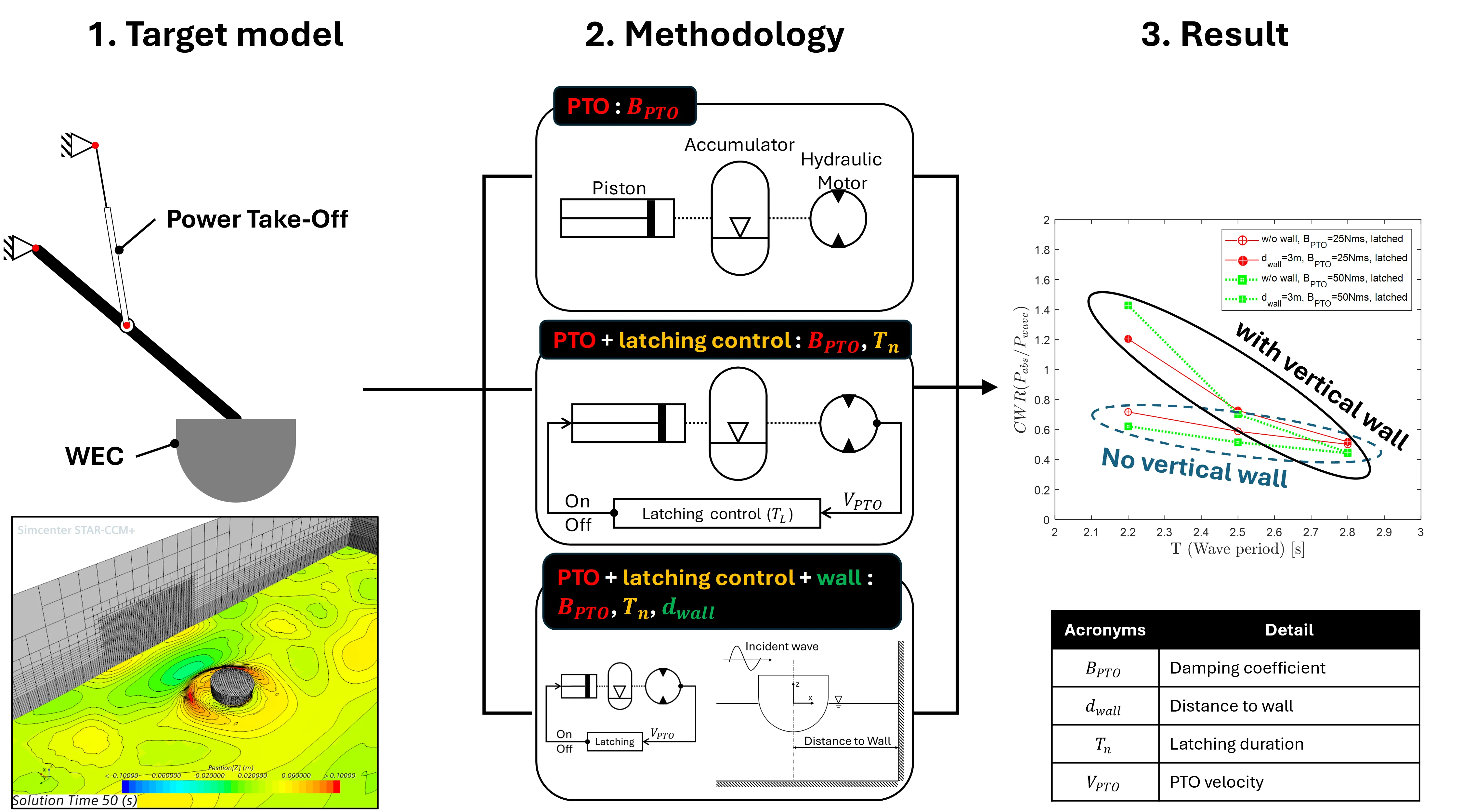
This study presents a numerical investigation of a point absorber wave energy converter (WEC) with a focus on improving its performance through the utilization of a vertical wall and latching control in the power take-off (PTO) system. Prior to numerical evaluations, experimental data incorporating PTO considerations and numerical simulation results were examined to validate the accuracy of the numerical methodology employed in this research. This study introduces a numerical PTO model and latching control for a further investigation. Comparative analyses were carried out on the displacement, velocity, and force of the PTO, absorbed power, and capture width ratio (CWR), considering the incorporation of a vertical wall and latching control. The results confirm that the introduction of both vertical wall and latching control significantly improves the CWR of the WEC, showing the effectiveness of incorporating a vertical wall and latching control in enhancing power extraction.
Open Access
Article
27 September 2024Evaluation of the Efficacy of Chinese Inactivated COVID-19 Vaccines against the Delta Variant in the Nanjing Outbreak: A Cohort Study
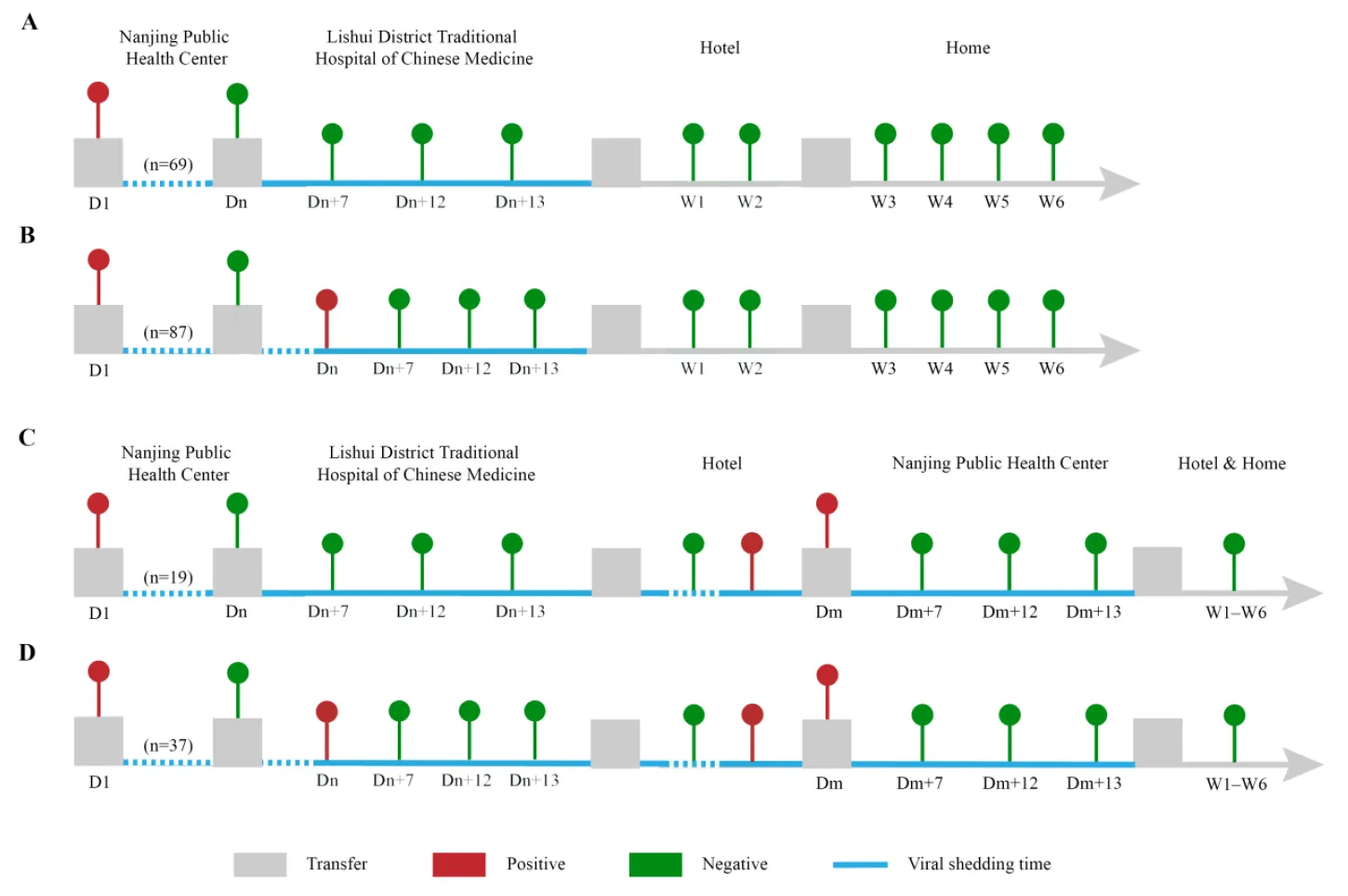
Background: The strains of COVID-19 are constantly mutating, and the effectiveness of Chinese inactivated vaccines against the COVID-19 Delta variant has not been described clearly. Methods: The clinical data of patients with the COVID-19 Delta variant in the 2021 Nanjing outbreak were retrospectively reviewed. Results: There were 212 patients with the COVID-19 Delta variant (unvaccinated, n = 56, 26.42%; vaccinated, n = 156, 73.58%) included in our cohort study. The median age was 45.5 (38, 53) years old. Eighty-seven subjects (41.04%) were airport staff, and 94 patients (44.34%) in 32 families were infected. There were 53 (25.00%) and 103 (48.58%) cases with one-dose and two-dose vaccination, respectively, and 55 (25.94%), 147 (69.34%) and 10 (4.72%) had mild, moderate and severe symptoms, respectively. The duration of viral shedding, or viral shedding time (VST), was significantly longer in unvaccinated individuals compared to vaccinated individuals (p = 0.0008). Moreover, the duration was significantly longer in patients who received one vaccine dose than those who received two doses (p < 0.0001). The mild patients had significantly shorter VSTs than the moderate subjects (p < 0.0001). Disease severity and vaccination dose were independent predictors for VST by Cox regression models. Conclusions: These results suggest that two-dose vaccination could reduce VST in patients with the COVID-19 Delta variant. Chinese inactivated vaccines may decrease the disease severity of cases with the COVID-19 Delta variant.