Found 492 results
Open Access
Article
22 August 2024Erosion Resistance of BaZrO3-Y2O3 Two-Phase Crucibles against Highly Active Ti2Ni Alloys
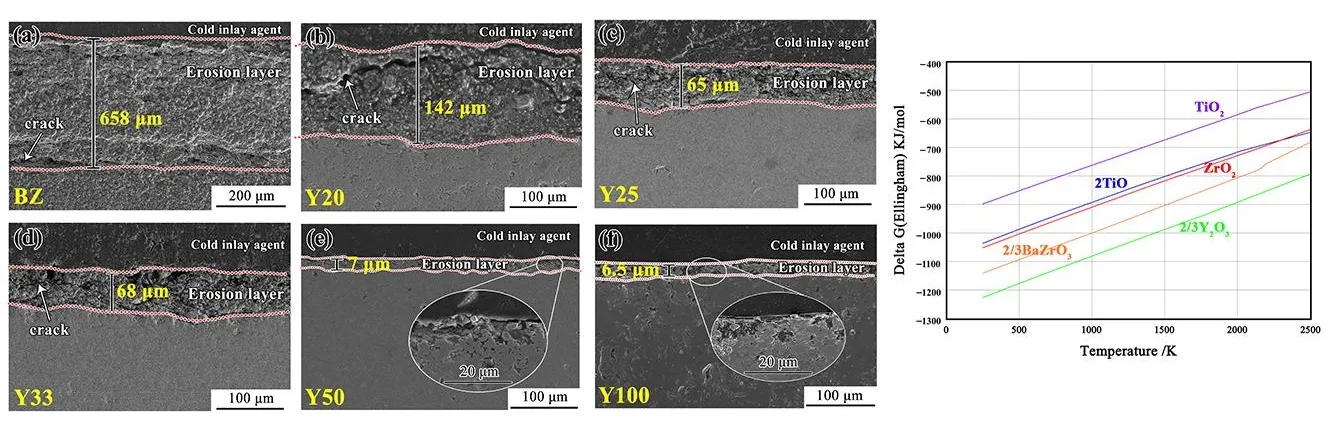
In this paper, (100-m) BaZrO3-mY2O3 (m = 0, 20, 25, 33, 50, 100) crucibles were prepared, respectively. Then, the effect of crucible composition on the interaction between crucibles and highly active titanium alloys (Ti2Ni) was investigated. The degree of the erosion resistance of crucibles was compared before and after melting as well as the contaminated extent of the alloys. The results show that the two-phase crucibles consisting of BaZr1−xYxO3−δ and Y2O3(ZrO2), could be prepared after adding Y2O3 into the BaZrO3 crucible. As the amount of Y2O3 addition in the crucible was increased, the erosion resistance of the crucible to the alloy melt was gradually improved. The two-phase crucible with 50 wt.% Y2O3 addition exhibited the best erosion resistance with a 7 μm thick erosion layer, which was at the same level compared to the pure Y2O3 crucible (6.5 μm). However, the inclusion contaminants caused by this two-phase crucible were smaller than those of the pure Y2O3 crucible. This study provided a theoretical basis for further research on the preparation of highly stable crucibles for melting highly active titanium alloys.
Open Access
Communication
22 August 2024Mixed Matrix Membranes Produced from a Fluorinated MOF and Pebax for CO2/H2 Separation
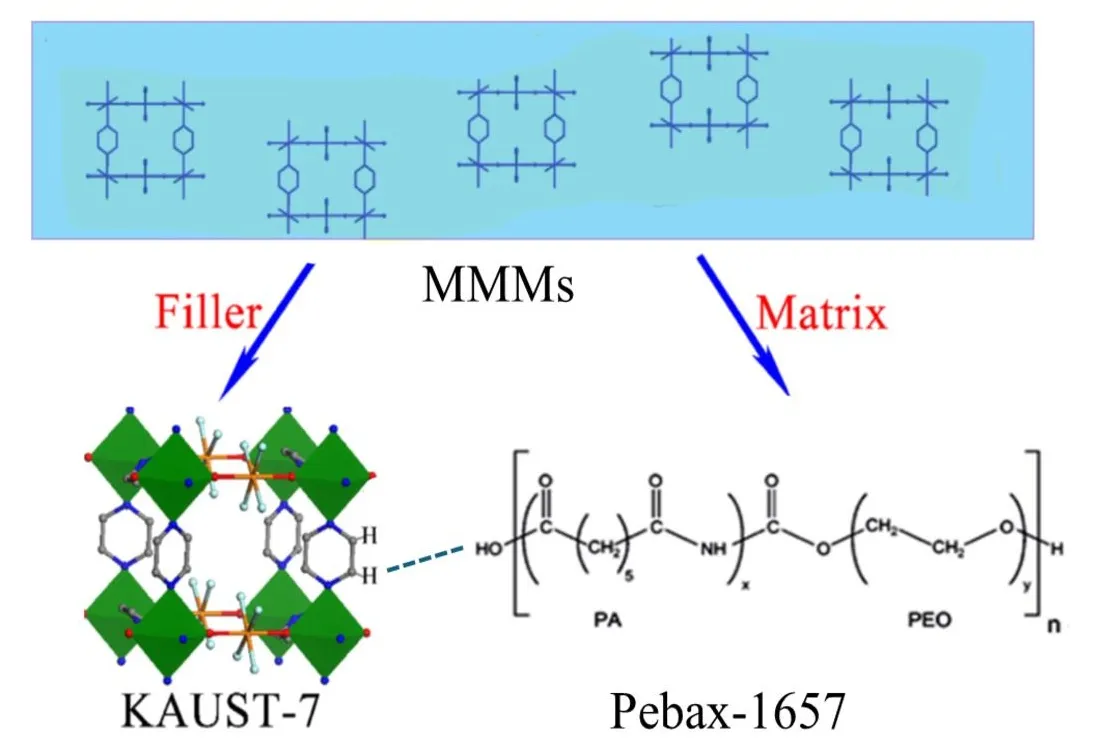
Hydrogen (H2) emerges as a promising clean energy source, but its efficient purification from various sources needs advanced separation technologies. This study explores the use of CO2-selective membranes, especially mixed matrix membranes (MMM) incorporating KAUST-7 metal-organic framework (MOF), for hydrogen purification. The MMM was fabricated with various KAUST-7 content in a polymer matrix (Pebax 1657) and characterized via Fourier transform infrared spectroscopy (FTIR), scanning electron microscopy (SEM), thermogravimetric analysis (TGA), X-ray diffraction (XRD), and gas permeation tests. The XRD analysis confirms the incorporation of KAUST-7 into the MMM, while SEM reveals a homogeneous particle distribution at low content (below 10%) but agglomeration at higher ones (above 10%). FTIR confirms good interfacial interactions between the MOF and polymer matrix. TGA results show that the MMM thermal stability slightly decreases with increasing MOF content. Gas permeation results reveal improved CO2 permeability (79%) and CO2/H2 selectivity (19%) for MMM compared to neat Pebax membranes, with an optimal performance observed at 10 wt.% KAUST-7. Beyond this threshold, the performance deteriorates, possibly due to polymer rigidity and MOF agglomeration. Overall, the study highlights the potential of KAUST-7/Pebax MMM for enhanced hydrogen purification.
Open Access
Article
19 August 2024Differences in Flood Quantiles Estimate of Disturbed and Undisturbed Watersheds in the United States
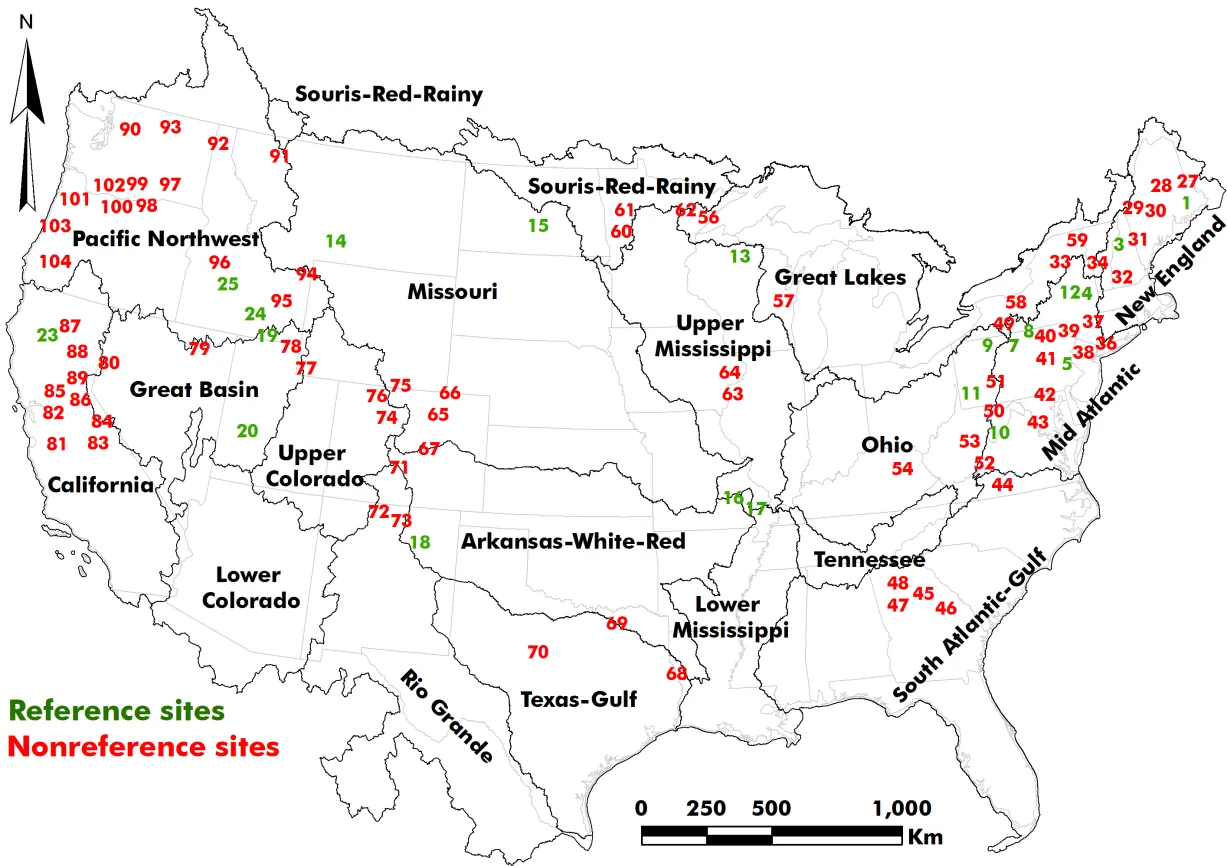
Nonstationarity due to climate variation and anthropogenic disturbances has altered high flow regimes. However, the extent of change has not been evaluated for undisturbed versus disturbed watersheds. This article aimed to determine how partitioning watersheds into undisturbed and disturbed categories can improve the performance of probability distributions for flood analysis throughout the United States. We utilized peak flow information for 26 reference (undisturbed) and 78 nonreference (disturbed) watersheds with drainage areas ranging from 135 to 42,367 km2 and record lengths of 100 to 140 years. Results indicated that flood quantile estimates of the Log Pearson Type III (LP3) distribution were likely being overestimated for return periods of 2 to 10 years, while flood estimates of 50 years and higher might be underestimated. In contrast, the Generalized Extreme Value (GEV) distribution outperformed LP3 in estimating floods with return periods of 50 years or more. These findings enhance flood frequency analysis and forecasting under nonstationary conditions.
Open Access
Editorial
16 August 2024
Open Access
Article
15 August 2024Hazardous Gas Monitoring with IoT Enabled Drone in Underground Tunnels and Cavities
Considering the healthiness of the atmosphere in mining activities (e.g., tunnelling), two of the most important parameters to be monitored are the concentration of oxygen and the presence of harmful gases such as CO2. Traditional methods for their measurement are fixed platforms and portable gas detectors carried by miners; they are incapable of recognizing sudden or short-term pollution events or correctly accounting for the spatial scarcity of gases. A UAV (Unmanned Aerial Vehicle) device capable of guaranteeing the measurement and continuous monitoring of concentrations has been designed. By using innovative technologies, it promotes digitization in the mining sector. This approach replaces current methods that, while effective at detecting and measuring environmental parameters, are slow, routine, and heavily reliant on human input. It saves productive expenses in the sector since it reduces costs compared to hiring a field technician for activities such as analysis of environmental conditions. This saving is about 110 euros daily, representing a 32% saving per working day for each mining technical responsible for environmental control. It also obtains a 3D spatial distribution of contaminants, a high sample resolution and a high sample resolution.. It reduces inspection time in mining works and the data collection time by more than 50%. The ECODRONE project constitutes a contribution to the MINE THE GAP challenge is a project financed with European funds whose line of desire aims to combine the innovation and development of SMEs or business groups from different regions of the mining, raw materials and materials sector. This program is aimed at strengthening the existing value chains and developing new industrial ones while designing new procedures, automated technologies, information and communication flows, which increase efficiency in the consumption of resources. All of the above implies integration with a circular economy and respect for European and global efficiency policies aimed at sustainability, industrial modernization, human health and the environment.

Open Access
Article
09 August 2024Interstage Growth Failure May Adversely Affect Clinical Outcomes in Hypoplastic Left Heart Syndrome: Results from a Single Center Ten-Year Review
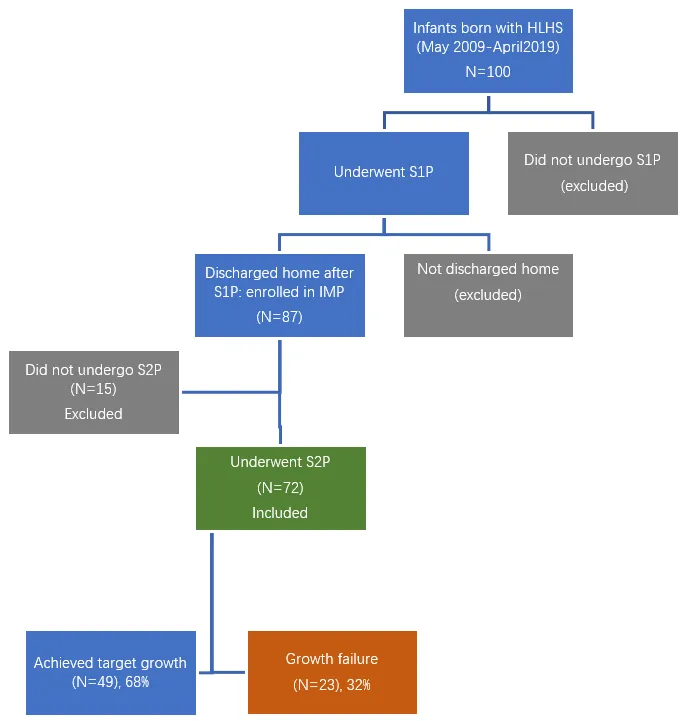
Infants with Hypoplastic left heart syndrome (HLHS) are particularly vulnerable during their interstage period which is the time between Stage 1 palliation (S1P) and Stage 2 palliation (S2P). Interstage Monitoring Program (IMP) was established to reduce mortality after discharge following S1P and consists of close monitoring of certain key parameters including hypoxia, growth failure and occurrence of major events. As somatic growth is a potentially modifiable determinant of interstage mortality, we aimed to study the incidence and risk factors of growth failure among infants followed by our IMP over the last 10 years. We included HLHS infants who were enrolled in institutional IMP following discharge after S1P from May 2009 to April 2019. Growth failure was defined as per the NPC-QIC criterion as failure to achieve target interstage weight of 20–30 g per day and risk factors for growth failure were explored. A total of 87 patients were enrolled during the study period, of whom 72 (n = 83%) underwent S2P. About one third (23 patients) failed to achieve the target growth rate despite close monitoring through a robust IMP. Growth failure significantly delayed the time to more stable S2P circulation (median IS duration: 131 days vs 86 days, p = 0.002). Patients with growth failure had a significantly higher incidence of death/transplant prior to Stage 3 (Fontan) completion (39% vs 16%, p = 0.03). Interstage growth failure was significantly associated with a “Hybrid-type” of repair during S1P (p = 0.03); and with the need for opioids at discharge (p = 0.04). This study highlights that growth failure is common in HLHS patients, despite active intervention through an IMP program. These patients appear to have significantly worse transplant-free survival rates compared to their counterparts. Pre-interstage risk factors including use of opioids may need to be addressed to assist adequate somatic growth during interstage.
Open Access
Article
08 August 2024Rural Nonfarm Enterprise and Its Impact on Household Livelihood in Ethiopia: Evidence from Gurage Zone
In Ethiopia, until recently, less attention has been given to rural entrepreneurship, while the rural economy has accounted for the lion’s share of employment, export earnings, and national income. This study scrutinized the factors influencing rural household participation in nonfarm enterprise and its impact on household livelihood in the Gurage zone. Data was collected from 352 households using questionnaires, and Key-Informant Interviews and Focus Group Discussions were used. The factors influencing household participation in nonfarm enterprises were estimated using a logit model, while Propensity Score Matching (PSM) was employed to assess the impact on household livelihoods. Women, single-headed households, households with larger family sizes, and households with secondary and primary education are more likely to participate in nonfarm enterprises. In addition, access to extension services, training, market, transport, credit, and being a member of cooperatives have increased the probability of household participation in nonfarm enterprise. Participation in nonfarm enterprises improved the livelihood of rural households. Rural nonfarm enterprises should be integrated into national policy as a means of economic empowerment, focusing on creating employment opportunities for women and youth and reducing poverty. Rural infrastructure expansion, access to credit, and entrepreneurship training should be prioritized and the sector should be enhanced as an alternative livelihood strategy.

Open Access
Article
07 August 2024Land-Tenure Shifts in the Maa Landscapes, Kenya, and the Impacts on Social-Cultural Relations, Structural Power and Social Economic Differentiation
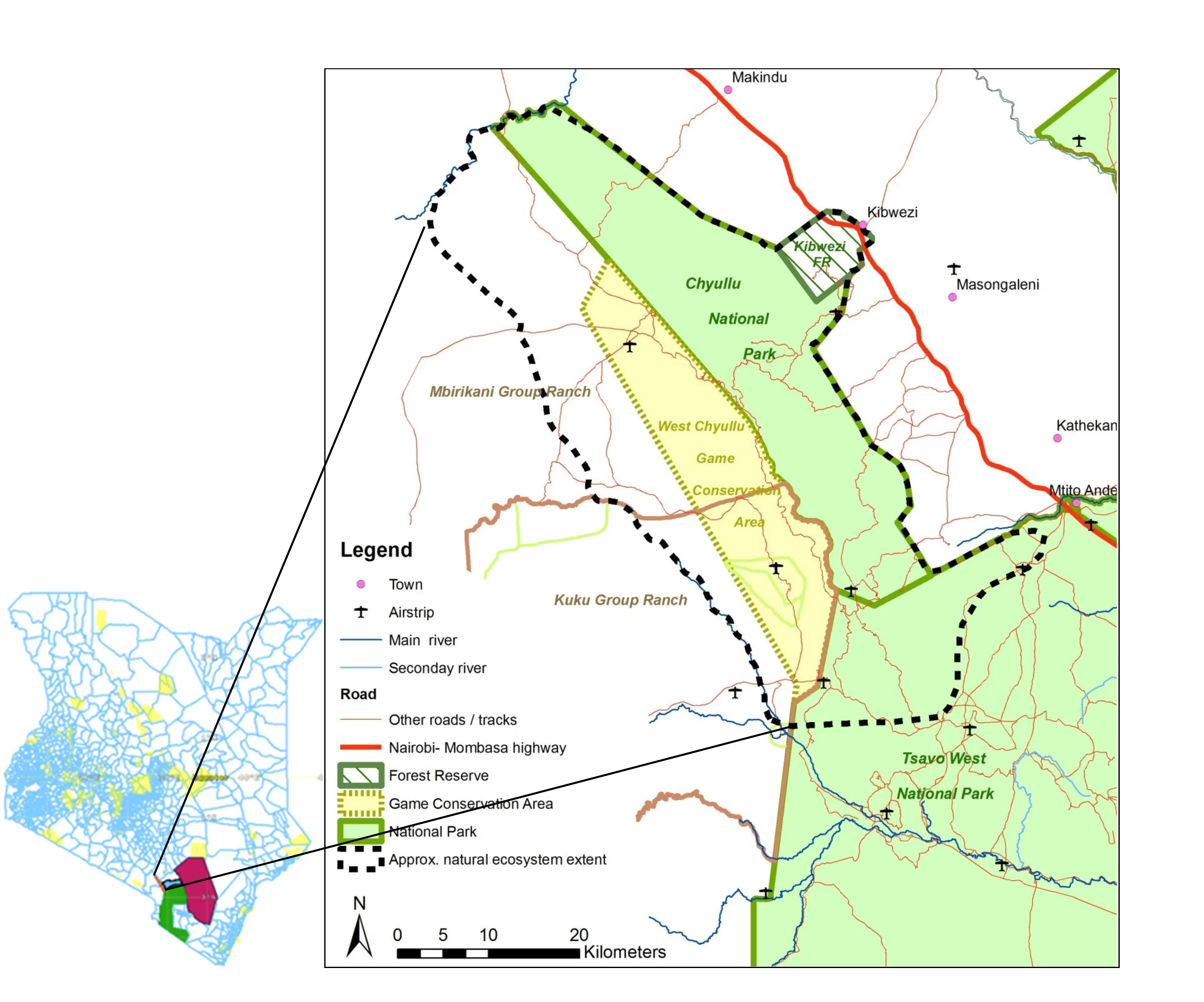
In recent years, the expansive pastoralist landscapes in southern Kenya have undergone rapid transformation, the key being a change in the land-tenure system from communal to individual ownership. However, little is known about the complexities influencing these changes and how the changes impact the local people. This study employed qualitative inductive approaches and ethnographic methods, such as participant observation and in-depth interviews. It examined how local and international formal and informal institutions have impacted land tenure changes among the Maa pastoralists living near Chyulu and Tsavo-West national parks. Despite the expected benefits of individual land ownership, the changes have not addressed significant social barriers. These include norms and power structures that disadvantage the poor in the community, as well as women and youth within households. People with higher levels of poverty and fewer or no political connections are marginalized during land adjudication at the community level. At the same time, traditions and customs deny women and youth entitlement to property at the household level. Such groups thus experience land privatisation differently. This article argues that expropriation and unequal abilities to control, access and benefit from land profoundly impact social differentiation among pastoralists. Further, the article illuminates a more-than-human achievement, with wildlife shaping people’s lives through conservation-induced land expropriation, and a more-than-human vulnerability that livestock and wildlife face in the wake of land fragmentation and fencing that restrict their free movement. The article contributes to more significant debates on pastoralist land tenure, property relations, ongoing changes in land control processes, and more-than-human achievements and vulnerabilities.
Open Access
Article
06 August 2024Evaluation of a Present-Day Thermal Activity on the Constitutive Minerals of a Granite and of Its Impact on the Whole-Rock Sealing Potentials
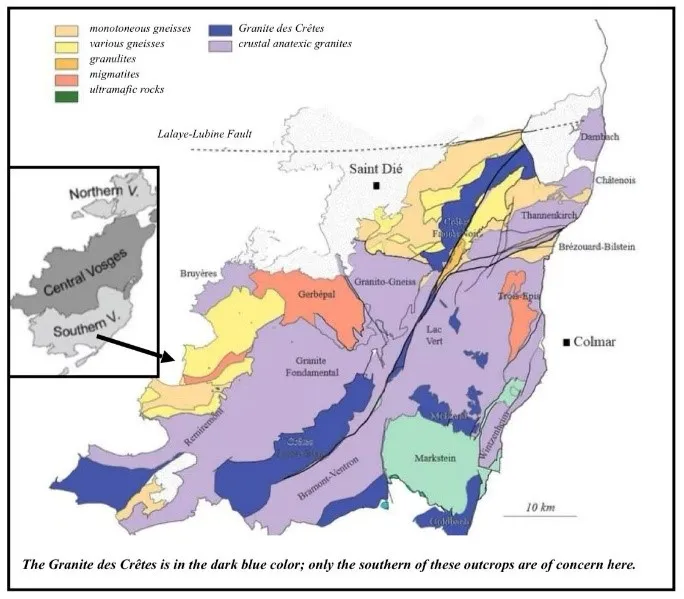
Mineralogical and chemical analyses of the major constitutive minerals from granite des Crêtes collected near the thermal site of Plombières-les-Bains (Vosges Mountains, eastern France) clearly show that recently circulating thermal waters up to 90 °C do not impact them. Even the constitutive minerals smaller than 2 microns are not affected. As a result, all minerals reflect the entire complex tectonic-thermal history of the granitic massif rather than just the recent thermal impact. Only the open faults and natural drains contain calcite from recent thermal waters. This is confirmed by similar calcite deposits with the same elemental contents sampled in the pipes of thermal installations. As a complementary conclusion, storage of containers of nuclear waste that diffuse an overall temperature up to 100 °C will not alter the potential sealing properties of a plutonic host massif, of course, without any recent thermal drainage that could potentially spread radioactive waste. This conclusion was already obtained on a moderately faulted sedimentary environment after a one-year in-situ heating experiment at about 100 °C. Calcium is a key indicator of low thermal impact. After an initial decrease, its levels rose significantly in the most "altered" granite samples, inducing calcite precipitation, even in the water pipes at the thermal site. The negligible impact of a hydro-thermal activity at a maximum of about 100 °C in a granitic material represents, indeed, a piece of useful information, as deep sites for nuclear waste in plutonic host rocks appear to act, also, as potential isolated host systems.
Open Access
Review
06 August 2024Considerations for Unmanned Aerial System (UAS) Beyond Visual Line of Sight (BVLOS) Operations
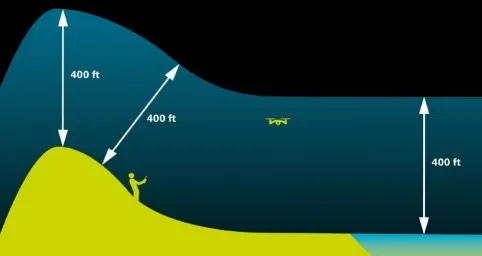
This paper, intended for expert and non-expert audiences, evaluates the technical and regulatory requirements for Unmanned Aerial Systems (UAS) to operate beyond visual line of sight (BVLOS) services. UAS BVLOS operations have the potential to unlock value for the industry. However, the regulatory requirements and process can be complex and challenging for UAS operators. The work explored the BVLOS regulatory regime in the UK, Europe and the US and found similarities in process and requirements covering themes like Detect and Avoid (DAA), Remote identification and Reliable Connectivity. A unifying goal across these jurisdictions is to operate BVLOS safely and securely in non-segregated airspace. However, operating BVLOS in segregated airspace as the default or routine mode could accelerate approval and adoption. The paper reviewed existing challenges, highlighting Coverage, Capacity and Redundancy as critical for UAS BVLOS Operations. The work also highlighted the crucial role of Non-terrestrial Network (NTN) assets like Satellites and HAPS (High Altitude Platform Station) since terrestrial networks (not optimised for aerial platform coverage) may not be reliable for BVLOS connectivity.