Found 492 results
Open Access
Review
14 January 2025A Review of Phosphorous in Fluvial Floodplains: Source or Sink?
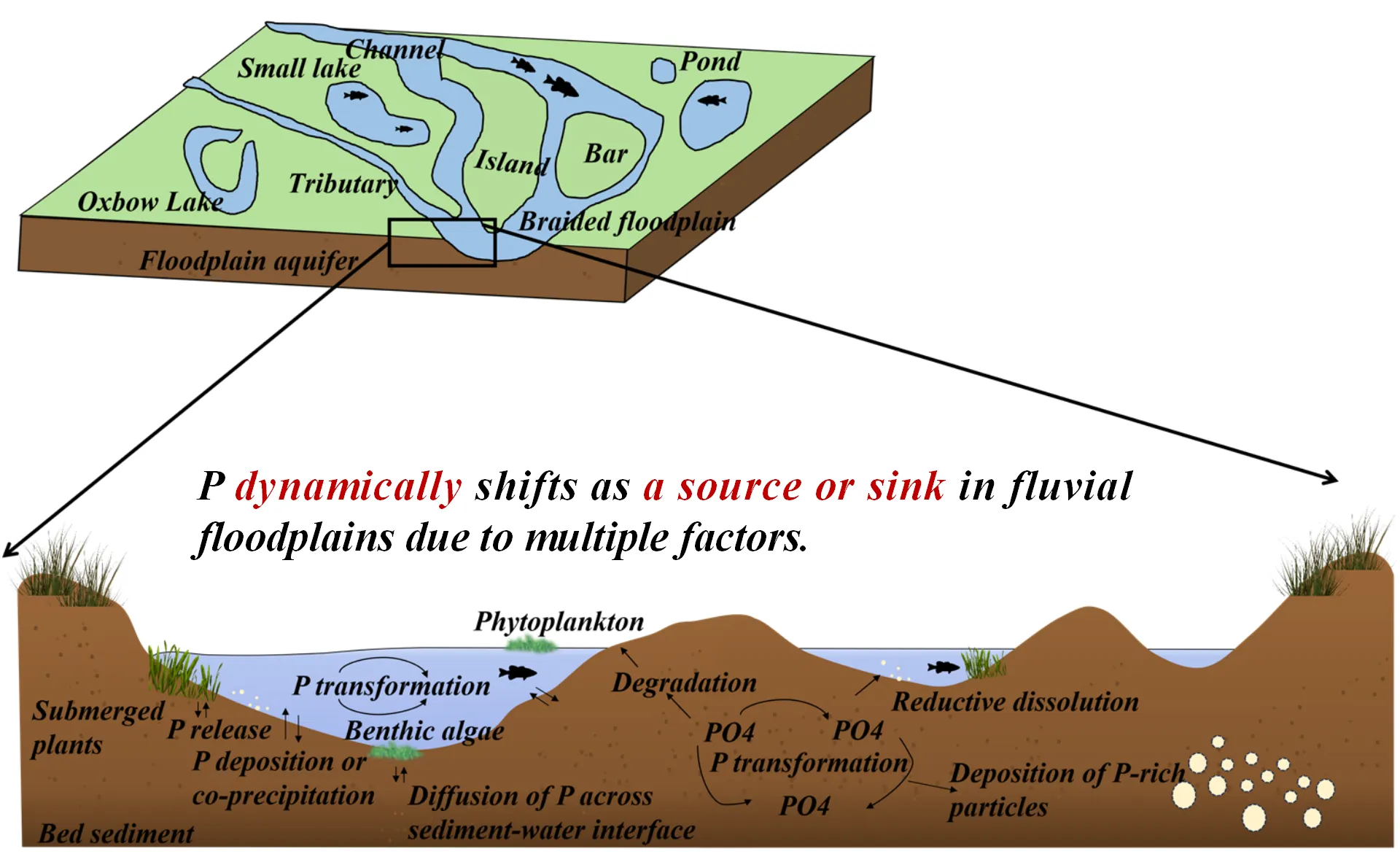
Fluvial floodplains are water-land transitional zones, playing an important role in hydrological and ecological systems. To date, the phosphorus migration and transformation in floodplain sediments remain elusive, which poses a large effect on river nutrient levels and primary productivity. This review summarized the sedimentary characteristics of floodplains and analyzed the spatial differences and temporal variations in phosphorus distribution. We further analyzed their potential change in floodplains under various conditions, determining the sedimentation and mineralization process of phosphorus. Meanwhile, phosphorus in the sediment will experience dynamic fluctuation as a source or sink of fluvial floodplains based on varying factors, including hydrological conditions, climate variations, biological activity, and pedological characteristics. In particular, the productivity and community population in floodplains, like vegetation and fishes, will be primarily associated with the periodic changes in phosphorus through food chain. Lastly, this review provided corresponding perspectives on improving the phosphorus administration in river floodplains based on existing problems. In total, it is anticipated that it will enhance the understanding of phosphorus resources or sink in the fluvial floodplains, contributing to the stability of aquatic ecosystems.
Open Access
Review
13 January 2025Comparative Analysis of Idiopathic Pulmonary Fibrosis and Progressive Pulmonary Fibrosis: Epidemiology, Pathophysiology, Clinical Features, Diagnosis and Treatment
Idiopathic pulmonary fibrosis (IPF) is a chronic fibrosing interstitial disease of unknown origin, characterized by radiological and histological features consistent with usual interstitial pneumonia (UIP). It is marked by a progressive worsening of dyspnea and a decline in lung function. Both IPF and PPF are comparable because they have poor prognoses with a median survival time from diagnosis of around 2–4 years without antifibrotic therapy. This review shows the main specific characteristics and differences of epidemiology, pathophysiology, clinical and radiological features, treatment, and prognosis of IPF and PPF.

Open Access
Article
09 January 2025Advanced Materials: Nature of Strongly Correlated Quantum Spin Liquid in Sr3CuNb2O9
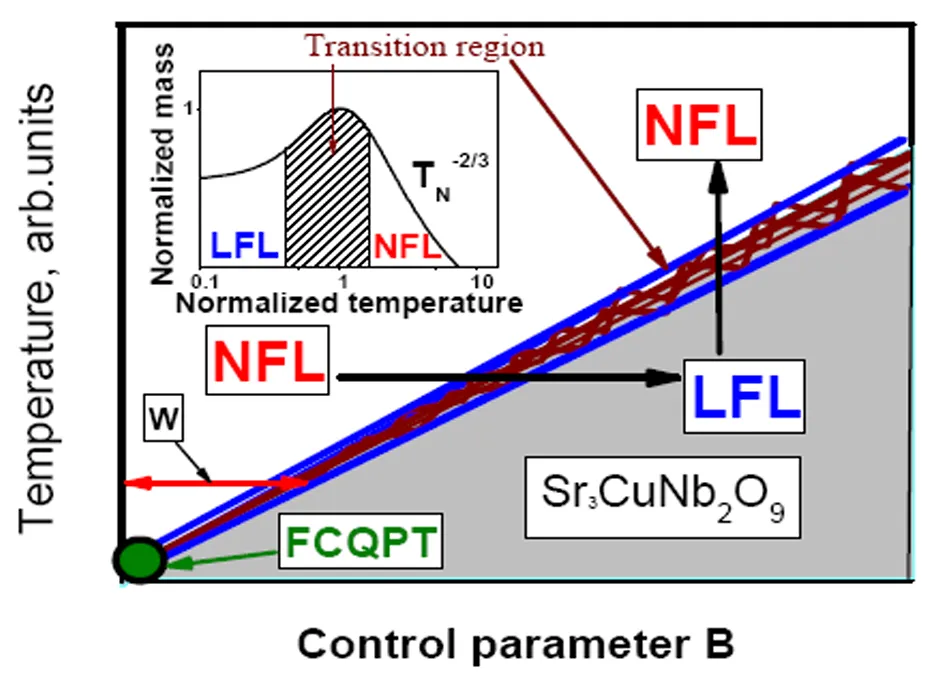
Quantum spin liquids of frustrated magnets are among the most attractive and basic systems in physics. Frustrated magnets exhibit exceptional properties as insulators and metals, making them advanced materials that represent materials for future technologies. Therefore, a reliable theory describing these materials is of great importance. The fermion condensation theory provides an analytical description of various frustrated quantum spin liquids capable of describing the thermodynamic and transport properties of magnets based on the idea of spinons, represented by chargeless fermions filling the Fermi sphere up to the Fermi momentum pF . We show that the low temperature thermodynamic of Sr3CuNb2O9 in magnetic fields is defined by strongly correlated quantum spin liquid. Our calculations of its thermodynamic properties agree well with recent experimental facts and allow us to reveal their scaling behavior, which is very similar to that observed both in heavy-fermion metals and in frustrated magnets or insulators. We demonstrate for the first time that Sr3CuNb2O9 belongs to the family of strongly correlated Fermi systems that form a new state of matter.
Open Access
Article
09 January 2025Sustainability Practices and Financial Performance: Evidence from BIST Electricity Index
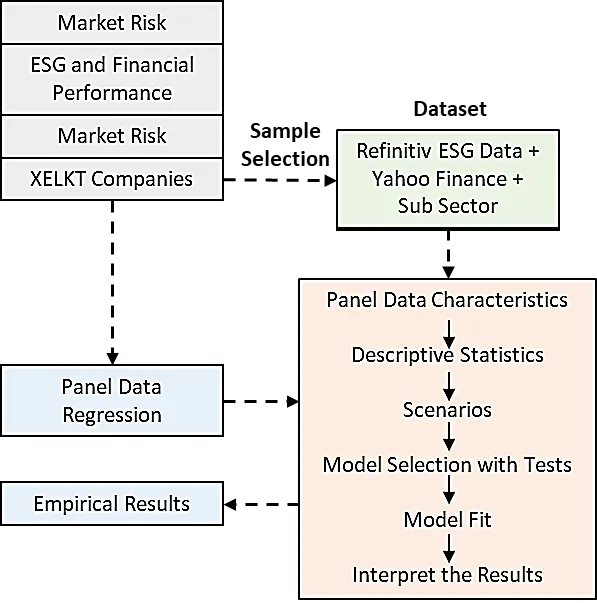
Amidst the backdrop of heightened market risks associated with transitioning to a lower-carbon economy, this study pioneers an examination of the correlation between sustainability and financial performance within Turkish energy market generator and retailer companies. In this study, the sustainability performance, exposure to market risks and effects on the financial performance of sub-sectors of companies listed in the BIST Electricity index were analyzed using panel data regression. The findings reveal a nuanced relationship between sustainability factors and financial performance, underscoring the imperative for electricity sector companies to prioritize sustainability initiatives not only for ethical reasons but also as a strategic imperative for long-term financial success and stakeholder value creation. Finally, the possibility of impending regulatory changes underscores the importance of early adoption of sustainability practices to mitigate potential financial liabilities and navigate future market risks effectively.
Open Access
Review
08 January 2025A Review of Ultrasonic Vibration-Assisted Grinding for Advanced Materials
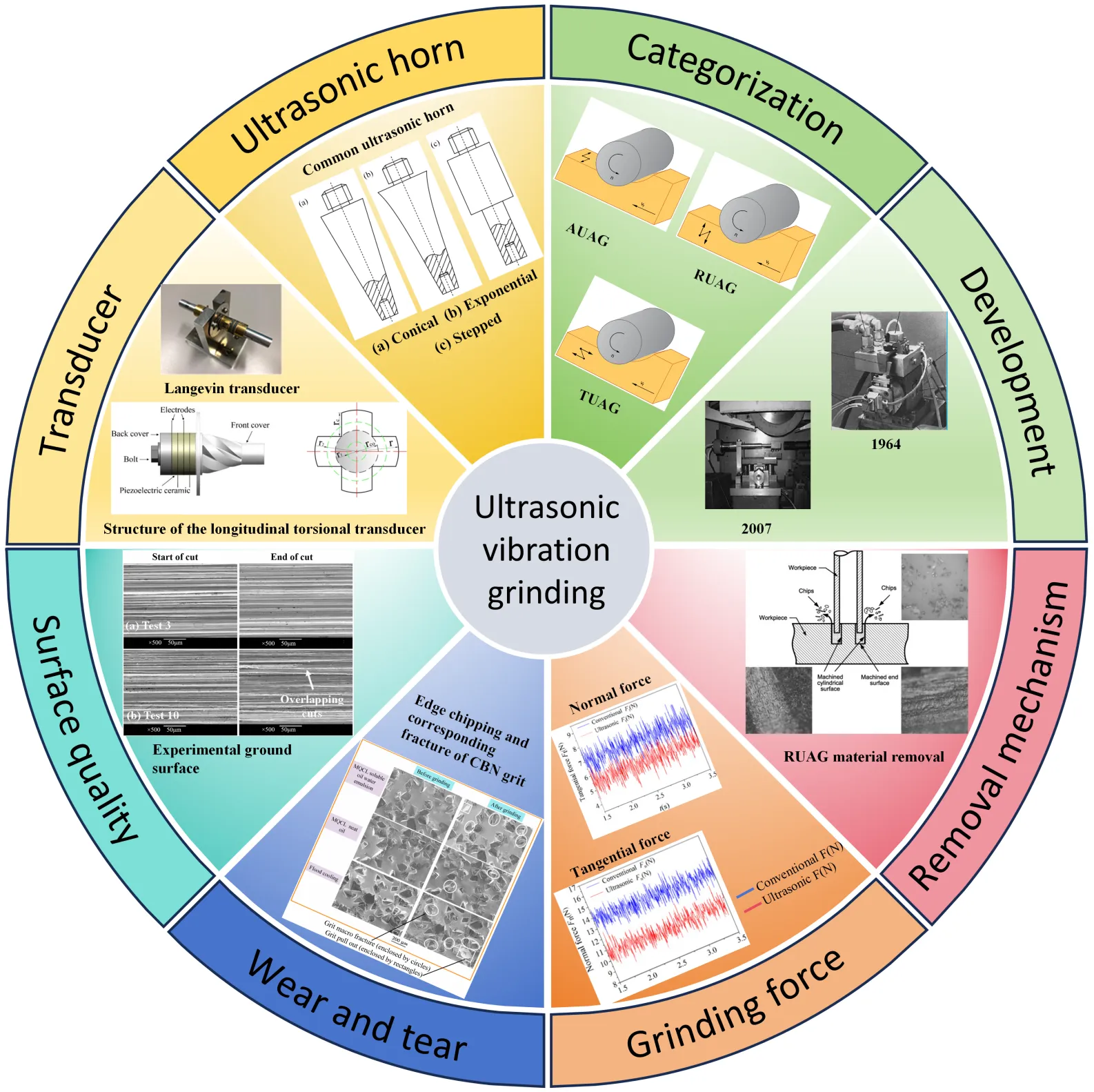
Ultrasonic vibration-assisted grinding (UVAG), which superimposes high-frequency, micro-amplitude ultrasonic vibration onto conventional grinding (CG), offers several advantages, including a high material removal rate, low grinding force, low surface roughness, and minimal damage. It also addresses issues such as abrasive tool clogging, thereby enhancing machining efficiency, reducing tool wear, and improving the surface quality of the workpiece. In recent years, the rapid development of advanced materials and improvements in UVAG systems have accelerated the progress of UVAG technology. However, UVAG still faces several challenges in practical applications. For example, the design and optimization of the ultrasonic vibration system to achieve high-precision, large-amplitude, and high-efficiency grinding remain key issues. Additionally, further theoretical and experimental studies are needed to better understand the material removal mechanism, the dynamics of grinding force, abrasive tool wear, and their effects on surface quality. This paper outlines the advantages of UVAG in machining advanced materials, reviews recent progress in UVAG research, and analyzes the current state of ultrasonic vibration systems and ultrasonic grinding characteristics. Finally, it summarizes the limitations of current research and suggests directions for future studies. As an emerging machining technology, UVAG faces challenges in many areas. In-depth exploration of the theoretical and experimental aspects of high-precision, large-amplitude, and high-efficiency ultrasonic vibration systems and UVAG is essential for advancing the development of this technology.
Open Access
Communication
08 January 2025Development of Eco-Friendly Composites Using Poly(3-hydroxybutyrate-co-3-hydroxyvalerate) and Diss Fibers (Ampelodesmos Mauritanicus)
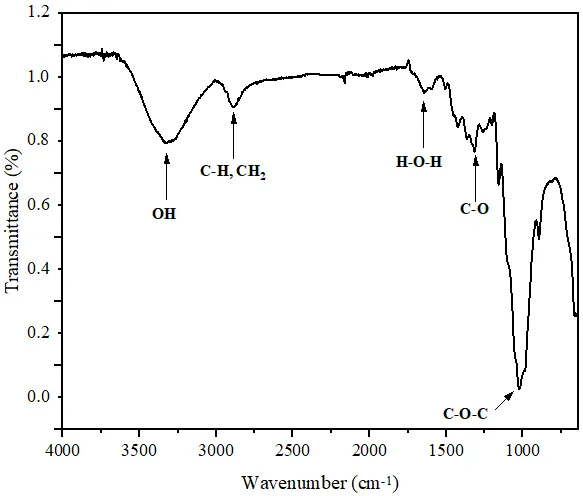
In response to the growing environmental threats and pollution linked to synthetic plastics, current scientific inquiry is prioritizing the advancement of biodegradable materials. In this context, this study investigates the possibility of developing fully biodegradable materials using plant fibers extracted from the Diss plant (Ampelodesmos mauritanicus) as reinforcement in poly(3-hydroxybutyrate-co-3-hydroxyvalerate) (PHBV)-based biocomposites. The biocomposites were prepared by melt blending in the following weight ratio: PHBV/Diss fibers 80/20. The chemical structure of Diss fibers was characterized by Fourier transform infrared spectroscopy (FTIR) and X-ray fluorescence spectrometry (XRF). The impact of Diss fibers on the mechanical properties of biocomposites has also been investigated in comparison to neat PHBV. FTIR and XRF analyses identified cellulose, hemicellulose, and lignin as the main components of Diss fibers. On the other hand, the results showed a significant enhancement of Young’s modulus (⁓21%) of PHBV/DF biocomposites in comparison to neat PHBV due to a better dispersion of the fibers in the matrix, as confirmed by atomic force microscopy (AFM) images.
Open Access
Article
07 January 2025Trace DNA Recovery: Insights from Dubai Police Casework
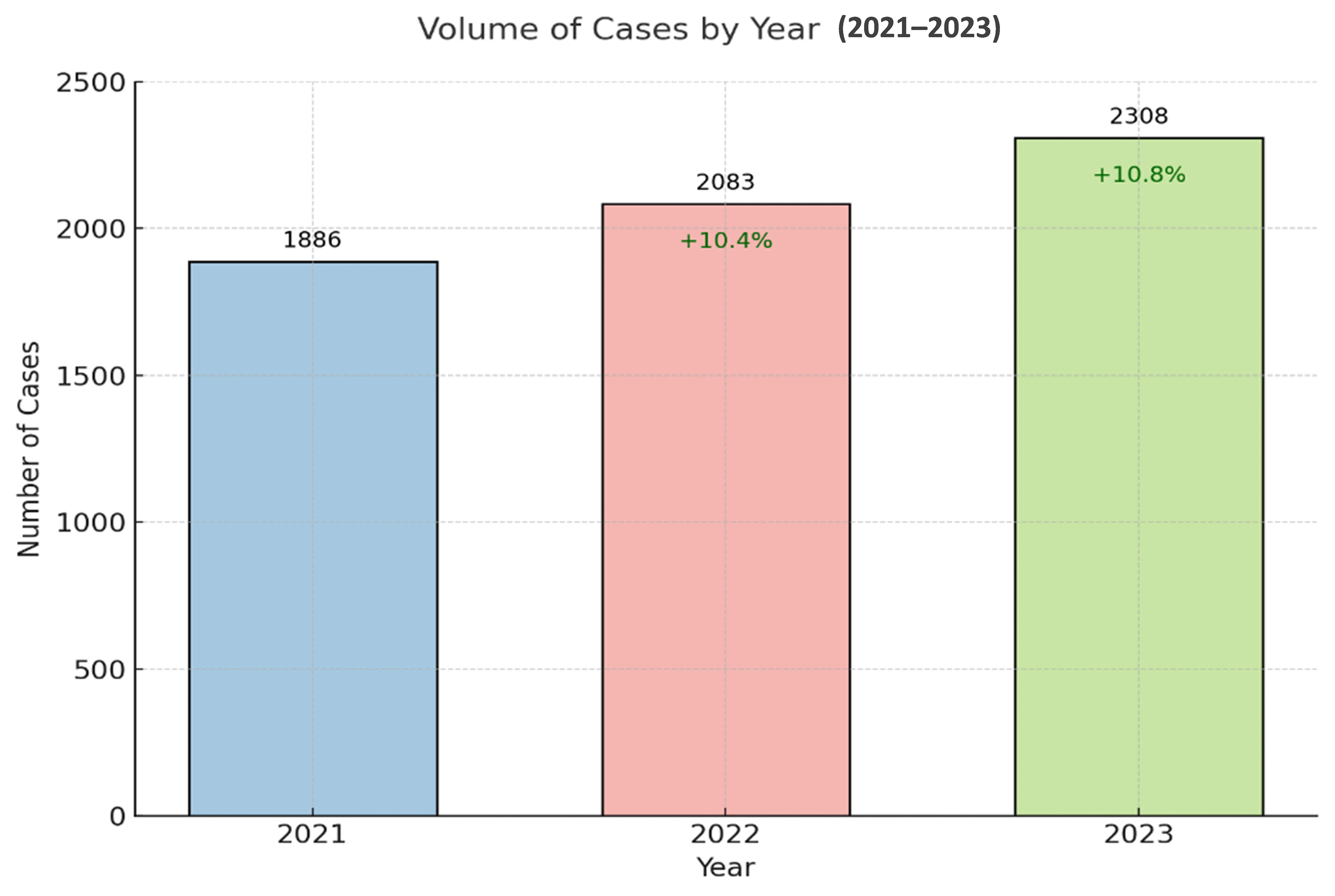
Trace DNA represents a critical form of forensic evidence, frequently recovered from a wide variety of touched or used items. Despite its evidentiary value, trace DNA analysis poses significant challenges due to the minute quantities of DNA involved, as well as the influence of factors such as surface type, collection methods, and environmental exposure. This study systematically examines the success rates and characteristics of trace DNA profiles recovered from six-item categories—tools, stolen items, wearable items, packaging materials, vehicles, and touched items—processed between 2021 and 2023 by the Biology and DNA Section of the Dubai Police Force. A total of 6277 cases were analyzed, encompassing a range of crimes, including homicide, suicide, missing persons, paternity disputes, and burglary. The results demonstrated an overall trace DNA success rate of 64%, with wearable items yielding the highest success rate at 76% and packaging materials yielding the lowest at 54%. Detailed analysis of positive DNA trace samples revealed significant variability in DNA profile types across item categories. Wearable items and touched items predominantly yielded full single (FS) DNA profiles, reflecting their reliability as sources of singular and high-quality DNA. Conversely, stolen items and packaging materials showed a greater prevalence of full mixed (FM) DNA profiles, highlighting their association with complex mixtures due to handling by multiple contributors. Tools and vehicles, meanwhile, exhibited higher rates of partial profiles, presenting unique challenges related to surface irregularities and environmental factors. This study emphasizes the importance of tailoring forensic strategies to item-specific characteristics, as well as the need for systematic mechanisms to categorize trace samples. Addressing operational challenges such as manual sorting and leveraging automation or AI-based systems can further streamline trace DNA analysis. The findings also underscore the importance of data sharing and standardization across forensic laboratories to enhance trace DNA recovery protocols and improve reliability in forensic investigations. Future research should focus on the effects of material properties, environmental exposure, and collection techniques on DNA retention, advancing the field of trace DNA profiling and its applications in forensic science.
Open Access
Article
06 January 2025A Bounded-Function-Based Scheme for Finite-Time Stabilization of a NWMR with Input Constraints
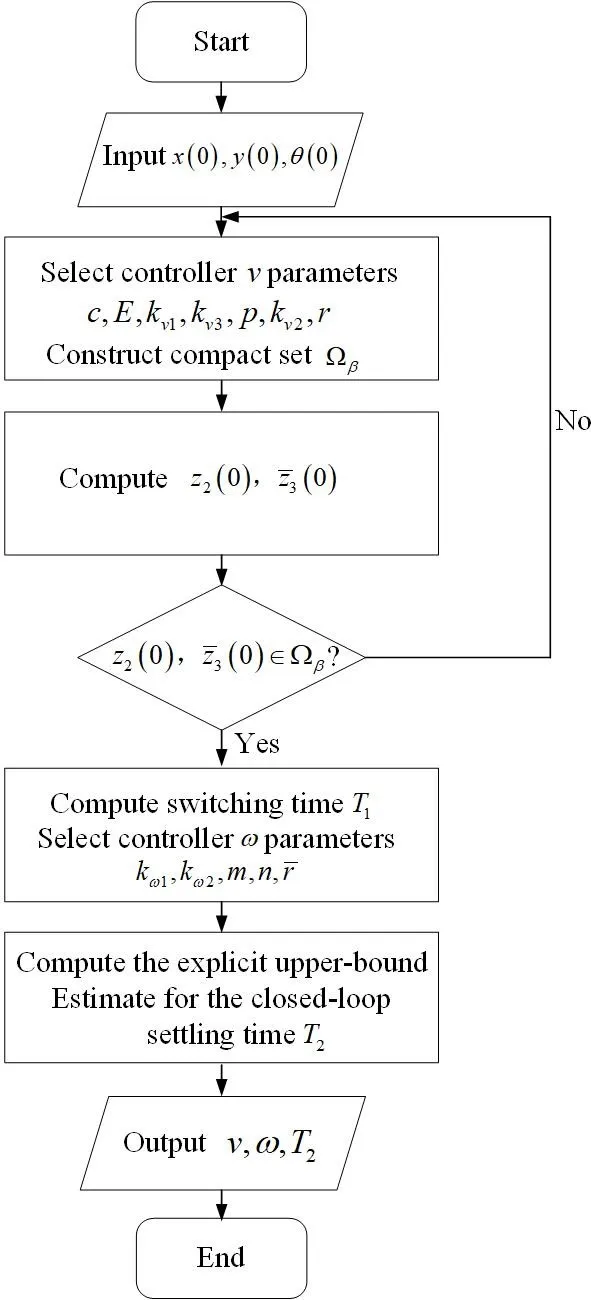
This paper addresses the finite-time stabilization problem for a nonholonomic wheeled mobile robot (NWMR) with input constraints. By utilizing the hyperbolic tangent function tanh(·), bounded finite-time stabilization controllers are developed. In addition, an explicit upper-bound estimate for the closed-loop settling time is given, and the level of input constraints is characterized by parameters that depend on the actuator’s capacity. A thorough finite-time stability analysis is carried out using appropriate Lyapunov functions. For a compact set contained in the domain of attraction, a guideline is presented to clarify how to construct it. Finally, simulation results show the effectiveness of the developed controllers.
Open Access
Commentary
03 January 2025Geographies of Peripheral Rural Areas—Some Comments
The dominance of positivist approaches has led to the development of center-periphery models, which establish a relatively naturalized relationship between urban core areas and residual rural areas. Recent approaches to planetary rural geographies provide an opportunity to re-situate this issue and address it within the context of the revitalization of many rural areas, not only in the global North but also in the global South. However, multiple competing realities continue to shape the dynamics of these spaces. In large areas of the global South, material challenges persist despite some promising trends, while in the global North, dynamics are largely influenced by post-industrial societies. Africa serves as a relevant example to illustrate the limitations and shortcomings of recent planetary approaches to rural geography development. As an alternative, smaller-scale approaches focusing on community participation and the living conditions of people are proposed.

Open Access
Review
02 January 2025Cell-Autonomous and Non-Cell-Autonomous Antiviral Immunity via siRNA-Directed RNAi in Drosophila melanogaster
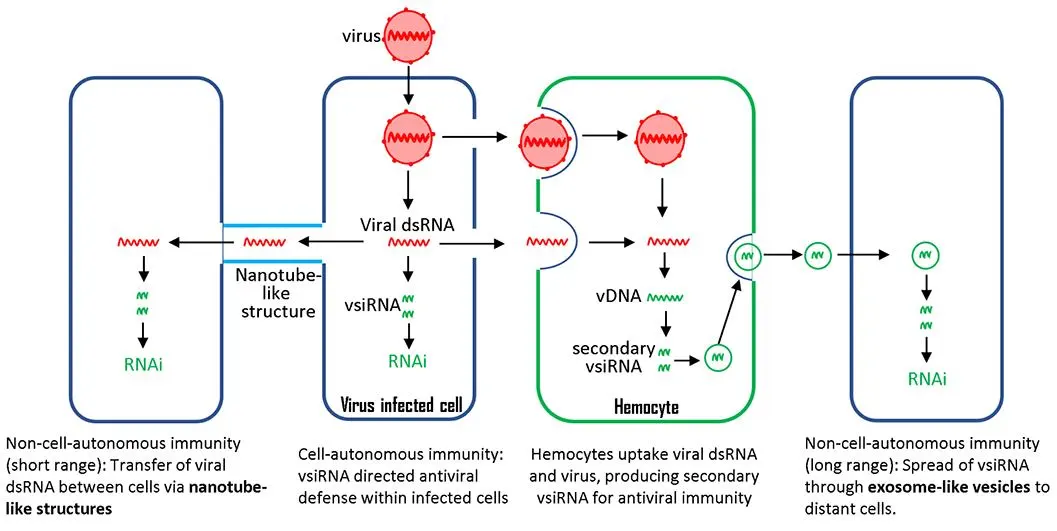
In Drosophila melanogaster, the siRNA-directed RNAi pathway provides crucial antiviral defenses. Cell-autonomously, Dicer-2 (Dcr-2) recognizes and cleaves viral dsRNA into siRNAs, which are incorporated into the RNA-induced silencing complex (RISC). Argonaute 2 (Ago2) then targets and cleaves viral RNA, preventing replication. Non-cell-autonomously, infected hemocytes secrete exosomes containing viral siRNAs, spreading antiviral signals to other cells. Additionally, tunneling nanotubes can transfer RNAi components between neighboring cells, further enhancing systemic immunity. These findings highlight the sophisticated antiviral strategies in Drosophila, offering insights for broader antiviral research.