Found 301 results
Open Access
Article
22 August 2024Erosion Resistance of BaZrO3-Y2O3 Two-Phase Crucibles against Highly Active Ti2Ni Alloys
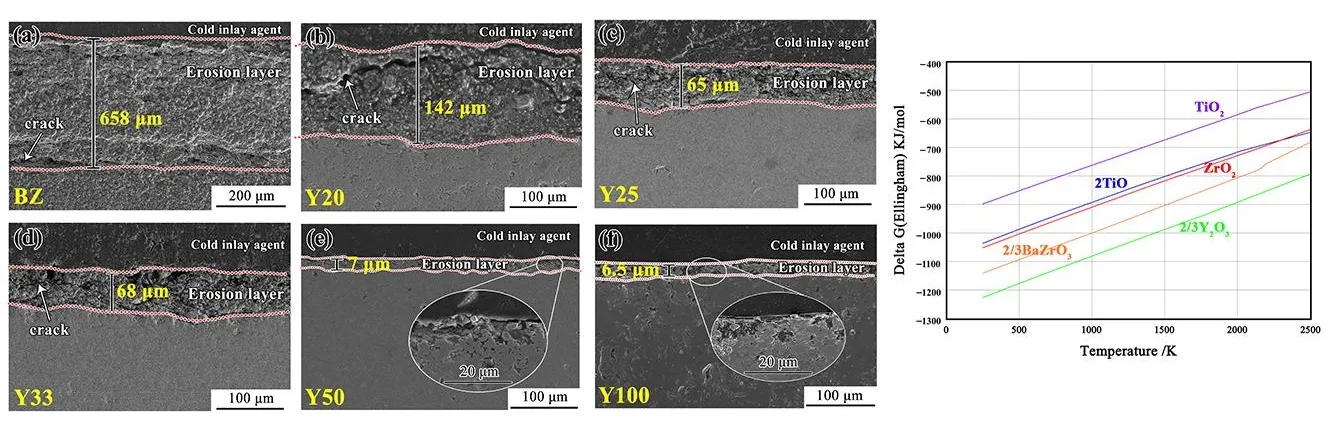
In this paper, (100-m) BaZrO3-mY2O3 (m = 0, 20, 25, 33, 50, 100) crucibles were prepared, respectively. Then, the effect of crucible composition on the interaction between crucibles and highly active titanium alloys (Ti2Ni) was investigated. The degree of the erosion resistance of crucibles was compared before and after melting as well as the contaminated extent of the alloys. The results show that the two-phase crucibles consisting of BaZr1−xYxO3−δ and Y2O3(ZrO2), could be prepared after adding Y2O3 into the BaZrO3 crucible. As the amount of Y2O3 addition in the crucible was increased, the erosion resistance of the crucible to the alloy melt was gradually improved. The two-phase crucible with 50 wt.% Y2O3 addition exhibited the best erosion resistance with a 7 μm thick erosion layer, which was at the same level compared to the pure Y2O3 crucible (6.5 μm). However, the inclusion contaminants caused by this two-phase crucible were smaller than those of the pure Y2O3 crucible. This study provided a theoretical basis for further research on the preparation of highly stable crucibles for melting highly active titanium alloys.
Open Access
Opinion
21 August 2024
Open Access
Article
19 August 2024Maturity Model for the Manufacturing Industry with Case Experiences
This manuscript describes the research path when extending a maturity model. The initial model—ManuMaturity—was for manufacturing companies aiming beyond Industry 4.0. The extended OSME model covers data sharing within a supply chain, an open innovation ecosystem and sustainable manufacturing. The OSME maturity model has five maturity levels: traditional factory, modern factory, agile factory, agile cognitive factory and agile cognitive industry and seven dimensions (such as infrastructure, data, customer, business model, employee, sustainability and processes). The tool was experimented with in manufacturing companies on two occasions: with a set of manufacturing companies and a group of companies. In both cases, feedback was gathered from the respondents. The article follows the maturity assessment development phases such as scope, design, populate, test, deploy and maintain, and reports the software implementation of the maturity tool. With the help of the developed maturity model and the tool, it was possible to make assessments in case companies, where the tool and its results were commented mostly positively. The tool can be applied in various ways. For example, a group of people can jointly submit their common understanding and have a thorough discussion or a group of company representatives submit their responses and the variation is discussed afterwards.

Open Access
Article
09 August 2024Interstage Growth Failure May Adversely Affect Clinical Outcomes in Hypoplastic Left Heart Syndrome: Results from a Single Center Ten-Year Review
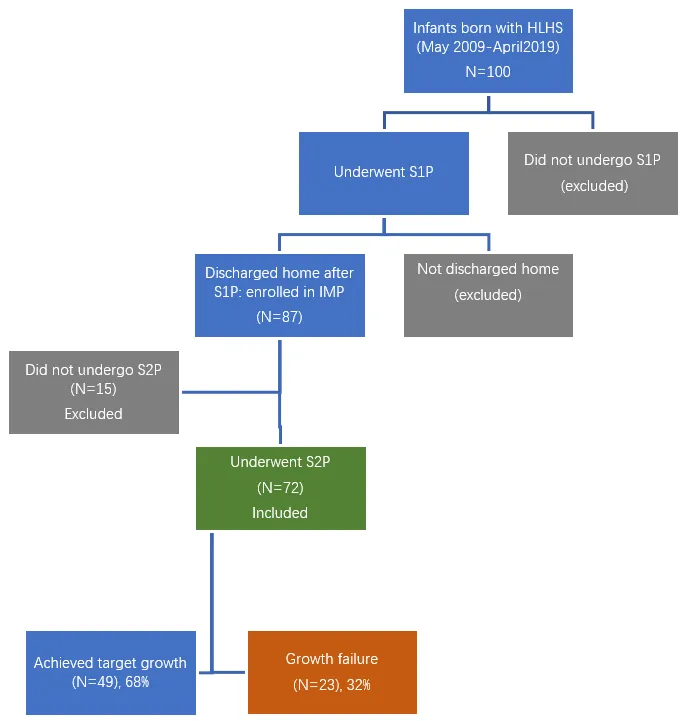
Infants with Hypoplastic left heart syndrome (HLHS) are particularly vulnerable during their interstage period which is the time between Stage 1 palliation (S1P) and Stage 2 palliation (S2P). Interstage Monitoring Program (IMP) was established to reduce mortality after discharge following S1P and consists of close monitoring of certain key parameters including hypoxia, growth failure and occurrence of major events. As somatic growth is a potentially modifiable determinant of interstage mortality, we aimed to study the incidence and risk factors of growth failure among infants followed by our IMP over the last 10 years. We included HLHS infants who were enrolled in institutional IMP following discharge after S1P from May 2009 to April 2019. Growth failure was defined as per the NPC-QIC criterion as failure to achieve target interstage weight of 20–30 g per day and risk factors for growth failure were explored. A total of 87 patients were enrolled during the study period, of whom 72 (n = 83%) underwent S2P. About one third (23 patients) failed to achieve the target growth rate despite close monitoring through a robust IMP. Growth failure significantly delayed the time to more stable S2P circulation (median IS duration: 131 days vs 86 days, p = 0.002). Patients with growth failure had a significantly higher incidence of death/transplant prior to Stage 3 (Fontan) completion (39% vs 16%, p = 0.03). Interstage growth failure was significantly associated with a “Hybrid-type” of repair during S1P (p = 0.03); and with the need for opioids at discharge (p = 0.04). This study highlights that growth failure is common in HLHS patients, despite active intervention through an IMP program. These patients appear to have significantly worse transplant-free survival rates compared to their counterparts. Pre-interstage risk factors including use of opioids may need to be addressed to assist adequate somatic growth during interstage.
Open Access
Article
07 August 2024Airway Serous Cells: A Comparative Study of Spatial Distribution and Abundance among Species
The conducting airways of the respiratory system play a crucial role in filtering, humidifying, and directing air into the lungs. Among the specialized cell types within these airways, airway serous cells are notable for their secretion of watery, protein-rich fluids and enzymes, which contribute to maintaining airway surface liquid homeostasis and defending against pathogens. However, the distribution and abundance of serous cells across different species in the conducting airways remain poorly understood. In this study, we addressed this gap by investigating the spatial distribution of the airway serous cell-specific marker BPI fold containing family A member 1 (BPIFA1) in humans, pigs, and mice. Our findings demonstrate significant variations in the distribution and abundance of serous cells among these species, potentially reflecting their different respiratory anatomy and evolutionary adaptations to diverse environmental challenges and respiratory demands. In humans and pigs, airway serous cells are predominantly found in the submucosal glands of the trachea and segmental bronchi, frequently overlapping with lysozyme-positive secretory cells. In contrast, rodents like mice exhibit a distinct pattern where serous cells are scarce in submucosal glands. Instead, rodent serous cells are primarily located at the epithelial surface from the trachea to the main bronchi, where many co-express the Club cell-specific protein SCGB1A1. The abundance of serous cells diminishes progressively in the intrapulmonary airways. Given that rodent models are widely utilized in respiratory research, understanding anatomical and cellular differences in airway serous cells is critical for interpreting experimental outcomes and translating findings to human respiratory diseases and therapeutic strategies. This comparative analysis enhances our understanding of airway biology across species and informs the selection and interpretation of animal models in respiratory studies.

Open Access
Article
06 August 2024Evaluation of a Present-Day Thermal Activity on the Constitutive Minerals of a Granite and of Its Impact on the Whole-Rock Sealing Potentials
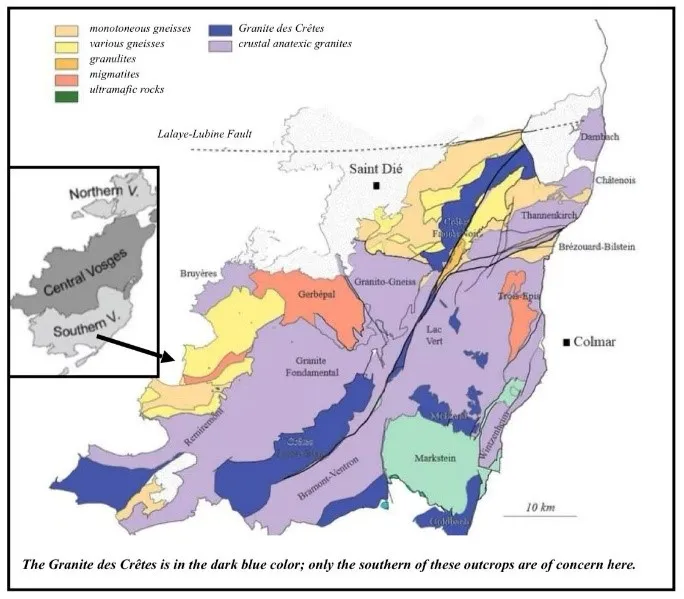
Mineralogical and chemical analyses of the major constitutive minerals from granite des Crêtes collected near the thermal site of Plombières-les-Bains (Vosges Mountains, eastern France) clearly show that recently circulating thermal waters up to 90 °C do not impact them. Even the constitutive minerals smaller than 2 microns are not affected. As a result, all minerals reflect the entire complex tectonic-thermal history of the granitic massif rather than just the recent thermal impact. Only the open faults and natural drains contain calcite from recent thermal waters. This is confirmed by similar calcite deposits with the same elemental contents sampled in the pipes of thermal installations. As a complementary conclusion, storage of containers of nuclear waste that diffuse an overall temperature up to 100 °C will not alter the potential sealing properties of a plutonic host massif, of course, without any recent thermal drainage that could potentially spread radioactive waste. This conclusion was already obtained on a moderately faulted sedimentary environment after a one-year in-situ heating experiment at about 100 °C. Calcium is a key indicator of low thermal impact. After an initial decrease, its levels rose significantly in the most "altered" granite samples, inducing calcite precipitation, even in the water pipes at the thermal site. The negligible impact of a hydro-thermal activity at a maximum of about 100 °C in a granitic material represents, indeed, a piece of useful information, as deep sites for nuclear waste in plutonic host rocks appear to act, also, as potential isolated host systems.
Open Access
Article
25 July 2024A Distributed Framework for Persistent Wildfire Monitoring with Fixed Wing UAVs
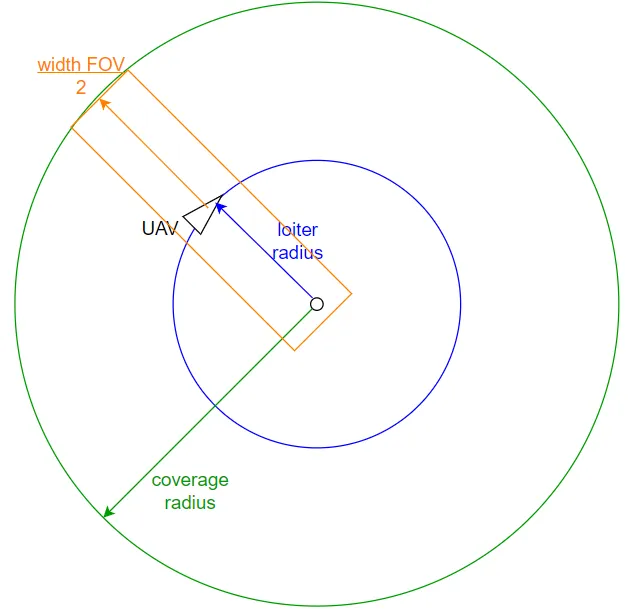
Wildfires have proven to be a significantly exigent issue over the past decades. An increasing amount of research has recently been focused on the use of Unmanned Aerial Vehicles (UAVs) and multi-UAV systems for wildfire monitoring. This work focuses on the development of a decentralized framework for the purpose of monitoring active wildfires and their surrounding areas with fixed wing UAVs. It proposes a distributed fire data update methodology, a new formation algorithm based on virtual forces, fine-tuned by a Genetic Algorithm (GA), to arrange virtual agents into the monitoring area, and a control strategy to safely and efficiently guide fixed wing UAVs to loiter over the structured virtual agents. The system is tested in Software In The Loop (SITL) simulation with up to eight UAVs. The simulation results demonstrate the effectiveness of the system in monitoring the fire in a persistent manner and providing updated situational awareness data. The experiments show that the proposed framework is able to achieve and maintain coverage up to 100% over the area of interest, and very accurate fire representation. However, the performance is decreased for the experiments with low UAV numbers and large fire sizes.
Open Access
Review
19 July 2024Solid Additives to Increase the Service Life of Ceramic Cutting Tool: Methodology and Mechanism
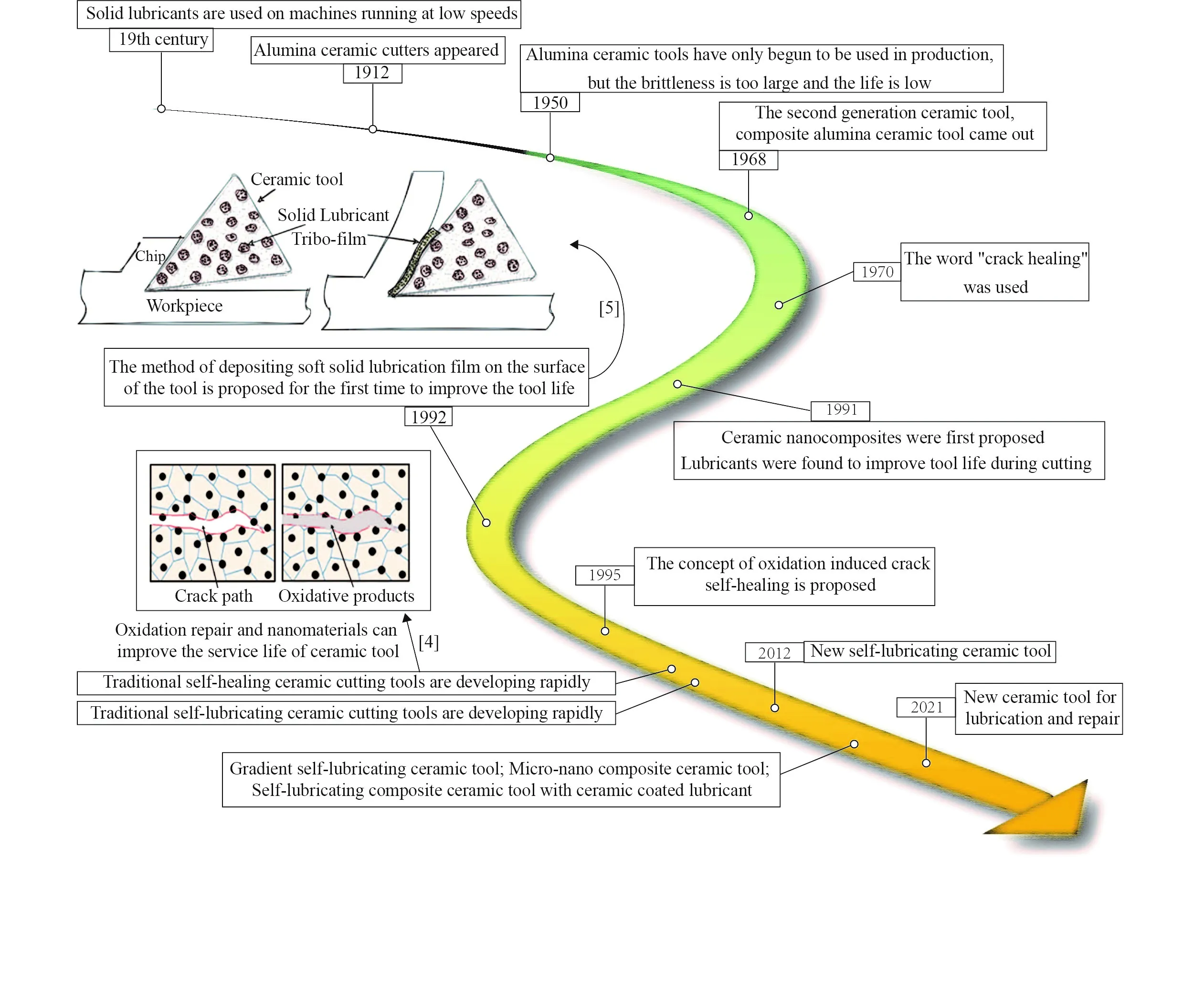
With the development of the manufacturing industry, there is an increasing demand for high-efficiency processing, high-precision processing, and high-temperature processing. The characteristics of ceramic tools, such as high hardness and wear resistance, make them suitable for high-precision processing. Additionally, their excellent high temperature resistance perfectly meets the requirements of high temperature processing. However, ceramic tools have a relatively low strength and are prone to breakage, which limits their application in some high-strength machining fields. Their low toughness and brittleness also lead to easy cracking and reduced tool life, resulting in frequent tool changes that further limit processing efficiency. Therefore, improving the service life of ceramic tool materials is crucial to enhance processing efficiency and achieve significant economic benefits. With the development of material science, solid additives with toughening and strengthening properties have greatly improved the performance of ceramic tool materials and given ceramic tools new life-enhancing properties, such as lubrication and repair. By utilizing the combined action of one or more solid additives and employing surface coating technology, the service life of ceramic cutting tools is significantly extended. This makes the application of ceramic tools in industrial cutting more and more widely, and the demand is also growing rapidly. However, the mechanism and methods of various solid additives to increase the life of ceramic tool materials have not been systematically reviewed. The analysis of the composition and functional properties of ceramic tool materials was used as a basis to summarize the mechanism by which various solid additives improve the service life of ceramic tool materials, and to provide points for attention in their use. The aim is to assist researchers in designing and preparing new ceramic tool materials that can meet processing requirements. Finally, the research status, challenges, and prospects of enhancing the service life of ceramic cutting tools with solid additives are summarized, providing a foundation for further research.
Open Access
Article
15 July 2024Investigation of High Vibration Phenomena in Steam Turbine: An Experimental Exploration into Root Causes and Material Analysis
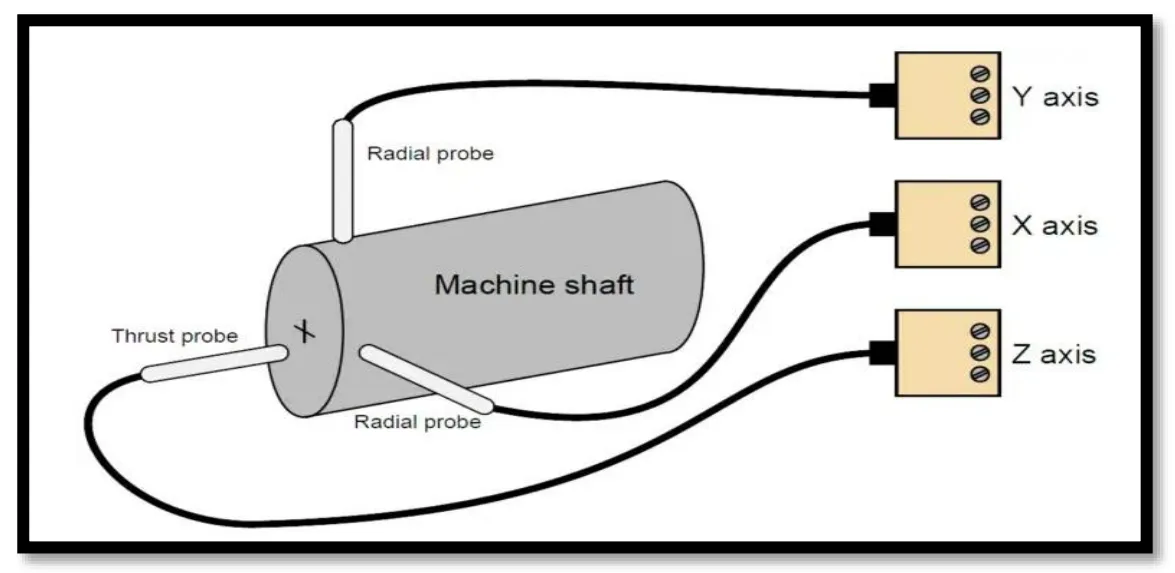
The steam turbine is a rotating device subject to axial and radial shaft shifts that can induce vibrations during operation. Tools such as monitoring systems and proximity probe sensors are essential to monitoring these vibrations. High vibrations affect the machine’s performance, increasing the risk of malfunctions and reducing its lifespan, and also pose risks to operational and maintenance personnel. The intensified vibrations in the bearing pedestals signify the underlying issues with the machine’s normal operation. Consequently, problems such as rotor imbalance, coupling misalignment, mechanical looseness, material failure, and bent shaft may be caused. In the current study, the latest field-proven automatic diagnostic of rotary equipment (ADRE 408) data acquisition system is installed by Bentley Nevada to investigate the root cause of high vibration. This advanced diagnostic system facilitates a comprehensive assessment, enabling us to effectively identify and address underlying problems. Hence, the current research includes a thorough diagnosis of the underlying problems to attenuate the risks of high vibrations in the steam turbine, coupled with strategic maintenance planning and corrective actions.
Open Access
Review
11 July 2024Photocatalytic Aerobic Conversion of Methane
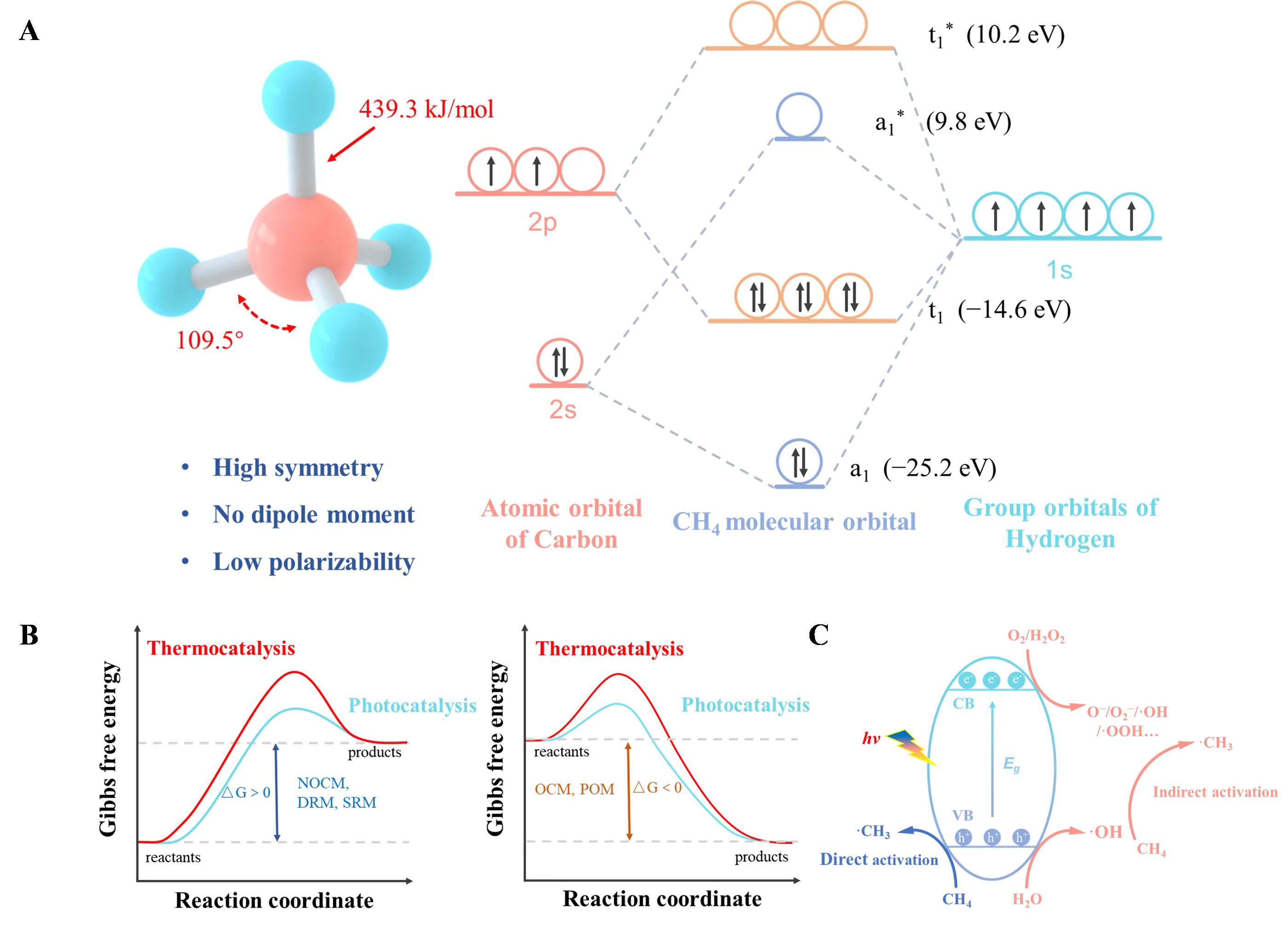
The direct conversion of methane into high-value chemicals has been a persistent research focus in the fields of chemical engineering and energy. Photocatalysis, as an innovative technology, not only circumvents the issues of catalyst sintering and carbon deposition associated with traditional thermal catalysis but also transcends thermodynamic limitations by providing new reaction pathways. Utilizing molecular oxygen as an oxidant generates various reactive oxygen species, offering unique thermodynamic advantages for methane conversion. This review summarizes the advancements in photocatalytic partial oxidation (PPOM) and oxidative coupling of methane (POCM) using oxygen as an oxidant. It discusses the activation mechanisms and reaction pathways of methane and oxygen in different systems, as well as the application of photochemical cycling strategies in methane conversion. Finally, it addresses the challenges in this field, proposes potential solutions, and offers perspectives on the future development of photocatalytic systems.