
Understanding Community Perceptions of Climate Change and Mitigation Strategies: Evidence from Dakodwom, Ghana

Understanding Community Perceptions of Climate Change and Mitigation Strategies: Evidence from Dakodwom, Ghana

Received: 31 December 2025 Revised: 21 January 2026 Accepted: 17 March 2026 Published: 02 April 2026

© 2026 The authors. This is an open access article under the Creative Commons Attribution 4.0 International License (https://creativecommons.org/licenses/by/4.0/).
1. Introduction
Climate change refers to significant alterations in long-term patterns of temperature, precipitation, snowfall, or wind that persist for several decades or more [1,2]. Climate change poses a significant global challenge with wide-ranging impacts on ecosystems, economies, and human livelihoods. In response, governments and policymakers globally have implemented various strategies to mitigate and adapt to its adverse effects, and Ghana is no exception [3]. These strategies commonly include national-level interventions such as reforestation programs, renewable energy promotion, and the development of climate-resilient infrastructure. While these initiatives are commendable, they often adopt a uniform approach that overlooks the specific needs, perceptions, and experiences of individual communities. Existing literature emphasizes that communities differ in their socioeconomic characteristics, environmental vulnerabilities, cultural practices, and local knowledge systems [4]. These differences are critical in shaping how climate change is perceived and addressed at the local level [5,6]. However, many national policies fail to incorporate this diversity, resulting in generalized solutions that may not effectively address the specific realities of local communities (adaptation strategies). The absence of community-based knowledge in climate policy formulation, as highlighted in prior studies, often reduces the effectiveness of adaptation and mitigation efforts [7]. This study is therefore important because it explores the determinants of perceived climate change from a community perspective, focusing on Dakodwom in the Ashanti region of Ghana.
Climate change is increasingly becoming a critical global issue, particularly for less privileged communities whose livelihoods are predominantly informal or subsistence-based. These communities often face a combination of vulnerabilities, including limited access to healthcare services, inadequate housing, poor sanitation infrastructure, and minimal opportunities for skills development. One such community is Dakodwom, located in the Ashanti Region of Ghana, which exemplifies many of these socio-economic challenges. The impacts of climate change are not uniform and vary by region, country, and community. In Dakodwom, the effects are particularly adverse due to its socio-economic structure and dependence on climate-sensitive activities. The majority of residents engage in small-scale production activities, such as the preparation and sale of kenkey—a traditional fermented maize dish—and the manufacture of local soaps using plant-based ingredients like palm kernel oil and cocoa pod ash. These activities are highly dependent on stable weather conditions, reliable water sources, and access to natural raw materials, all of which are increasingly disrupted by changing climate patterns.
Community perceptions of climate change are essential for influencing the success of climate governance and the implementation of policies, especially at the local level. Past studies indicate that climate initiatives are not driven solely by formal policies; rather, they are also shaped by governance networks and institutional interactions that mediate how policies are interpreted, accepted, and implemented within communities [8]. In communities like Dakodwom, an urban/peri-urban area marked by rapid population growth, informal waste management practices, and limited institutional enforcement, local perceptions are particularly crucial in determining whether climate-related strategies are effectively integrated into daily mitigation efforts. Moreover, the legal and policy frameworks governing climate action rely on alignment between regulatory intentions and community-level understanding to achieve meaningful results [9]. When perceptions are weak or misaligned with policy goals, implementation gaps may persist, even with formal climate strategies in place. This study underscores their significance not only as measures of awareness but also as catalysts for behaviors relevant to mitigation, especially in waste management practices, which have direct consequences for climate action at the local level.
According to the Intergovernmental Panel on Climate Change [10] Sixth Assessment Report, vulnerable communities, including those in small island states and developing nations like Ghana, are already experiencing the disproportionate and accelerating effects of climate change. For communities like Dakodwom, rising temperatures, erratic rainfall, prolonged dry spells, and frequent flooding are not just environmental concerns; they directly threaten livelihoods, food security, and economic resilience. At the city level, local governments have implemented various strategies to curb climate change, but these efforts have proven insufficient. Such measures include tree-planting initiatives and the construction of drainage systems. Despite the apparent effectiveness of these interventions, climate change continues to pose a significant challenge to the community, as evidenced by irregular rainfall patterns that cause flooding, rising temperatures, and other adverse impacts, particularly on maize production.
Understanding the causes and indicators of climate change, especially within the context of the community, is therefore crucial. This knowledge will enable the government and policymakers to design more targeted and effective climate adaptation strategies. This study contributes to Sustainable Development Goal 13 by highlighting community-specific perceptions of climate change in Dakodwom, enabling more targeted and inclusive adaptation strategies. It emphasizes the importance of integrating local knowledge into national climate policies for effective climate action. Reference [11] emphasizes that a key aspect of climate change adaptation is the analysis of outcomes and impacts. Understanding how residents of Dakodwom perceive climate change is a crucial first step in addressing the challenges it presents. Community perceptions provide insights into local vulnerabilities, priorities, and adaptive capacities. Without first understanding how communities perceive and experience climate change, it is difficult to design interventions that are context-specific, measurable, and effectively tailored to local needs. While empirical measurements of emissions and climate impacts remain critical for scientific assessment, community perceptions offer a social and political lens that guides effective community-level action. As a result, this study contributes to understanding the community’s perception of climate change and its implications for local adaptation and mitigation strategies. Some studies have indicated that human activities (as highlighted by the United Nations Framework Convention on Climate Change), such as deforestation, burning, open dumping, and the use of fossil fuels contribute to perceived changes in the climate while others have also attributed perceived climate change to industrial activities and additional external factors [12,13,14,15,16]. While these are recognized determinants, the primary causes and indicators specific to local contexts, such as Dakodwom, remain largely unexplored. A scientific study like the current one is therefore essential to examine climate change perceptions within the community. Existing urban climate perception studies, such as [17], examine the extent to which residents’ context in informal settlements influences their perceptions and the congruence of these perceptions with scientific knowledge of climate change in Accra, Ghana. Ghana. Findings show that while residents generally recognized climate change as consistent with scientific data, their reports of increased flooding were unsupported, and their views on flood causes differed from those of city authorities. The study highlights the need to integrate local perceptions into climate adaptation planning in Accra and similar contexts. This study advances existing perception-based research through an urban/peri-urban perspective in Dakodwom by connecting climate change perception determinants like human activities and socio-demographic factors influencing climate change perception with community-level mitigation strategies, including waste management. This approach facilitates a deeper understanding not only of the beliefs residents hold regarding climate change but also of how these beliefs manifest in tangible actions. Thus, the study contributes new insights into the role of urban/peri-urban communities in achieving Sustainable Development Goal 13, an area that remains underexplored in climate change discourse. Specifically, this study seeks to (1) examine the association between perceived climate change and perceptions of its causes within the community, (2) assess the association between perceived climate change, its indicators, and trends, (3) examine the determinants of perceived climate change, and (4) identify practices that could mitigate climate change–related challenges. Given these objectives, the current study seeks to answer the following questions: (1) What is the association between perceived climate change and perceptions of its causes within the community? (2) What is the association between perceived climate change, its indicators, and observed trends? (3) What are the determinants of perceived climate change? and (4) Which practices or interventions could effectively mitigate climate change–related challenges in the study context?
The rest of the paper is structured as follows: Section 2 provides a literature review, and Section 3 presents the methodology employed in this study. Section 4 discusses the results, and the last section presents the study’s conclusions and policy implications.
2. Literature Review
This section discusses some theories related to human activities and climate change. Specifically, the Anthropogenic Global Warming (AGW) theory, the land use change theory, and human forcings besides greenhouse gases theory are discussed. According to [18], the Anthropogenic Global Warming (AGW) theory attributes the rise in global temperatures primarily to human emissions of greenhouse gases like CO2, methane, and nitrous oxide. These gases enhance the natural greenhouse effect by trapping heat in Earth’s atmosphere. Though water vapor is the most significant greenhouse gas, human activities, especially fossil fuel combustion and deforestation, have increased atmospheric CO2 levels by about 50%. In Dakodwom, as in many parts of Ghana, deforestation, burning, poor waste management, and reliance on fossil fuels are common contributors to environmental degradation and climate variability. These local practices align with the core arguments of AGW, which hold that human actions are central to climate change. Perceptions in such communities are influenced by observable impacts, such as changes in rainfall patterns, increased heat, and reduced agricultural productivity, further reinforcing the awareness that human behavior plays a key role in driving climate change. Enhancing understanding of AGW at the community level can therefore strengthen adaptation efforts and encourage behavior change toward more sustainable practices. According to [19], the land use change theory focuses on how human activities such as deforestation, agriculture, urban expansion, mining, and infrastructure development transform land cover and directly or indirectly affect climate systems. These changes influence surface temperatures, rainfall patterns, and carbon storage. The theory also considers social, economic, and institutional drivers behind land-use decisions, including population growth, policy shifts, and local livelihoods. Human-induced factors like logging, urbanization, and farming, often driven by livelihood needs, are seen not only as responses to development pressures but also as major contributors to local climate variations, sometimes more noticeable than greenhouse gas emissions themselves. Human Forcings Besides Greenhouse Gases theory asserts that the most significant human impacts on climate stem not from greenhouse gas emissions, but from land-use and surface alterations such as deforestation, construction, agriculture, and urbanization [20]. Activities such as road construction and urban expansion directly alter land and sea surface temperatures, disrupting natural systems. The community faces rapid urbanization, deforestation for housing, poor drainage systems, and growing construction activity, all of which align with the theory. These land-use changes directly alter local microclimates and are more noticeable to residents than abstract greenhouse gas effects.
Empirically, some studies have examined the perceived human determinants of climate change. Reference [21] analyzed public perception of climate variability and climate change at both local and global levels among residents of Ibadan, Nigeria. Data was collected through questionnaires administered to 453 respondents from diverse social and demographic backgrounds. The survey explored perceptions of local climatic experiences, awareness of global climate change, sources of climate information, and differences in perception across demographic groups. Findings reveal that 92% of respondents were aware of local climate dynamics, and nearly 70% had heard of global climate change, although fewer than 25% understood its causes. These results highlight a high level of awareness but limited understanding of global climate change drivers. Reference [5] explored how vulnerability to climate change is shaped not just by geographic location but also by the quality of urban services, the capacity of local governments, and the resilience of communities. Using case studies and secondary data, the study adopts a comparative and analytical methodology to assess the effectiveness of integrating climate change adaptation and mitigation strategies with sustainable development. The findings highlight that the poorest communities are the most vulnerable due to limited access to basic services, making them less able to cope with climate impacts. The study argued that combining adaptation and mitigation strategies leads to more sustainable outcomes, though these strategies can sometimes conflict with each other or with development goals. To address this, the authors suggested the use of assessment tools and participatory approaches to identify cost-effective, community-specific strategies that align with local development priorities.
Furthermore, Reference [22] investigated farmers’ perceptions of climate change and their adaptation strategies across five sub-Saharan West African (SSWA) countries (Benin, Burkina Faso, Ghana, Niger, and Togo) by interviewing 234 farmers from 78 villages. Using both closed and open-ended survey questions, the study gathered data on farming practices, climate knowledge, and adaptation responses. The findings indicate that 98% of farmers were aware of climate change, although perceptions varied according to geographical location and local climatic conditions. Farmers in drier Sahel regions reported climate changes occurring 20 to 30 years ago, while those in more humid Guinean zones noted changes within the last decade. Farmers widely observed a delay in the onset and an early end to the rainy season, resulting in shorter growing periods, fewer rainfall events, and more frequent dry spells. In response, many adopted early-maturing crop varieties, particularly in areas with shortened seasons. Soil fertility practices largely remained unchanged because of fertilizer costs and limited availability, whereas soil water conservation strategies were more frequently adopted in the Sahel, where rainfall reductions are more pronounced. Crop management adaptations were preferred over irrigation due to limited access to water and equipment. Additionally, traditional rituals by rainmakers were cited as important strategies for coping with long dry periods. In a related study, Reference [23] assessed farmers’ perceptions of climate change and its implications for sustainable agriculture in the Ejura Sekyedumase District of Ghana. The study aimed to compare local perceptions of climate variability with actual climatic data from 1993 to 2009. The study collected data on perceived changes in temperature and rainfall over a ten-year period through surveys and interviews conducted with experienced farmers in six operational areas of the district. The findings reveal that over 80% of farmers believed temperatures had increased, and more than 90% observed changes in rainfall timing, particularly an increase in drought frequency. The study concluded that enhancing farmer awareness is crucial to enabling effective adaptation and long-term sustainability in agriculture.
Reference [24] examined farmers’ perceptions of climate change and variability in four communities within Ghana’s Upper East Region, comparing these perceptions with historical climatic data from the nearest weather station. Using a sample of 186 households, the study employed both comparative analysis and binary logistic regression to assess how closely local perceptions align with actual climate trends and to identify the factors influencing these perceptions. Findings reveal that 71% of respondents observed rising temperatures, which corresponded with the climatological data. Additionally, 95% of the respondents perceived a decrease and shortening of rainfall, although the rainfall data did not fully support this due to high inter-annual variability. Logistic regression results indicate that local topography and access to weather and climate information significantly influence farmers’ ability to accurately perceive climate change. The study concluded that climate adaptation policies targeting farmers should place greater emphasis on enhancing access to reliable climate information and accounting for local environmental conditions. Again, Reference [25] investigated the effects of climate change and local adaptation responses in rural farming communities within Ghana’s Jaman North District, where agriculture is highly climate-dependent. Using 30 years of meteorological data, the study analyzed trends in rainfall and temperature, complemented by interviews and household surveys to assess local experiences and responses. The findings indicate that rural farmers face increasingly erratic rainfall and rising temperatures, further compounding existing challenges such as limited agricultural mechanization. These changing weather patterns heighten the vulnerability of rural communities, underscoring the need for targeted adaptation strategies and support.
Reference [2] examined farmers’ perceptions of climate change in northern Ethiopia, assessing how their socio-economic, biophysical, and institutional characteristics shaped their understanding of its causes, indicators, and determinants. Using a systematic sampling technique, 60 household head farmers were selected and interviewed. Data was analyzed through descriptive statistics, chi-square tests, and logistic regression. The findings reveal that farmers’ perceptions are significantly influenced by factors such as access to rain-fed agriculture, experience with soil management, and the use of water-harvesting structures. A majority of respondents identified deforestation (93%) and soil degradation (88%) as the main causes of perceived climate change. Commonly cited indicators included rainfall variability (92%), erosion (90%), rising temperatures (85%), and declining agricultural outputs (85%). The outcome from the logistic regression showed that access to rain-fed agriculture, experience in soil management, and water harvesting structures are the significant determinants of perception on climate change. Reference [26] assessed local perceptions and knowledge of climate change in the Offinso Municipality of Ghana. It specifically sought to identify associations between demographic characteristics and perceptions of climate change. Systematic sampling was used to collect data from 307 respondents across five communities (Kwapanin, Koforidua, Kyebi, Sampronso, and Anyinasuso) through questionnaires, focus group discussions, and interviews. The analysis was done using descriptive statistics and chi-square tests. The findings reveal that, while perceptions of climate change are significantly influenced by age, they are not affected by gender or educational level. The study also found that respondents generally lacked in-depth knowledge about climate change.
Reference [27] explored climate trends and how smallholder farmers perceive climate change in the Adansi North District of Ghana. A total of 378 farmers were randomly selected, and 41 key informants were purposively selected. Descriptive statistics, inferential tests, trend analysis, and thematic interpretation were employed for the analysis. The findings show that a majority of farmers reported increased temperature intensity (96.8%), delayed rainfall onset (82.8%), early rainfall cessation (89.2%), and stronger wind intensity (79.4%). Climate data similarly indicated upward trends in temperature, rainfall, and wind speed. However, there was no statistically significant correlation between the farmers’ perceptions and the actual climate data. Farmers’ perceptions were largely influenced by information received from family, friends, local government bodies, agricultural extension officers, television, and radio. Reference [15] focused on identifying the various causes of climate change, emphasizing its urgency and widespread impact on life and the environment. The study sought to enhance public understanding and inform experts and policymakers about effective adaptation and mitigation strategies. The methodology involves reviewing scientific literature, theoretical models, and feedback processes related to climate dynamics. The findings indicate that while both natural and anthropogenic factors contribute to climate change, several studies show that human activities primarily drive recent climate changes.
Reference [28] examined climate change literacy across 33 African countries, emphasizing its importance for enabling informed mitigation and adaptation actions. Using data from Africa’s largest representative public opinion survey, the research assessed both awareness of climate change and its human causes. Results show that climate change literacy varies widely, from 23% to 66% across countries, and as low as 5%. Education and mobility significantly enhance climate change literacy, while poverty negatively affects it. Additionally, literacy rates among women are on average 12.8% lower than among men. Perceived experiences of drought and historical precipitation trends also influence awareness. Lastly, Reference [29] examined small-scale farmers’ perceptions of climate change and their adaptation strategies in the Builsa South District of Ghana, where climate change poses a major threat to food security. Using a generalized Poisson regression model, the study analyzes the factors influencing farmers’ adoption of climate change adaptation strategies. Data on farmers’ understanding of climate change causes were gathered using a 5-point Likert scale, while perceptions of climate change impacts on maize production were assessed with Kendall’s coefficient of concordance. Findings indicate that deforestation, bush burning, poor waste disposal, and greenhouse gas emissions are the main perceived contributors to climate change. Adaptation strategies commonly adopted include early planting, use of disease-resistant and drought-tolerant varieties, crop rotation, mixed cropping, and zero tillage. Key factors that significantly enhance the adoption of these strategies are farmers’ years of education, farm size, access to radio, and crop insurance.
From the reviewed studies, especially on Ghana, it is observed that climate change perceptions have predominantly focused on farmers, emphasizing their views on its causes and impacts. Across this body of work, deforestation, bush burning, improper waste disposal, and greenhouse gas emissions consistently emerge as the major perceived drivers of climate change. However, despite Dakodwom’s high vulnerability to climate-related challenges, there is a notable lack of scientific inquiry into how this community understands the causes, indicators, and consequences of climate change. Little is known about the specific socio-economic, environmental, and contextual factors that shape perceptions in this community. These gaps not only limit the broader understanding of climate change perceptions in urban and peri-urban Ghana but also hinder the development of targeted adaptation strategies. Therefore, this study is crucial in addressing these deficiencies by examining community-level perceptions and the determinants of perceived climate change in Dakodwom in the Ashanti Region, thereby providing evidence that can inform locally relevant adaptation and policy interventions.
3. Empirical Methodology
This section presents the methodology employed to achieve the study’s objectives. Discussions in this section include the model specification, study area, research design, sampling techniques, sample size, variable descriptions, and estimation technique.
3.1. Model Specification
This study specifies a binary logistic regression model to estimate the determinants of perceived climate change. The binary logistic regression function estimated the likelihood of the independent variables’ effects on the dependent variable [30]. The model is specified as follows:
|
```latex\mathrm{ln}\frac{p}{1-p}={\beta }_{0}+{\beta }_{i}{X}_{i}+{\varepsilon }_{i}``` |
(1) |
The odds (likelihood) ratio is written as $$\frac{p}{1-p}$$. p is the likelihood that a respondent will perceive climate change (i.e., p represents the chance that a respondent will report noticing or believing climate change), and 1 − p is the likelihood that the respondent will not perceive climate change. $${\beta }_{0}$$ is the constant term and $${X}_{i}$$ represents the explanatory variables such as age, educational status, employment status, monthly income, industrial emissions, vehicle emissions, and agricultural activities. $${\beta }_{i}$$ represents the coefficients of the various explanatory variables, and $${\varepsilon }_{i}$$ denotes the error term. An odds ratio of more than one implies a positive association/relationship, and a value less than one suggests a negative association/relationship [31,32]. The binary logistic regression is selected because it is suitable for binary outcomes and does not require assumptions of normality or equal variance in independent variables. It is more flexible, robust, and capable of handling both continuous and categorical variables, making it ideal for many real-world data scenarios [33,34,35].
3.2. Study Setting, Research Design, Sampling Technique, and Sample Size
Dakodwom is a densely populated suburb located within the Kumasi Metropolitan Assembly in the Ashanti Region of Ghana. The area is notable for its engagement in primary economic activities and is home to the largest kenkey production hub in Kumasi. It is widely recognized for the preparation of various types of kenkey, including Ga kenkey and Fante kenkey, which serve both local and regional markets. This study focuses on Dakodwom due to its heightened vulnerability to climate and health-related risks, making it an appropriate case for investigating the determinants of perceived climate change at the community level. The area is characterized by poor housing conditions, inadequate drainage infrastructure, and limited access to basic sanitation services, which collectively expose residents to climate-related hazards such as flooding, heat stress, and the spread of waterborne diseases. These infrastructural deficiencies, coupled with the environmental impacts of traditional kenkey production such as the use of biomass fuels and improper waste disposal, contribute to localized emissions and environmental degradation.
The study employs a mixed-methods research design (quantitative and qualitative methods) to provide a broader understanding of climate change in Dakodwom. Quantitative data is used to analyze climate trends and assess the association or relationship between perceived climate change and its perceived causes. Complementing this, qualitative methods such as interviews are used to explore community perceptions, practices, and experiences [32]. This helped us to explore the practices/activities that could mitigate perceived climate change-related challenges in the community. The simple random sampling and convenience sampling were employed to select 500 respondents. Simple random sampling is useful for studying determinants of climate change in Dakodwom because the community’s relative homogeneity ensures that randomly selected participants can provide representative, unbiased insights into shared environmental challenges and human practices [36]. Convenience sampling was chosen due to the ease of accessing respondents who possessed sufficient knowledge and experience related to the determinants of climate change [37]. In the quantitative aspect of the study, simple random sampling was initially employed to select respondents from the larger Dakodwom community, ensuring general representativeness and minimizing selection bias. In addition, the convenience sampling was utilized as a complementary method during data collection, especially for qualitative interviews and in instances where respondents possessing relevant knowledge and experience were more accessible. The integration of these sampling methods illustrates the mixed-methods design of the study, where representativeness was emphasized during the quantitative phase, while depth and contextual comprehension were prioritized in the qualitative phase. Although convenience sampling may introduce selection bias and limit the generalizability of qualitative findings, we recognize that this method may result in some bias, as individuals who are more accessible or knowledgeable may be overrepresented. Nevertheless, this limitation was mitigated by emphasizing random selection whenever possible and by employing convenience sampling primarily to enhance contextual understanding rather than to inform statistical inference. Thus, the mixed approach effectively balances representativeness with practical field conditions and enriches the overall depth of the findings [35].
3.3. Data Collection and Ethical Considerations
The entire data collection exercise was conducted over seven days, from 1 June 2025, to 7 June 2025. The process began with a pilot test of the provisional questionnaire, which was administered to 20 respondents. This preliminary testing was conducted to assess the clarity, relevance, and flow of the questions. Feedback from the pilot test showed that some questions were unclear or confusing, so they were revised accordingly. The questionnaire was administered to eligible and willing residents of the study area, irrespective of gender, educational background, and other demographic characteristics. This was done to ensure broad representation and to reflect the views and experiences of the wider Dakodwom community. Data collection was conducted using a structured interview approach, incorporating both self-administered and interviewer-administered questionnaires. For the self-administered option, educated respondents could complete the questionnaire on paper or electronically via Google Forms. For respondents with limited or no formal education, trained enumerators facilitated interviewer-administered sessions, during which questions were translated and explained in the local language (Twi). This strategy ensured that all respondents fully understood the questions, thus promoting accurate and consistent responses. This study employs a well-detailed questionnaire consisting of closed-ended questions to facilitate face-to-face and online data collection. The questionnaire was divided into 5 sections. The first section captured the socio-demographic characteristics of respondents. The second to fifth sections captured respondents’ perceptions on climate change, be it causes, trends, and various indicators. Formal approval was obtained from the Kumasi Metropolitan Assembly (KMA), which provided a community entry letter permitting the research team to engage with the community. This allowed the team to explain the purpose of the study to the community elders. Participation in the study was entirely voluntary; there was no coercion. To ensure confidentiality and anonymity, no identifying information such as names, telephone numbers, or house numbers is included or reported in this paper.
3.4. Variable Description, Measurement, and Expected Sign
This section presents the discussion of the variables used in this study (for the binary logistic regression). The dependent variable is perceived climate change, and the independent variables are age, sex, educational status, income, human activities, knowledge of burning, vehicle emissions, industrial emissions, agricultural activities, deforestation, and urbanization, all of which contribute to perceived climate change. The variables age, household size, and income are continuous, whereas the remaining variables are dummy. The description, measurement, and expected signs of the variables are presented in Table 1.
Table 1. Variable description, measurement, and expected sign.
|
Variable |
Description/Measurement |
Expected Sign |
|---|---|---|
|
Perceived climate change |
This is the respondents’ perception of climate change. It is the dependent variable and measured as a binary dummy, takes a value of 1 if a respondent has perceived climate change, 0 otherwise. |
N/A |
|
Age |
Age is the age (recorded in completed years) of the respondent and it is measured as a continuous variable. It is expected to be positively related to perceived climate change because as people age, they become more experienced in observing weather and environmental changes over time, which makes them more likely to notice and pay attention to the changes in climate change. |
Positive |
|
Sex |
This is the gender of the respondent and it is measured as a binary dummy. It takes a value of 1 for female and 0 for males. Being female may increase the likelihood of perceiving climate change because women often tend to be more engaged with environmental and household-related risks, which makes them more sensitive to changes in weather. These regular activities expose them directly to environmental stressors, making climate impacts more visible in their daily lives. |
Positive |
|
Education |
Education is measured as a binary dummy variable and takes a value of 1 for respondents who have received any form of formal education at the junior, secondary, or tertiary level and 0 otherwise. Education positively influences awareness of climate change. Respondents with some form of formal education are more knowledgeable about climate-related issues because they are exposed to information on the causes and consequences of climate change. |
Positive |
|
Employment status |
This variable indicates whether a respondent is employed (in any form; self-employed, employee etc.) or unemployed. It is measured as a binary dummy variable and takes a value of 1 if the respondent is employed and 0 if unemployed. Many respondents work in climate-sensitive jobs like kenkey production, giving them direct exposure to environmental changes and firsthand knowledge of climate change impacts. |
Positive |
|
Household size |
Household size is measured as the total number of individuals living in the respondent’s household. It is a continuous variable. Households with more members tend to use more resources such as water, food, and energy which makes them more sensitive to environmental changes that affect these necessities; hence they are more likely to perceive climate change. |
Positive |
|
Income |
This represents the monthly income of the respondents. It is measured in Ghana cedis and is a continuous variable. Respondents with higher income often have better access to information through media, education, technology, and social networks which increases their awareness of climate-related issues. This makes them more likely to perceive climate change. |
Positive |
|
Human activities |
Human activities (as a contributing factor to perceived climate change) are measured as a binary dummy variable. It takes a value of 1 if a respondent believes that human activities contribute to perceived climate change, and 0 if otherwise. Respondents who believe human activities such as burning, deforestation, and pollution cause climate change are more alert to environmental changes, making them more likely to perceive climate change. |
Positive |
|
Burning |
This variable represents respondents who believe that burning contributes to perceived climate change. It is measured as a binary dummy. It is assigned a value of 1 if respondents believe burning contributes to climate change, and 0 if otherwise. Respondents who believe burning activities influence climate change are more observant of environmental changes, making them more likely to perceive climate change. |
Positive |
|
Vehicle emissions |
This variable represents respondents who believe that vehicle emission (smoke and fumes from cars and trucks) contributes to perceived climate change. It is measured as a binary dummy. It is assigned a value of 1 if respondents believe that vehicle emissions contribute to climate change, and 0 if otherwise. The awareness of the association between vehicle emissions and climate effects makes individuals more attentive to signs of climate change, increasing the likelihood that they will perceive it. |
Positive |
|
Industrial emission |
This variable represents respondents who believe that industrial emission contributes to perceived climate change. It is measured as a binary dummy. It is assigned a value of 1 if respondents believe that industrial emissions contribute to climate change, and 0 if otherwise. Individuals who believe that industrial emissions contribute to climate change are more likely to pay attention to environmental signs associated with industrial activity, such as air pollution, rising temperatures, and unpredictable changes in local weather patterns. Their understanding of the association between industrial emissions and climate impacts increases the likelihood of perceived climate change. |
Positive |
|
Agricultural activities |
This variable represents respondents who believe that agricultural activities contribute to perceived climate change. It is measured as a binary dummy. It is assigned a value of 1 if respondents believe that agricultural activities contribute to climate change, and 0 if otherwise. Individuals who believe that agricultural activities contribute to climate change are more likely to observe environmental changes related to farming, such as soil degradation, irregular rainfall, droughts, or flooding. Their awareness of the association between agriculture and climate impacts increases the likelihood that they will perceive climate change. |
Positive |
|
Deforestation |
This variable represents respondents who believe that deforestation contributes to perceived climate change. It is measured as a binary dummy. It is assigned a value of 1 if respondents believe that deforestation contributes to climate change, and 0 if otherwise. Deforestation affects awareness of climate change because individuals who recognize that cutting down trees contributes to rising temperatures, reduced rainfall, and soil degradation are more likely to pay attention to these environmental changes. |
Positive |
|
Urbanization |
This variable represents respondents who believe that urbanization contributes to perceived climate change. It is measured as a binary dummy. It is assigned a value of 1 if respondents believe that urbanization contributes to climate change, and 0 if otherwise. Individuals who believe that urbanization contributes to climate change are more likely to notice environmental changes associated with expanding cities hence, increasing the likelihood of perceived climate change. |
Positive |
Source: Authors’ own.
3.5. Estimation Technique
Data analysis was performed using STATA (version 14). Descriptive (frequency and percentage), nonparametric (chi-square test), and binary logistic regression analyses were employed. A descriptive statistic table is used to provide information on the socio-demographic characteristics of the respondents. The chi-square test is a commonly used method for measuring the association between two nominal or categorical variables [38]. Pearson’s chi-square test (at the 5% level of significance) was used to assess the association between perceived climate change and perceived causes of climate change (burning, deforestation, industrial emissions, vehicle emissions, agricultural activities, and urbanization). The chi-square test was also applied to examine whether each perceived cause (burning, deforestation, industrial emissions, vehicle emissions, agricultural activities, and urbanization) and each perceived climate-change indicator (rainfall, temperature, wind, and extreme/unusual events such as flooding), as well as the perceived trends (increase/decrease), were significantly perceived by respondents. The chi-square test was chosen instead of tests designed for continuous variables, such as the t-test, because the chi-square is appropriate for categorical data and frequency counts. In contrast, the t-test assumes continuous data and normal distribution properties, which are not applicable in this context [39]. In addition, the binary logistic regression method was employed to examine determinants of perceived climate change. This regression analysis is used to predict a binary (dichotomous) dependent variable using independent variables that may be continuous, discrete, categorical, or a combination of these types [40]. In this study, the dependent variable is a binary dummy variable that takes the value 1 if a respondent perceives climate change and 0 if the respondent does not. Pearson’s correlation was also used to test multicollinearity among the independent variables.
4. Results and Discussion
The results of the study are presented and discussed in this section. It begins with the descriptive statistics of the variables, followed by the reliability test results. The findings related to the four research objectives are then presented and discussed.
4.1. Descriptive Statistics
Table 2 presents the descriptive statistics of the respondents’ demographic and socioeconomic characteristics. The study analyzed data from 500 respondents.
Table 2. Descriptive statistics (N = 500).
|
Variable |
Frequency |
Percentage |
|
|---|---|---|---|
|
Sex |
|||
|
Male |
224 |
44.80 |
|
|
Female |
276 |
55.20 |
|
|
Employment status |
|||
|
Yes |
342 |
68.40 |
|
|
No |
158 |
31.60 |
|
|
Educational status |
|||
|
Yes |
376 |
75.20 |
|
|
No |
124 |
24.80 |
|
|
Awareness of climate change |
|||
|
Yes |
473 |
94.60 |
|
|
No |
27 |
5.40 |
|
|
Perceived human activities that cause Climate change awareness or notice of |
|||
|
Climate change |
|||
|
Yes |
473 |
94.60 |
|
|
No |
27 |
5.40 |
|
|
Human activities have contributed to climate change |
|||
|
Yes |
440 |
88% |
|
|
No |
60 |
12% |
|
|
Burning |
|||
|
Yes |
420 |
84.00 |
|
|
No |
80 |
16.00 |
|
|
Deforestation |
|||
|
Yes |
399 |
79.80 |
|
|
No |
101 |
20.20 |
|
|
Industrial emissions |
|||
|
Yes |
366 |
73.20 |
|
|
No |
134 |
26.80 |
|
|
Vehicle emissions |
|||
|
Yes |
391 |
78.20 |
|
|
No |
109 |
21.80 |
|
|
Agricultural activities |
|||
|
Yes |
373 |
74.60 |
|
|
No |
127 |
25.40 |
|
|
Urbanization |
|||
|
Yes |
331 |
66.20 |
|
|
No |
169 |
33.80 |
|
|
Indicators of climate change |
|||
|
Rainfall |
|||
|
Yes |
458 |
91.60 |
|
|
No |
42 |
8.40 |
|
|
Temperature |
|||
|
Yes |
456 |
91.20 |
|
|
No |
44 |
8.80 |
|
|
Wind |
|||
|
Yes |
420 |
84.00 |
|
|
No |
80 |
16.00 |
|
|
Extreme/Unusual events |
|||
|
Yes |
292 |
58.40 |
|
|
No |
208 |
41.60 |
|
|
Trends in climate change |
|||
|
change in rainfall |
|||
|
Increase |
374 |
74.80 |
|
|
Decrease |
126 |
25.20 |
|
|
Change in temperature |
|||
|
Increase |
418 |
83.60 |
|
|
Decrease |
82 |
16.40 |
|
|
Change in wind |
|||
|
Increase |
363 |
72.60 |
|
|
Decrease |
137 |
27.40 |
|
|
Change in extreme/unusual events |
|||
|
Increase |
277 |
55.40 |
|
|
Decrease |
223 |
44.60 |
|
|
Age (Years) |
Household Size |
Monthly Income (GHS) |
|
|
Mean |
37.05 |
5.66 |
723.67 |
|
Standard Deviation |
16.04 |
2.96 |
865.08 |
|
Minimum |
10 |
1 |
0 |
|
Maximum |
78 |
20 |
6000 |
Source: Authors’ estimation.
The socio-demographic characteristics and perceptions of respondents provide important context for understanding the human-induced determinants of perceived climate change in Dakodwom. The gender distribution indicates a slightly higher proportion of females (55.2%) than males (44.8%), reflecting balanced representation and suggesting the inclusion of diverse experiences in environmental practices. A significant majority of respondents (68.4%) reported being employed, indicating active engagement in economic activities, many of which involve interaction with the natural environment, such as farming, construction, trading, and kenkey production.
Most respondents (75.2%) had received some form of formal education, which is important for comprehending and interpreting environmental information, including the causes and effects of perceived climate change. Furthermore, 94.6% of respondents indicated awareness of perceived climate change, a finding supported by their recognition of various human-induced causes. Overall, 88% of respondents perceived that human activities contribute to these changes, with the majority identifying burning (84.0%), deforestation (79.8%), vehicle emissions (78.2%), agricultural activities (74.6%), and industrial emissions (73.2%) as contributing factors. Urbanization was also reported by 66.2% of respondents. These findings suggest that respondents possess substantial knowledge of anthropogenic causes of climate change, likely informed by direct involvement in or observation of these activities within their community.
Respondents also recognized observable indicators of perceived climate change in their community. Changes in rainfall (91.6%), temperature (91.2%), and wind patterns (84.0%) were widely reported, along with extreme or unusual weather events (58.4%). Regarding perceived trends, most respondents observed temperature increases (83.6%), rainfall (74.8%), and wind intensity (72.6%), while over half (55.4%) reported a rise in the frequency of extreme weather events.
On average, respondents were 37 years old, had households of approximately six members, and reported a mean monthly income of GHS 723.67. The wide income range and relatively large household sizes suggest potential economic pressures that may drive environmentally harmful practices, such as deforestation for fuel or land expansion for subsistence farming.
4.2. Reliability Test Analysis and Multicollinearity Test Analysis
To assess the internal consistency of the questions used to solicit respondents’ perceptions of the causes and indicators of climate change, Cronbach’s alpha is calculated, and the results are presented in Table 3.
Table 3. Reliability test results.
|
Variable |
Alpha Value |
|---|---|
|
Human activities |
0.73 |
|
Age |
0.76 |
|
Gender |
0.77 |
|
Educational status |
0.78 |
|
Employment status |
0.76 |
|
Household size |
0.78 |
|
Monthly income |
0.78 |
|
Burning |
0.73 |
|
Deforestation |
0.72 |
|
Industrial emissions |
0.72 |
|
Vehicle emissions |
0.72 |
|
Agricultural activities |
0.73 |
|
Urbanization |
0.74 |
|
Test Scale |
0.76 |
Source: Authors’ estimation.
The overall Cronbach’s alpha value is 0.76, indicating an acceptable level of reliability. This suggests that the set of items used in the questionnaire is consistent and measures the same underlying construct, which in this study was respondents’ perceptions of human-induced climate change. According to [41], a Cronbach’s alpha of 0.70 or higher is considered acceptable. Therefore, the reliability coefficient obtained in this study indicates that the questionnaire is suitably designed to capture consistent responses across items related to environmental awareness, human activities, and perceived climate change variables.
Multicollinearity was assessed (see Table 4) using the Variance Inflation Factor (VIF) and tolerance (1/VIF), which are recognized diagnostics in regression analysis [42,43]. The findings indicate that VIF values range from 1.04 to 3.52, with an average VIF of 1.89, while tolerance values vary from 0.28 to 0.96. All VIF values are significantly below the generally accepted thresholds of 5 or 10, and all tolerance values surpass the critical minimum of 0.10, suggesting that multicollinearity is not a concern in the model. Consequently, the inclusion of all explanatory variables in the same model is statistically justified. Each variable signifies a unique theoretical aspect of climate change determinants in Dakodwom, encompassing anthropogenic activities (industrialization, vehicle emissions, deforestation, burning, and agricultural practices) as well as socio-demographic factors (age, gender, and household size). Previous methodological research highlights that when VIF values remain within acceptable ranges, retaining conceptually relevant variables enhances model completeness and interpretability without inflating standard errors or skewing coefficient estimates [43].
Table 4. Multicollinearity Test Analysis results.
|
Variable |
VIF |
1/VIF |
|---|---|---|
|
Industrial emissions |
3.52 |
0.28 |
|
Vehicle emissions |
3.32 |
0.30 |
|
Deforestation |
2.38 |
0.42 |
|
Burning |
2.18 |
0.46 |
|
Agricultural activities |
2.01 |
0.50 |
|
Human activities |
1.90 |
0.53 |
|
Urbanization |
1.73 |
0.58 |
|
Age |
1.41 |
0.71 |
|
Educational status |
1.40 |
0.71 |
|
Employment status |
1.27 |
0.79 |
|
Monthly income |
1.22 |
0.82 |
|
Gender |
1.21 |
0.83 |
|
Household size |
1.40 |
0.96 |
Source: Authors’ estimation.
It must be emphasized that this study examines community perceptions of climate change and mitigation strategies, and therefore, the findings should be interpreted as reflecting perceived experiences and understandings rather than objectively measured climatic or emission outcomes.
4.3. Analysis of the Results Based on the Objectives of the Paper
4.3.1. Association Between Perceived Climate Change and Its Causes (N = 500)
The respondents identified some causes of climate change (burning, deforestation, industrial emissions, vehicle emissions, agricultural activities, and urbanization). The results from the chi-square test regarding the association between perceived climate change and its perceived causes are reported in Table 5.
Respondents demonstrated a high level of awareness of human causes of climate change. Among the 500 participants, the majority identified burning (84.0%), deforestation (79.8%), vehicle emissions (78.2%), agricultural activities (74.6%), industrial emissions (73.2%), and urbanization (66.2%) as key contributors to perceived climate change. Chi-square tests revealed statistically significant associations (p < 0.001) between each perceived cause and climate change–related variables. These findings align with previous research on Ghana, which highlights unsustainable land-use practices, heavy reliance on biomass energy, and rapid urban expansion as major drivers of environmental degradation and greenhouse gas emissions [44,45]. The strong perception of burning and deforestation as causal factors likely reflects community experiences with forest clearing for fuelwood, a common practice in many rural and peri-urban areas of Ghana [46]. Similarly, heightened awareness of emissions from vehicles and industries corresponds with increasing exposure to urban pollution and unregulated industrial activities [47].
Table 5. Chi-square test results for the association between perceived climate change and perceptions of its causes within the community (N = 500).
|
Causes of Climate Change |
Yes (%) |
No (%) |
p-Value |
|---|---|---|---|
|
Burning |
420 (84) |
80 (16) |
0.000 |
|
Deforestation |
399 (79.8) |
101 (20.2) |
0.000 |
|
Industrial emissions |
366 (73.2) |
134 (26.8) |
0.000 |
|
Vehicle emissions |
391 (78.2) |
109 (21.8) |
0.000 |
|
Agricultural activities |
373 (74.6) |
127 (25.4) |
0.000 |
|
Urbanization |
331 (66.2) |
169 (33.8) |
0.000 |
Note: In parentheses are percentages. Source: Authors’ estimation.
4.3.2. Association Between Perceived Climate Change, Its Indicators, and Trends (N = 500)
The results on the association between perceived climate change, its indicators, and trends are reported in Table 6. The findings show that residents have a strong perception of climate variability. A substantial proportion of respondents reported observing changes in rainfall (91.6%), temperature (91.2%), and wind patterns (84.0%), with corresponding p-values of 0.000, 0.001, and 0.000, respectively, indicating statistically significant perceptions of these climatic changes.
Table 6. Chi-square test results for the association between perceived climate change, its indicators, and trends (N = 500).
|
Indicators |
Trends |
|||||
|---|---|---|---|---|---|---|
|
Climate Change Indicator |
Yes (%) |
No (%) |
p-Value |
Increase (%) |
Decrease (%) |
p-Value |
|
Change in rainfall |
458 (91.6) |
42 (8.4) |
0.000 |
374 (74.8) |
126 (25.2) |
0.145 |
|
Change in temperature |
456 (91.2) |
44 (8.8) |
0.001 |
418 (83.6) |
82 (16.4) |
0.003 |
|
Change in wind |
420 (84) |
80 (16) |
0.000 |
363 (72.6) |
137 (27.4) |
0.000 |
|
Change in extreme events |
292 (58.4) |
208 (41.6) |
0.002 |
277 (55.4) |
223 (44.6) |
0.987 |
Note: In parentheses are percentages. Source: Authors’ estimation.
More than half (58.4%) also acknowledged changes in extreme or unusual weather events (p = 0.002). For communities dependent on rain-fed agriculture and natural resources, such environmental changes are both observable and consequential, shaping perceptions of climate over time [48].
Trends in climate change indicators were assessed using perceived increases or decreases (see Table 5). Perceptions of increased temperature (83.6%, p = 0.003) and increased wind intensity (72.6%, p = 0.000) were statistically significant, suggesting a strong perception of gradual and consistent upward changes in these climatic conditions. The statistically significant perception of rising temperatures is consistent with findings by [49]. However, although 74.8% of respondents perceived an increase in rainfall, this association was statistically insignificant (p = 0.145). Perceived changes in extreme or unusual weather events were also statistically insignificant (p = 0.987), possibly reflecting the inherently unpredictable nature of such events. These findings align with [50], who observed that local communities in Ghana are not only aware of climate change but can also identify specific indicators based on their lived experiences.
4.3.3. Determinants of Perceived Climate Change (N = 500)
The determinants of perceived climate change results are reported in Table 7. The signs of the coefficients reflect the direction of influence. A positive coefficient indicates that the independent variable is associated with a higher likelihood that the respondent will perceive climate change. The reverse holds for a negative coefficient: the independent variable is associated with a lower likelihood that the respondent will perceive climate change. With respect to the odds ratio, an odds ratio greater than 1 (less than 1) indicates a positive association (negative association). Stated differently, an odds ratio greater than 1 (less than 1) means the predictor increases the odds (decreases the odds) of the outcome happening. Therefore, a positive coefficient (negative coefficient) corresponds with an odds ratio greater than 1 (an odds ratio less than 1).
Table 7. Determinants of respondent’s perceptions on climate change (N = 500).
|
Variable |
Coefficient |
Std. Error |
Prob. Value |
Odds Ratio |
|---|---|---|---|---|
|
Human activities |
2.46 |
8.69 |
0.01 |
9.50 |
|
Age |
−0.11 |
0.02 |
0.91 |
0.99 |
|
Gender |
0.73 |
0.98 |
0.46 |
1.57 |
|
Educational status |
−0.91 |
0.36 |
0.36 |
0.55 |
|
Employment status |
2.21 |
3.10 |
0.03 |
4.54 |
|
Household size |
−0.48 |
0.10 |
0.63 |
0.95 |
|
Monthly income |
−0.04 |
0.01 |
0.97 |
0.99 |
|
Burning |
2.48 |
5.91 |
0.01 |
7.35 |
|
Deforestation |
−1.13 |
0.32 |
0.27 |
0.33 |
|
Industrial emissions |
2.55 |
8.75 |
0.01 |
9.79 |
|
Vehicle emissions |
−2.10 |
0.13 |
0.04 |
0.13 |
|
Agricultural activities |
1.73 |
3.88 |
0.08 |
4.47 |
|
Urbanization |
1.16 |
2.20 |
0.25 |
2.64 |
|
Constant |
−0.16 |
0.96 |
0.87 |
0.83 |
Source: Authors’ estimation.
Overall, 5 of the 13 independent variables of logistic coefficients were statistically significant. The coefficients show that there is a significant positive association between employment status, knowledge of human activities, burning, industrial emissions, and agricultural activities, all of which are contributing factors to climate change and perceived climate change.
Specifically, the results show that respondents who are employed are more likely to perceive climate change. The odds ratio of 4.54 for employment status indicates that the odds of perceiving climate change among employed respondents are 4.54 times higher than among the unemployed, and this is significant at the 5% level. This outcome is plausible because employed respondents are more likely to perceive climate change due to their exposure to climate-sensitive economic activities and associated livelihood risks. Employment typically increases individuals’ interactions with work environments, such as agriculture, construction, and transportation, that are directly affected by climatic variability. Therefore, fluctuations in rainfall and temperature, as well as extreme weather events, translate into observable disruptions to productivity, income stability, and work schedules, increasing awareness of climate-related changes. Moreover, employed individuals often have better access to information through workplace networks, media exposure, and institutional communication channels, which may enhance their understanding of environmental trends. It suggests that initiatives designed to enhance awareness could be more effective if they focus on working populations through workplace campaigns, training, or corporate social responsibility efforts. Policies that promote corporate climate education, reporting, or employee involvement may not only raise awareness but also foster social backing for more extensive regulatory actions. Their reliance on climate-sensitive infrastructure, such as transportation and energy systems, further makes climate change more visible in their daily lives. This finding is in line with that of [51], who report that having a regular job is positively associated with climate change awareness in Nepal. From a governance standpoint, this indicates that climate initiatives implemented in the workplace can act as a policy multiplier, converting national or global climate goals into practical, everyday applications. Policies that promote corporate climate education, reporting, or employee involvement can thus increase awareness.
The results further indicate a positive association between human activities as a contributing factor and perceived climate change. Burning, industrial emissions, and agricultural activities are also positively associated with perceived climate change. The association between vehicle emissions and perceived climate change, however, is negative. The odds ratio of 9.50 (for human activities) means that the odds of perceiving climate change by respondents who believe that human activities are contributing factors to climate change are 9.5 times higher than those who do not believe that human activities are contributing factors and this is significant at 1% level. This highlights the essential role of cognitive comprehension. Climate change perception is not merely determined by demographic factors, but is dependent on an individual’s understanding of humanity’s position within climate systems. Practically, public education initiatives that effectively convey how human actions such as the combustion of fossil fuels, deforestation, and industrial activities contribute to global warming can significantly boost awareness. Furthermore, strategies that stress human agency may not only educate but also inspire behavioral changes, as individuals are more inclined to take action when they grasp the direct association between their behaviors and climate consequences. Governance frameworks, including the Advocacy Coalition Framework and Policy Feedback Theory, highlight that when people associate environmental issues with human activities, they are more inclined to endorse regulatory measures, taxation, or behavioral limitations. However, when climate change is viewed as a natural occurrence or an unavoidable phenomenon, resistance to policy grows, and accountability decreases. Therefore, governance initiatives that do not effectively convey human responsibility may hinder both awareness and subsequent policy backing. Similarly, the odds ratios of 7.35, 9.79 and 4.47 for burning, industrial emissions and agricultural activities, respectively, mean that the odds of perceiving climate change by respondents who believe that burning, industrial emissions and agricultural activities contribute to perceived climate change are 7.35 times, 9.79 times, 4.47 times higher than those who do not believe they contribute to perceived climate change. This suggests a strong link between human activities, specifically burning, industrial emissions, and agricultural activities, and perceived climate change. Believing that human activities cause climate change makes respondents more likely to notice and interpret environmental changes, because they actively link observed patterns such as unusual rainfall or heatwaves to human actions, making climate change more noticeable in their daily lives. When individuals attribute climate change to human activities such as burning, industrial emissions, and agricultural activities, they become more sensitive to noticing patterns in weather, temperature, rainfall, and extreme events that confirm their beliefs. This conclusion underscores the importance of connecting climate education to tangible experiences: for example, illustrating the visible effects of burning, industrial emissions, or deforestation within local settings can render climate change more tangible and relatable. Therefore, educational initiatives, community workshops, and media campaigns that highlight these direct associations may prove particularly effective in enhancing awareness, reducing psychological distance, and increasing public engagement. This finding is consistent with prior studies, which report that climate change is associated with human activities [2,15,29,52].
This study, however, does not show a significant association between age, gender, educational status, household size, income, deforestation, urbanization, and perceived climate change. This means that these variables do not significantly influence perceived climate change. For instance, the insignificant associations between age, gender, educational status, household size, income, and perceived climate change may mean that climate change perception might be broadly shared across demographic and socioeconomic groups within the study context. This might be the case in settings where climate change impacts are widespread and highly visible, reducing the extent to which individual characteristics may play a role in differentiating perception levels. In such environments, frequent exposure to climate unpredictability, such as irregular rainfall, rising temperatures, or extreme events, may create a shared experiential basis that supersedes demographic differences.
The coefficient for vehicle emissions is −2.10 with an odds of 0.13, which indicates that recognizing vehicle emissions as a cause corresponds to a 0.13 decrease in the odds ratio of perceiving climate change as human-induced, when other variables are held constant. This could reflect limited awareness or disbelief in vehicular contribution to climate change, suggesting a potential area for targeted climate education. These findings are consistent with prior literature emphasizing the significance of anthropogenic factors in shaping climate change beliefs and perceptions [53]. The negative association between vehicle emissions and climate change perception highlights the influence of misconceptions, which may undermine public support for climate policies, especially politically sensitive measures in the transport sector.
Age and gender are frequently reported as indicators of environmental concern, however empirical studies remain inconsistent across contexts. Empirical research demonstrates that the influence of age and gender on climate change is significantly context-dependent and frequently varies across different cultural and political environments [54,55]. In a similar vein, the lack of significance for formal education calls for questions into the presumption that higher educational levels automatically result in increased climate awareness. The odds ratio associated with formal education suggests that a greater level of educational achievement does not significantly enhance the probability of being aware of climate change. This suggests that having more years or higher levels of formal education does not significantly change awareness unless that education is specifically connected to climate-related knowledge or experiences [56,57]. Additionally, household size does not appear to have a significant impact, suggesting that household structural characteristics may be less influential than individual perceptions, personal experiences, and social narratives in shaping climate awareness [58]. Lastly, monthly income does not significantly influence perceived climate change. Reference [59] shows that income has a limited and inconsistent influence on environmental concern and awareness compared to attitudinal and contextual factors. The odds ratio for monthly income indicates that increases in income do not result in a significant alteration in the probability of climate change awareness. Even among individuals with higher income, the likelihood of awareness remains relatively stable, indicating that financial resources alone do not improve climate awareness without pertinent beliefs, values, or experiences related to climate risks.
The findings are particularly applicable to urban and peri-urban environments that share similar socio-economic conditions, exhibit noticeable human activities, and experience localized environmental stressors, where daily exposure to human-made emissions seems to influence awareness. The generalizability of these findings may be more limited in predominantly rural contexts or in urban areas with differing economic structures, governance capacity, or media environments, where factors such as agricultural livelihoods, climate variability, or traditional knowledge may play a more prominent role.
4.3.4. Activities That Could Mitigate Perceived Climate Change-Related Challenges
The study further explores some practices/activities that could mitigate perceived climate change-related challenges, and the result is shown in Figure 1. The 3Rs—Reduce, Reuse, and Recycling emerged as the most prevalent practice to mitigate climate change-related challenges, as reported by 48% of respondents. This approach minimizes waste generation and reduces the demand for raw materials, thereby reducing emissions [60]. Again, Community engagement and education accounted for 20%, highlighting the importance of raising awareness and fostering behavioral change at the community level. Reference [61] emphasize the need for policymakers, municipal authorities, and environmental stakeholders to integrate climate education into waste management initiatives. Composting, innovative technology, and waste-to-energy accounted for 15%, 10%, and 7%, respectively. Reference [62] assert that waste-to-energy as a waste management strategy has the potential to mitigate climate change-related challenges. Community perceptions significantly influence the success of local climate mitigation strategies. Initiatives that are well understood and familiar, such as Reduce, Reuse, and Recycling, tend to generate greater public engagement and adherence to policy measures, thus maximizing their effectiveness. In contrast, interventions that are less familiar, such as innovative technologies or waste-to-energy methods, may face challenges with low adoption rates and limited community backing, which diminishes their practical effectiveness. This underscores the role of community perceptions as a crucial mediator between policy initiatives and their environmental outcomes, underscoring the need for targeted outreach and education to improve both engagement and implementation.
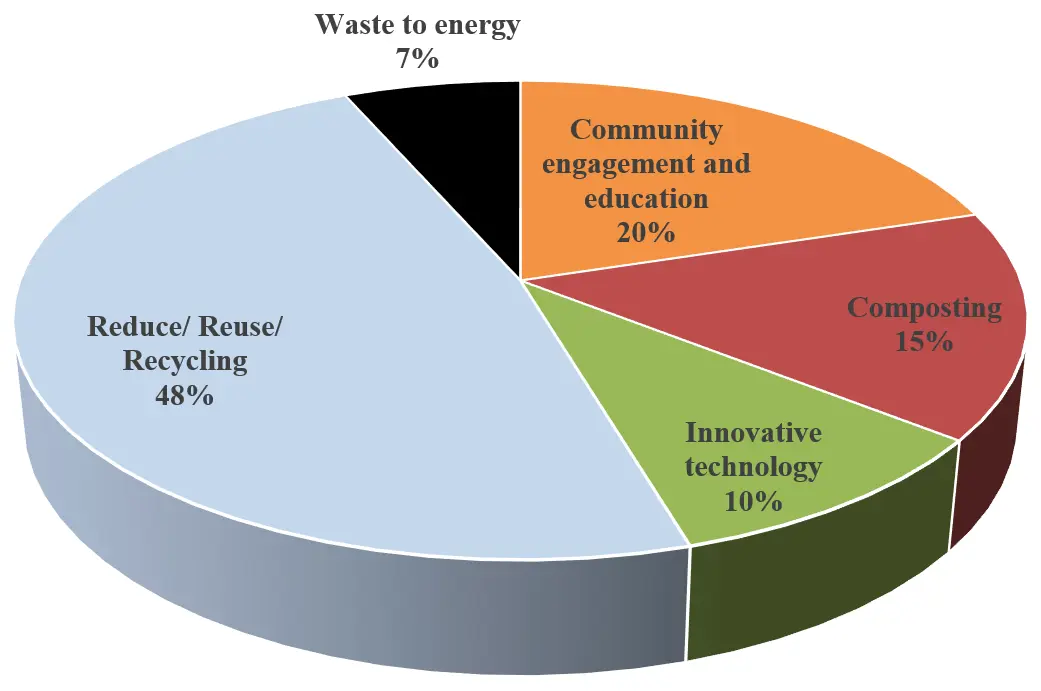
Figure 1. Practices/activities that could mitigate perceived climate change-related challenges. Source: Authors’ construct.
5. Concluding Remarks
This study offers empirical insights into community perceptions of climate change and locally adopted mitigation strategies, drawing on evidence from Dakodwom, Ghana. Based on the findings and discussions, several conclusions are made. First, residents of Dakodwom demonstrate substantial awareness of climate change and largely attribute its causes to human activities such as burning, deforestation, and vehicle and industrial emissions. The study further concludes that the significant determinants of perceived climate change include employment status and human activities such as burning, agricultural activities, and industrial emissions. Additionally, practices with potential to mitigate climate-related challenges include the 3Rs (reduce, reuse, and recycle), community engagement and education, composting, innovative technologies in waste management, and waste-to-energy initiatives. Overall, the findings underscore the importance of enhancing climate change awareness and promoting sustainable practices appropriate to the community’s socioeconomic context. Community perceptions play a crucial role in determining the effectiveness of local climate mitigation strategies and must be incorporated into environmental assessments and policy formulation. Well-known mitigation strategies tend to achieve higher engagement and compliance, whereas lesser-known interventions, particularly those involving novel technologies or complex systems, depend on targeted outreach to address adoption challenges. Integrating community perceptions into evaluation frameworks can help policymakers anticipate behavioral responses, social acceptance, and potential implementation barriers, thereby improving the reliability of anticipated environmental outcomes. It is important to acknowledge that these factors are connected and change over time, and a detailed study of each would require more data than this study can provide. Our findings therefore provide a broad view of how the community perceives climate change, rather than a detailed analysis of each factor.
Based on the findings, the following are suggested for policy consideration. First, there is a need to strengthen community-centered climate education and awareness programs. Given that perceptions of climate change are strongly influenced by awareness of human activities such as burning and industrial emissions, targeted education campaigns should be intensified. Local authorities, NGOs, and schools should implement sustained climate education programs that explain the impacts of burning, deforestation, and emission-producing activities, while promoting environmentally responsible behaviors. Strengthening public understanding will reinforce adaptive capacity. Second, there is a need to invest in integrated, innovative waste-management systems. Since practices such as recycling, reuse, composting, and waste-to-energy initiatives have emerged as practical mitigation strategies, municipal authorities should invest in modern waste management infrastructure. This includes establishing community composting centers, expanding recycling hubs, and piloting innovative waste to energy technologies. Such interventions will help reduce burning, which is one of the most commonly perceived drivers of climate change, and minimize landfill emissions that contribute to local warming. Furthermore, authorities need to promote green infrastructure and ecosystem restoration in urban and peri-urban areas. The community’s strong perception of increased temperature, wind activity, and extreme weather events suggests that there is a need for enhanced green infrastructure. Local authorities need to prioritize tree planting, urban greening programs, reforestation in degraded areas, and environmentally sustainable agricultural practices. These measures can moderate local microclimates, reduce heat stress, stabilize wind patterns, and enhance resilience to extreme weather events. Last but not least, policymakers need to develop employment-linked climate adaptation and sustainability initiatives. This stems from the result indicating that employment status significantly influences perceived climate change. This suggests that workplaces could serve as important channels for awareness and behavioral change. As a result, government agencies as well as private-sector employers should integrate climate adaptation practices into workplace policies. This may include training programs on sustainable production, workplace recycling systems, and incentives for green innovations. Connecting environmental initiatives to employment settings has the potential to reinforce climate-responsive behavior among economically active residents. The results derived from the chi-square analyses and the logistic regression model reveal a statistically significant association between perceived climate change, its indicators, trends, and perceived causes. However, these findings should not be interpreted as evidence of causal relationships. Both the chi-square tests and the logistic regression rely on observational data and are intended to identify associations rather than establish cause-and-effect links. Therefore, while certain variables such as perception on human activities, employment status, and industrial emission sources are significantly linked to respondents’ perceptions of climate change, it cannot be asserted that these variables directly cause such perceptions. Additional unmeasured factors, such as prior knowledge, access to information, and local environmental experiences, may also affect respondents’ perceptions of climate change. This study focused on community perceptions of climate change, reflecting respondents’ beliefs and observations rather than instrument-measured climate data. While these perceptions may not fully match empirical climate records, they provide valuable insight into how local communities recognize environmental changes and respond to them. Understanding perceived climate change is therefore essential for developing effective awareness campaigns, adaptation strategies, and community-level mitigation practices. Caution should be exercised when generalizing these findings beyond the study area, as they are based on the perceptions of residents in the Dakodwom community and may not represent other communities. Future research integrating both community perceptions and empirical climate data would provide a more comprehensive understanding of local climate dynamics.
Acknowledgments
The authors are grateful to the Kumasi Metropolitan Assembly (KMA) and Bloomberg Philanthropies for the financial support towards this study.
Author Contributions
Conceptualization, J.A.-L., S.T.B. and C.M.A.; methodology, J.A.-L., S.T.B. and C.M.A.; software, J.A.-L., S.T.B. and C.M.A.; validation, J.A.-L., S.T.B. and C.M.A.; formal analysis, J.A.-L., S.T.B., C.M.A. and M.O.M.; investigation, J.A.-L., S.T.B., C.M.A. and M.O.M.; resources, J.A.-L., S.T.B., C.M.A. and M.O.M.; data curation, J.A.-L., S.T.B., C.M.A. and M.O.M.; writing—original draft preparation, J.A.-L., S.T.B., C.M.A. and M.O.M.; writing—review and editing, J.A.-L., S.T.B., C.M.A. and M.O.M.; visualization, J.A.-L., S.T.B. and C.M.A.; supervision, S.T.B.; project administration, J.A.-L. and S.T.B.; funding acquisition, J.A.-L. All authors have read and agreed to the published version of the manuscript.
Ethics Statement
Prior to administering the questionnaire, formal approval was obtained from the Kumasi Metropolitan Assembly (KMA) on 14 May 2025. This approval facilitated a meeting between the research team, led by a KMA official, and the local chiefs to explain the purpose of the study. Participation in the study was entirely voluntary, with respondents retaining the right to withdraw at any time. Confidentiality was strictly maintained, and anonymity was ensured by not collecting any identifying information, such as names, house numbers, telephone numbers, or other personal details. As a result, no data capable of revealing respondents’ identities was included in the analysis or reported in the study.
Informed Consent Statement
Informed consent was obtained from all subjects involved in the study.
Data Availability Statement
The data that support the results of this study are available from the corresponding author on request.
Funding
This study did not receive any funding.
Declaration of Competing Interest
The authors declare that they have no known competing financial interests or personal relationships that could have appeared to influence the work reported in this paper.
References
-
Pachauri RK, Reisinger A. Climate Change 2007: Synthesis Report. Contribution of Working Groups I, II and III to the Fourth Assessment Report of the Intergovernmental Panel on Climate Change (IPCC). Available online: https://www.ipcc.ch/site/assets/uploads/2018/02/ar4_syr_full_report.pdf (accessed on 20 November 2025).
-
Tesfahunegn GB, Mekonen K, Tekle A. Farmers’ perception on causes, indicators and determinants of climate change in northern Ethiopia: Implication for developing adaptation strategies. Appl. Geogr. 2016, 73, 1–12. DOI:10.1016/j.apgeog.2016.05.009 [Google Scholar]
-
Pielke RA, Jr. What is climate change? Energy Environ. 2004, 15, 515–520. DOI:10.1260/0958305041494576 [Google Scholar]
-
Weber EU. What shapes perceptions of climate change? Wiley Interdiscip. Rev. Clim. Change 2010, 1, 332–342. DOI:10.1002/wcc.41 [Google Scholar]
-
Laukkonen J, Blanco PK, Lenhart J, Keiner M, Cavric B, Kinuthia-Njenga C. Combining climate change adaptation and mitigation measures at the local level. Habitat Int. 2009, 33, 287–292. DOI:10.1016/j.habitatint.2008.10.003 [Google Scholar]
-
Bizikova L, Robinson J, Cohen S. Linking climate change and sustainable development at the local level. Clim. Policy 2011, 7, 271–277. DOI:10.1080/14693062.2007.9685655 [Google Scholar]
-
VijayaVenkataRaman S, Iniyan S, Goic R. A review of climate change, mitigation and adaptation. Renew. Sustain. Energy Rev. 2012, 16, 878–897. DOI:10.1016/j.rser.2011.09.009 [Google Scholar]
-
Nita A, Zamorano M, Caro-González AL, Rozylowicz L. Driving climate action: Brokers as catalysts in EU policy networks. Appl. Netw. Sci. 2025, 10, 41. DOI:10.1007/s41109-025-00732-9 [Google Scholar]
-
Nita A, Zamorano M, Rozylowicz L. Exploring legal frameworks for climate action: A network analysis of Green Deal, EU Directives, and environmental assessment indicators. J. Phys. Conf. Ser. 2025, 3140, 162005. DOI:10.1088/1742-6596/3140/16/162005 [Google Scholar]
-
Intergovernmental Panel on Climate Change (IPCC). Sixth Assessment Report. 2023. Available online: https://www.ipcc.ch/report/ar6/syr/ (accessed on 20 November 2025).
-
Owen G. What makes climate change adaptation effective? A systematic review of the literature. Glob. Environ. Change 2020, 62, 102071. DOI:10.1016/j.gloenvcha.2020.102071 [Google Scholar]
-
Wu Z, Zhang H, Krause CM, Cobb NS. Climate change and human activities: A case study in Xinjiang, China. Clim. Change 2010, 99, 457–472. DOI:10.1007/s10584-009-9760-6 [Google Scholar]
-
Trenberth KE. Climate change caused by human activities is happening and it already has major consequences. J. Energy Nat. Resour. Law 2018, 36, 463–481. DOI:10.1080/02646811.2018.1450895 [Google Scholar]
-
Ackerman F. Waste management and climate change. Local Environ. 2000, 5, 223–229. DOI:10.1080/13549830050009373 [Google Scholar]
-
Fakana ST. Causes of climate change. Glob. J. Sci. Front. Res. 2020, 20, 7–12. Available online: https://www.researchgate.net/profile/Selemon-Fakana/publication/342452772_Causes_of_Climate_Change_Review_Article/links/5ef4ff3092851c52d6fdb650/Causes-of-Climate-Change-Review-Article.pdf (accessed on 22 November 2025).
-
Stern DI, Kaufmann RK. Anthropogenic and natural causes of climate change. Clim. Change 2014, 122, 257–269. DOI:10.1007/s10584-013-1007-x [Google Scholar]
-
Adams I, Ghosh S, Runeson G, Shah M. Local perceptions and scientific knowledge of climate change: Perspectives of informal dwellers and institutions in Accra, Ghana. Sustainability 2022, 14, 5080. DOI:10.3390/su14095080 [Google Scholar]
-
Bast JL. Seven Theories of Climate Change; Heartland Institute: Arlington Heights, IL, USA, 2010. [Google Scholar]
-
Ustaoglu E, Aydinoglu AÇ. Theory, data, and methods: A review of models of land-use change. In Handbook of Research on Digital Research Methods and Architectural Tools in Urban Planning and Design; IGI Global Scientific Publishing: Hershey, PA, USA, 2019; pp. 156–202. DOI:10.4018/978-1-5225-9238-9.ch009 [Google Scholar]
-
Sidiropoulos M. Ten Theories of Climate Change. 2023. Available online: https://www.researchgate.net/publication/375161345_TEN_THEORIES_OF_CLIMATE_CHANGE (accessed on 22 November 2025).
-
Adelekan IO, Gbadegesin A. Analysis of the public perception of climate change issues in an indigenous African city. Int. J. Environ. Stud. 2005, 62, 115–124. DOI:10.1080/0020723042000243281 [Google Scholar]
-
Akponikpè PI, Johnston P, Agbossou EK. Farmers’ perception of climate change and adaptation strategies in sub-Saharan West-Africa. In Proceedings of the 2nd International Conference: Climate, Sustainability and Development in Semi-arid Regions, Fortaleza, Brazil, 16–20 August 2010; Volume 1620, No. 2010, p. 134147. [Google Scholar]
-
Kemausuor F, Kamp A, Thomsen ST, Bensah EC, Østergård H. Assessment of biomass residue availability and bioenergy yields in Ghana. Resour. Conserv. Recycl. 2014, 86, 28–37. DOI:10.1016/j.resconrec.2014.01.007 [Google Scholar]
-
Amadou ML, Villamor GB, Attua EM, Traoré SB. Comparing farmers’ perception of climate change and variability with historical climate data in the Upper East Region of Ghana. Ghana J. Geogr. 2015, 7, 47–74. Available online: https://www.ajol.info/index.php/gjg/article/download/126290/115807/0 (accessed on 22 November 2025).
-
Cobbinah PB, Anane GK. Climate change adaptation in rural Ghana: Indigenous perceptions and strategies. Clim. Dev. 2015, 8, 169–178. DOI:10.1080/17565529.2015.1034228 [Google Scholar]
-
Sraku-Lartey M, Buor D, Adjei POW, Foli EG. Perceptions and knowledge on climate change in local communities in the Offinso Municipality, Ghana. Inf. Dev. 2020, 36, 16–35. DOI:10.1177/0266666918811391 [Google Scholar]
-
Asare-Nuamah P, Botchway E. Comparing smallholder farmers’ climate change perception with climate data: The case of Adansi North District of Ghana. Heliyon 2019, 5, e03065. DOI:10.1016/j.heliyon.2019.e03065 [Google Scholar]
-
Simpson NP, Andrews TM, Krönke M, Lennard C, Odoulami RC, Ouweneel B, et al. Climate change literacy in Africa. Nat. Clim. Change 2021, 11, 937–944. DOI:10.1038/s41558-021-01171-x [Google Scholar]
-
Adeboa J, Anang BT. Perceptions and adaptation strategies of smallholder farmers to climate change in Builsa South district of Ghana. Cogent Soc. Sci. 2024, 10, 2358151. DOI:10.1080/23311886.2024.2358151 [Google Scholar]
-
Hosmer DW, Lemeshow S, Jr., Sturdivant RX. Applied Logistic Regression; John Wiley & Sons, Inc: Hoboken, NJ, USA, 2013. [Google Scholar]
-
Baidoo ST, Boateng E, Amponsah M. Understanding the determinants of saving in Ghana: Does financial literacy matter? J. Int. Dev. 2018, 30, 886–903. DOI:10.1002/jid.3377 [Google Scholar]
-
Boucher KM, Slattery ML, Berry TD, Quesenberry C, Anderson K. Statistical methods in epidemiology: A comparison of statistical methods to analyze dose–response and trend analysis in epidemiologic studies. J. Clin. Epidemiol. 1998, 51, 1223–1233. DOI:10.1016/S0895-4356(98)00129-2 [Google Scholar]
-
Halperin M, Blackwelder WC, Verter JI. Estimation of the multivariate logistic risk function: A comparison of the discriminant function and maximum likelihood approaches. J. Chronic Dis. 1971, 24, 125–158. DOI:10.1016/0021-9681(71)90106-8 [Google Scholar]
-
Kingman JFC. Poisson processes. In Encyclopedia of Biostatistics; Wiley: Hoboken, NJ, USA, 2005; Volume 6, pp. 1–3. DOI:10.1002/0470011815.b2a07042 [Google Scholar]
-
McLeod S. Mixed Methods Research Guide with Examples. Simply Psychology. 2024. Available online: https://www.simplypsychology.org/mixed-methods-research.html (accessed on 20 November 2025).
-
Bhardwaj P. Types of sampling in research. J. Pract. Cardiovasc. Sci. 2019, 5, 157. DOI:10.4103/jpcs.jpcs_62_19 [Google Scholar]
-
Etikan I, Musa SA, Alkassim RS. Comparison of convenience sampling and purposive sampling. Am. J. Theor. Appl. Stat. 2016, 5, 1–4. DOI:10.11648/j.ajtas.20160501.11 [Google Scholar]
-
Agresti A. Categorical Data Analysis, 2nd ed.; John Wiley & Sons, Inc: Hoboken, NJ, USA, 2002. [Google Scholar]
-
Henkel RE. Tests of Significance (No. 4); Sage Publications: Newbury Park, CA, USA, 1976. [Google Scholar]
-
Retherford RD, Choe MK. Statistical Models for Causal Analysis; John Wiley & Sons: Hoboken, NJ, USA, 2011. Available online: https://onlinelibrary.wiley.com/doi/book/10.1002/9781118033135 (accessed on 20 November 2025).
-
Tavakol M, Dennick R. Making sense of Cronbach’s alpha. Int. J. Med. Educ. 2011, 2, 53–55. DOI:10.5116/ijme.4dfb.8dfd [Google Scholar]
-
Kutner MH, Nachtsheim CJ, Neter J, Li W. Applied Linear Statistical Models, 5th ed.; McGraw-Hill/Irwin: Columbus, OH, USA, 2005. [Google Scholar]
-
Hair JF, Black WC, Babin BJ, Anderson RE. Multivariate Data Analysis, 8th ed.; Cengage Learning: Boston, MA, USA, 2019. [Google Scholar]
-
Mensah JT, Adu G. An empirical analysis of household energy choice in Ghana. Renew. Sustain. Energy Rev. 2015, 51, 1402–1411. DOI:10.1016/j.rser.2015.07.050 [Google Scholar]
-
United Nations Development Programme (UNDP). Environment and Climate Change in Ghana: Policy Brief. 2021. Availbale online: https://www.undp.org/sites/g/files/zskgke326/files/migration/gh/e579ff4c8c129655c9f072d935069db49b04837ad192810ad872caa27658a36b.pdf (accessed on 20 November 2025). [Google Scholar]
-
Yaro JA, Hesselberg J. (Eds.). Adaptation to Climate Change and Variability in Rural West Africa; Springer International Publishing: Cham, Switzerland, 2016; p. 244. DOI:10.1007/978-3-319-31499-0 [Google Scholar]
-
Antwi-Agyei P, Dougill AJ, Stringer LC. Barriers to climate change adaptation: Evidence from northeast Ghana in the context of a systematic literature review. Clim. Dev. 2014, 7, 297–309. DOI:10.1080/17565529.2014.951013 [Google Scholar]
-
Tambo JA, Abdoulaye T. Smallholder farmers’ perceptions of and adaptations to climate change in the Nigerian savanna. Reg. Environ. Change 2013, 13, 375–388. DOI:10.1007/s10113-012-0351-0 [Google Scholar]
-
Iddrisu A, Seini IY, Asare W. Trend Analysis of Rainfall, Temperature and Relative Humidity Using Non-Parametric Tests in the Tamale Metropolis of Northern Ghana. J. Environ. Prot. 2025, 16, 627–645. DOI:10.4236/jep.2025.166032 [Google Scholar]
-
Codjoe SNA, Owusu G, Burkett V. Perception, experience, and indigenous knowledge of climate change and variability: The case of Accra, a sub-Saharan African city. Reg. Environ. Change 2013, 14, 369–383. DOI:10.1007/s10113-013-0500-0 [Google Scholar]
-
Shrestha R, Kadel R, Shakya S, Nyachhyon N, Mishra BK. Awareness and Understanding of Climate Change for Environmental Sustainability Using a Mix-Method Approach: A Study in the Kathmandu Valley. Sustainability 2025, 17, 2819. DOI:10.3390/su17072819 [Google Scholar]
-
Whitmarsh L. Scepticism and uncertainty about climate change: Dimensions, determinants and change over time. Glob. Environ. Change 2011, 21, 690–700. DOI:10.1016/j.gloenvcha.2011.01.016 [Google Scholar]
-
Leiserowitz A, Maibach E, Rosenthal S, Kotcher J, Bergquist P, Ballew M, et al. Climate Change in the American Mind: April 2021; Yale Program on Climate Change Communication; Yale University and George Mason University: New Haven, CT, USA; George Mason, VA, USA, 2021. [Google Scholar]
-
McCright AM, Dunlap RE. Cool dudes: The denial of climate change among conservative white males in the United States. Glob. Environ. Change 2011, 21, 1163–1172. DOI:10.1016/j.gloenvcha.2011.06.003 [Google Scholar]
-
Lee TM, Markowitz EM, Howe PD, Ko C-Y, Leiserowitz AA. Predictors of public climate change awareness around the world. Nat. Clim. Change 2015, 5, 1014–1020. DOI:10.1038/nclimate2728 [Google Scholar]
-
Kahan DM, Peters E, Wittlin M, Slovic P, Ouellette LL, Braman D, et al. The polarizing impact of science literacy and numeracy on perceived climate change risks. Nat. Clim. Change 2012, 2, 732–735. DOI:10.1038/nclimate1547 [Google Scholar]
-
Hornsey MJ, Harris EA, Bain PG, Fielding KS. Meta-analyses of the determinants and outcomes of belief in climate change. Nat. Clim. Change 2016, 6, 622–626. DOI:10.1038/nclimate2943 [Google Scholar]
-
Truelove HB, Carrico AR, Weber EU, Raimi KT, Vandenbergh MP. Positive and negative spillover of pro-environmental behavior: An integrative review and theoretical framework. Glob. Environ. Change 2014, 29, 127–138. DOI:10.1016/j.gloenvcha.2014.09.004 [Google Scholar]
-
Franzen A, Vogl D. Two decades of measuring environmental attitudes: A comparative analysis of 33 countries. Glob. Environ. Change 2013, 23, 1001–1008. DOI:10.1016/j.gloenvcha.2013.03.009 [Google Scholar]
-
Wilson DC, Paul J, Ramola A, Filho CS. Unlocking the significant worldwide potential of better waste and resource management for climate mitigation: With particular focus on the Global South. Waste Manag. Res. 2024, 42, 860–872. DOI:10.1177/0734242X241262717 [Google Scholar]
-
Asare-Lah J, Baidoo ST, Asiedu CM, Atuga RA, Gyamfua J, Owoahene C. Linking waste management practices and climate change perception in Ghana: Empirical insight from Moshie Zongo. Sustain. Soc. Dev. 2025, 3, 3379. DOI:10.54517/ssd3379 [Google Scholar]
-
Tahiru AW, Cobbina SJ, Asare W, Takal SU. Unlocking energy from waste: A comprehensive analysis of municipal solid waste recovery potential in Ghana. World 2024, 5, 192–218. DOI:10.3390/world5020011 [Google Scholar]