Deadline for manuscript submissions: 01 March 2026.

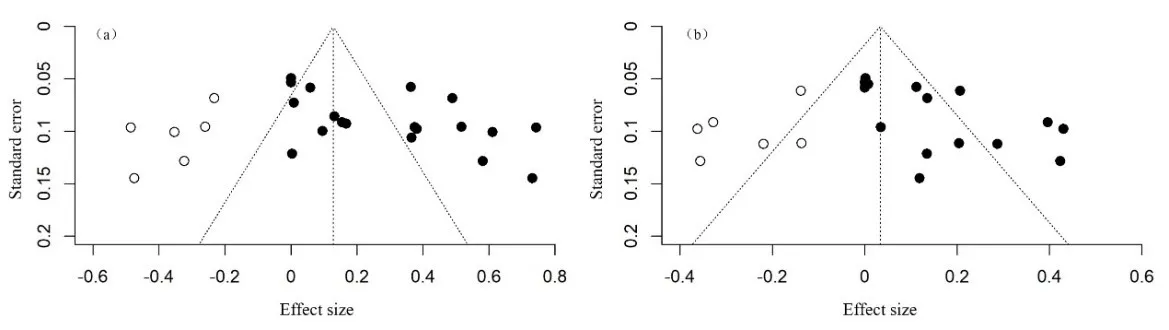
This original paper, within the context of grassland ecological protection subsidies and reward policies, draws on 27 empirical studies conducted between 2011 and 2024 to conduct a meta-analysis of the factors influencing Chinese herdsmen’s incomes concerning heterogeneity and its sources. The results reveal 16 variables that have a significant positive impact on herdsmen’s incomes. These include herdsmen’s gender, age, ethnicity, level of education, household size, labor force, membership in cooperatives, subsidy amount, livestock quantity, living and production expenses, fixed assets, grassland area, per capita grassland area, grassland quality, and location. Among them, the quantity of livestock shows the greatest effect. Significant heterogeneity is evident across six variables: Subsidy amount, livestock quantity, grassland area, labor force, production expenses, and per capita grassland area. The heterogeneity in subsidy amount and grassland area originates from the use of different statistical methods, while the heterogeneity in livestock quantity is attributable to differences in the type of literature; per capita, grassland area heterogeneity is caused by differences in the geographical regions under analysis.
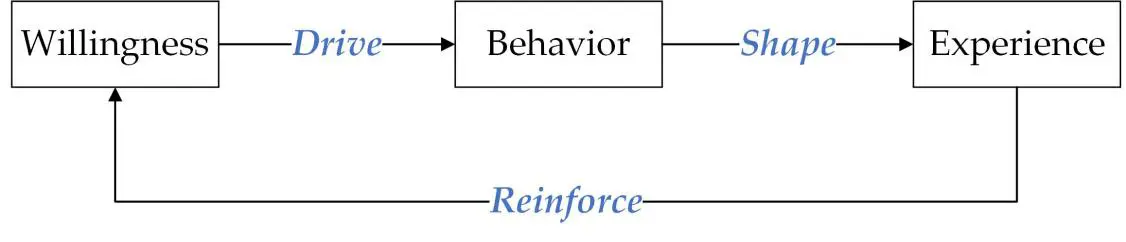
Against the backdrop of homogeneous mass tourism, reverse tourism, as a trend where tourists avoid popular destinations and pursue niche experiences, is reshaping the paradigm of rural tourism development. This paper systematically analyzes the connotation, framework, and feasibility of reverse tourism using comparative analysis, model derivation, and practical verification. The study reveals that reverse tourism is characterized by three key dimensions: reflection on the essence of tourism, aberration in tourist behavior, and distinction in tourist experience, forming a dynamic cycle mechanism of “willingness-behavior-experience”. Additionally, centering on tourists is crucial for constructing the analytical framework, classifying visitors based on their travel participation history, and creating a role transition matrix, which helps uncover the endogenous driving forces of tourist behavior. Furthermore, evolving tourist demands, improvements in rural public services, and the successful replication of “small yet beautiful” models have created favorable conditions for implementing reverse tourism in rural areas. Finally, the virtuous cycle of “protection-development-benefit” formed by supply-demand coupling provides a systematic solution for rural revitalization that balances ecology, culture, and economy. This paper systematically expounds the theoretical logic, mechanism, and practical path of reverse tourism as a new paradigm for rural tourism transformation, offering research conclusions with both theoretical innovation and practical guidance for promoting rural sustainable development.