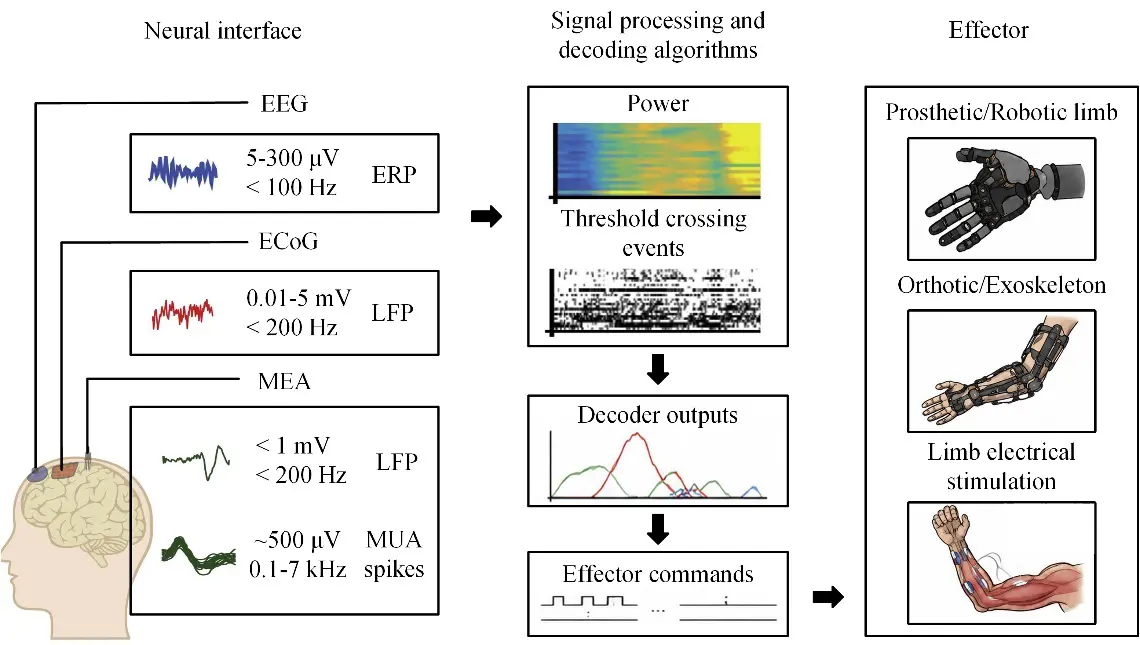
Bidirectional neural interaction pathways play a critical role in determining the performance of intelligent upper-limb prostheses. Specifically, the nervous system should be able to control prosthetic movements according to the user’s intention, while the operating state of the prosthesis should be conveyed back to the user through sensory feedback interfaces, thereby establishing a bidirectional interface between the prosthesis and the human nervous system. This paper introduces the major approaches for neural motor control, including brain–computer interfaces and myoelectric interfaces, discusses stimulation modalities and sensory mapping strategies for sensory feedback, and analyzes future directions for bidirectional sensorimotor interfaces in upper-limb prostheses.
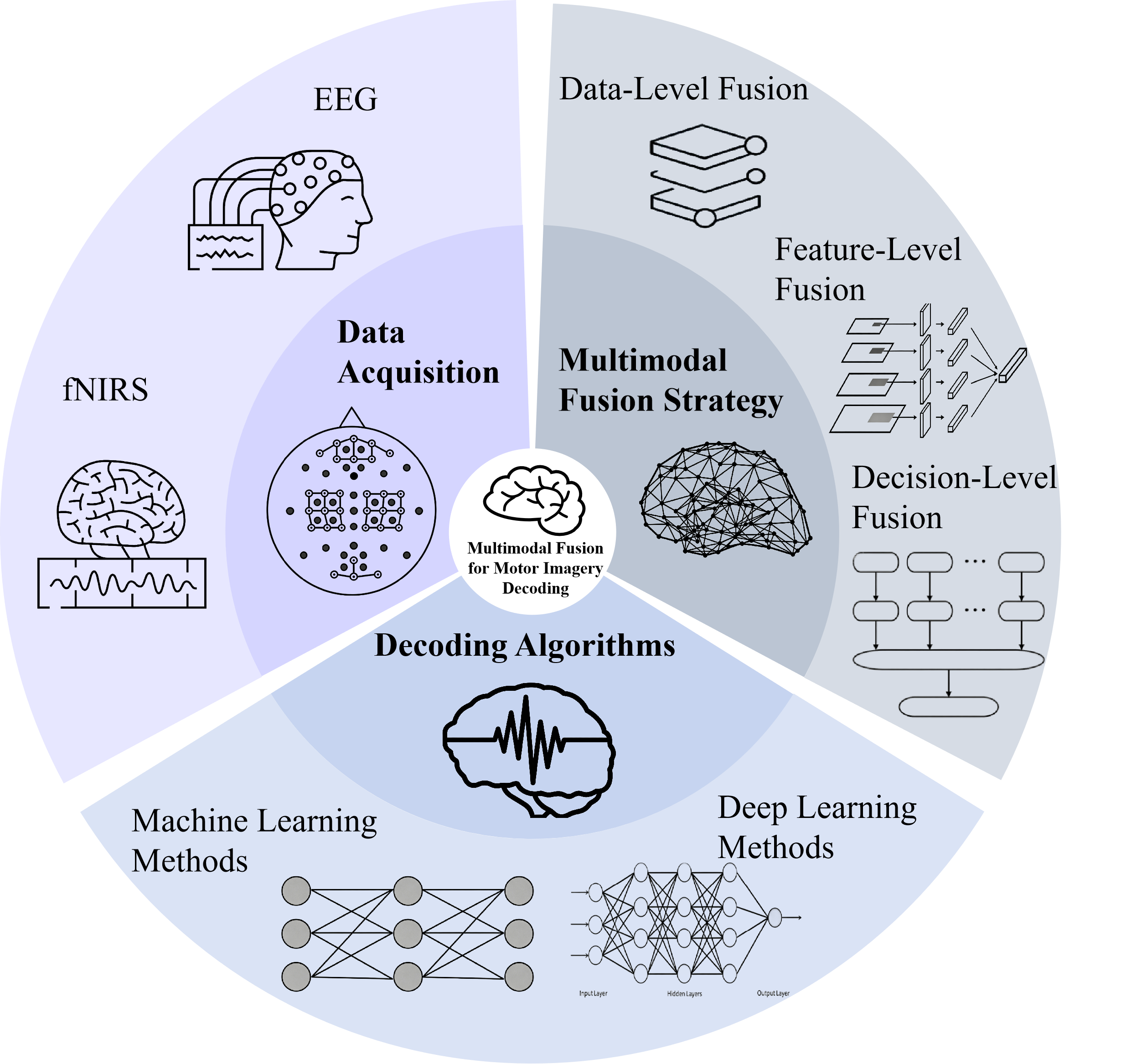
Motor imagery-based brain-computer interface (MI-BCI) decodes subjective motor intentions to achieve proactive output control of external devices, representing a core research direction in BCI with important applications in post-stroke motor rehabilitation. Neural signals for motor imagery can be recorded using electroencephalography (EEG) and functional near-infrared spectroscopy (fNIRS). Combining the high temporal resolution of EEG with the high spatial resolution of fNIRS through multimodal fusion enhances the decoding accuracy of motor imagery commands and provides comprehensive insights into brain dynamics. This paper systematically reviews EEG-fNIRS multimodal fusion strategies and representative algorithms from traditional machine learning (ML) and deep learning (DL) for decoding fused data. We also discuss current challenges and potential solutions to facilitate MI-BCI research and support future BCI-related industries.
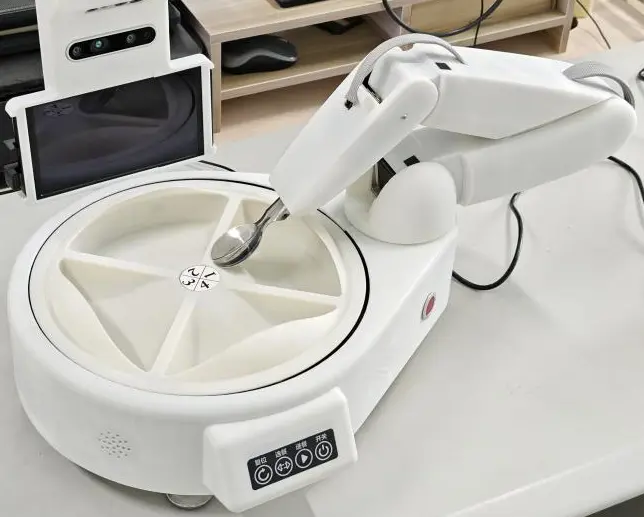
To address the growing demand for assisted feeding in aging societies, our team developed an intelligent feeding robot named “Xiao Xi”. This robot integrates multimodal interaction (voice control, handheld button, foot pedal, and mechanical button), deep learning-based food recognition and mouth positioning, and a novel spoon-chopstick integrated mechanism capable of handling both solid and semi-solid foods. To systematically evaluate its clinical value, we enrolled 40 healthy elderly participants in a randomized crossover trial, comparing a robot-assisted feeding session (RFS) with a human-assisted feeding session (HFS). Outcome measures included food intake percentage, successful feeding percentage, average feeding duration, QUEST 2.0 satisfaction score, and safety outcomes. RFS showed a lower food intake percentage than HFS (adjusted mean difference = −33.90%, 95% CI: −35.57 to −32.23, p < 0.001) and required a longer average feeding duration (adjusted mean difference = 2.78 s, 95% CI: 2.35 to 3.21, p < 0.001). No significant differences were observed in the successful feeding percentage or QUEST 2.0 satisfaction score. No adverse events occurred during either feeding condition. These findings suggest that “Xiao Xi” is safe and acceptable for healthy elderly users, but its feeding efficiency remains lower than HFS. Further optimization and validation in elderly individuals with real feeding assistance needs are required.
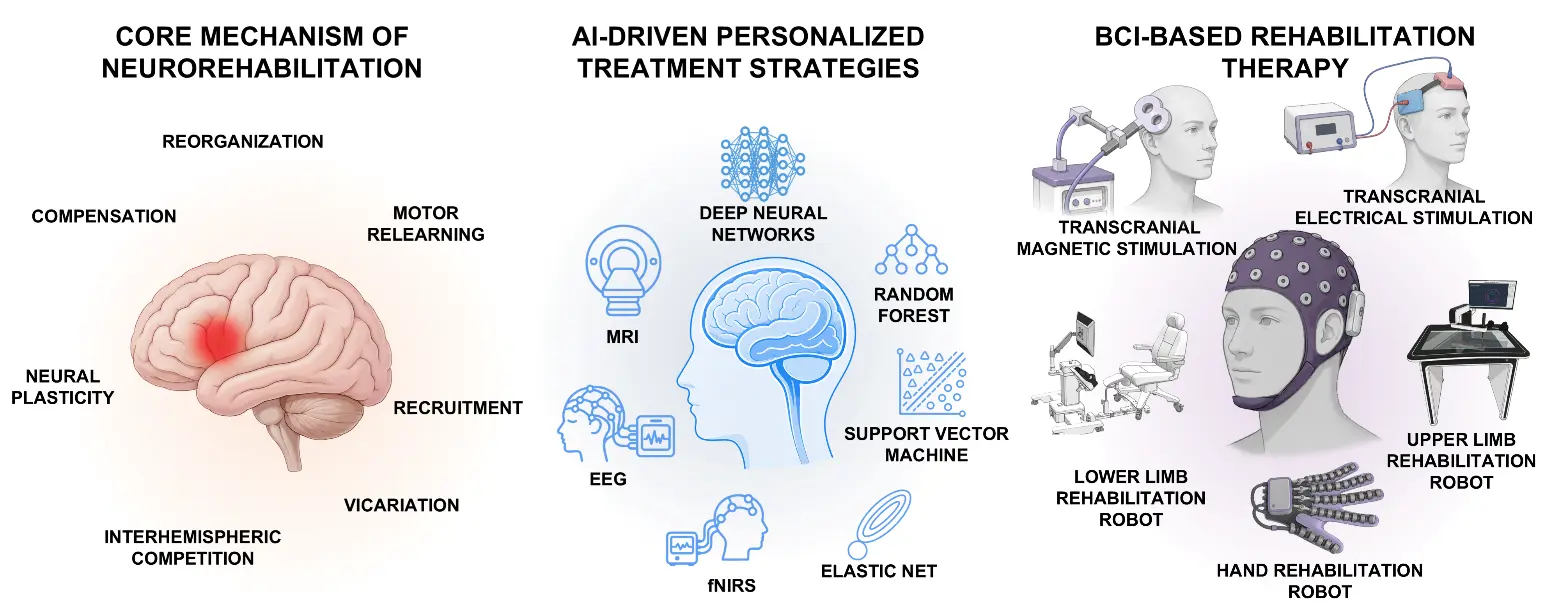
Given the large global population of stroke survivors and limited rehabilitation resources, efficient treatments are urgently needed to help patients regain independence and reintegrate into society. In this review, we discuss how artificial intelligence and neurotechnology can be used to accelerate neurorehabilitation after stroke. First, we introduce neurorehabilitation mechanisms that provide the basis for neurotechnology development. Next, we describe how neurophysiological and neuroimaging biomarkers can be used for multimodal assessment and prognostic prediction. We then provide examples of brain-computer interface (BCI)-driven rehabilitation robots and BCI-triggered transcranial and peripheral neuromodulation for closed-loop rehabilitation training.
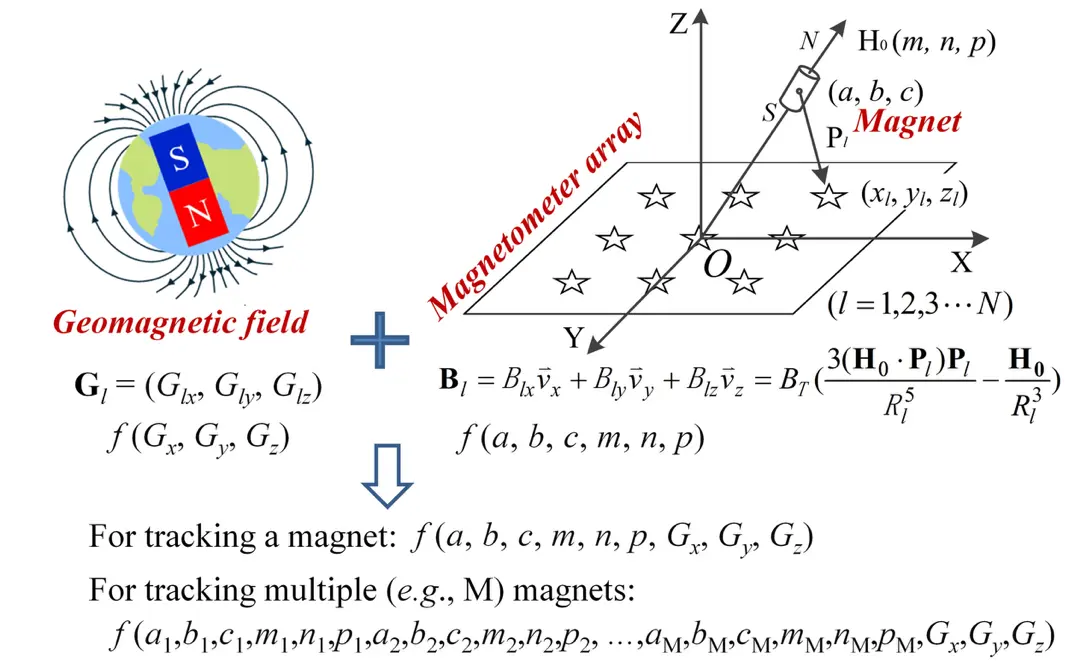
Motion tracking plays a crucial role in the quantitative assessment and clinical rehabilitation of motor symptoms. While optical tracking and inertial sensing are mainstream, they are frequently limited by line-of-sight occlusions or data drift. Electromagnetic tracking (EMT) technology offers a powerful complementary solution due to its unique capabilities in full-pose tracking and occlusion-free measurements. To facilitate the integration of this technology into medical settings, this paper presents a structured overview of EMT approaches within rehabilitation applications. We systematically review the field from foundational physics and hardware architectures to advanced algorithmic frameworks. Particular emphasis is placed on recent breakthroughs in interference compensation and data-driven methods that enhance tracking robustness. Furthermore, we categorize representative clinical applications by scenario and target population, ultimately outlining key research trends and open opportunities to guide future development in this expanding domain.
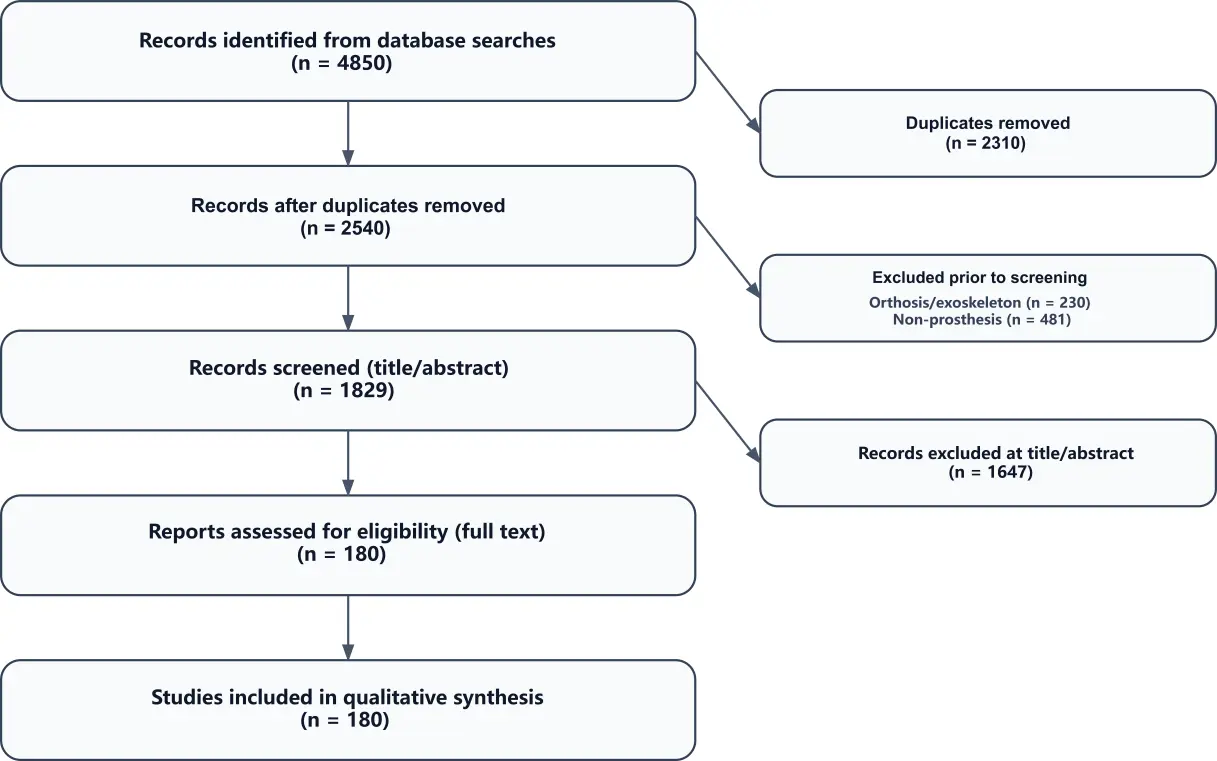
Intelligent lower-limb prostheses are evolving from single-joint assistance toward coordinated, system-level control that supports cross-task adaptation, multimodal intent estimation, and verifiable safety. This systematic review surveys powered, semi-active, microprocessor-controlled, and related intelligent lower-limb prosthesis literature published between 1 January 2021 and 1 January 2026, spanning electromechanical design, sensing and human-machine interfaces, state/phase estimation, intent/terrain recognition, control and learning, evaluation endpoints, and translational considerations. Following a PRISMA-style workflow, 180 full-text reports were included and synthesized into a modular taxonomy covering clinical needs and endpoints; actuation and transmission; sensing and human-machine interfaces; phase/state estimation; intent/terrain recognition; impedance and trajectory control, including model predictive control; personalization with explicit safety constraints; real-world validation; and safety, reliability, and standardization. Emerging patterns include backdrivable low-impedance hardware, multimodal sensing with uncertainty-aware gating, and continuous phase-variable control, although the level of validation remains heterogeneous. Key gaps remain in endpoint consistency, external validity across users and contexts, and failure-mode reporting. We recommend benchmark protocols and system-level validation frameworks to support more reproducible evaluation and future clinical translation.
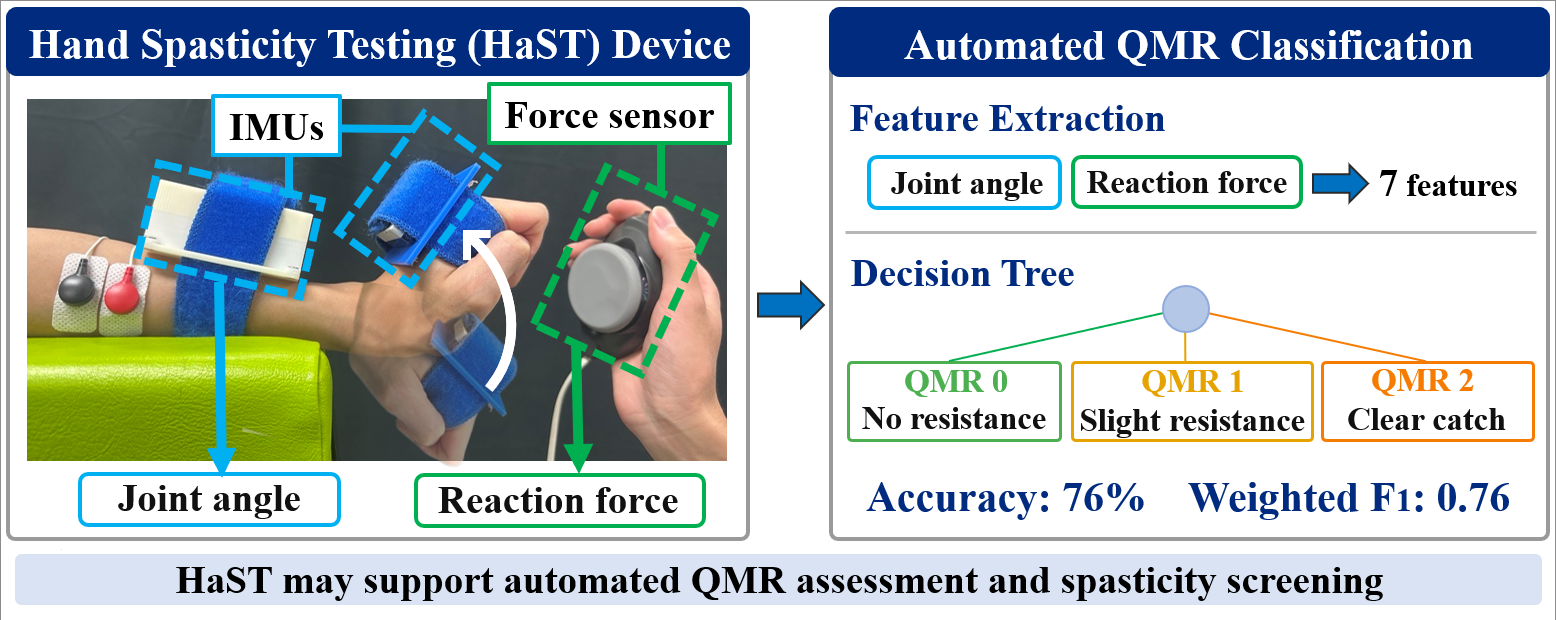
The Modified Tardieu Scale is commonly used to assess spasticity by differentiating between neural and mechanical resistance. However, its manual administration may reduce objectivity and reproducibility. This study aimed to automate the Quality of Muscle Reaction (QMR) assessment in the wrist flexors. To this end, we developed a Hand Spasticity Testing (HaST) device and QMR classification model. The device integrates two inertial measurement units, surface electromyography sensors, and a force sensor to record joint angle, angular velocity, muscle activity, and reaction force during passive wrist extension. A classification model was then constructed using decision trees based on the acquired features, with training and evaluation performed via leave-one-out cross-validation. Using the developed device, 19 participants with upper-limb spasticity were evaluated. Key features, such as the number of local maxima in joint angle, velocity, and reaction force, along with other derived parameters, were extracted and classified to estimate QMR grades (0–2). The proposed method achieved an overall accuracy of 76% and a weighted average F1-score of 0.76. These results demonstrate the feasibility of objective and automated QMR quantification using the HaST device. The proposed system may serve as a preliminary screening and documentation tool to support objective spasticity assessment in clinical settings.
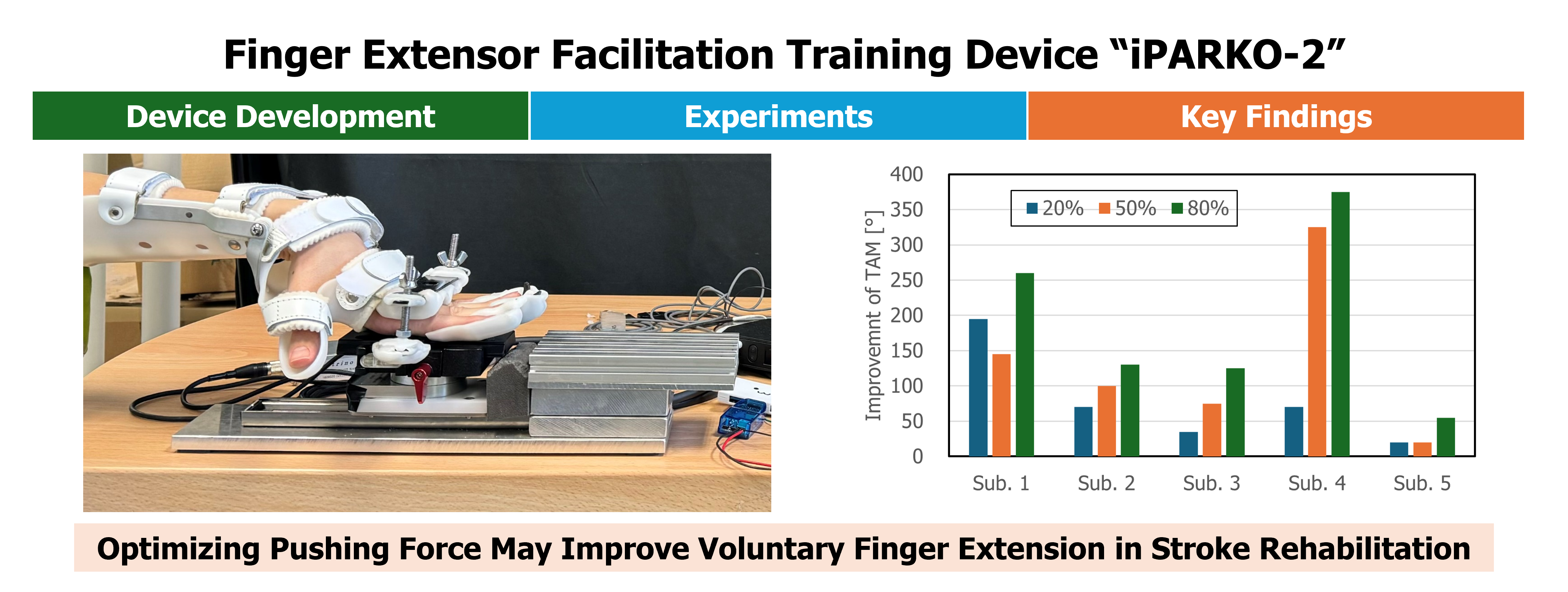
The recovery of hand function in chronic stroke survivors is challenging because of finger complexity and post-stroke spasticity. This study developed iPARKO-2, a novel device that simulates the manual finger extensor facilitation technique while overcoming the limitations of the original device. iPARKO-2 enables the simultaneous fixation of the index through the little fingers and applies resistance from the proximal phalanges, allowing training in patients with strong fingertip spasticity. This study is a pilot study aimed at technical validation and feasibility. Five participants underwent training at three distinct target-pushing force levels. Concurrently, their active range of motion and extensor muscle activity were measured. The results show a direct correlation between the increased pushing force and the improvement in total active motion. Furthermore, the level of muscle activity exhibited a positive correlation with the extent of the observed improvement. iPARKO-2 also reduced the fixation time and enhanced usability. These findings suggest that iPARKO-2 effectively enhances voluntary hand movements and that pushing force is a key factor in determining training efficacy.