Found 565 results
Open Access
Article
29 October 2024Experimental Study on Cold Plasma Jet (CPJ) Assisted Micro-Milling of 30CrMnSiNi2A
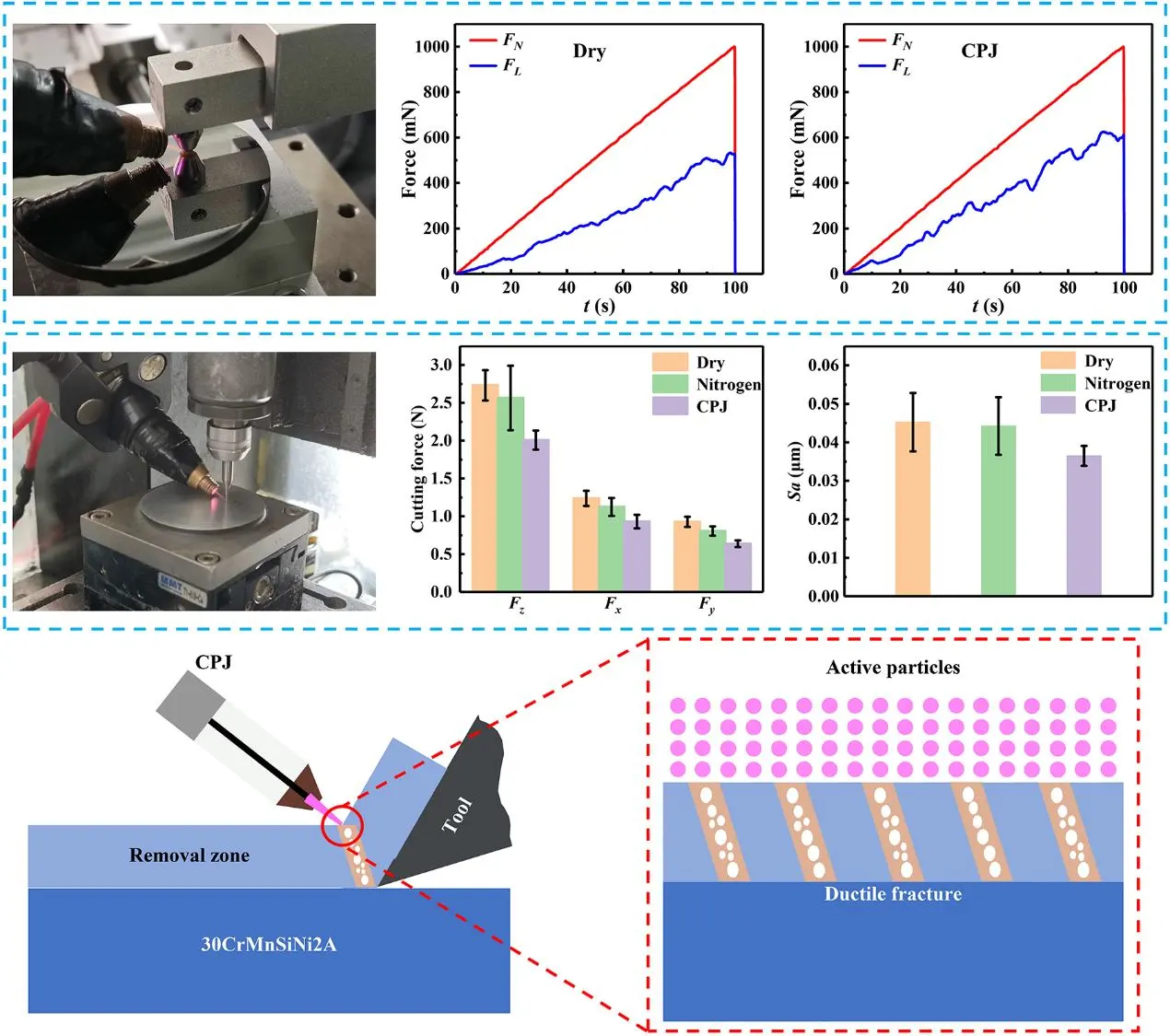
As a typical high-performance alloy, the excellent mechanical properties and stringent processing requirements of 30CrMnSiNi2A high-strength steel pose great challenges to high-quality and efficient processing. Currently, researchers have proposed methods such as improving cutting tool performance, minimal quantity lubrication (MQL), and applying external energy field to assist processing. However, due to the unregulated material properties, the further improvement of surface quality is limited, and there are problems of phase change and thermal damage in laser processing. Cold plasma jet (CPJ) is rich in active particles and has a low macroscopic temperature. It can effectively regulate material properties without causing serious surface damage. Therefore, a new 30CrMnSiNi2A machining approach adopting CPJ is proposed to improve the cutting process. The mechanism of its action on material properties and cutting process is revealed based on single-grain diamond scratching tests and micro-milling tests. The results show that CPJ can promote material fracture and improve material removal efficiency. The material removal efficiency R at 400 mN is increased from 0.433 before treatment to 0.895. Under the optimal processing parameters (feed speed Vf = 800 μm/s, spindle speed n = 40,000 rpm, and milling depth ap = 5 μm), compared with dry micro-milling, the cutting forces Fz, Fx and Fy in CPJ-assisted micro-milling are reduced by 26.5%, 24.8% and 31.3%, respectively. The surface roughness Sa is reduced by 19.3%, and the phenomena of plastic flow and burr are suppressed. The CPJ-assisted machining process proposed in this paper can regulate the material properties to improve the cutting process without causing serious damage to the material, providing a new approach for achieving high-quality and efficient processing of 30CrMnSiNi2A.
Open Access
Article
29 October 2024Postmortem Blood Metal Levels: Establishing Updated Reference Ranges Using ICP-OES
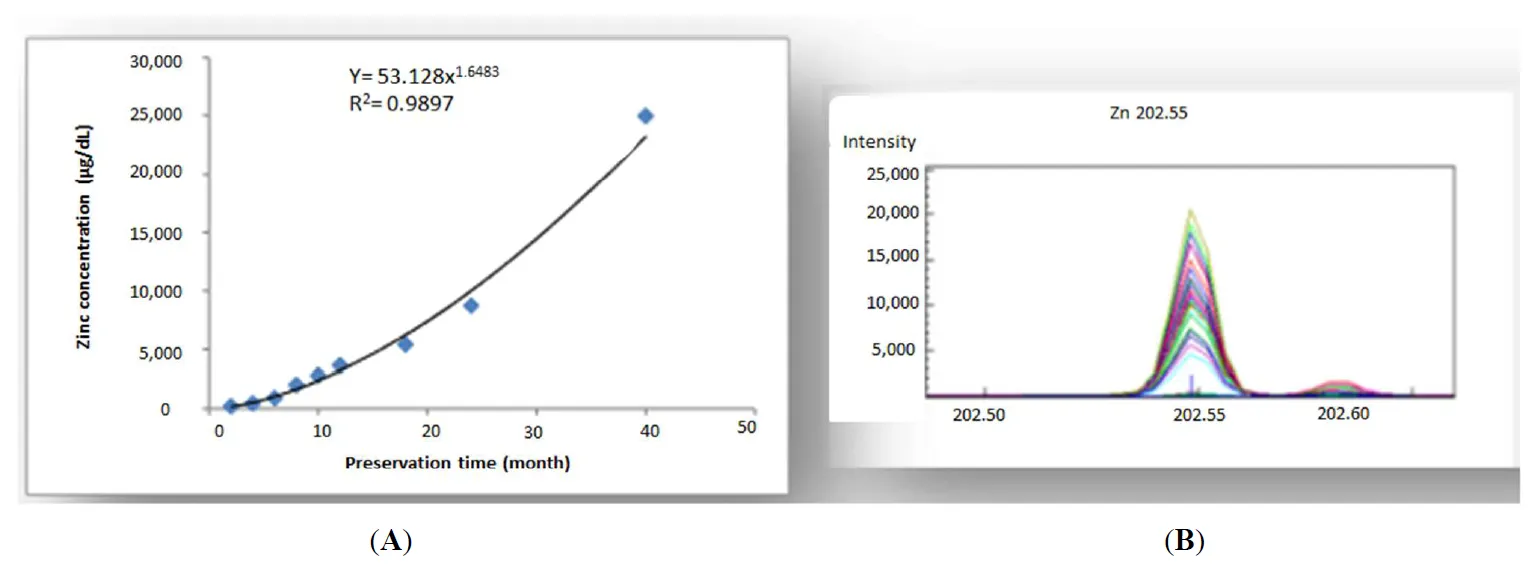
Postmortem testing for metals is crucial in forensic toxicology to determine whether metal exposure contributed to an individual’s death. However, current reference ranges for metal concentrations, primarily based on living individuals, fail to account for postmortem physiological changes. This study addresses this gap by analyzing thelevels of zinc and iron postmortem blood levels over various postmortem intervals (PMI) using Inductively Coupled Plasma Optical Emission Spectroscopy (ICP-OES). Fifty samples were analyzed, revealing a significant increase in metal concentrations over time, with zinc levels rising from 181 μg/dL to 24,935 μg/dL and iron levels from 155 μg/dL to 11,421 μg/dL across a 40-month PMI. These changes are attributed to the redistribution of metals from tissues into the bloodstream and decomposition processes. The study proposes postmortem-specific reference ranges, emphasizing the need for forensic pathologists and toxicologists to consider PMI in their assessments to avoid misinterpretation and inaccurate cause-of-death determinations. This research underscores the necessity of updating reference ranges for postmortem analysis, ultimately improving the accuracy of forensic toxicology reports and contributing to more reliable determinations of cause of death.
Open Access
Article
28 October 2024Challenges and Solutions: China’s Illegal Hunting Crime from the Perspective of Ecological Civilization Development
In recent years, the number of crimes involving illegal hunting in China’s judicial system has steadily increased, giving rise to numerous disputes. The root of these disputes lies in the fact that China’s Criminal Law lags in terms of animal protection legislation, failing to strike a balance between wildlife protection and human rights. This disconnection is particularly evident in the legislation and judicial practice regarding illegal hunting crimes and the value principles of ecological civilization strongly advocated by China. Moreover, China’s legal framework and judicial practices concerning illegal hunting crimes suffer from low thresholds for conviction and a lack of comprehensive investigations into the subjective intentions of offenders. Chinese legislators and judges should consider international experiences in combating illegal hunting crimes, elucidate the right to defend oneself against wildlife in certain dangerous situations, and thoroughly revise legal provisions, including the definition of illegal hunting and related judicial interpretations. Additionally, greater efforts should be made to disseminate public legal knowledge regarding illegal hunting crimes.

Open Access
Review
28 October 2024Acute Exacerbations of Interstitial Lung Disease: Evolving Perspectives on Diagnosis and Management
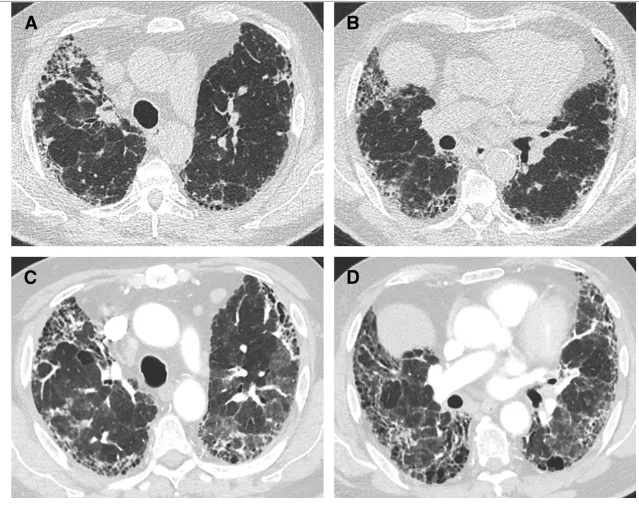
Interstitial lung diseases (ILDs) are a heterogeneous group of chronic lung diseases caused by several potential etiologies but for many, the cause of a given ILD remains unknown. Accurate epidemiologic data are hard to find because of varying definitions, overlapping characteristics once thought to be unique to specific diseases, and ongoing changes in how ILDs are diagnosed and managed. In addition, there are significant variations in prevalence among different geographic populations, likely reflecting a combination of genetic and environmental differences. Certain risk factors, including exposure to cigarette smoke or environmental toxicants (asbestos, silica, fracking, coal dust, and air pollution), genetic mutations, and single nucleotide polymorphisms, have all been associated with developing interstitial lung disease. Due to the availability of high-resolution computed tomography (CT) scans, earlier and broader recognition of subtle imaging changes, and an aging worldwide population, the incidence and prevalence of ILDs are increasing. While a given cause of particular interstitial lung disease may vary, patients often experience breathlessness and a non-productive cough due to impaired alveolar gas exchange. Patients with ILD are prone to the development of acute exacerbations, marked by acute or chronic respiratory failure because of an acute exacerbation of the underlying lung disease. In this review, we discuss the definition of an acute exacerbation and comment on what is known about the underlying pathophysiology in exacerbations of idiopathic pulmonary fibrosis and other ILDs. We also emphasize the similarities in the clinical presentation of the acute exacerbations regardless of the underlying ILD, highlight key prognostic features of the diagnosis, and underscore the importance of interdisciplinary management of acute interstitial lung disease exacerbations.

Open Access
Communication
23 October 2024Modeling Viscosity in Starch-Polymer Suspensions: A Comparative Analysis of Swarm Algorithm-Aided ANN Optimization
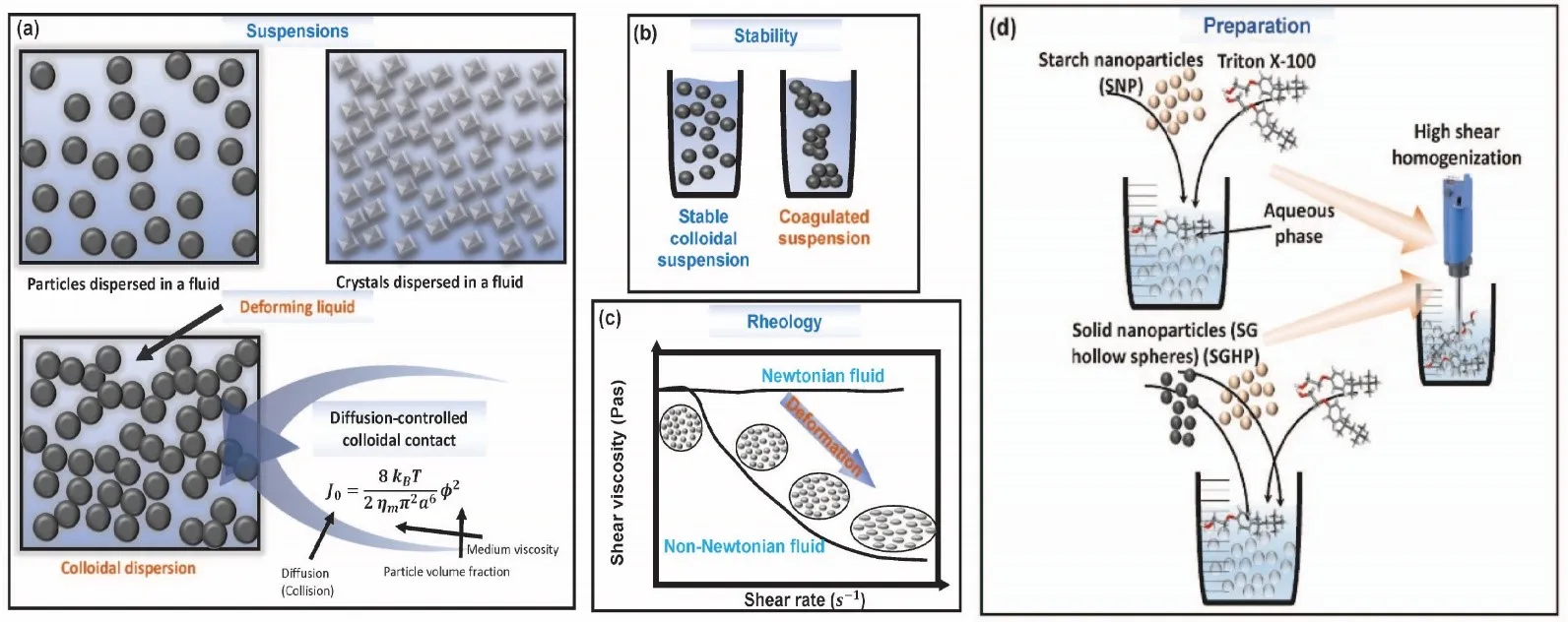
The analysis of rheological properties of suspensions requires the use of models such as Einstein’s formulation for viscosity in dilute conditions, but its effectiveness diminishes in the context of concentrated suspensions. This study investigates the rheology of suspensions containing solid particles in aqueous media thickened with starch nanoparticles (SNP). The goal is to model the viscosity of these mixtures across a range of shear rates and varying amounts of SNP and SG hollow spheres (SGHP). Artificial neural networks (ANN) combined with swarm intelligence algorithms were used for viscosity modeling, utilizing 1104 data points. Key features include SNP proportion, SGHP content, log-transformed shear rate (LogSR), and log-transformed viscosity (LogViscosity) as an output. Three swarm algorithms—AntLion Optimizer (ALO), Particle Swarm Optimizer (PSO), and Dragonfly Algorithm (DA)—were evaluated for optimizing ANN hyperparameters. The ALO algorithm proved most effective, demonstrating strong convergence, exploration, and exploitation. Comparative analysis of ANN models revealed the superior performance of ANN-ALO, with an R2 of 0.9861, mean absolute error (MAE) of 0.1013, root mean absolute error (RMSE) of 0.1356, and mean absolute percentage error (MAPE) of 3.198%. While all models showed high predictive accuracy, the ANN-PSO model had more limitations. These findings enhance understanding of starch suspension rheology, offering potential applications in materials science.
Open Access
Review
23 October 2024The Notch3 Pathway in Organ Fibrosis
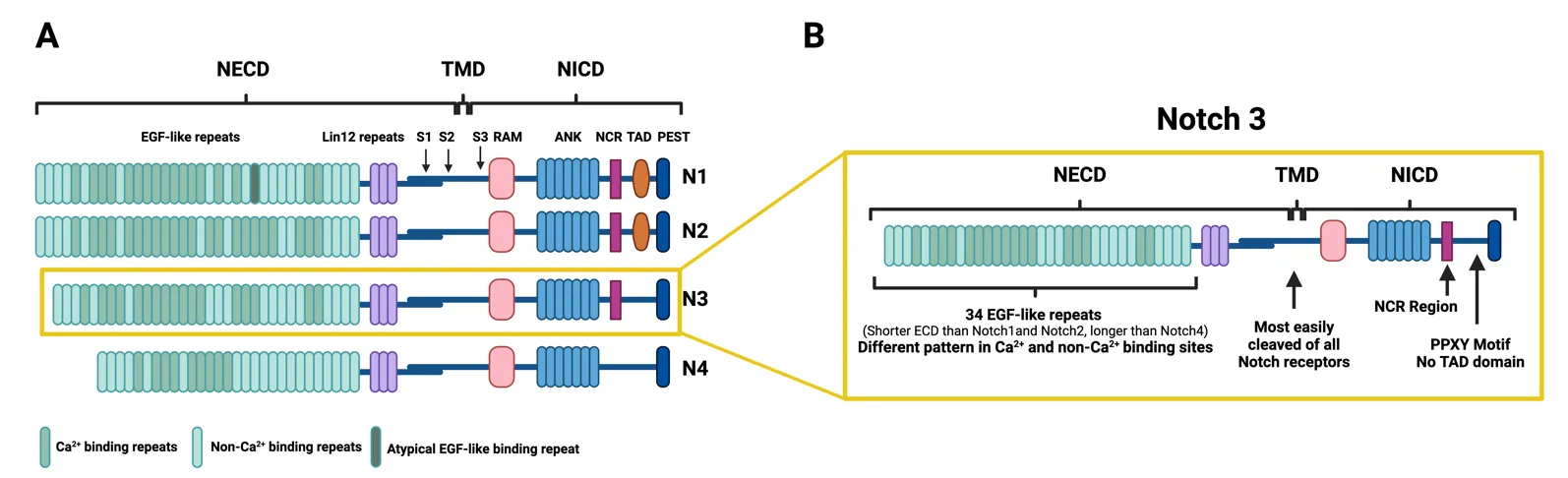
Fibrosis occurs in many organs, including the lung, heart, skin, liver or kidney, and is characterized by progressive tissue scarring in response to repetitive or chronic non-resolving injury, ultimately leading to organ failure and death. It is, in fact, a major cause of morbidity and mortality worldwide, being estimated to account for 45% of deaths in the world. Despite this fact, little progress has been made therapeutically, and fibrosis remains a major clinical and therapeutic challenge. Although significant advances in our understanding of cellular and molecular mechanisms driving tissue fibrosis have been made, the lack of an efficient treatment reflects the limited insight into the pathophysiological mechanisms underlying the initiation and progression of the fibrotic process. Thus, there is an urgent need for better understanding of tissue fibrosis and repair mechanisms that later lead to the development of new therapeutic approaches to fight fibrosis. The Notch pathway is a highly conserved signaling pathway that has been linked to tissue fibrosis in many organs and promises to open new therapeutic opportunities. This manuscript reviews the relevance of Notch signaling in the development and progression of tissue fibrosis in several organs with a special focus on the Notch3 pathway due to the unique features of this receptor.
Open Access
Review
22 October 2024Engineering of Cu-Based Quaternary Sulfide Nanomaterials for Photocatalytic Applications
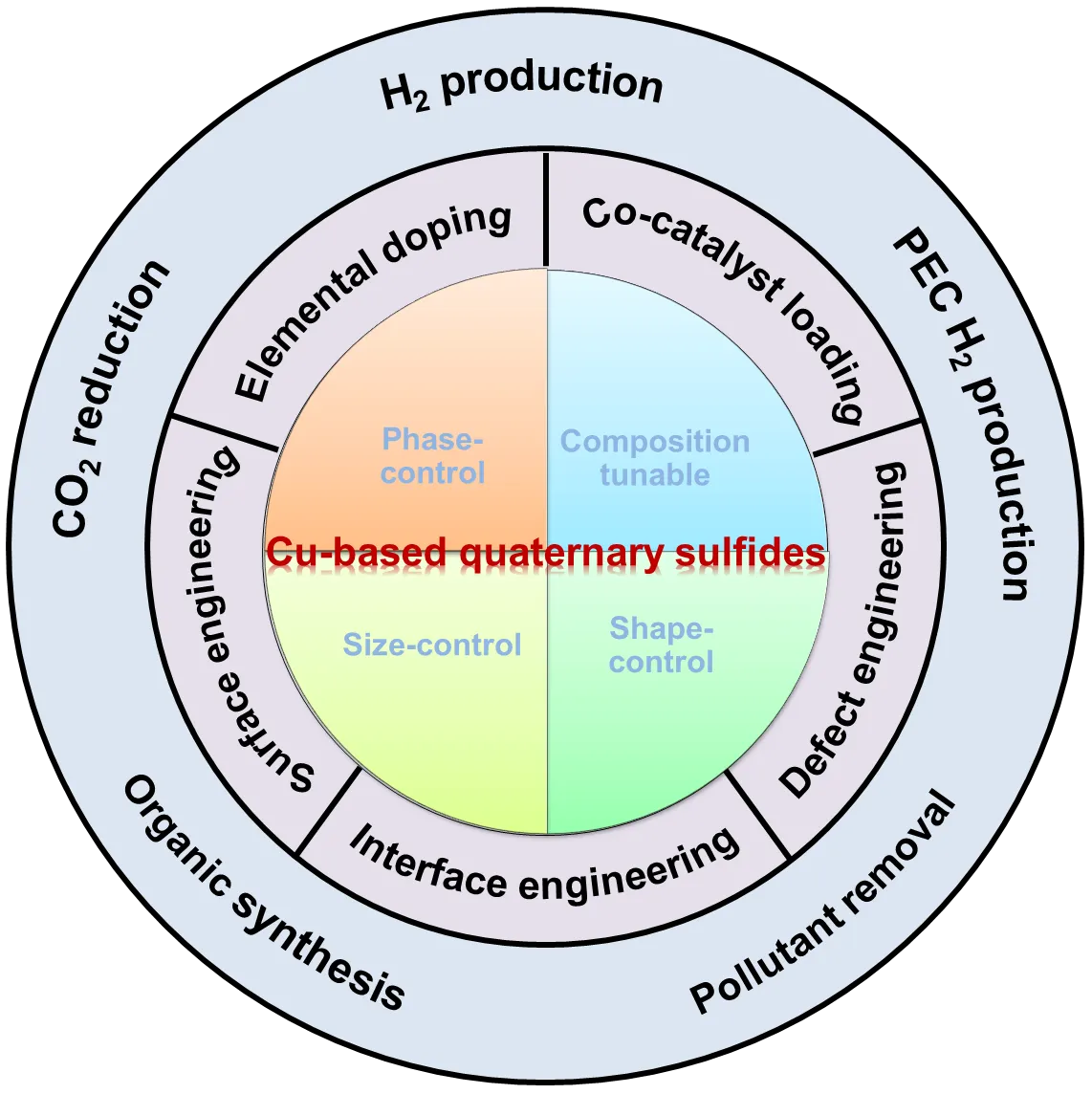
Semiconductor nanomaterials have been widely used as light-responsive photocatalysts for solar-to-fuel conversion over the past decade. However, the wide band gap of the most reported photocatalysts stems from light absorption in the visible region and results in low solar conversion efficiency. Therefore, it is necessary to develop new semiconductor nanomaterials with high absorption coefficients over the visible region as photocatalysts. The most promising candidates include Cu-based quaternary sulfide nanomaterials (CQSNs), such as Cu-II-III-S (e.g., CuZnInS, CuZnGaS), Cu-II-IV-S (e.g., Cu2ZnSnS4, Cu2ZnGeS4), and I-III-IV-S (e.g., CuInSnS4, Cu3GaSnS5). This review provides a comprehensive overview of the recent progress in developing CQSNs for various photocatalytic applications. Firstly, we present an overview of the synthesis of CQSNs with precise control over crystal phase, composition, size, and shape using solution-based methods. Then, the enhancement of photocatalytic performance was presented via the engineering of CQSNs, which included surface engineering, elemental doping, cocatalyst loading, vacancy engineering, and interface engineering. Subsequently, we further introduce the photocatalytic applications in the fields of photocatalytic and photoelectrochemical hydrogen conversion, CO2 reduction, organic synthesis, and pollutant degradation. Lastly, this review ends with views on the current challenges and opportunities of CQSNs in future studies.
Open Access
Article
18 October 2024Multi-Objective Distributed Real-Time Trajectory Planning for Gliding Aircraft Cluster
A new combat strategy that enables coordinated operations of gliding aircraft clusters for multi-target strikes imposes higher demands on the coordination, real-time responsiveness, and strike accuracy of gliding aircraft clusters. Due to the high speed and large inertia characteristics of gliding aircraft, traditional trajectory planning methods often face challenges such as long computation times and difficulty in responding to dynamic environments in real-time when dealing with large-scale gliding aircraft clusters. This paper proposes a distributed cooperative trajectory planning method for multi-target strikes by gliding aircraft clusters to address this issue. By introducing a multi-objective distributed real-time trajectory planning approach based on Multi-Agent Deep Deterministic Policy Gradients (MADDPG), the gliding aircraft execute distributed cooperative trajectory planning based on the trained model. Due to its robust real-time performance, the gliding aircraft do not need to recalculate trajectories for different initial positions of the cluster. Simulation results show that the average error between the gliding aircraft cluster and the target point is 2.1 km, with a minimum error of 0.06 km and a hit rate of 96.6%, verifying the significant advantages of this method in real-time planning capability and strike accuracy.

Open Access
Article
15 October 2024Stable Boundaries of Phragmites australis Marsh Development after Peat Mining in a Northern Japan Bog
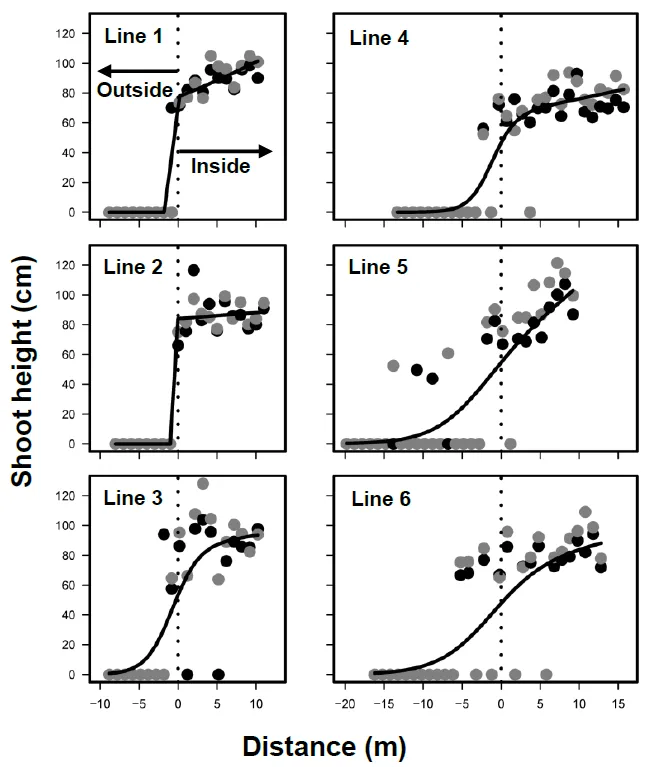
Since Phragmites australis often develop marshes soon after human disturbances, such as peat mining in bogs, the establishment patterns should be clarified for restoration purposes. The inside and outside boundaries of P. australis marshes were investigated following peat mining in Sarobetsu mire, northern Japan, in 2016 and 2017. The boundaries of marshes did not move during the two years, due mostly to the slow expansion of shoots. Various vegetation types developed outside of the marsh. P. australis coexisted with neither ericaceous nor carnivorous plants, which favor Sphagnum bogs. The succession in the marsh did not progress the original bogs. P. australis dispersed seeds mostly within the marshes, suggesting limited dispersal, and developed transient seed bank. Therefore, seed dispersal (sexual reproduction) and rhizomes (vegetative reproduction) contributed to population maintenance rather than population enlargement during the studied period. Peat moisture was higher in the marsh, whereas photosynthetic active radiation was lower. Water levels did not differ between inside and outside the marshes. Chemical properties in peat water were not different between inside and outside the marshes. Therefore, water chemistry and levels did not adequately explain the marsh development. These results suggest that, for wetland restoration, environmental manipulation is ineffective in reducing P. australis and unpredictable or stochastic events alter the dynamics of P. australis marshes.