Found 492 results
Open Access
Commentary
25 November 2024A Novel Mechanism for Photogenerated Thiyl Radical Cleavage of β-O-4 Bonds in Natural Lignin to Generate Functionalized Aromatic Compounds
The high-value conversion of native lignin into functionalized aromatic compounds under visible light holds significant promise yet presents considerable challenges. In a recent study published in Angewandte Chemie International Edition, Li and colleagues developed ultrathin ZnIn2S4 microribbons using mercaptoalkanoic acid ligands, enhancing the depolymerization efficiency of lignin under visible light. This approach provides a new mechanism for converting lignin into aromatic compounds by cleaving β-O-4 bonds in natural lignin under mild conditions.

Open Access
Communication
21 November 2024Trade-offs in Encapsulation Efficiency and Drug Release: A Multi-Objective Optimization Approach
Multi-objective optimization (MOO) techniques are crucial in addressing complex engineering problems with conflicting objectives, particularly in pharmaceutical applications. This study focuses on optimizing a biodegradable micro-polymeric carrier system for drug delivery, specifically maximizing the encapsulation efficiency and drug release of Candesartan Cilexetil antihypertensive drug. Achieving a balance between these two goals is essential, as higher encapsulation efficiency ensures adequate drug loading. In contrast, optimal drug release rates are critical for maintaining bioavailability and achieving therapeutic efficacy. Using response surface models to formulate the problem definition, five prominent MOO algorithms were employed: NSGA-III, MOEAD, RVEA, C-TAEA, and AGE-MOEA. The optimization process aimed to generate Pareto fronts representing compromise solutions between encapsulation efficiency and drug release. The results revealed inherent conflicts between objectives: increasing encapsulation efficiency often came at the cost of reducing the drug release rate. Evaluation of MOO algorithms using performance metrics such as hypervolume, generational distance, inverted generational distance, spacing, maximum spread, and spread metric provided insights into their strengths and weaknesses. Among the evaluated algorithms, NSGA-III emerged as the top performer, achieving a Weighted Sum Method (WSM) score of 82.0776, followed closely by MOEAD with a WSM score of 80.8869. RVEA, C-TAEA, and AGE-MOEA also demonstrated competitive formulation quality, albeit with slightly lower WSM scores. In conclusion, the study underscores the importance of MOO techniques in optimizing pharmaceutical formulations, providing valuable insights for decision-makers in selecting optimal formulations.

Open Access
Article
19 November 2024Calcite as a Mineralizer and Stabilizer for Low-Cost Zirconia-Mullite-Alumina Composites Synthesized from Siliceous Clay, Alumina and Zirconia
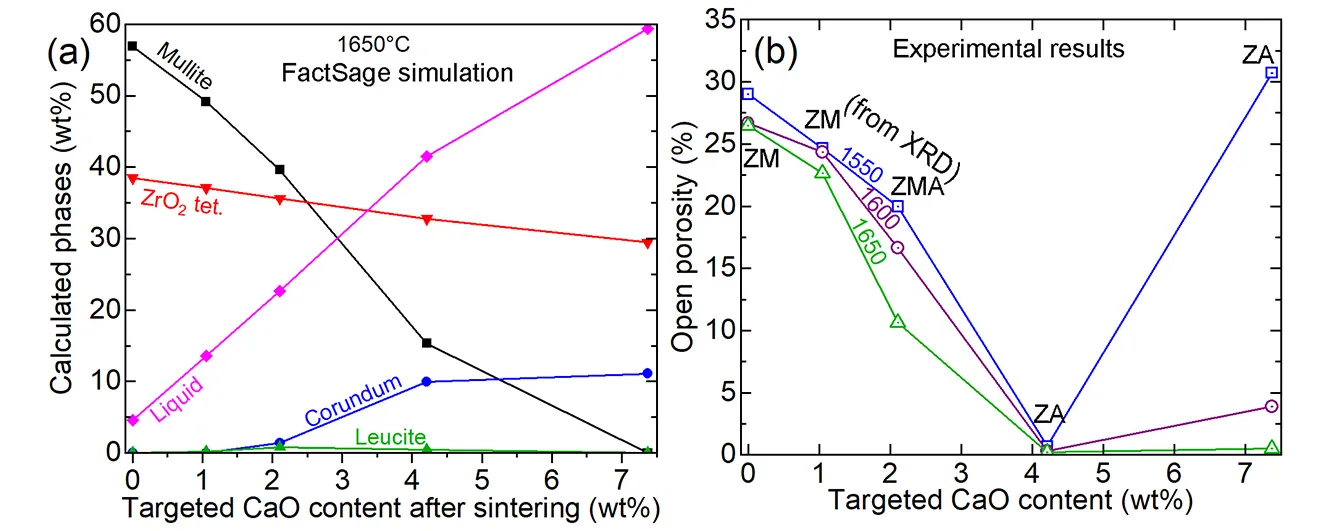
Fused zirconia-mullite (ZM) and zirconia-alumina (ZA) are expensive aggregates used in refractory formulations to enhance thermal shock tolerance and corrosion resistance, respectively. A cost-effective alternative approach was explored in this work to produce 37.4 wt% ZrO2 containing ZM utilizing conventional reaction sintering of siliceous clay, calcined alumina and monoclinic ZrO2. A series of chemical reactions ensued from 1200 °C, forming low quartz and cristobalite from the clay, in situ ZrSiO4, monoclinic ZrO2, α-Al2O3 and traces of leucite. 1600 °C was required to fully form mullite and monoclinic ZrO2 but it had 26.5% porosity even after firing at 1650 °C for 2 h. It consisted of small equiaxed primary mullite grains secondary mullite rods, and scattered and clustered, round ZrO2 grains. With 1.05% CaO addition, tetragonal ZrO2 formed, but 22.7% porosity remained despite the presence of 13.5% liquid phase having a low viscosity (0.6 Pa.s, from FactSage). With 2.11% CaO, porosity reduced to 10.7% but mullite partly dissolved, forming α-Al2O3 (ZMA aggregate). The added CaO mostly remained in the intergranular glassy phase rather than inside the ZrO2 grains but increased the thickness of the secondary mullite and the ZrO2 grains. Mullite was completely lost with 4.21% CaO doping but favorably formed cubic ZrO2 containing up to 0.26 at% Ca, interlinked α-Al2O3 rods and attained a low porosity of 0.2%. This ZA aggregate is limited to 1550 °C application temperature as excess liquid phase drained out beyond that. 7.37% CaO addition was detrimental as it formed an excessive anorthite-like liquid phase that percolated out at 1550 °C with 5.6% weight loss. Thus, in ZM-based calcium aluminate cement bonded refractory castables, the final CaO content should be restricted to below 2.1% to avoid partial dissolution of mullite.
Open Access
Article
15 November 2024Long-Term Change in Human Impact and Environmental Perceptions: A 40-Year Case Study of an Environment-Focused Non-Governmental Organization
Non-governmental environmental organizations are diverse in scope, goals and doctrine, ranging from natural history societies to green parties. It was from the 1960s that they became widespread worldwide. To characterize a French NGO and assess the changing trends in its objectives over time, we have qualitatively and quantitatively analyzed the journal it has published without interruption for 40 years: 140 issues, 4500 pages, and almost 250 keywords. The initial scope of the NGO was focused on ‘humans and nature’: we do not protect the environment against humans but with humans, i.e., at the same time as humans, which is the very definition of sustainable development, with its three-fold focus: nature, economy and social justice. The primary issues included recognizing water as a shared resource for all people, promoting sustainable agriculture and transportation (such as railways), advancing peace efforts, and protecting nature. This approach emphasizes a rigorous, evolving scientific perspective that goes beyond a focus on a few charismatic species (‘deluxe biodiversity’), embracing biodiversity in its entirety. Over time, the discourse has kept track of the shifting priorities of most Green parties: less and less focused on nature (e.g., forests, ecosystems) and more and more on social issues (e.g., health, housing, transport). However, it differs in not focusing on the idées fixes of the Greens (e.g., rejection of civil nuclear power, GMOs).

Open Access
Review
15 November 2024Ion Channels in the Immune Response of Asthma
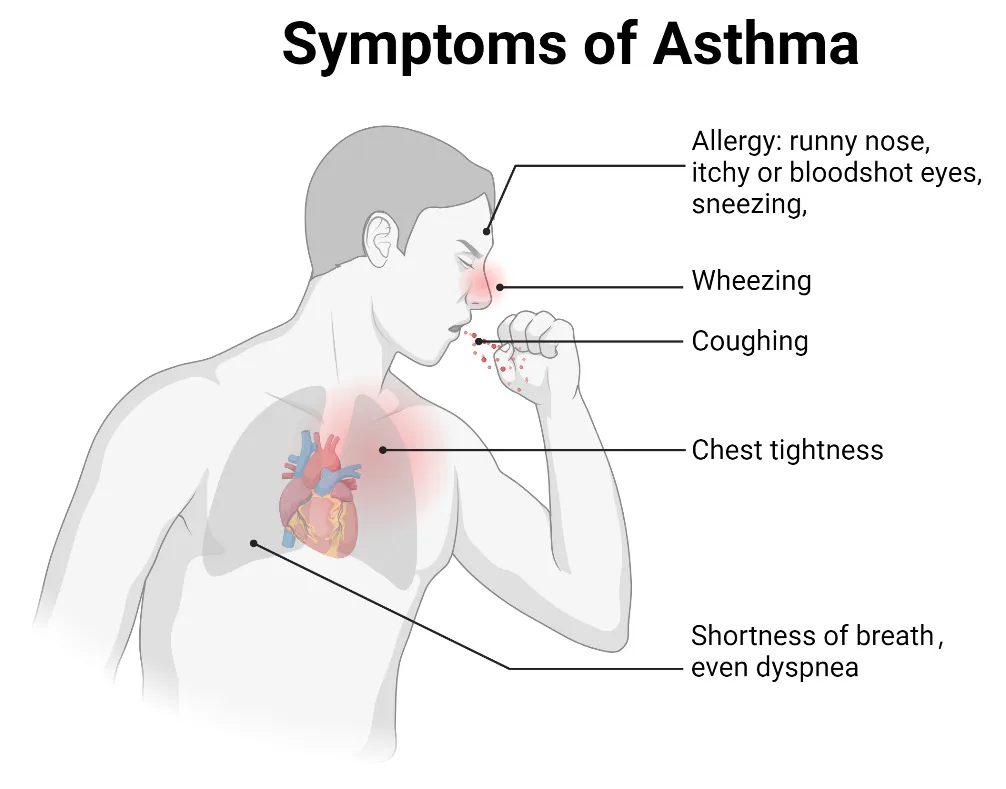
Asthma is a common respiratory disorder characterized by chronic inflammation of the lower airways, contributing to significant morbidity, mortality, and a substantial global economic burden. It is now understood as a heterogeneous condition, with ongoing research shedding light on its complex immunological underpinnings. Ion channels, which are specialized transmembrane proteins that facilitate ion movement based on electrochemical gradients, play a crucial role in the pathophysiology of asthma. Ion channels regulate essential processes like maintaining epithelial hydroelectrolyte balance and also play a role in modulating immune responses involved in asthma. We discuss the connection between ion channel activity and immune regulation in asthma, focusing on ion channel regulation of immune cell behavior, airway hyperresponsiveness, and inflammation in asthma. Understanding ion channels in asthma could lead to the development of targeted therapies modulating their activity, thereby enhancing disease management and patient outcomes.
Open Access
Article
14 November 2024Sortase A-Mediated Enzyme Assembly on Multimeric Protein for Improving Mevalonate Production
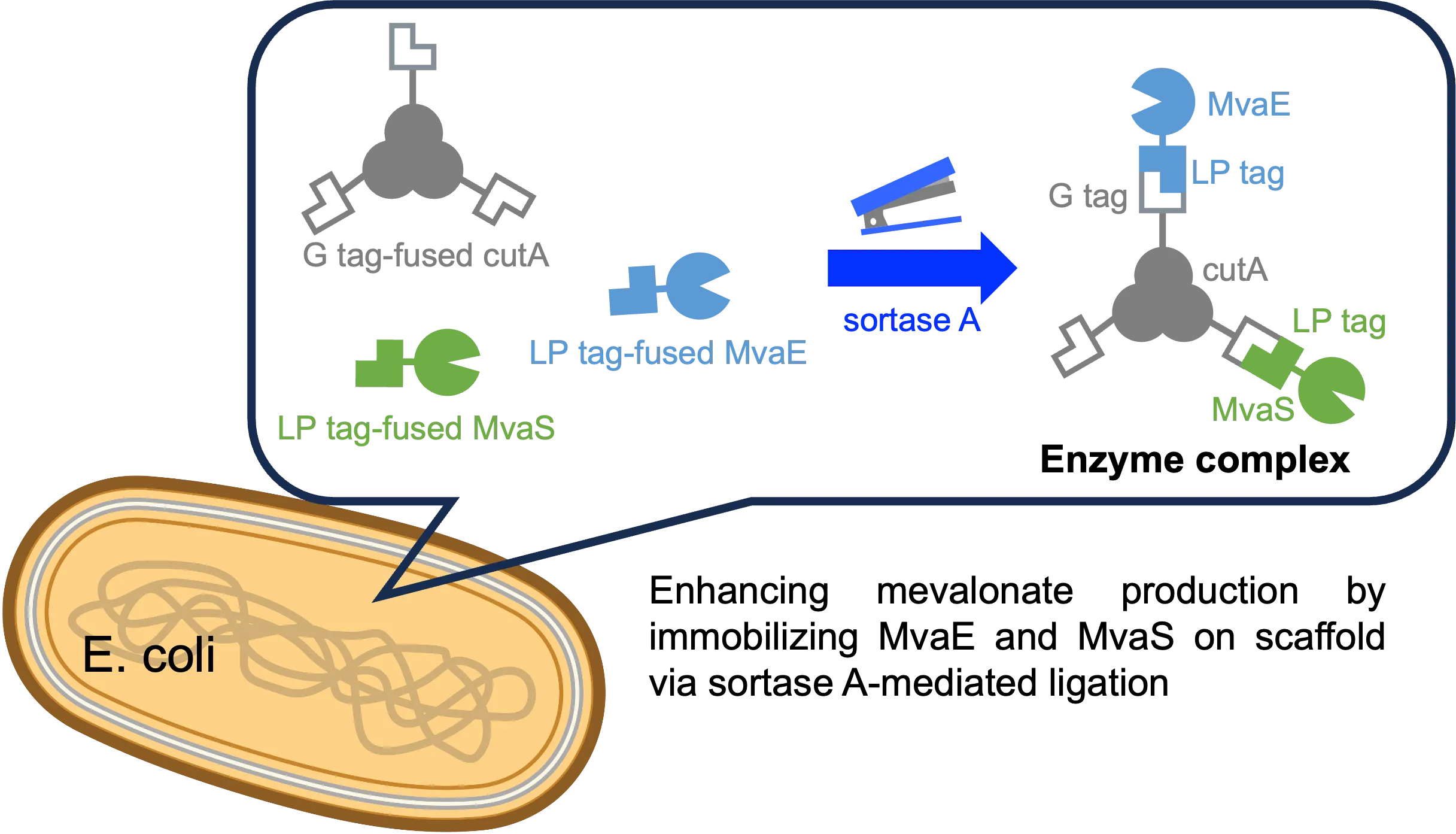
Microorganisms have been extensively studied for their production of valuable chemicals. However, conventional gene fusion approaches often lack versatility and can result in enzyme inactivation. This study explored an alternative strategy for inducing metabolic channeling through sortase A-mediated ligation of metabolic enzymes. Sortase A recognizes specific amino acid sequences and selectively conjugates proteins at these sites. We focused on mevalonate production as a proof-of-concept to enhance the yield by assembling metabolic enzymes on a protein scaffold using sortase A. Although metabolic enzyme complexes were successfully formed using streptavidin as a scaffold, production did not improve. The use of CutA as a scaffold led to a 1.32-fold increase in production compared with that of the strain without the scaffold, demonstrating the efficacy of CutA in mevalonate production. These findings suggest that using sortase A to assemble metabolic enzymes onto a scaffold can effectively enhance microbial bioproduction.
Open Access
Article
14 November 2024Hardness-Porosity-Grain Size Interrelationship in Conventionally Sintered 3 mol% Yttria Stabilized Zirconia
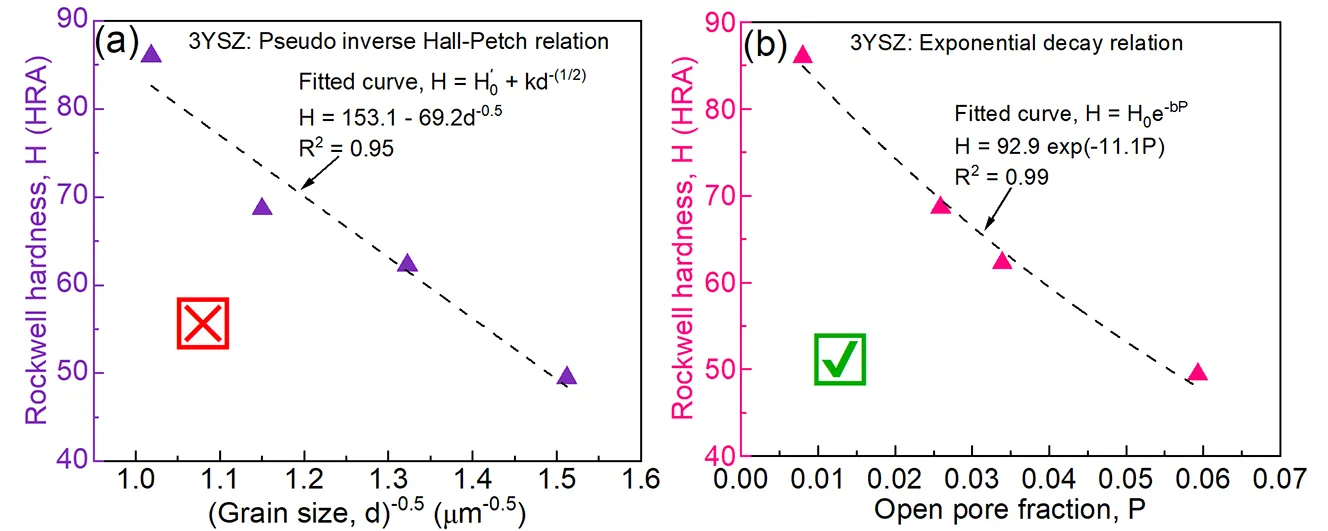
Considerable research has been done in the past on expensive, <50 nm particle size 3 mol% yttria-stabilized zirconia (3YSZ) using advanced sintering techniques. However, insights are still needed to reveal which factors among grain size and porosity, when both are changing simultaneously, more strongly control the hardness of conventionally sintered, relatively coarse, 250 nm 3YSZ powder, which can be used to make large industrial engineering ceramic parts at a lower cost. This investigation showed that elevating the sintering temperature from 1500 °C to 1650 °C increased the Rockwell hardness from 49.4 HRA to 86.0 HRA, which was concomitant with an increase in grain size and bulk density. A pseudo-inverse Hall-Petch relationship between hardness and grain size was observed given by H (in HRA) = 153.1 − 69.2/$$\small\sqrt{(\mathrm{grain}\,\mathrm{size})}$$ with a somewhat low R2 of 0.95, which was mainly due to the porosity being an additional important variable. Compared to grain size, the impact of open pore fraction (P) on hardness was stronger, inferred from a higher R2 of 0.99 while fitting the data into the well-known exponential decay equation, H = 92.9 exp(−11.1P). Finally, it was observed that the 3YSZ conventionally sintered at 1650 °C for 2 h had 0.8% open porosity, 6.08 g/cm3 bulk density, 960 nm grain size and consisted of only tetragonal ZrO2.
Open Access
Article
11 November 2024Rural Local Government Institutional Sustainability Programs and Plans in Cascadia: A Comparative Analysis
This research provides a comparative analysis of institutional sustainability programs in small and rural communities across British Columbia, Oregon, and Washington. The study reveals significant regional differences in the adoption of sustainability initiatives, with Oregon consistently leading in the implementation of various programs such as grant writing, conflict resolution, and e-government. The analysis identifies key factors influencing program adoption, including population growth, economic stability, and remoteness. Communities experiencing significant population growth and financial stability are more likely to adopt multiple sustainability programs, while remoteness and economic challenges, such as inflation, act as barriers. The study underscores the importance of regional context and local conditions in shaping the sustainability efforts of rural communities.

Open Access
Article
01 November 2024Alkaline Modified Coir and Unmodified Hemp Fiber Reinforced Epoxy Based Composite for Automotive Application
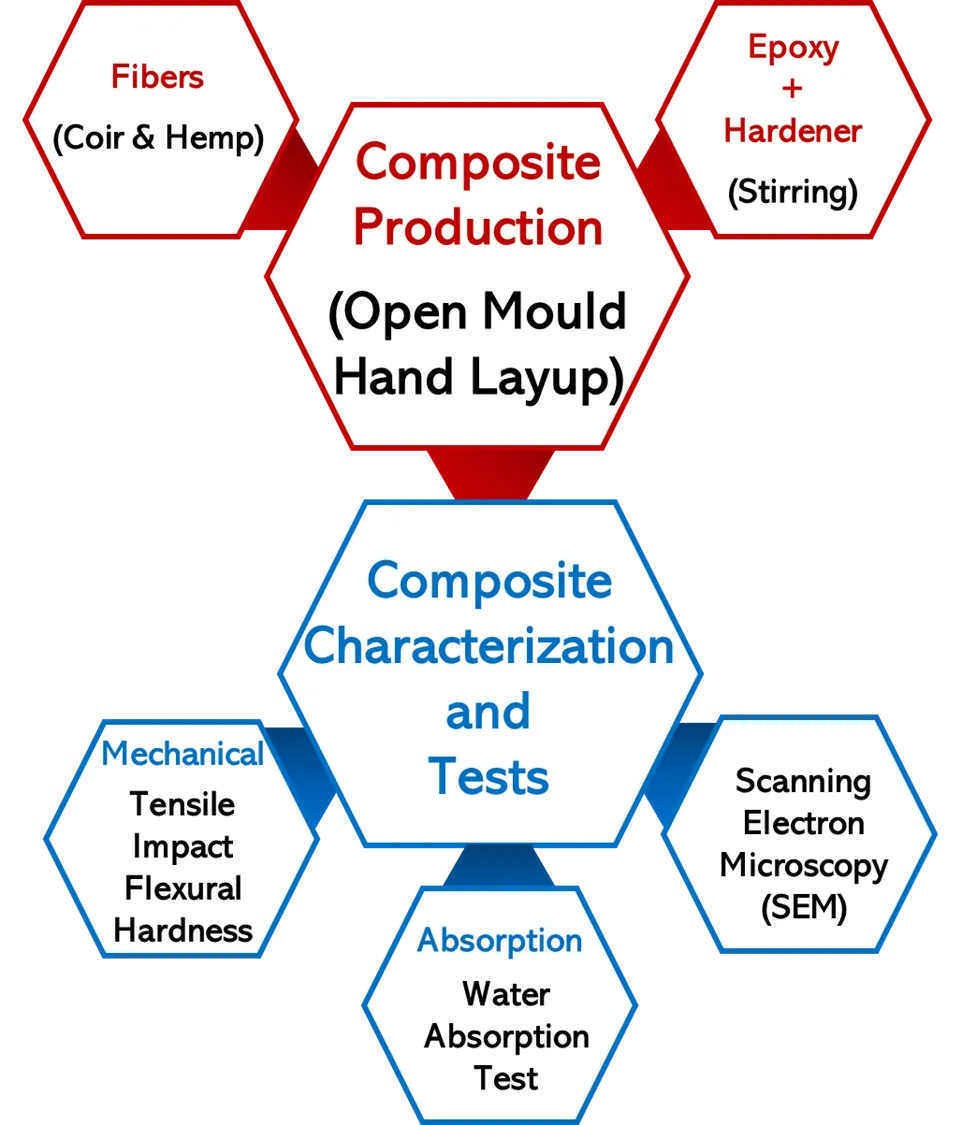
The growing demand for sustainable materials in the automotive industry has prompted research into natural fiber-reinforced composites. To reduce carbon footprints and enhance product sustainability, the sectors increasingly focus on renewable and biodegradable materials. Composites made from natural fibers, such as coir and hemp, offer a promising solution for creating lightweight, high-performance components with a reduced environmental impact.In this study, an experimental investigation was conducted to examine the impact of single and hybrid and treated and untreated fibers, on the properties of epoxy-based composites. Untreated hemp fiber with treated Coir fiber was used for the research. The composites were fabricated through the open mould hand lay-up technique. Samples were prepared by randomly dispersing the fibers in the epoxy matrix before pouring them into the respective moulds prepared according to ASTM standards. Tensile, impact, and hardness tests were conducted on the cured samples to determine their mechanical properties, while a scanning electron microscope was used to evaluate the fractured surface. Water absorption tendencies were also determined. The results showed that the sample denoted as 5CF wt.% had the best property combination with tensile strength (32.4 MPa), tensile modulus (11.9 GPa), flexural strength (167.0 MPa), and impact strength (46.8 kJ/mm2). It was discovered that hemp fiber-based composites were not enhanced properly due to lack of fiber surface modifications. Though optimum results were obtained from treated coir fiber-based single/distinct composite, untreated hemp fiber was discovered to aid some flexural modulus and hardness properties in the hybrid composite based on the best results obtained in its distinct-based composite. Therefore, untreated hemp fiber can be used in hybrid form with treated coir fiber where one of the fibers is scarce or when fiber surface medication is difficult to achieve. Thus, the results showed that 5CH-based composites are the most suitable composition for automotive components development where high-mechanical properties are essential.
Open Access
Article
31 October 2024Analyzing Climate Dynamics and Developing Machine Learning Models for Flood Prediction in Sacramento, California
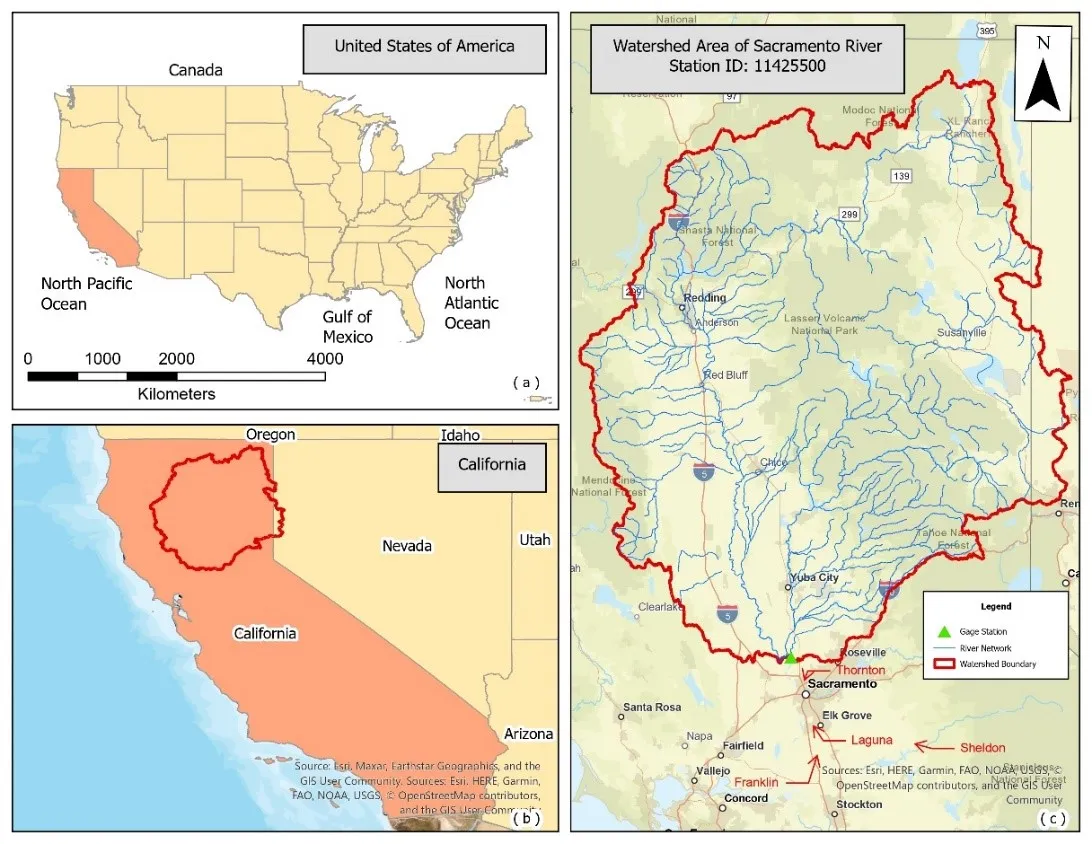
Climate change is leading to rapid environmental changes, including fluctuating precipitation and water levels, which raises the risk of flooding in coastal and riverine locations around the United States. This study focuses on Sacramento, California, a city significantly affected by these changes and recent severe flooding disasters. The ultimate goal is to understand the climate dynamics and create a more robust model to alert Sacramento and other communities to possible flooding and better prepare them for future climatic uncertainty. In this research, four classification machine learning models—Support Vector Machine (SVM), Random Forest (RF), Artificial Neural Network (ANN), and Long Short-Term Memory (LSTM)—are examined for their capacity to predict the occurrence of floods using historical precipitation temperature and soil moisture data. Our results demonstrate that the LSTM model, with an accuracy of 89.99%, may provide better reliable flood predictions, possibly due to its ability to process complicated temporal data. SVM, RF, and ANN showed accuracies of 81.25%, 83.75%, and 85%, respectively. The study explores the correlation between increasing precipitation incidents and severe climate variations, such as the El Niño and La Niña cycles, which could have increased flooding risks. Significant rainfall peaks occurred in 1998 and 2007, indicating that external atmospheric circumstances might have considerably impacted local weather patterns. While LSTM models show potential, there remains room to improve their accuracy and adaptability in extreme flood scenarios. Given these findings, future research could combine multiple environmental data sources and hybrid modeling approaches to enhance predictions.