Found 569 results
Open Access
Review
07 March 2025Unravelling the Role of Hydrogen Evolution Reaction Co-Catalysts in Photocatalytic Water Splitting: Mechanistic Insights and Material Strategies
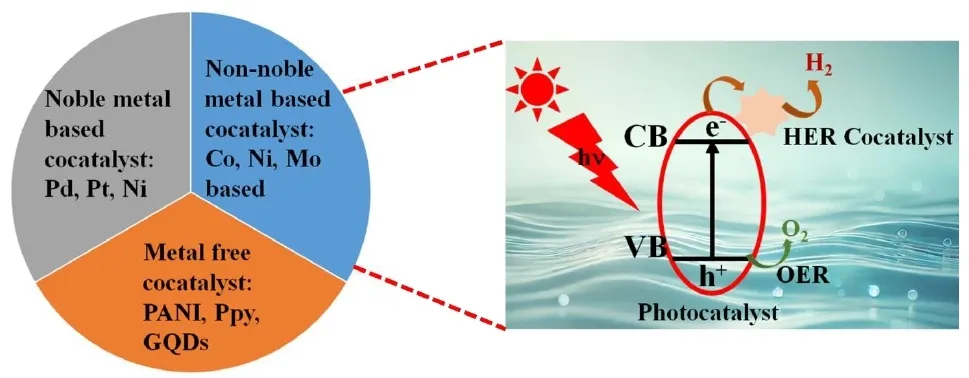
The reliance on fossil fuels has led to a substantial increase in greenhouse gas emissions, presenting a critical environmental challenge. Addressing this issue necessitates the adoption of alternative renewable energy sources, with green hydrogen emerging as a promising candidate due to its high gravimetric energy density and absence of harmful emissions. Among the various hydrogen production techniques, photocatalytic technology has garnered significant attention for its dual potential to produce green hydrogen and degrade pollutants, thereby addressing both energy and climate crises. Efforts to scale photocatalytic technology for industrial applications have identified cocatalyst integration as a pivotal strategy, as it enhances reaction kinetics by lowering the activation energy and mitigating charge carrier recombination. This review comprehensively examines the hydrogen economy, the underlying principles of photocatalysis, recent technological advancements, key factors influencing photocatalytic reactions, the role of catalysts in hydrogen evolution reaction (HER) surface mechanisms, strategies for cocatalyst optimization, and future directions for the field.
Open Access
Review
06 March 2025A Comprehensive Review towards Oxidation Resistant Press-Hardened Steels
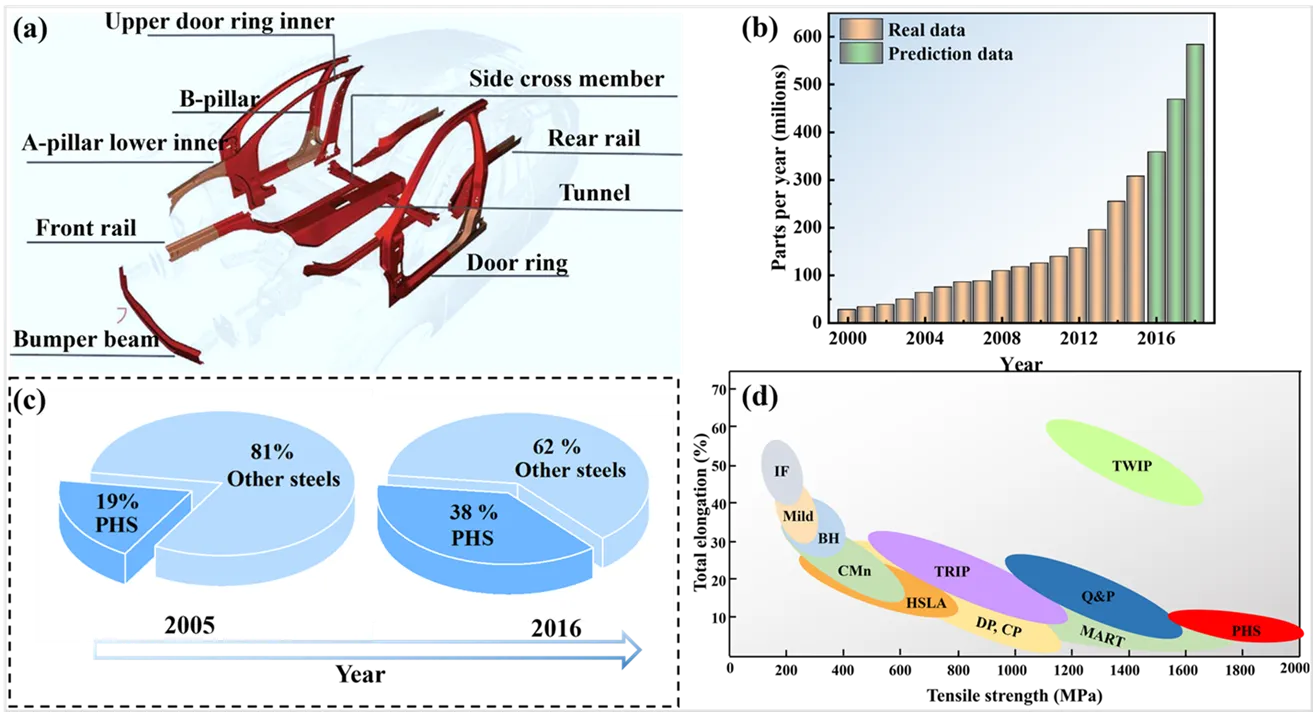
As an important lightweight material, press-hardened steels (PHS) are now widely used in the car body-in-white. However, severe oxidation of conventional Mn–B bare sheets not only damages production molds, but also prevents subsequent welding and painting, leading to a significant increase in production costs. The aim of this review is to systematically summarize the current solutions to overcome the problem of high-temperature oxidation of conventional Mn–B PHS and to highlight future directions for improvement. The review begins with a brief background on PHS, followed by a detailed description of measures to improve the oxidation resistance of conventional Mn–B PHS and the development of novel PHS with superior oxidation resistance. The oxidation resistance solutions for conventional Mn–B PHS mainly include the use of coatings and pre-deposited films. In contrast, the oxidation resistant PHS mainly includes the use of the oxidation resistant elements Cr, Si, Al or rare earth elements to improve the steel’s own high-temperature oxidation resistance.
Open Access
Article
03 March 2025Harmony between Humanity and Nature in the Beijing-Tianjin-Hebei Urban Agglomeration during Decadal Development
Building harmony between humanity and nature
(HHN) migrates the conflict between social-economic development and
eco-environmental conservation, promoting the coordination and balance between
economic development and ecological protection, and then achieving the state of harmonious coexistence
between humanity
and nature. Here, taking advantage of the Beijing-Tianjin-Hebei urban
agglomeration as the research region, this study aimed to evaluate the changes
in comprehensive level of economic, social, and ecological development, as well
as the coupling coordination degree of HHN from 2014 to 2021, and to identify
their spatio-temporal evolution patterns. The findings reveal that from 2014 to
2021, the comprehensive development level of HHN in the Beijing-Tianjin-Hebei
urban agglomeration exhibits a linearly increasing pattern, with significant
differences in time and space.
The comprehensive development level of HHN in the northern region of the
Beijing-Tianjin-Hebei urban agglomeration has always been higher than that in
the southern region. By
2021, all the cities had basically reached a middle development level. And the
coordination degree of the comprehensive development of HHN showed a healthy
development trend. In 2021, the coordination degree of HHN in the Beijing-Tianjin-Hebei urban agglomeration was at
transitional development, with an average annual increase of 3%. In the future, the Beijing-Tianjin-Hebei urban agglomeration should
prioritize coordinated development of HHN, enhance eco-environment protection
and management, promote industrial transformation and upgrading, explore new
development modes and ecological resource transformation strategies, and
establish a modern capital region characterized by high-level ecological
civilization development.

Open Access
Review
28 February 2025Synthetic Biology Boosts the Biological Depolymerization and Upcycling of Waste Plastic Resources
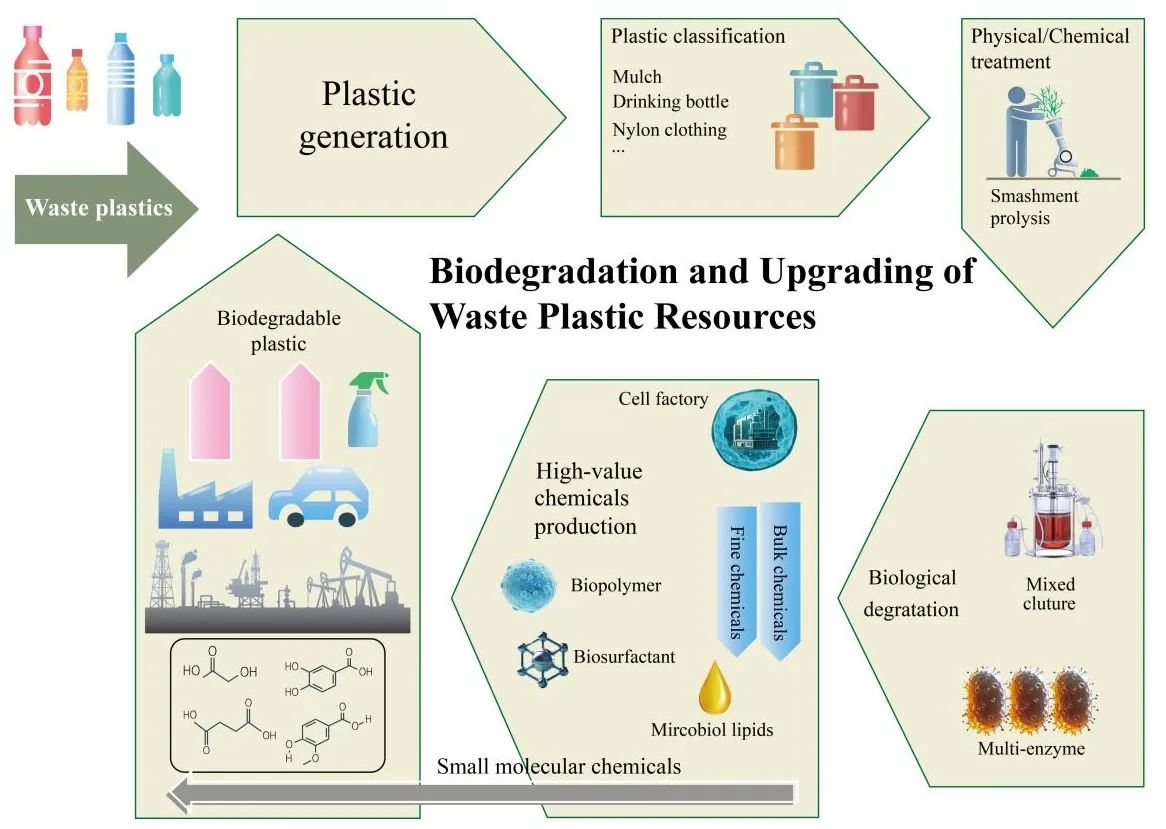
The high molecular weight, hydrophobicity, and strong chemical bonds of petroleum-based synthetic plastics make them highly resistant to both abiotic and microbial degradation. This resistance plays a significant role in the growing problem of “white pollution” where the accumulation of plastic waste has become a major environmental issue worldwide. Currently, plastic waste management relies largely on landfill disposal and incineration, with only about 20% of plastic waste being recycled. However, both methods create secondary environmental risks, such as contamination of groundwater, soil, air, and oceans. Therefore, developing a sustainable and efficient approach for recycling and reusing plastic waste is essential for tackling plastic pollution and promoting a circular plastic economy. One promising solution involves utilizing microorganisms and enzymes to break down plastics into oligomers or monomers, which can then be transformed into valuable chemicals. This method provides a more environmentally friendly and milder alternative to conventional waste management techniques. This review explores recent progress in biodepolymerization and biotransformation processes for plastic waste, including the identification of plastic-degrading microorganisms and enzymes, the creation of microbial consortia and enzyme mixtures, an investigation into the mechanisms of plastic depolymerization, and the conversion of degradation products into useful materials such as chemicals, energy, and other resources. Despite these advancements, several challenges remain, such as the limited availability of effective degradation enzymes, low degradation efficiency, and difficulties in utilizing the breakdown products. However, emerging technologies in synthetic biology, such as high-throughput screening, evolutionary metabolic engineering, and bioinformatics to study catalytic mechanisms of degradation enzymes, offer promising solutions to address these issues. By improving enzyme design, optimizing microbial consortia interactions, and developing efficient metabolic pathways for plastic degradation products, these innovations could greatly enhance plastic biodegradation. These advancements hold the potential to provide environmentally sustainable, economically feasible, and technically viable solutions for promoting a circular plastic economy, particularly in countries like China.
Open Access
Article
27 February 2025Deciphering How Promoting Flower-Viewing Economy for Construction of Harmonious-Villages in Mountainous and Hilly Areas
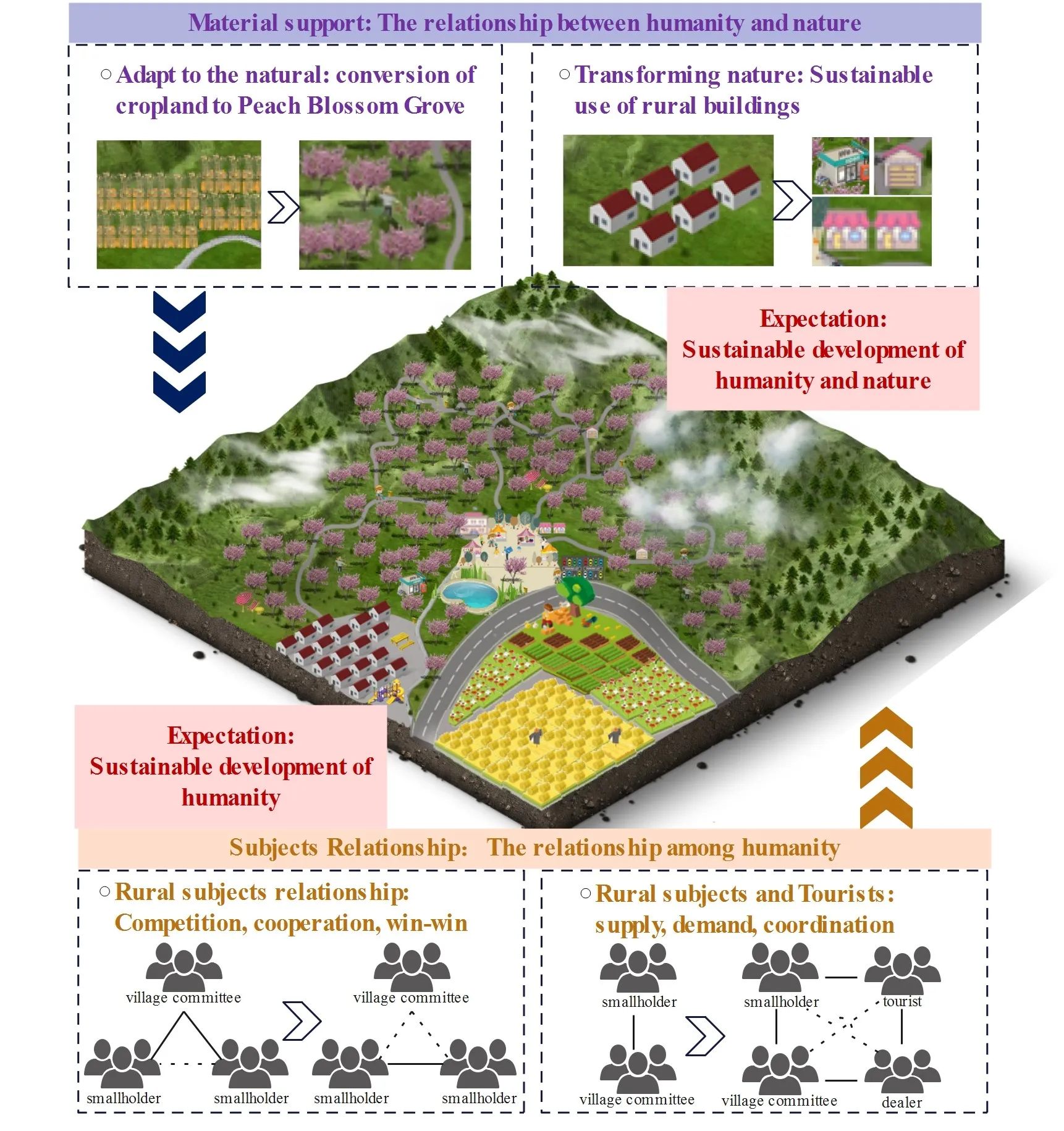
Sustainable development in mountainous and hilly regions is a critical component of global sustainability efforts. These regions are facing numerous challenges, including ecological fragility, labor migration, and resource scarcity and imbalance. Addressing these issues is imperative for sustainable development; this study identifies two primary conditions necessary for sustainable development in mountainous regions: achieving human and nature’s sustainable development, which provides reliable material support and social support for achieving the same in the mountainous and hilly regions. The flower-viewing economy, derived from transforming China’s mountain agriculture, is an efficient new format for mountainous and hilly regions. To verify these primary conditions, this study constructed a flower-viewing economy from three dimensions: material support, subject relationship, and expectation, using the peach blossom festival in Tingzi Village, Taihe Town of Chongqing City, as an example. Here, we explained that a sustainable development model focused on benefiting farmers is an endogenous, farmer-centered pathway to sustainable development, highly relevant to promoting sustainable development in developing countries’ mountain villages.
Open Access
Article
27 February 2025Thermophysical Properties of Polyamide 6 and High-Density Polyethylene Blends (Part 1. Without Compatibilization)
The structure and thermophysical properties of polymer blends polyamide 6/high-density polyethylene with component ratios of 70:30, 45:55 and 30:70, which not only provide phase inversion of the blended polymers, but also the formation of an interpenetrating network, have been investigated by differential scanning calorimetry, scanning electron microscopy and light flash method. The data on the influence of blends composition on their mechanical properties, density, structure, temperature, as well as melting and crystallization heats of polymer components have been obtained. The regularities of changes in thermal diffusion, heat capacities and thermal conductivity coefficients of polyamide 6 and high-density polyethylene individually and as part of the blends in dependence on their composition and temperature have been established. A nonlinear increase of the thermal conductivity coefficient from temperature was revealed when melting a more easily melting component of the blend. It was found that the maximum increase in thermal conductivity occurs in the blend forming an interpenetrating network. A possible way of creating composites with adaptive thermal conductivity by melting one of the components of the blend is proposed.

Open Access
Review
26 February 2025Recent Progress on Utilising Visible Light to Better Catalyst Stability for the Dry Reforming of Methane
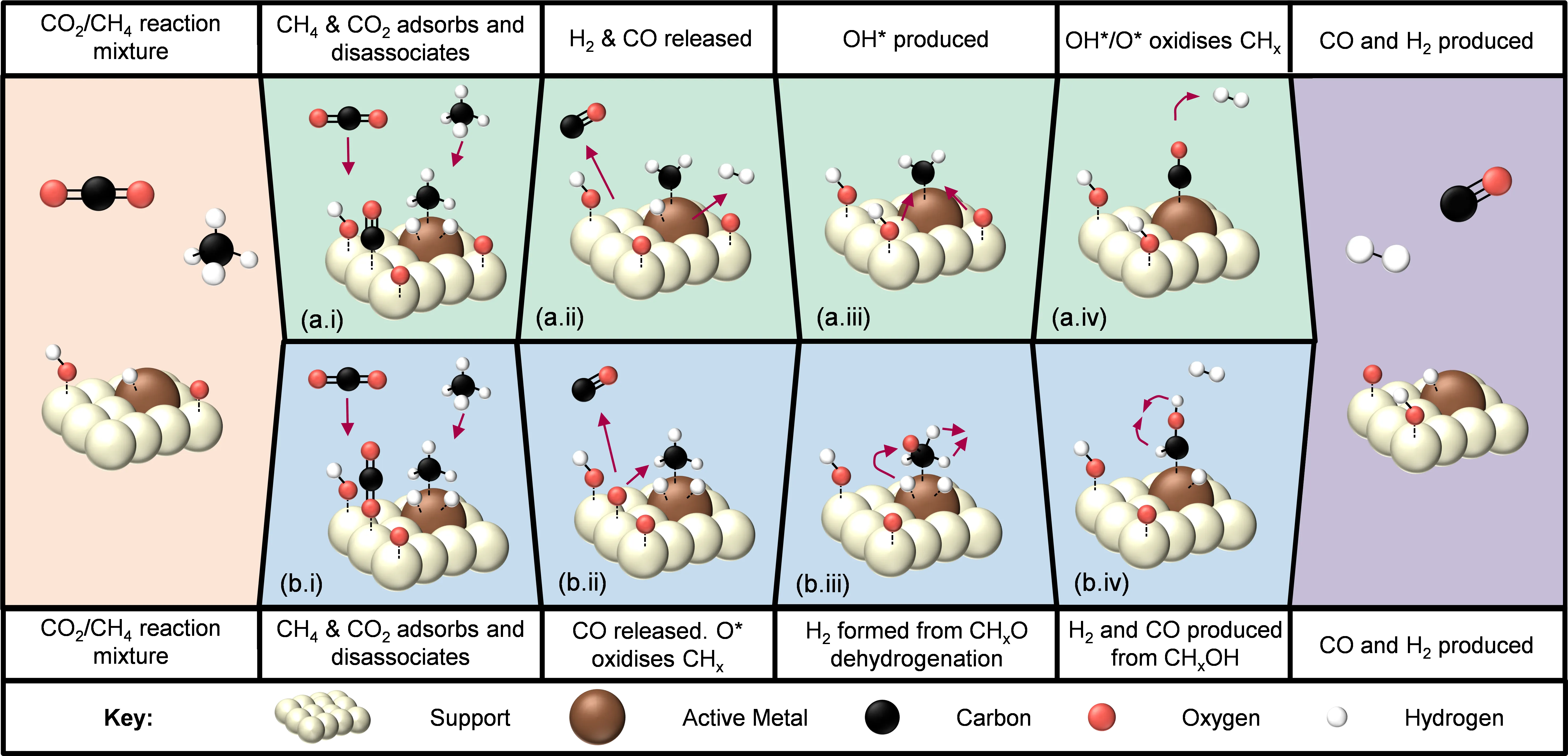
Dry reforming of methane (DRM) is a promising strategy to closing the carbon loop. DRM valorises CO2 and CH4 by producing synthesis gas (H2 and CO), the precursor to various synthetic fuels. Key limitations of the DRM are the high-temperature requirements (600–1000 °C) and competing side reactions, many of which produce carbon that can deactivate the catalyst. Designing a stable, low-cost and active catalyst remains one of the greatest DRM challenges. One potential strategy to curtail the limitations that hinder DRM is to utilise visible light to access the localised surface plasmon resonance (LSPR) of metal catalysts. The current review discusses the recent developments in designing catalysts for LSPR-assisted thermocatalytic DRM. The thermodynamic and kinetic principles that underpin DRM are first introduced, followed by an overview of thermocatalyst design strategies. The mechanism behind LSPR is discussed, with recent developments and strategies for introducing LSPR to the DRM examined. The review offers a thorough overview of catalyst design for light-assisted DRM and may be used as a guide to developing stable and light-receptive catalysts for the reaction.
Open Access
Article
26 February 2025Life Cycle Assessment of Tensile Specimens of Stainless Steel Obtained by Additive Manufacturing versus Conventional Manufacturing
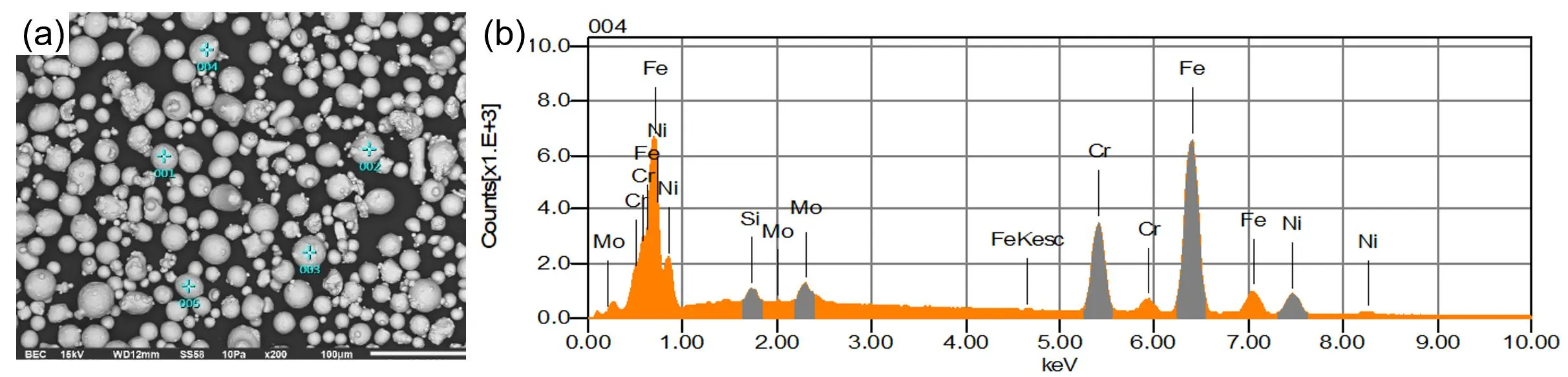
Life Cycle Assessment (LCA) of additive manufacturing (AM) evaluates the environmental impacts associated with each stage of the process, from raw material extraction to end-of-life disposal. Unlike conventional manufacturing, AM offers significant advantages, such as reduced material waste, optimized designs for lightweight structures, and localized production, which can decrease transportation emissions. However, its environmental benefits are context-dependent, as energy-intensive processes like laser powder bed fusion or high reliance on specific materials can offset these gains. LCA provides a comprehensive framework to assess these trade-offs, guiding sustainable decision-making by identifying hotspots in energy use, material efficiency, and recyclability, ultimately driving innovation towards greener AM practices. This research conducted a cradle-to-gate study of a cylindrical dog-bone tensile specimen. The life-cycle inventory data were obtained from Ecoinvent for conventional manufacturing, while data from the literature review and our research were employed for laser-based powder bed fusion. The results obtained show that the additive manufacturing process is more environmentally friendly. Although the environmental impact is minor, this process consumes a large amount of energy, mainly due to the atomization process and the high laser power. Regarding the mechanical response, AM reduced the ductility but increased the yield strength and achieved the same fracture strength.
Open Access
Article
25 February 2025Energy Harness and Wake Structure of “Cir-Tri-Att” Oscillators for Flow-Induced Motion Tidal Energy Conversion System
The research focuses on the flow-induced motion (FIM) and energy harness of “Cir-Tri-Att” oscillators (CTAO). The wake was photographed by particle image velocimetry (PIV) to explore wake structures. With the increase of the aspect ratios: the ability of oscillators to galloping under self-excitation or external excitation is enhanced. When ζ = 0.033, Ur = 12.5, the maximum amplitude ratio A* = 2.408 for oscillators with α = 1:1. Moreover, oscillators with higher aspect ratios can bear larger loads, which is conducive to energy utilization and conversion. The maximum power output Pharn = 16.588 W and the optimal efficiency ηharn = 24.706% appear in oscillators with α = 1.5:1. Additionally, In the soft galloping (SG), the wake mode is 4P or 3P. The wake vortex is more broken and its scale increases, but the force effect of the oscillators is better and the oscillation is more stable. The pressure difference makes for a longer oscillation period. This paper summarizes the FIM, energy harness and wake structures of the CTAO under different working conditions, which provides theoretical and data support for the optimization oscillators of flow-induced motion tidal energy conversion system.

Open Access
Article
25 February 2025Thermal Characterization Study of Double End Face Grinding Powder Metallurgy Stainless Steel 316L
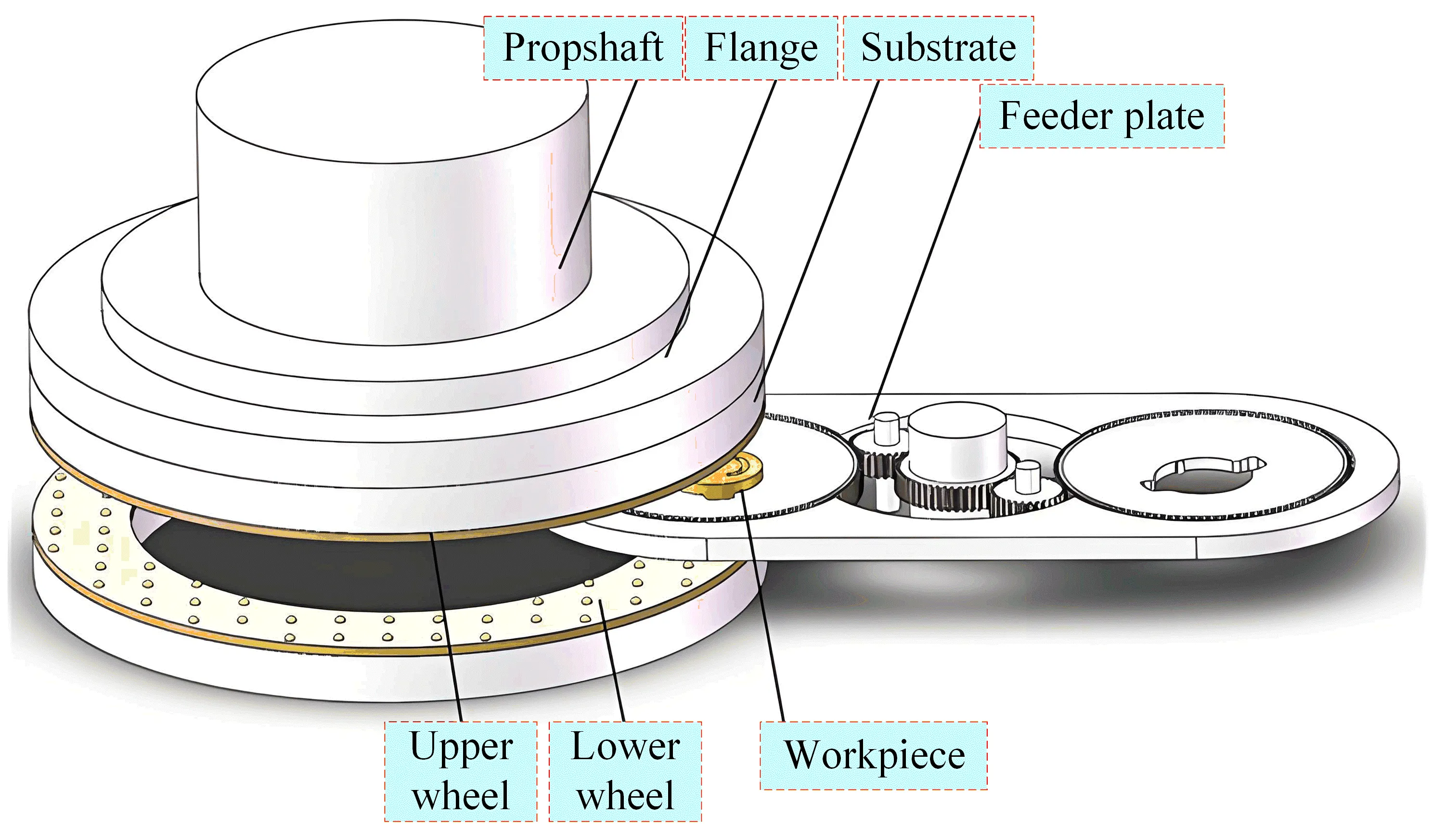
Double end face grinding machining is a highly efficient surface grinding technique. And grinding temperature is an important factor affecting the surface quality of workpieces. However, it is difficult to monitor the surface temperature of the workpiece in real time because of the covered contact between the grinding wheel and the upper and lower surfaces of the workpiece during the machining process. This paper aims to conduct a mechanistic analysis and experimental investigation of the machining process to address this challenge. Initially, the paper conducts an analysis of the kinematic mechanism, modal analysis, and the grinding force mechanism specific to the double end face grinding process. Afterwards, the mechanisms leading to the generation of grinding heat and the associated heat transfer mechanisms are explored in depth. The paper then proceeds to solve the instantaneous temperature field during double end face grinding by the finite element method (FEM). Furthermore, the micro and macro profile heights of the machined workpiece surfaces are measured and analyzed. The results show that the machined workpiece surface shows a high center and low edge. This is due to the fact that the temperature at the edge of the workpiece is higher than the center during machining, resulting in more material removal. Through these investigations, the study is able to determine the optimal process parameters for the machining process. This in turn improves machining efficiency and product conformity. And these findings not only guide practical production processes but also provide a foundation for future theoretical research in this area.