Found 492 results
Open Access
Article
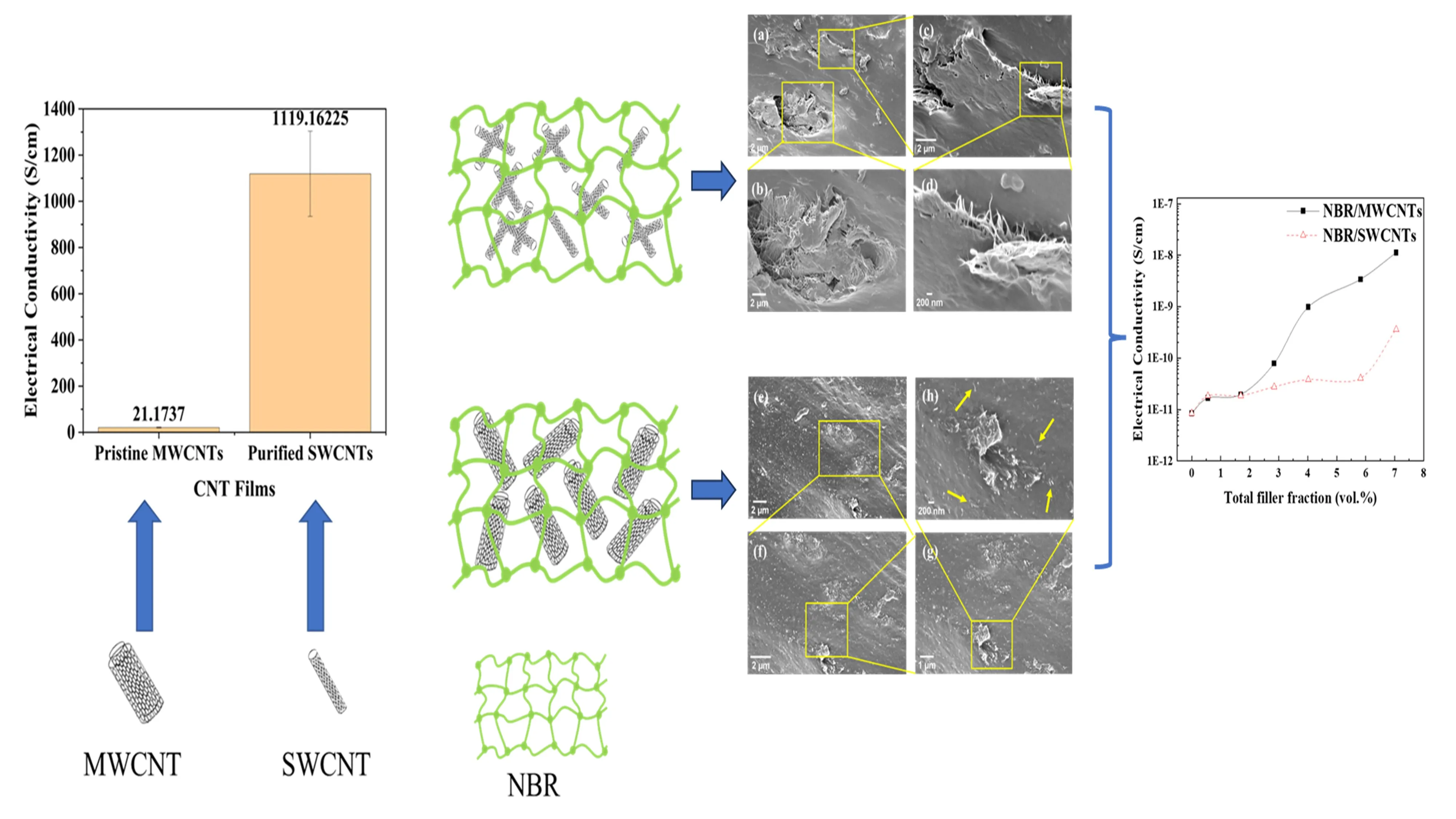
17 February 2025Comparative Study of Elastomer Nanocomposites Respectively Containing SWCNTs and MWCNTs
Carbon nanotubes (CNTs) are essential for providing polymers with mechanical reinforcement and multifunctional properties. This study investigated two groups of nitrile butadiene rubber (NBR) nanocomposites containing single-walled carbon nanotubes (SWCNTs) and multi-walled carbon nanotubes (MWCNTs), respectively. SWCNTs were purified to remove appro-ximately 20 wt.% of impurities, and both CNTs were modified with polyethylene glycol tert-octylphenyl ether (Triton X-100) before emulsion compounding and 2-roll milling with NBR. MWCNTs were found to disperse in the elastomer matrix relatively uniformly, while SWCNTs formed aggregates. Consequently, NBR/MWCNT nanocomposites exhibited superior mechanical properties, e.g. a tensile strength of 10.8 MPa at 4.02 vol.% MWCNTs, compared to 5.6 MPa for NBR/SWCNT nanocomposites. Additionally, NBR/MWCNT nanocomposites exhibited more remarkable electrical conductivity and swelling resistance to toluene. The diameter of elastomer macromolecules (0.2–0.5 nm) is close to that of SWCNTs (1–2 nm), and their single graphene wall with a hollow structure makes SWCNTs almost as flexible as elastomer macromolecules. This similarity suggests that SWCNTs should be treated as a special type of polymer. SWCNTs cannot disperse as uniformly as MWCNTs in the elastomer matrix, likely due to their smaller size and lower sensitivity to mechanical shearing during the emulsion compounding and 2-roll milling process.
Open Access
Book Review
14 February 2025
Open Access
Review
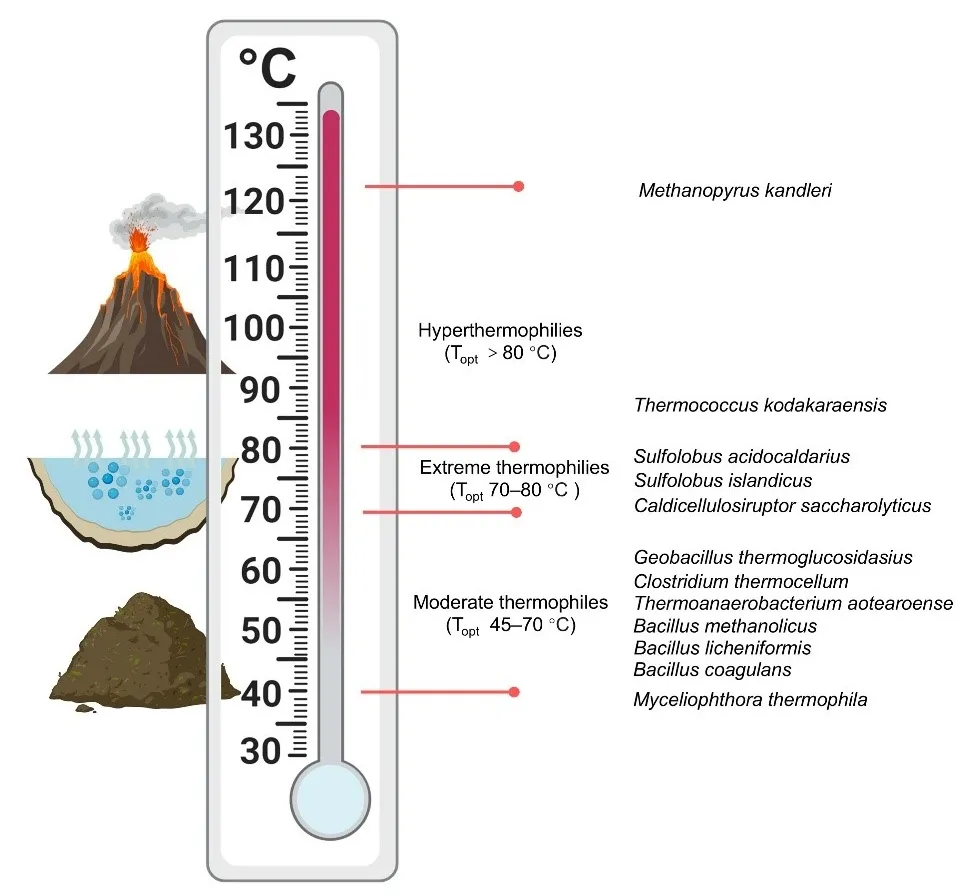
13 February 2025High-Temperature Catalytic Platform Powered by Thermophilic Microorganisms and Thermozymes
Thermophilic microorganisms, capable of thriving under high temperatures, are emerging as key platforms for next-generation industrial biotechnology (NGIB), driving innovations in lignin biorefining, bioplastics synthesis, biodiesel production, and environmental remediation. Enzymes derived from thermophilic microorganisms, thermozymes, exhibit remarkable stability and efficiency under extreme conditions, making them highly suitable for diverse industrial applications. This review highlights recent advances in leveraging thermophilic microorganisms and thermozymes for high-temperature catalysis, focusing on their economic and environmental benefits. It also emphasizes progress in high-throughput screening and artificial intelligence (AI), which have revolutionized the bioprospecting, engineering, and application potential of thermozymes. Challenges and potential solutions for industrial implementation of high-temperature catalytic platforms are also discussed, highlighting their transformative impact on sustainable biotechnology.
Open Access
Article
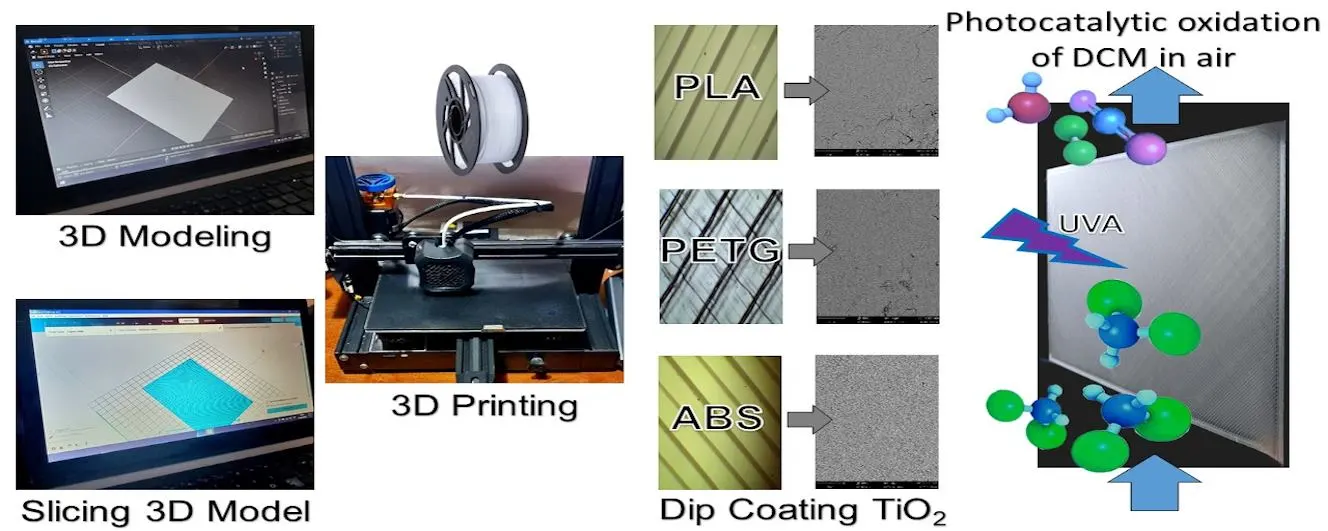
11 February 2025Functionalization of 3D-Printed Plastics for the Photocatalytic Removal of Organic Pollutants in Air
The study explored the use of 3D-printed plastics as catalyst supports for gas-phase photocatalytic applications. Specifically, it compared three commonly used plastic materials: PLA, ABS, and PETG. The process involved 3D modeling, additive manufacturing through 3D printing, and functionalization via dip-coating with titanium dioxide (TiO2). The study evaluated the loading capacity of the materials, the adhesion of the films, and the optical properties of the photocatalytic plates. Finally, the three plastic samples were tested as support materials in a laboratory-scale flat-plate reactor for the photocatalytic oxidation of dichloromethane in air. Loading capacities of around 3 mg/cm2 for TiO2 were achieved, along with radiation absorption capacities close to 65%. A correlation between loading and absorption fraction was identified, leading to the proposal of a simple saturation model; in turn, it allowed the predictive model of pollutant conversion as a function of the absorbed fraction of radiation. By analyzing both qualitative and quantitative properties and results, in order to determine the most suitable plastic material to be used in a photocatalytic wall reactor, PLA emerged as the best choice among the materials tested. These results show promise for the effective utilization of these plastics in the design of air decontamination devices.
Open Access
Opinion
10 February 2025Depletion and Recovery of Soil Organic Matter: Ecological, Economic and Social Implications
Over the past decades, urbanization, industrialization and unsustainable management have impaired soil fertility and ecosystem functioning, thereby affecting ecological stability and economic development. The mechanistic coupling between pressures and effects lies in the loss of soil organic matter (SOM), which directly and indirectly controls the vast majority of soil properties and the functioning of the soil ecosystem. From the functions SOM exerts in the soil ecosystem, to the consequences of its depletion and the possibilities it offers for ecological restoration, this concise opinion offers a perspective on the multifaceted roles of SOM in sustaining ecosystem functioning and the services it generates. Indeed, SOM plays crucial roles in supporting soil long-term fertility and the provision of ecosystem services, such as food, water, genetic, medical and biochemical resources, religious, cultural and recreational values, as well as sequestration of carbon and regulation of climate. These roles foster the view of SOM as an ideal proxy for soil quality and health, and justify the interest in acting on SOM as a mean of enhancing the sustainability and effectiveness of ecological restoration projects. The improvement of SOM to favor the onset of proper ecological dynamics in heavily degraded ecosystems, such as urban, industrial and agricultural soils, can be also coupled to the recovery of useful organic matter from wastes, integrating ecosystem restoration within waste management and sustainable circular economy strategies. Since, ultimately, the sustainability of our civilization depends upon proper ecological dynamics, soil quality rises to a topic of public concern and this opinion aims at providing a reference point of view on the intertwined implications of its preservation on the ecological, economic and social spheres.

Open Access
Article
08 February 2025Degradation of Metformin Hydrochloride and Glibenclamide by Several Advanced Oxidation Processes
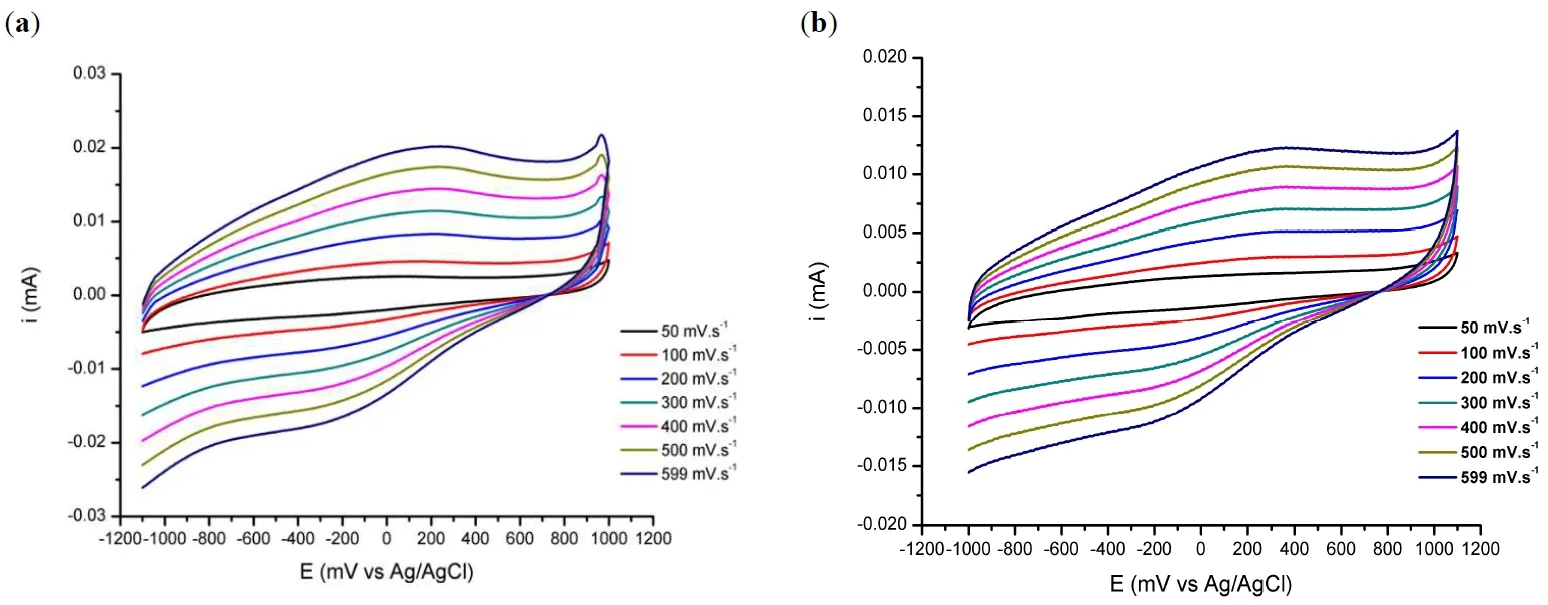
The degradation of metformin hydrochloride (MET) and glibenclamide (GLI), widely used anti-diabetics, was performed using an electrochemical advanced oxidation process, namely electro-Fenton, and several other Advanced Oxidation Processes (AOPs) of photocatalytic nature, like UV/H2O2, UV/persulfate, and UV/TiO2. The electrochemical behavior of the drugs was first characterized by cyclic and differential pulse voltammetry. The data implied that both drugs present quasi-reversible oxidation. The effect of the applied current and the airflow in the electrogeneration of hydrogen peroxide was studied. Degradations of 60% of the initial drug were obtained for aqueous solutions of 30 mg·L−1 of MET and 15 mg·L−1 of GLI by using photoelectron-Fenton conditions with 1.0 A of current and a Fe2+ concentration of 3.5 mg·L−1, although the removal of MET required 60 min of reaction while for GLI only 45 min were needed. The mineralization (organic carbon removal) percentages after 60 min of treatment were 20%and 30% for electro-Fenton and photo electro-Fenton processes, respectively. For UV/H2O2, UV/persulfate, and UV/TiO2 treatments of MET solutions, the order of observed degradations was UV/PS > UV/H2O2 > UV/TiO2 with maximum values of drug removal of 30% after 60 min of irradiation. This efficiency is lower than the removal observed with the electro-Fenton reaction. For GLI the order of degradation efficiency was UV/PS > UV/TiO2 > UV/H2O2, with maximum values of drug removals of 99.5% after only 10 min of irradiation. This performance is clearly better that in the case of electro-Fenton or photo-electro-Fenton. The removals of the two drugs when dissolved in chemical matrices that mimic real hospital wastewaters and seawater were also studied. They showed a clear dependency on the pharmaceutical of choice. While the degradation of MET was hampered by the presence of other chemicals in the two water matrices, GLI removal was remarkable, pointing towards a possible application in real wastewaters.
Open Access
Review
08 February 2025Mechanics and Synergistic Signaling of Fibronectin, Integrins, and TGF-β Isoforms
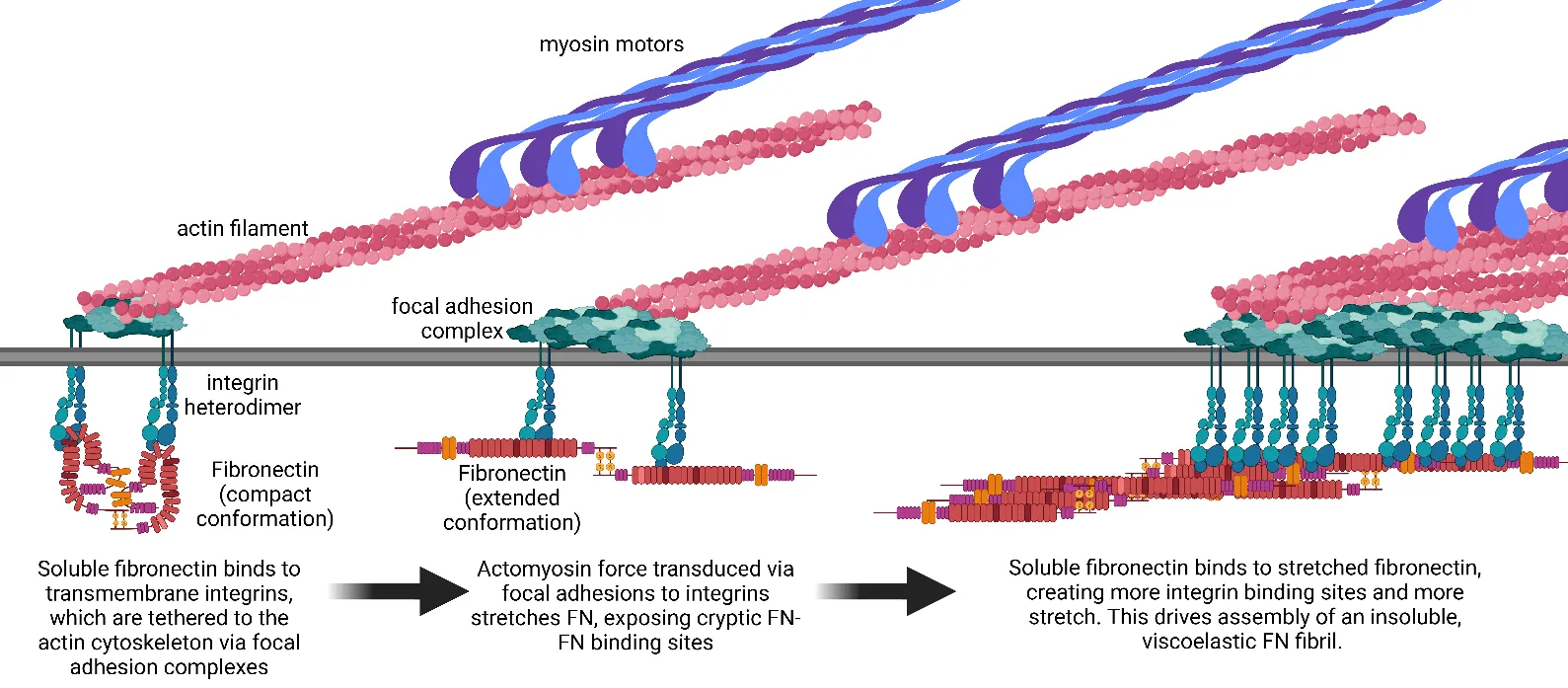
Fibrotic diseases such as pulmonary fibrosis, hepatic fibrosis, chronic kidney disease, and cancer are marked by an excess accumulation of extracellular matrix (ECM). This process involves the assembly of the ECM protein fibronectin (FN) into insoluble fibrils. FN fibril assembly is highly linked with integrin signaling, TGF-β1 signaling, and cellular contractility. This linkage consists of four stages: (i) Integrin binding and contractile forces facilitate the assembly of FN into insoluble fibrils; (ii) assembled FN fibrils bind the large latent complex of TGF-β1; (iii) activation of TGF-β1 from the latent complex requires integrin binding and contractile forces; and (iv) active TGF-β1 increases contractility, integrin expression, and FN assembly. The significance of integrin signaling and TGF-β1 signaling in fibrotic diseases is well-appreciated, as numerous clinical trials targeting integrins or TGF-β1 have been reported. However, despite a clear effort to target integrins and TGF-β1 clinically, the vast majority of these trials have failed or have been terminated. These suggest a potentially incomplete understanding of the synergistic effects of these pathways. Here we present a review of both FN fibrillogenesis and TGF-β1 signaling, as well as current opinions of under-explored areas of crosstalk related to these pathways that may explain why these have not been successfully targeted in many disease states including fibrosis.
Open Access
Article
21 January 2025Machining Characteristics of Graphene Oxide-Based Nanosuspensions in Abrasive Machining of Single-Crystal Si and SiC
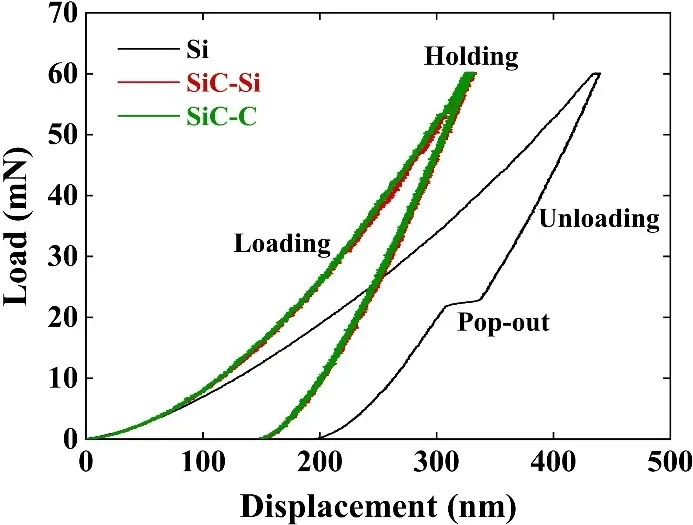
Single-crystal silicon (Si) and silicon carbide (SiC) are core semiconductor materials in communication, lighting, power generation, and transportation. However, their high hardness and wear resistance combined with low fracture toughness have posed significant challenges for high-efficiency and low-damage machining. Aqueous suspensions containing nanoparticle additives have recently been developed for sustainable manufacturing due to their satisfactory tribological performance and environmentally friendly nature. In this work, nanoadditives, including two-dimensional (2D) graphene oxide (GO) nanosheets and zero-dimensional (0D) diamond nanoparticles, were ultrasonically dispersed in water to formulate different GO-based nanosuspensions for achieving high-efficiency and low-damage abrasive machining. The experimental results indicated that GO nanosuspension was a suitable coolant for grinding Si, generating a ground surface of 32 nm in Ra, owing to its great lubricity and excellent resistance against mechanical abrasion. Diamond-GO hybrid nanosuspension demonstrated a synergistic effect in abrasion, lubrication and oxidation, which was thus appropriate for polishing SiC single crystals, leading to approximate 60% and 30% improvements in removal and roughness respectively, in comparison to a commercially available diamond suspension.
Open Access
Review
14 January 2025Artificial Intelligence and Machine Learning for Sustainable Manufacturing: Current Trends and Future Prospects
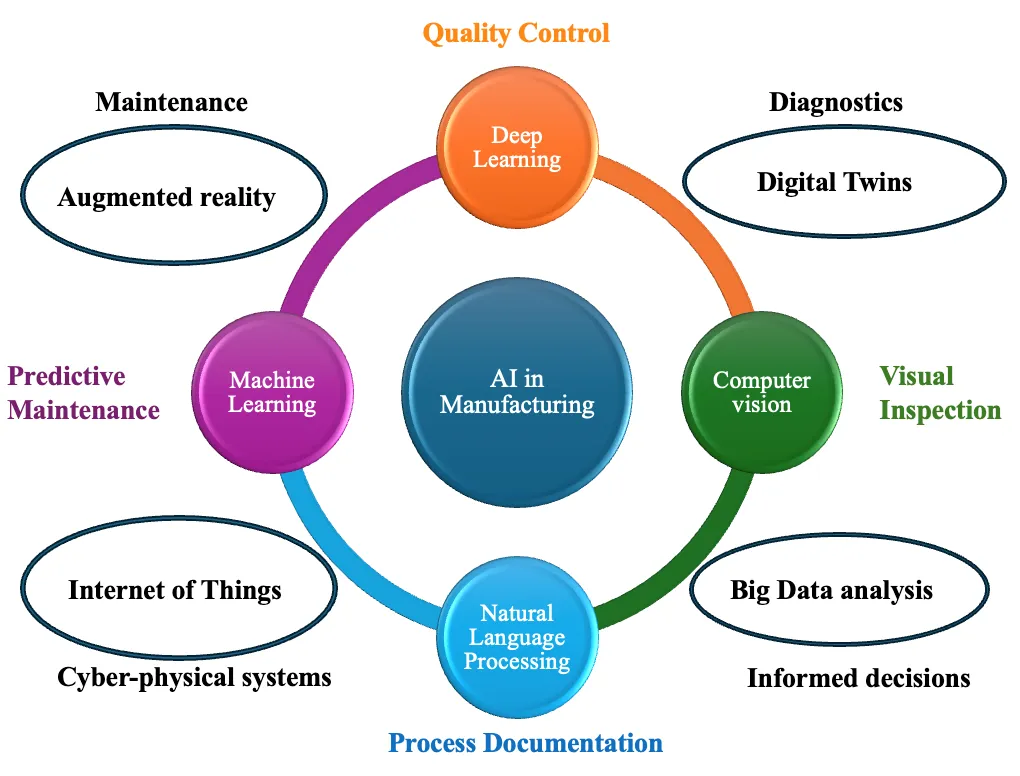
Artificial Intelligence (AI) and Machine Learning (ML) are transforming manufacturing processes, offering unprecedented opportunities to enhance sustainability and environmental stewardship. This comprehensive review analyzes the transformative impact of AI technologies on sustainable manufacturing, focusing on critical applications, including energy optimization, predictive maintenance, waste reduction, and circular economy implementation. Through systematic analysis of current research and industry practices, the study examines both the opportunities and challenges in deploying AI-driven solutions for sustainable manufacturing. The findings provide strategic insights for researchers, industry practitioners, and policymakers working towards intelligent and sustainable manufacturing systems while elucidating emerging trends and future directions in this rapidly evolving field.
Open Access
Article
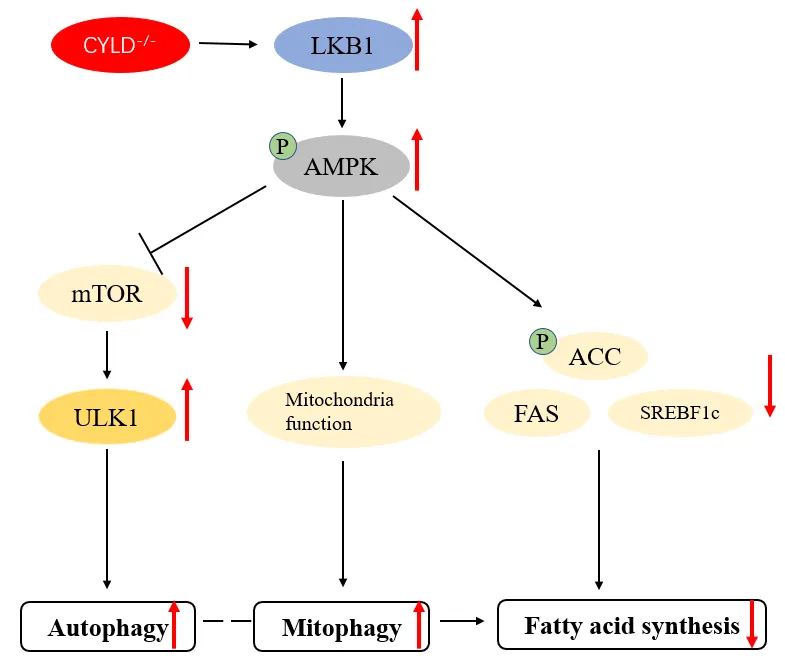
14 January 2025CYLD Regulates T Cell Metabolism and Mitochondrial Autophagy through LKB1/AMPKα Pathway
The deubiquitinating enzyme cylindromatosis (CYLD) plays a fundamental role in regulating T cell development and activation. Previous studies have shown that CYLD is associated with autophagy, while AMP activated protein kinase (AMPK) pathway regulates the development of autophagy and affects cell metabolism. However, the mechanism by which CYLD affects autophagy and whether it affects the downstream metabolism of AMPKα remains unclear. In this study, we used the CYLD gene knockout model in Jurkat cells to investigate the mechanism of CYLD and autophagy and its relationship with cellular metabolism. The results show that CYLD deletion promotes autophagy through AMPKα/mTOR/ULK1 signaling pathway, promotes mitochondrial autophagy to improve mitochondrial function and attenuates cell lipid metabolism in Jurkat cells.