Found 565 results
Open Access
Review
01 April 2025Sustainable Manufacturing and Applications of Wide-Bandgap Semiconductors—A Review
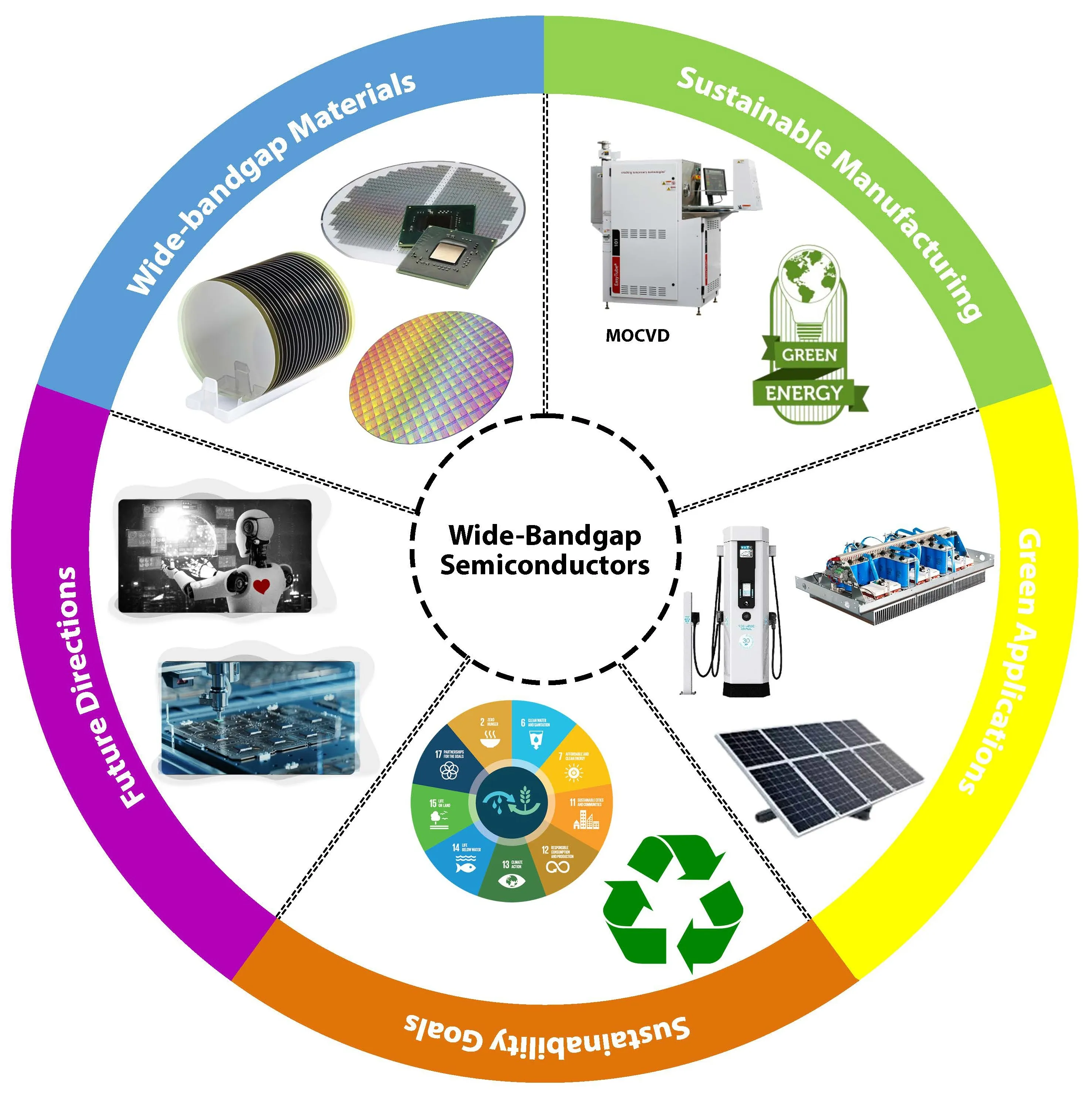
Wide-bandgap (WBG) semiconductors such as silicon carbide (SiC) and gallium nitride (GaN) are revolutionizing high-power electronics due to their superior thermal conductivity, breakdown voltage, and energy efficiency. These materials are critical in electric vehicles, renewable energy systems, and high-frequency applications like 5G infrastructure. However, their production processes are resource-intensive and present significant environmental challenges. This review evaluates recent advancements in sustainable WBG semiconductor manufacturing, focusing on low-energy epitaxial growth, closed-loop recycling, and the mitigation of toxic by-products. Additionally, it highlights the role of Industry 4.0 innovations, such as AI-driven process optimization and IoT-based resource management, in enhancing sustainability. The review identifies research gaps in cost reduction, alternative WBG materials like Gallium Oxide (Ga2O3) and Diamond, and scalable green manufacturing solutions. It underscores the necessity for industry-wide collaboration and regulatory frameworks to drive the adoption of eco-friendly semiconductor fabrication. The findings of this study provide a roadmap for advancing sustainability in WBG semiconductor production, ensuring their long-term viability in the transition toward energy-efficient technologies.
Open Access
Case Report
01 April 2025Behcet’s Disease: An Uncommon Cause of Severe Tricuspid Stenosis
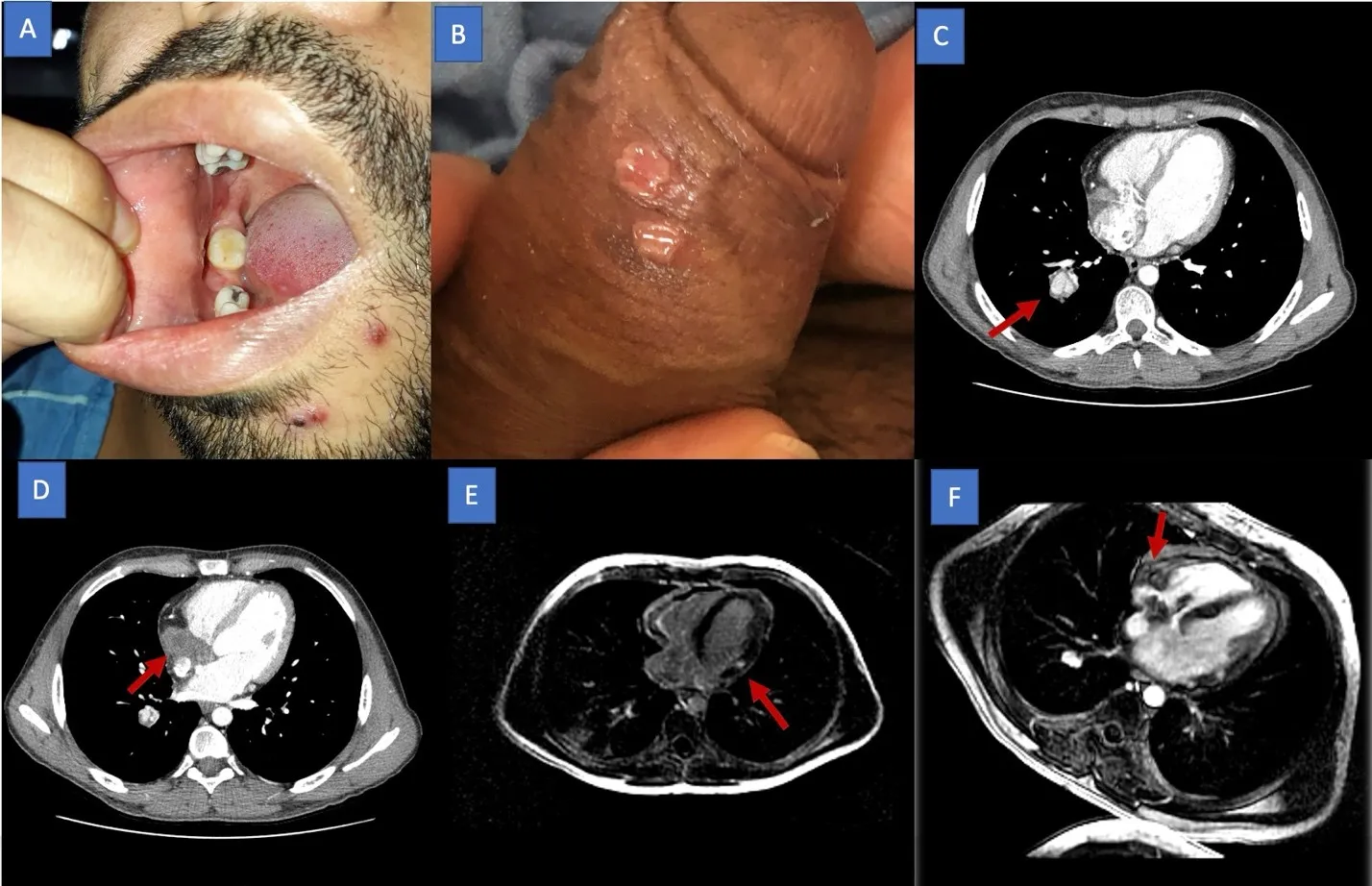
Behçet’s disease is a vasculitic condition of unknown etiology that is characterized by oral and genital ulcers as well as various skin and ocular lesions. Cardiovascular manifestations of Behçet’s disease are rare, with very few cases having been reported previously in literature. We report a case of severe tricuspid stenosis and pulmonary artery aneurysm in a 29-year-old man with Behçet’s disease, who demonstrated characteristic vascular findings on computed tomography angiography and diagnostic valvular findings on transthoracic echocardiogram and cardiac magnetic resonance imaging. The patient’s Behçet’s disease was treated initially with cyclophosphamide, azathioprine, and prednisone, which subsequently led to complete resolution of the pulmonary artery aneurysm. As for the tricuspid stenosis, though symptoms were managed with diuretic therapy, the severity of valvular dysfunction required consideration and an attempt at tricuspid valve replacement surgery, which unfortunately was met with complications and led to an unfavorable outcome of refractory cardiogenic shock and death. Given the rarity of cardiovascular involvement in patients with Behçet’s disease, along with the lack of clear treatment guidelines, management of findings of tricuspid stenosis and pulmonary artery aneurysm in these patients can be challenging.
Open Access
Commentary
01 April 2025
Open Access
Perspective
01 April 2025Perspectives on the Development in the Selective Oxidation of Glycerol to Value-Added Chemicals via Photoelectrocatalysis Coupled with Hydrogen Evolution
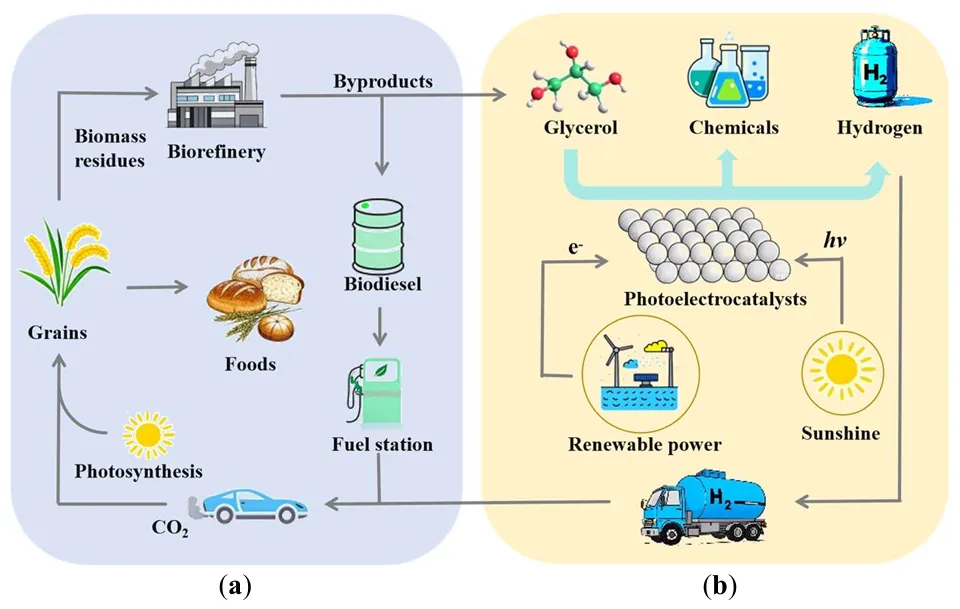
Harvesting sunlight to produce clean hydrogen fuel remains one of the main challenges for solving the energy crisis and ameliorating global warming. Photoelectrochemical (PEC) water splitting is considered to be a promising method for H2 production in the future. However, the efficiency still remains challenging due to the sluggish reaction dynamics for water oxidation. Recently, the thermodynamically favorable oxidation of glycerol in PEC systems has gained significant attention for its ability to produce value-added chemicals while simultaneously generating hydrogen. This process not only enhances the yield of high-value products but also minimizes energy consumption and reduces CO2 emissions. Valuable products from glycerol oxidation include 1,3-dihydroxyacetone (DHA), glyceraldehyde (GLD), tartronic acid (TA), formic acid (FA), and glyceric acid (GA). Thus, it is important to improve selectivity and productivity. In this work, we mainly summarize the recent research progress in improving the selectivity and productivity of glycerol upgrading products on the different photoanodes.
Open Access
Review
31 March 2025Research Status and Development Trend of Floating Photovoltaic Structure System
Under the guidance of the dual carbon goals, the development and utilization scale of new energy in China, including photovoltaics and wind power, has steadily increased. Particularly, the floating photovoltaic technology in inland waters has been developing quickly over the past decade because it could compensate for certain shortcomings of traditional terrestrial photovoltaics. The offshore floating photovoltaic (FPV) pilot projects are also continuously emerging due to the advantages of longer daylight hours, higher radiation levels, and enhanced efficiency of light utilization in marine environments compared to terrestrial settings under identical solar irradiance conditions. To comprehensively understand the development prospects of offshore FPV systems, the development progress of FPV systems was traced, and an analysis was conducted on the forms of various types of floating structures, their technical characteristics, and their applicability in the marine environment. Summarization was carried out on the floating photovoltaic mooring system in terms of the classification of the mooring, the chain deployment mode, the form of the mooring foundation, etc., and a few new types of mooring systems were put forward. Finally, the development trend of the offshore FPV system was predicted.

Open Access
Research Highlight
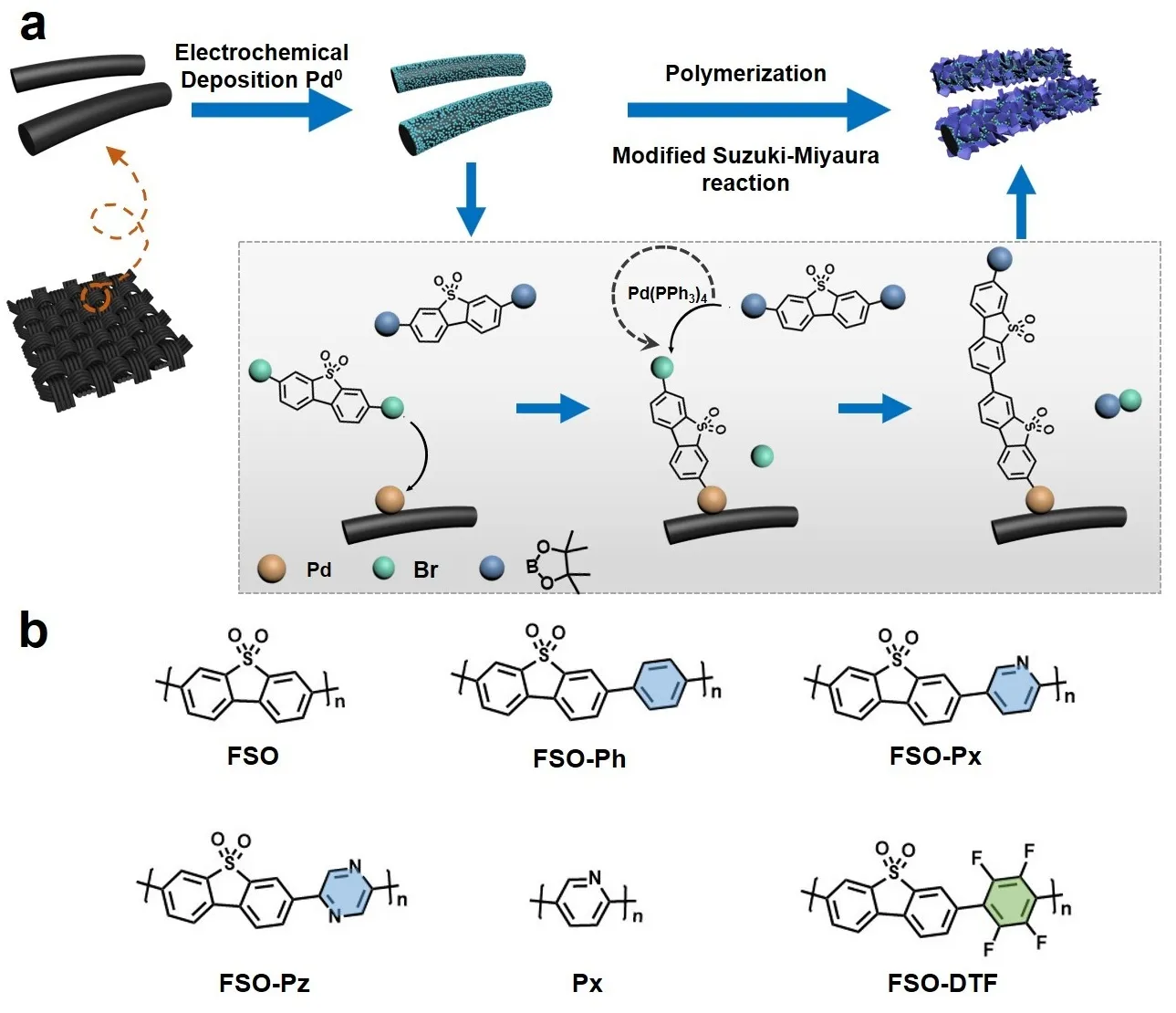
31 March 2025Linear Semiconducting Polymers as Photoanodes for Oxidation Reactions
Photoelectrochemical (PEC) water splitting has attracted significant attention in the general field of photocatalysis. However, the high cost of constructing PEC systems limits their practical application. Recently, an innovative approach was proposed to synthesize linear semiconducting polymer-based films. The polymer structure was optimized for oxidation reactions. Furthermore, the active site of the optimal linear polymer was investigated through in-situ characterizations. This work has the potential to address the challenges of high material costs and polymer film development in PEC technology.
Open Access
Review
27 March 2025State of the Art in Wave Energy Conversion Technologies in China
This paper reviews the advancements in wave energy converter technologies in China, covering device design, performance evaluation, and system control techniques. It highlights power control technologies in wave energy conversion, including adaptive control, model predictive control, clutch control, clamp control, resistive load control, approximate optimal speed control, nonlinear control, and intelligent control methods. Through an analysis of these technologies, the study outlines the future directions and challenges in wave energy development in China, while also proposing potential pathways for optimizing the performance of wave energy conversion devices.

Open Access
Article
25 March 2025Kinetic and Experimental Analysis of the Effect of Heating Rate on Combustion Performance of Cokes
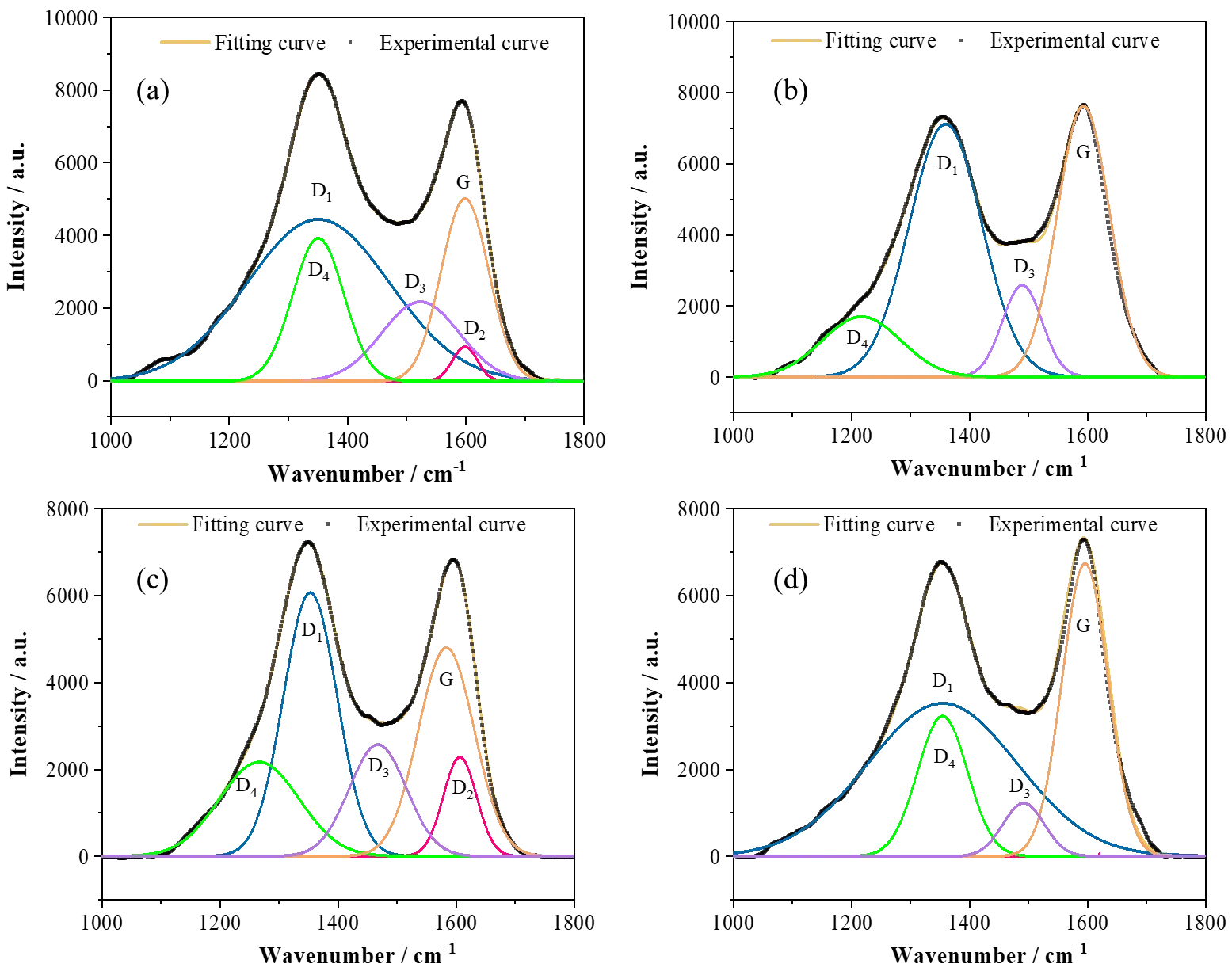
Under the continuous advancement of the dual-carbon strategy, enhancing the efficient utilization of coke as the primary fuel in sintering processes holds significant importance. This study employed multiscale techniques (XRD, Raman, TG-DTG, DSC, and kinetics) to investigate four types of coke (JY, JH, MJ, WG), establishing a structure-activity relationship between microstructure, heating rate, and combustion behavior for sintering optimization. With high graphitization and ordered structure, JH coke shows rising activation energy under increasing heating rates, which is ideal for stable low-temperature combustion and SO2 reduction. In contrast, WG coke exhibits a defective structure and declining activation energy, enabling rapid high-temperature combustion (>800 °C) with minimal CO emissions via staged combustion. JY coke displays erratic activation energy due to high ash and structural disorder, necessitating pre-screening and blending for controllability. MJ coke achieves stable activation energy through compositional homogeneity and moderate structure, balancing dynamic temperature gradients but requiring ash distribution control to limit liquid phase formation. Heating rate critically modulates combustion: elevating from 5 to 15 °C/min broadens combustion intervals, shifts exothermic peaks from narrow-sharp to broad-high profiles, and enhances reactivity. WG excels at high rates with peak combustion rates and optimal performance. These findings reveal structure-dependent activation energy trends: ordered structures (e.g., JH) resist thermal activation at higher rates, while defective configurations (e.g., WG) promote reactivity. Strategically, JH and WG suit complementary thermal zones. This work provides a structure-activity framework for coke selection and technical pathways to achieve energy-efficient, low-emission sintering, advancing the industry’s low-carbon transition.
Open Access
Article
25 March 2025Integrated Habitat Assessment of a Protected Fish Species in the Upper Yangtze River, China: Connectivity and Suitability
In the context of anthropogenic climate change, dam construction, and other human activities, the biodiversity of freshwater fish is rapidly declining. The Upper Yangtze River Basin (UYRB) is a hotspot for hydropower development and is home to numerous endemic and rare freshwater fish species, most of which are on the brink of extinction. Schizothorax chongi is an endangered and protected fish species endemic to the UYRB, with significant economic and ecological value. However, the potential habitat of its wild population has not been reported, which hampers conservation efforts for this valuable species. This study utilized the Dendritic Connection Index (DCI) and Species Distribution Models (SDMs) to assess habitat connectivity in the UYRB and habitat suitability for S. chongi during the periods 1970–2000 and 2001–2020, respectively. The results show that S. chongi habitats underwent significant reduction during the 2001–2020 period, with the total length of medium and high suitability habitats decreasing by 51.7%. However, high suitability habitats in the southern section of the middle and lower Jinsha River, which is located in the upper and middle part of the UYRB, did not experience a noticeable reduction. Despite the relatively high habitat suitability maintained in the southern section of the middle and lower Jinsha River, connectivity has significantly declined. Restoring connectivity reduced by dam construction in this region is critically urgent. This study is the first to conduct a watershed-scale assessment of fish habitat integrating habitat suitability and connectivity providing valuable insights for local governments to develop specific conservation measures and plans. It can offer a valuable reference for researchers in the field of freshwater fish conservation.

Open Access
Review
24 March 2025Recent Advances and Challenges in Engineering Metabolic Pathways and Cofactor Regeneration for Enhanced n-Butanol Biosynthesis
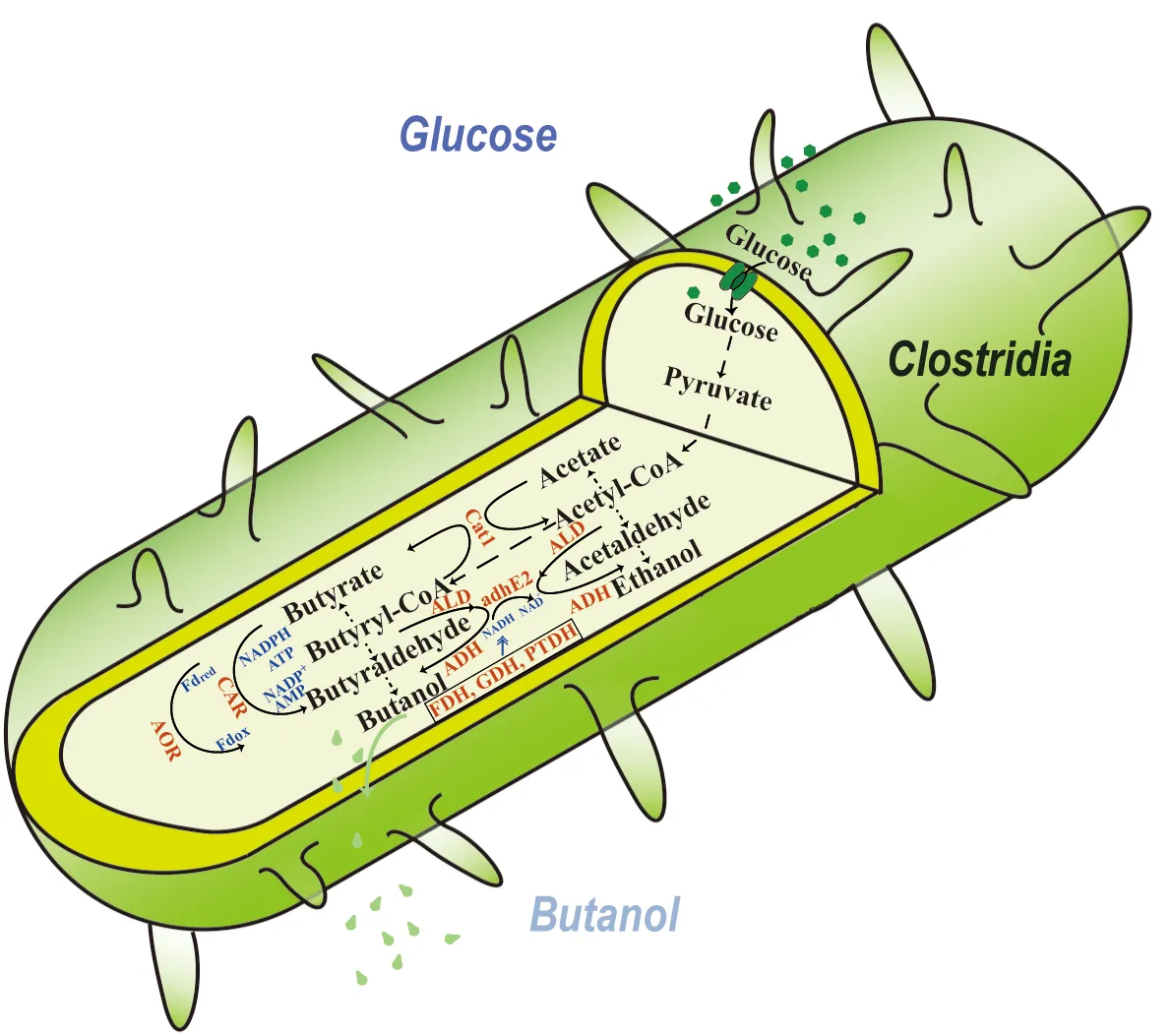
The biological production of n-butanol has seen renewed interest due to the need for the production of sustainable aviation fuel, for which n-butanol serves as a direct precursor. However, biological production of this alcohol is still limited by the fermentation’s low titers and low yields. Many approaches have been taken to increase n-butanol production, such as using alternative host organisms, utilizing heterologous enzymes for acid reduction and cofactor regeneration, and protein engineering of critical enzymes in the n-butanol production metabolic pathway. This review highlights key achievements made in each of these areas and shows the potential for these approaches in increasing n-butanol production. The review closes by pinpointing the challenges and limitations in these approaches and recommends that the ultimate approach to n-butanol production should inevitably utilize noncanonical redox cofactors to drive metabolic flux for butanol biosynthesis from glucose.