Found 492 results
Open Access
Commentary
29 July 2025
Open Access
Review
28 July 2025Laser-Assisted Forming of Ultra-High Strength Steels: A Critical Review of Mechanisms, Processes, and Future Directions
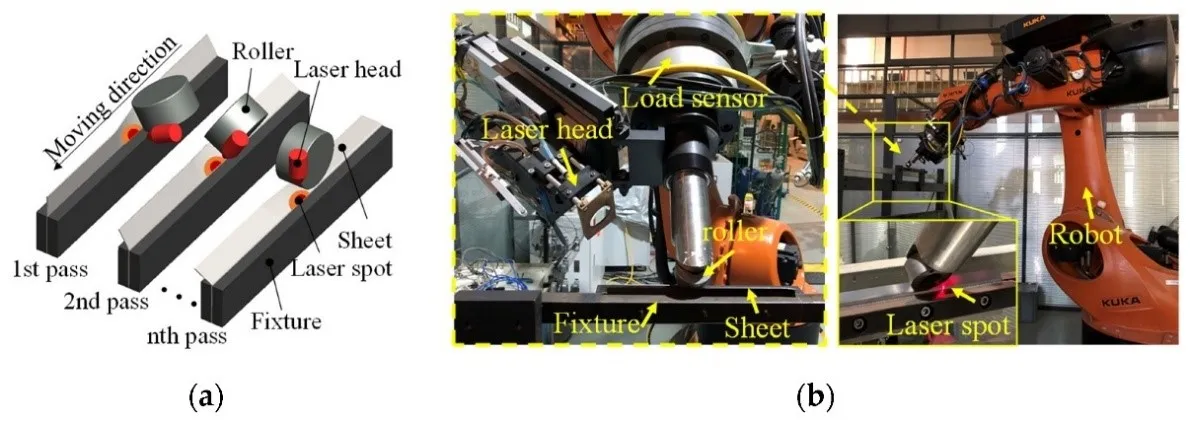
Ultra-high strength steels (UHSS) are critical for lightweighting in the automotive and aerospace industries, but their poor room-temperature formability presents a significant manufacturing barrier. Laser-assisted forming (LAF) has emerged as a key enabling technology that utilizes localized laser heating to reduce forming forces, enhance ductility, and mitigate springback. This paper provides a critical review of the state-of-the-art in LAF of UHSS. It begins by elucidating the governing principles, including the coupled thermo-mechanical and metallurgical mechanisms such as thermal softening, dynamic microstructure evolution, and non-equilibrium phase transformations. The review then systematically surveys the major LAF process variants—including bending, roll forming, and incremental forming—and their applications in fabricating complex UHSS components. Despite its proven advantages, significant challenges impede its widespread industrial adoption. The most critical issues are identified and discussed, including local mechanical property degradation due to uncontrolled thermal cycles, the complexity of predictive multi-physics modeling, and the need for robust in-situ process monitoring and control. Ultimately, this review presents a forward-looking perspective, proposing future research directions that focus on microstructure management, the development of high-fidelity digital twins, and the implementation of intelligent closed-loop control systems to ensure process stability and part integrity. This work provides a comprehensive roadmap for advancing the science and technology of LAF for next-generation lightweight manufacturing.
Open Access
Article
28 July 2025Investigating Touch DNA Success Rates in Vehicle Sites for Hit-and-Run Casework
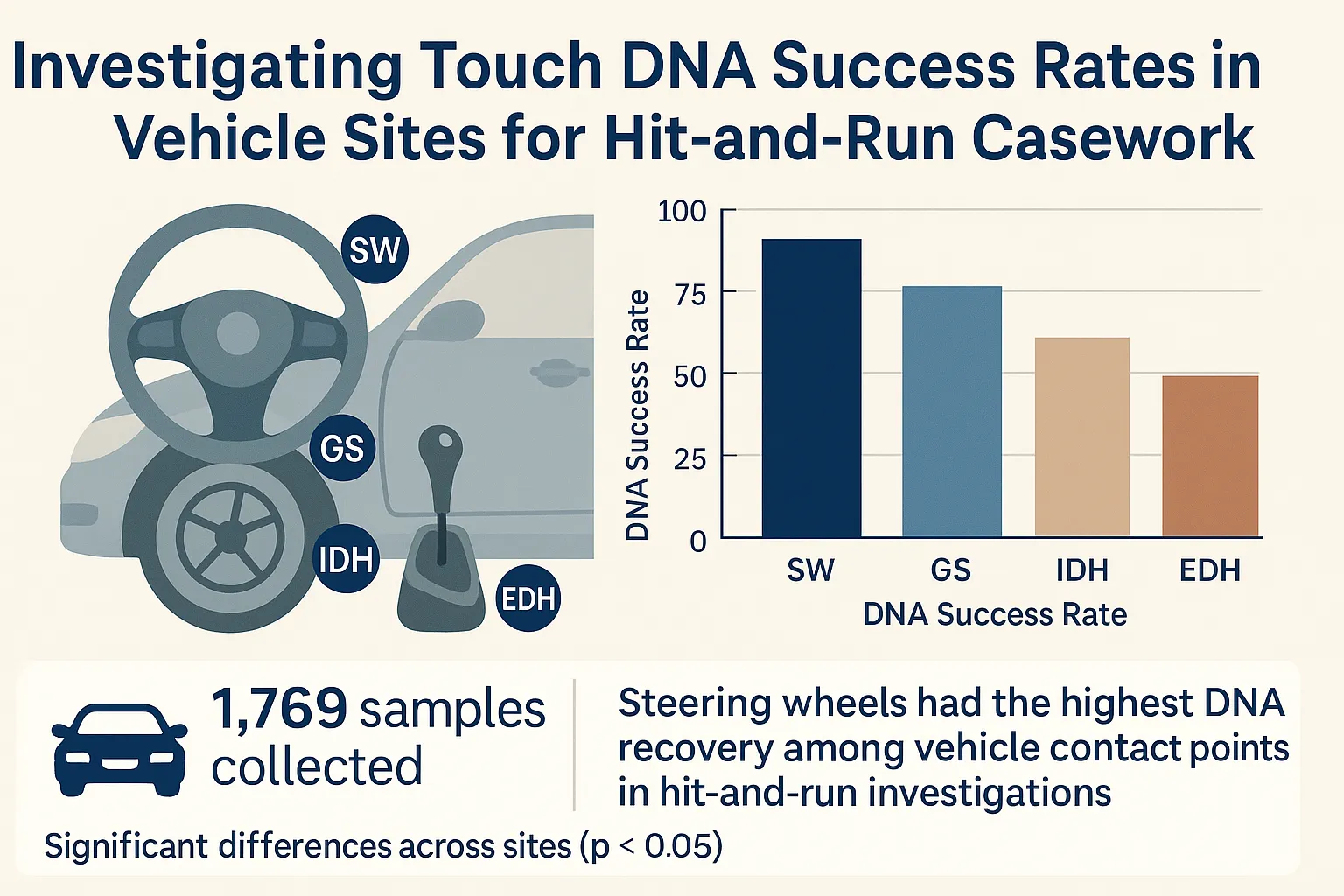
This study evaluated the effectiveness of Touch DNA recovery from four key vehicle contact points—steering wheel (SW), gear shift (GS), interior door handle (IDH), and exterior door handle (EDH)—in the context of hit-and-run forensic casework. 1769 samples were collected from 359 vehicles processed between 2020 and 2023. Statistically significant differences were observed in the quantity and quality of DNA recovered across these sites (p < 0.05). The steering wheel yielded the highest DNA success rates, followed by the gear shift, whereas the exterior and interior door handles demonstrated substantially lower recovery efficiency. These findings underscore the critical role of strategic sampling site selection in maximizing evidentiary outcomes. The results support prioritizing the steering wheel and gear shift as primary targets for DNA collection in vehicle-based investigations. The study highlights the practical utility of Touch DNA in linking individuals to vehicular crimes and calls for further research into alternative sampling techniques and contamination control measures to optimize forensic DNA recovery protocols in real-world hit-and-run scenarios.
Open Access
Article
24 July 2025The Semantic Evolution and Cultural Cognition of the English Basic Color Term “Green”—A Diachronic Analysis Based on Cognitive Anthropology
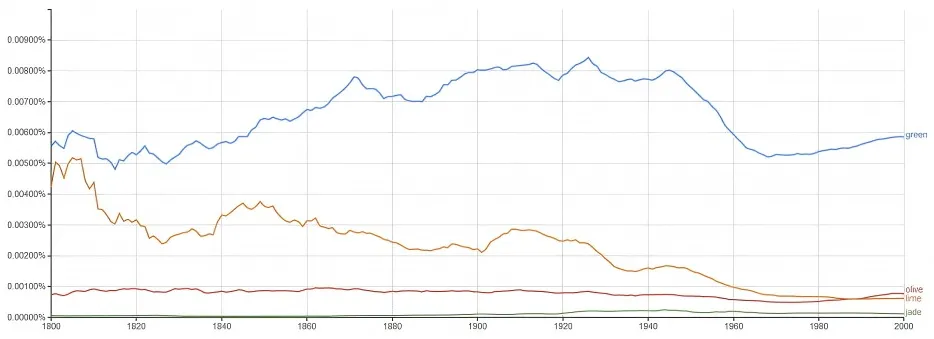
Based on cognitive anthropology theory, this study systematically explores the semantic evolution path and cultural cognitive mechanisms of the English basic color term “green”. Through analyzing the etymology, semantic extension, and usage frequency of the color term “green” in English, the study reveals its complex transformation from a natural attribute to a socio-cultural symbol. The results indicate that the semantic evolution of the color term “green” is influenced not only by the universality of human visual cognitive mechanisms, but also profoundly reflects the ecological concepts, political ideologies, and socio-psychological characteristics present in English culture. These findings provide a new analytical dimension for research on color terms and deepen the understanding of the relationship between language and culture.
Open Access
Article
24 July 2025Anthropological Pathways to Cultural Understanding: “Language Learning Circles in Early Childhood Bilingual Education in the U.S.A.”
This article presents a literature review that employs an anthropological perspective to investigate the role of Language Learning Circles (LLCs) in fostering early bilingual development and cultural identity among Hispanic children in the United States. As the Spanish-speaking population grows, the need for culturally grounded language education becomes more urgent. LLCs, rooted in educational and anthropological traditions, serve as structured, dialogic spaces where language learning is tied to cultural practices such as storytelling, music, and rituals. Drawing on theories of language socialization, cultural artifacts, and communicative competence, this paper situates LLCs within broader anthropological discussions on identity, belonging, and community building. By highlighting how LLCs promote linguistic diversity, foster cross-cultural understanding, and employ inclusive teaching methods, the article offers insights into how early childhood education can serve as a powerful site for cultural transmission and resistance. Special focus is given to the implications for Hispanic families navigating bilingualism and educational equity in the U.S.

Open Access
Article
23 July 2025Harnessing Nature’s Colours: Experimental and Computational Insights into Bixa orellana Pigments for Next-Generation Dye-Sensitized Solar Cells
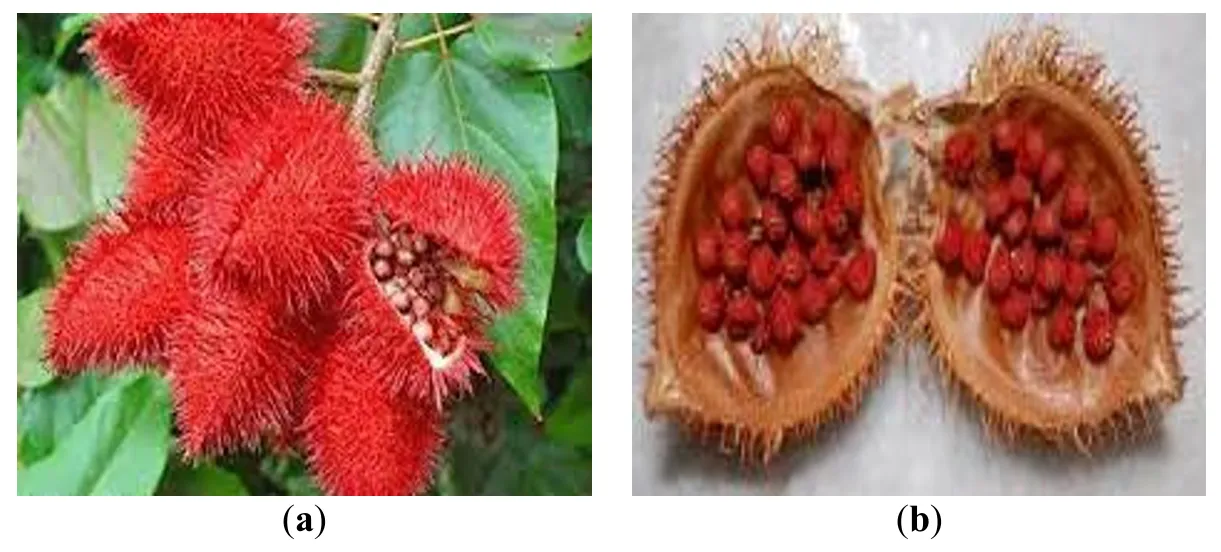
The potential of Bixa orellana (annatto) pigments, specifically bixin and norbixin, as sensitizers for dye-sensitized solar cells (DSSCs) was investigated. The pigments were extracted using various solvents (acetone, methanol, ethanol, and hexane), and their optical and photo-electrical properties were investigated using UV-Vis spectroscopy and photoelectrical analysis. Results indicate that acetone extract (a-AP) exhibited the highest power conversion efficiency (PCE) of 0.786%, attributed to its broad absorption spectrum and optimal electronic properties. Quantum chemical calculations revealed that both bixin and norbixin exhibit favourable frontier orbital energies and energy gaps, making them well-suited for efficient electron injection and light absorption. These findings position Bixa orellana pigments as promising, eco-friendly alternatives to conventional synthetic sensitizers, offering a pathway toward more sustainable, locally adaptable, and efficient solar energy harvesting.
Open Access
Article
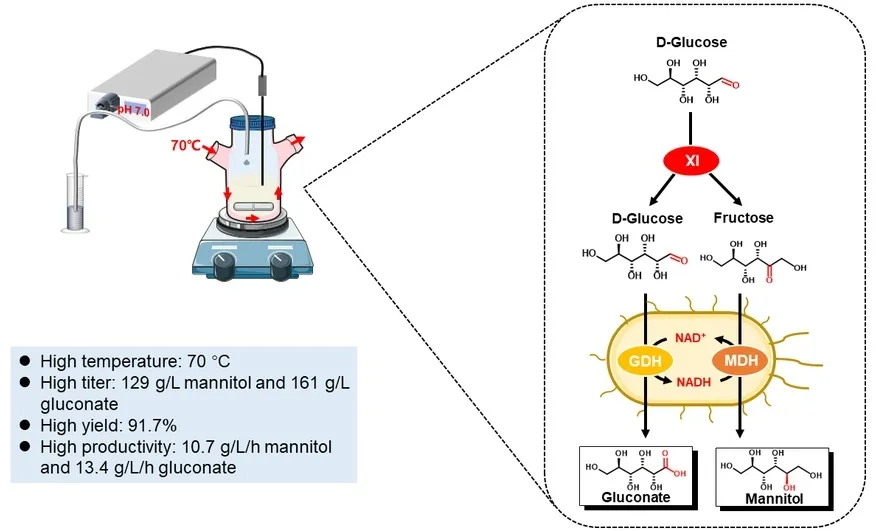
21 July 2025Rapid Production
of High-Titer d -Mannitol and
Gluconate Catalyzed by a Combination of Whole-Cell and an Enzyme at High
Temperatures
Open Access
Article
21 July 2025Mechanism Obstacles and Path Breakthroughs for International Low-Carbon Technology Sharing
The deepening of global climate governance urgently needs to solve the institutional predicament between the monopoly and sharing of low-carbon technologies. In analyzing the institutional obstacles to the sharing of low-carbon technology, the study found significant asymmetric conflicts between developed and developing countries in technology supply, institutional rules, and market dynamics. The current international rule system (such as the Agreement on Trade-Related Aspects of Intellectual Property Rights and Bilateral Investment Agreement) has solidified the “central-periphery” pattern of technology distribution through tools such as “prohibition provisions on compliance requirements” and “green patent barriers”, resulting in developing countries facing dual pressures of “compliance costs” and “technology dependence”. In contrast, developed countries have fallen into the predicament of “innovation involution” due to the mismatch of technological application scenarios. Based on the theory of the technology life cycle and the perspective of subject complementarity, there is a structural mutual benefit space in the supply and demand of low-carbon technologies among different countries: developing countries can shorten the industrial decarbonization cycle through technology sharing, while developed countries rely on technology diffusion to digest excess capacity and consolidate their dominance in rules. By deconstructing the practical effectiveness of the low-carbon patent sharing platform and the defensive patent licensing model, it is highly feasible to reconstruct the technology sharing incentive framework with the “open-source mechanism”. Constructing a multi-level incentive mechanism to promote corporate participation, introducing dynamic defensive patent commitments, strengthening institutional capacity building, establishing a coordinated regulatory mechanism, and enhancing stakeholder compliance mechanisms are institutional optimization pathways. These provide a legal basis for harmonizing the exclusivity of intellectual property rights with the public nature of climate governance, and also offer strategic references for China’s participation in the formulation of global low-carbon technology regulations.
Open Access
Article
21 July 2025Dynamic Analysis of Shared Moorings in Different Wind Farm Layouts
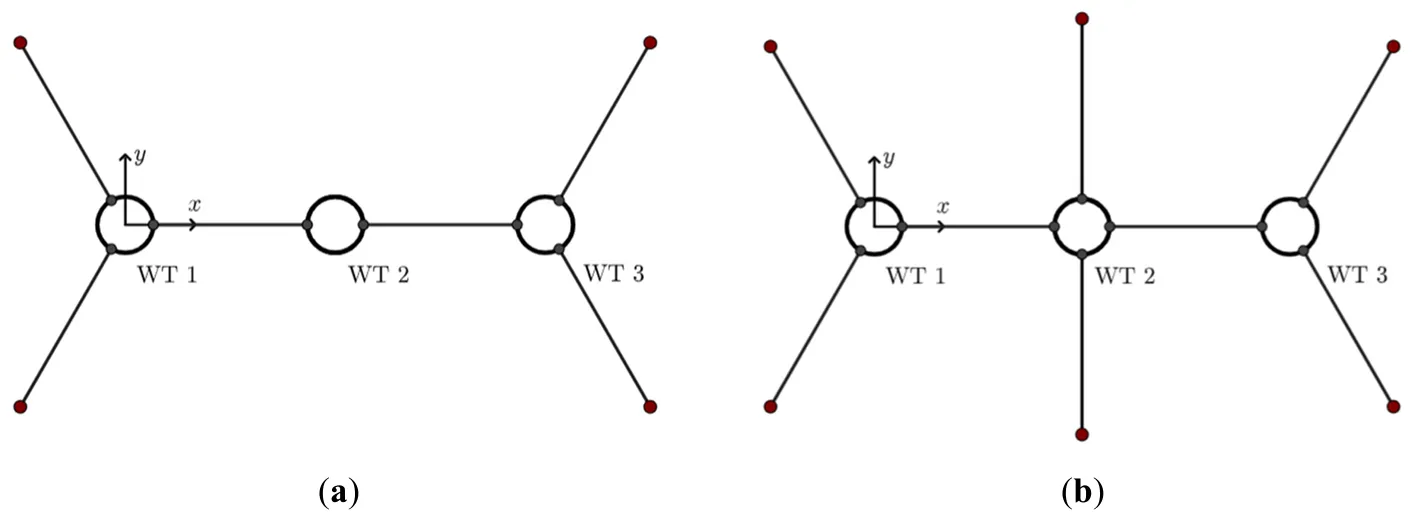
The effects of shared mooring in offshore wind farms are investigated through numerical simulations in the present study. Different farm layouts are modelled and tested in SIMA coupled dynamic analysis software with three and four floaters. The wind turbine and the platform are based on the OC3 project from NREL: a 5-MW wind turbine and a spar floater with a 120-m draft. The water depth is 320 m, and the environmental loads are defined for an average operational condition. Firstly, the static results of the mooring line tension at the fairleads and anchors from the numerical model are compared with the values from the open-source MoorPy code. Then, domain simulations are conducted for three hours, and the dynamic behaviour of the floaters is analysed with a focus on surge and pitch motions. In addition, the dynamic stiffness effects of the polyester in the shared mooring line are considered in the SIMA simulations. The mooring line tensions are analysed, determining the global maximum tension across all systems. Results show that designs with two windward legs have significantly lower anchor mooring line tensions than those with a single windward leg, with no relevant variation in platform surge and pitch. Thus, the former systems are preferable for further investigation.
Open Access
Review
16 July 2025Heterogeneous Catalyzed Electrochemical Conversion of CO2 through C-N Bond Formation
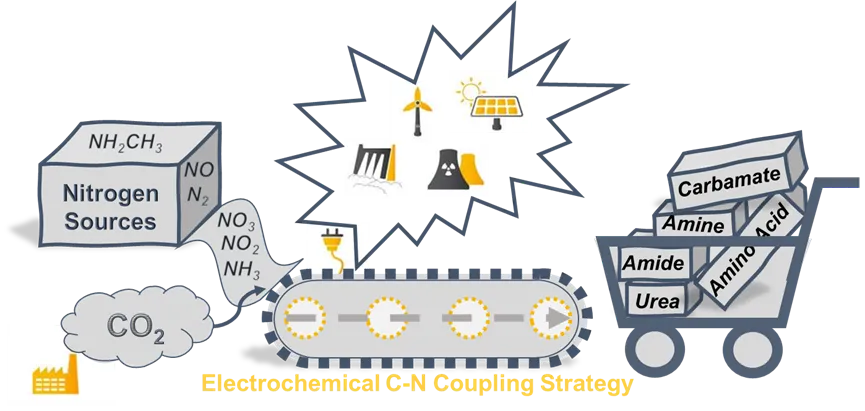
The electrocatalytic transformation of carbon dioxide into valuable chemical compounds has gained increasing significance, particularly in the production of nitrogen-containing species via C-N bond formation. This review is organized around the “nitrogen source as the main thread, the product as the branch, and the mechanism as the underlying logic”, summarizing and discussing the latest research work on the formation of C-N bonds involving CO2 under electrochemical conditions. Firstly, these works are classified by the N-containing substrates (oxynitrides, dinitrogen gas, and ammonia) and productions (urea, amines, amides, carbamates, and amino acids). Then, various types of electrocatalysts are demonstrated in depth, including experimental and theoretical results. Finally, the conclusion is presented as well as the future perspectives.