
Towards an Integrated Future: Examining Water, Climate, and Gender Dynamics for Sustainable Development in Kenya
Towards an Integrated Future: Examining Water, Climate, and Gender Dynamics for Sustainable Development in Kenya

Received: 11 December 2025 Revised: 27 January 2026 Accepted: 13 March 2026 Published: 25 March 2026

© 2026 The authors. This is an open access article under the Creative Commons Attribution 4.0 International License (https://creativecommons.org/licenses/by/4.0/).
1. Introduction
Water resources, climate change, and gender dynamics form a complex nexus of interlinkages that influences society’s sustainability and equitable development [1]. Water is essential for human health, food production, energy generation, and ecosystem integrity. Its availability and quality are increasingly compromised by the intensifying impacts of climate change, characterized by erratic precipitation, droughts, floods, glacial melt, and sea-level rise [2,3]. Changes in precipitation patterns and rising global temperatures alter aquifer recharge, river flows, and the timing and intensity of both droughts and floods. This phenomenon exacerbates water scarcity, increases contamination risks, and heightens conflict over the equitable distribution and use of water resources [4]. Diminished water supply combined with increased demand leads to increased competition, prices, and widened access inequities [5]. Consequently, climate induced water stress heightens economic, social, and environmental vulnerabilities across all sectors [6].
Gender roles and social structures mediate how communities experience and respond to water and climate-related stresses [1]. In many parts of Kenya, women and girls play central roles in household water management, yet the literature documents substantial variation by settlement type, livelihood system, household structure, and infrastructure access [7,8]. While women are excluded from some formal decision-making spaces, evidence also highlights women’s agency through informal negotiation, community organizing, livelihood adaptation, and local roles in water governance and conflict resolution [9,10]. Therefore, gendered vulnerability should not be treated as uniform or inevitable; rather, it reflects the interaction of social norms, economic resources, mobility, safety, and institutional design [11,12].
Kenya is categorized as a water stressed country [13,14], and remains at risk of water shortage for an extended period [15]. Water resources are at risk of depletion due to overexploitation, mismanagement, rapid population growth, poor water quality, and climate change [16,17,18]. In addition, climate change, which is associated with rainfall variability, droughts, and floods, severely affects water availability and affordability [19,20,21]. These compromise the achievement of the Sustainable Development Goals (SDGs) and environmental sustainability [22]. It also leads to inter-community water conflicts, resulting in insecurity among residents [23]. Hence, there is a call for prudent water governance and the cooperation of water institutions and civil societies in the management of the scarce water resources.
Recent national indicators underscore the scale of the challenge. Kenya’s population was 56,432,944 in 2024 [24]. According to the 2024 WHO/UNICEF Joint Monitoring Programme (JMP) household estimates, 65.6% of the population had access to at least basic drinking water services, while 18.9% continued to depend on surface water sources (Table 1). Additionally, 40.9% of individuals utilized at least basic sanitation services, and 57.5% had access to basic handwashing facilities with soap and water [25] (Table 1). Women’s presence in formal authority is evident but remains limited (Table 1). As of February 2024, women held 23.3% of seats in Kenya’s parliament [26]. These indicators provide a quantitative baseline for interpreting how climate pressures on water systems intersect with gendered roles, opportunities, and constraints.
Table 1. Kenya WASH and demographic context (selected indicators).
|
Indicator |
Value |
What It Supports in the Manuscript |
References |
|---|---|---|---|
|
Total population |
56,432,944 |
Scale of demand pressure on water systems and services |
[24] |
|
People using at least basic drinking water services |
65.6% |
Progress in access + remaining gaps |
[25] |
|
People relying on surface water for drinking |
18.9% |
Exposure to unsafe/variable sources under climate stress |
[25] |
|
People using at least basic sanitation services |
40.9% |
Sanitation constraints alongside water insecurity |
|
|
People with basic hygiene (handwashing facility with soap and water) |
57.5% |
Hygiene constraints; links to care burdens and health impacts |
[25] |
|
Seats in parliament held by women |
23.3% |
Women’s presence in formal authority, while representation remains limited |
[26] |
Note: Drinking water, sanitation, and hygiene service levels follow JMP household service ladder definitions [26].
Climate change impacts have been demonstrated to generate diverse outcomes for women and men [28,29]. Women and girls are dispropotionately affected due to various delegated responsibilities such as water collection, and management of community natural resources [7,30,31]. In addition, they are affected by other identified consequences such as physical burden associated with water collection, environmental pollution, lost time, and negative impacts on education [32,33]. Further, they face a heavier burden from a lack of sufficient access to clean water resources, proper sanitation, and good hygiene. These inequalities undermine the universal realization of safe water, adequate sanitation, and climate resilience. For example, water scarcity and poor sanitation impede progress on both SDG 6 (clean water and sanitation) and SDG 5 (gender equality), by undermining the health, safety, and education of women and girls [1,34]. This highlights the urgency for integrating gender perspectives and capacity building initiatives into climate and water policies.
The demonstration of the water-climate-gender nexus across Kenyan regions is evident. For example, climate-induced water stress has led women in Kitui to pay water vendors or negotiate access to male-controlled water points through social networks or informal agreements involving cash or labor [7]. Second, the added burden of securing water, managing livestock losses, and dealing with food insecurity due to drought in Marsabit and Samburu increased women’s workload by 48%, compared to 32% for men [35]. Third, although culture dictates that women are primarily water carriers, growing water scarcity has led to increasing male participation through mechanized methods [36]. Finally, water scarcity imposes a heavy burden on women and girls, who often spend hours fetching water, especially during droughts. These, combined with insufficient sanitation, prevent girls from attending school [8]. Thus, the water-climate-gender nexus presents opportunities and challenges for achieving Sustainable Development Goals (SDGs), especially SDG 6 (Clean water and Sanitation), SDG 5 (Gender Equality), and SDG 13 (climate action) [1,37].
Effective pursuit of these SDGs necessitates an integrated governance framework that addresses the nexus of water, climate, and gender. Failure to address this nexus can reverse gains across other SDGs and exacerbate poverty (SDG 1), hunger (SDG 2), poor health (SDG 3), and other inequalities [1]. It requires a collaborative approach that includes local communities and prioritizes women’s input. By doing so, decision making will be better informed and more equitable, leading to stronger social and health outcomes [1]. Unfortunately, women are often left out during important water resource governance decisions [38]. Since women often serve as the backbone of community resilience during and after disasters [2], it is critically important to incorporate their perspectives into all decisions concerning community water resources. It is crucial to develop and implement effective governance and climate adaptation strategies. Based on this background, this study explores: (i) The connection between climate change, gender, and water management, and how it influences achievement of sustainable development goals, (ii) Analyze climate and water policy framework, identifying gaps on integrated governance and gender responsiveness, (iii) How does climate induced water scarcity exacerbate gender inequalities affecting women decision making, education, and economic activities, and (iv) Synthesize how women’s inclusion and community led initiative can enhance sustainable development outcomes in Kenya.
2. Study Area
The focus of the study was Kenya (Figure 1). Kenya is bordered by Uganda, Lake Victoria, and Tanzania to the west and southwest, Ethiopia to the north, South Sudan to the northwest, and Somalia and the Indian Ocean to the east and southeast [39]. It lies between latitudes 5° N and 5° S, and longitudes 34° E and 42° E [40]. Kenya lies in tropical East Africa between latitudes 5° N and 5° S, and longitudes 34° E and 42° E [40] and has both tropical and subtropical climates. Due to the worsening arid and semi-arid climate across much of Kenya, the need for proper water management is growing increasingly vital [41].
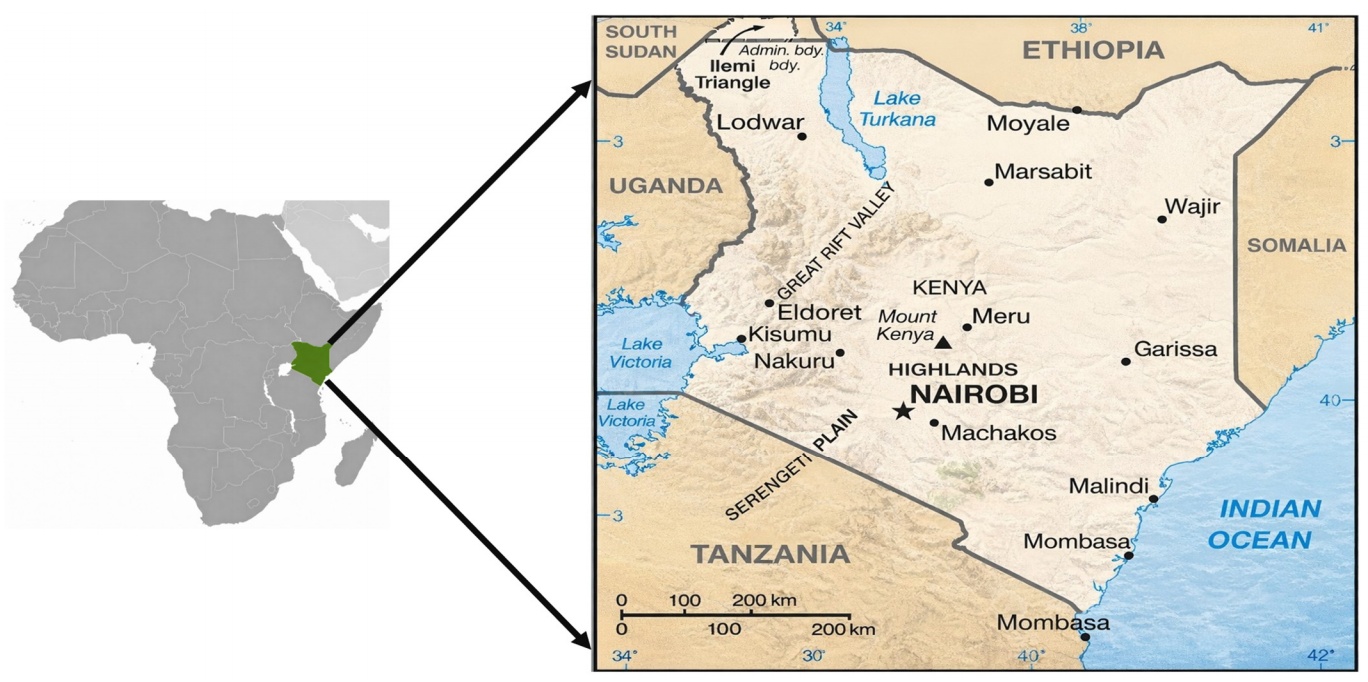
Figure 1. Map of Kenya’s location within Africa, with a zoomed view highlighting its borders with neighboring countries and the Indian Ocean (Source: CIA World factbook).
3. Materials and Methods
3.1. Literature Review Methodology
This systematic review followed the Preferred Reporting Items for Systematic Reviews and Meta-Analyses (PRISMA) statement checklist [42].
3.2. Eligibility Criteria
This review considered primary studies that studied the combinations of either two or three issues of interest, thus water, gender, and climate change in Kenya. The inclusion and exclusion criteria are reported in Table 2.
Table 2. Review study inclusion and exclusion criteria.
|
Inclusion Criteria |
Exclusion Criteria |
|---|---|
|
Studies published in English |
Studies published in other languages |
|
Studies focused on Kenya |
Studies focused on any other country |
|
Studies relevant to water, climate change, and gender |
Studies that are not relevant to water, climate change, and gender. |
|
Studies that reported data relevant to at least one of the selected outcomes |
Studies that did not report on any relevant data. |
|
Peer reviewed studies |
Grey literature and reports |
3.3. Information Search Strategy
The initial search was conducted in March 2025, followed by an update in July 2025 to identify keywords and synonyms. Search strings used in the search included: a gender term (i.e., gender, women, woman, girls, man), SDG term (SDGs, SDG5, SDG6, SDG13), a water term (water, sanitation, food, rainfall, natural resources, natural disaster) and a climate term (climate change, climate adaptation, climate mitigation). The assessed materials used during writing were from year 1994 to 2025, respectively. The location search string was restricted to Kenya. For each of these components, the Boolean “OR” and “AND” operators were used to combine search terms to enable a comprehensive search. The characteristics of reviewed studies involved mixed method research articles, policy analysis, and case studies focusing specifically on climate, gender, and water. The limitation of other studies assessed is that most of them have discussed this theme in isolation, discussing on climate and water while gender is treated as a secondary variable. Furthermore, there was a lack of data intersection, especially on geographical location, age, and social economic status. Because of the amount of available literature, accessibility, and the ability of handling intricate search strings, only three databases: ScienceDirect, Web of Science, and SCOPUS were used. Finally, a manual search was conducted on relevant articles that were not identified in the electronic search.
3.4. Study Article Selection
The identified articles were exported into the EndNote reference manager (version X20) to delete duplicated items. A two-stage screening process was then conducted to ascertain that selected articles related to the study objectives. The first stage involved each reviewer assessing the titles and abstracts of the articles. It is at this stage that full article texts meeting the initial inclusion criteria were downloaded and re-assessed to ensure they met the eligibility criteria. Any discrepancies in article selection were resolved through discussion.
3.5. Diagrammatic Representation of Study Selection
The initial database search yielded 334 articles. Out of these, 103 were duplicates. The duplicates were removed from further screening. Following eligibility screening based on title and abstract, 61 articles remained. 3 papers were retrieved manually, of which 2 were selected, resulting in a total of 63 retained articles (Supplementary Table S1). A PRISMA illustration of the selection process is shown in Figure 2. Please see Table S2 in Supplementary Material for the PRISMA checklist.
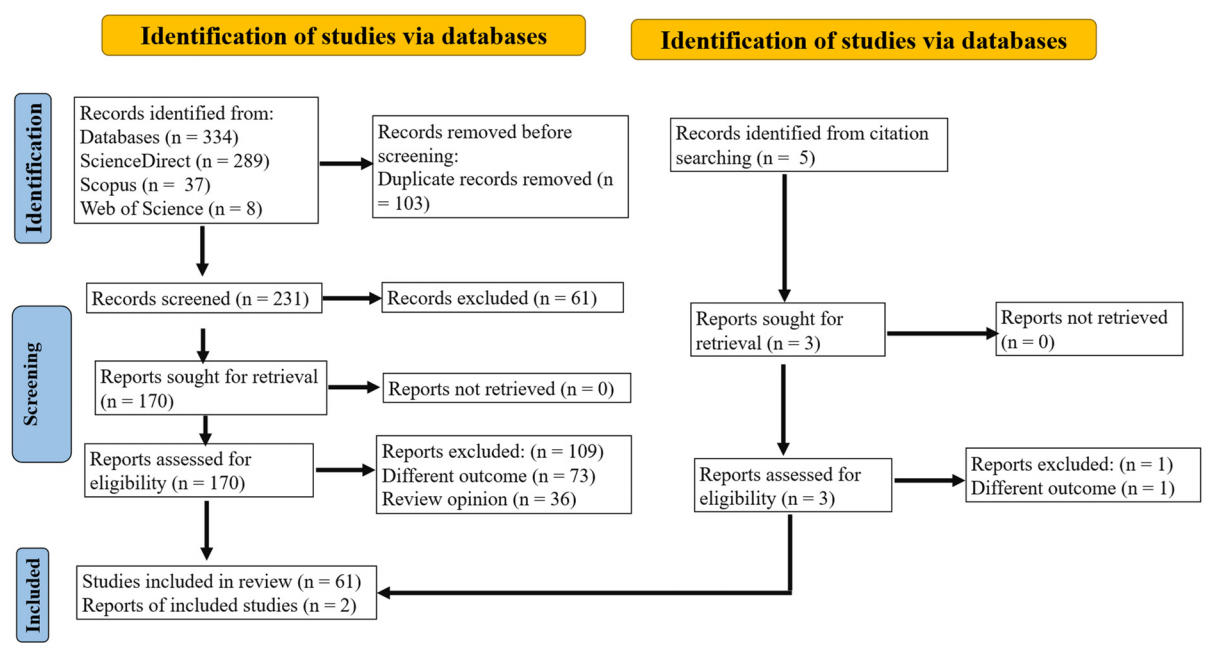
Figure 2. Preferred Reporting Items for Systematic Reviews and Meta-Analyses flow chart illustrating the process of selecting the studies included in this review.
3.6. Data Extraction and Analysis
Extraction of data into a pre-prepared form was based on the study themes. It was then analyzed using thematic analysis.
4. The Water, Climate Change, and Gender Nexus in Kenya
4.1. Climate Change Impacts on Water Resources in Kenya
In Kenya, the intricate connections between water resources, climate change, and gender dynamics form a nexus with far reaching implications for livelihoods, health, socio-economic, and environmental dimensions [35]. Most water needs are met from surface water sources. However, these are being threatened by industrial, agricultural, and urban pollution [33]. Despite its potential to enhance water security, rainwater is underutilized, a problem worsened by overexploitation and contamination that plague groundwater resources [18,43]
Climate change is exacerbating these challenges by disrupting hydrological cycles, altering rainfall patterns, intensifying droughts and floods, and accelerating surface water loss [44,45]. For example, rainfall is increasingly erratic and irregularly distributed with more frequent and severe droughts, drying of seasonal rivers, and depletion of groundwater recharge [46]. In contrast, some regions experience extreme rainfall and flooding that can destroy sanitation infrastructure, contaminate water sources, and increase waterborne disease risks. Glacier retreat on Mount Kenya further disrupts river flows [47]. These climate-induced alterations impact both water quantity and quality. Additionally, water governance challenges such as poor management, overuse, and illegal connections compound these issues [48]. The result is reduced streamflow, lowered groundwater recharge, and deteriorated water resources threatening food security and livelihoods [49]. It is therefore essential to understand how this climate change impacts on water resources interacts with gender dynamics to formulate equitable and climate resilient policies.
4.2. Gendered Impacts of Climate Change on Water
Climate change water challenges disproportionately burden Kenyan women and girls because of their socially assigned roles in water collection and household management, yet they lack ownership and control over water conveyance technologies [10,50]. Pre-existing gender inequality and societal norms, along with a heavy reliance on natural resources, make women more vulnerable to climate change [51]. This is especially true during droughts, when increased household demand makes limited water sources even less accessible [45]. For example, erratic rainfall and droughts result in a decline in water sources, thereby forcing women and girls to walk long distances to search and collect water. Furthermore, flooding contaminates water sources, increases the incidence of waterborne diseases, creates breeding grounds for disease, and often displaces communities [52]. This not only escalates health and safety risks and increased workloads but also denies them opportunities for education, water governance activities, and other income-generating opportunities [7,8]. In extreme cases, they face the risk of violence and sexual assault, malnutrition, and adverse reproductive effects [53,54]. These compounded risks create a cycle of disempowerment, where lack of resources and voice in adaptation strategies perpetuate women’s and girls’ vulnerability to climate shocks. Therefore, creating a just and sustainable future requires us first to identify and resolve gender inequalities and then ensure equal access to resources, water, and decision-making roles.
4.3. Institutional and Policy Frameworks for Gender Responsive Adaptation Initiatives
Even though women are significantly underrepresented in formal water governance structures, they are active agents of adaptation and resilience [54]. They innovate localized coping strategies by practicing small-scale irrigation, basket weaving, planting drought-resistant crops, organizing water-sharing groups, and advocating for borehole development [51,55,56]. While men dominate high-value adaptation strategies, women’s adaptive capacity is often constrained by systemic barriers. These include limited access to financial resources, technology, and support services, as well as reduced participation in formal planning and decision-making processes [3,51].
Kenya has established a robust policy and legal framework aimed at climate change adaptation, water resource management, and gender equality. Gender considerations are being integrated into policy, both at the constitutional level and within national sectoral plans [57]. This is affirmed in the country’s 2010 Constitution statement that proclaims equitable access to clean and safe water as a fundamental human right for everyone (Kenya 2010 Constitution). Gender vulnerabilities and promotion of women’s participation are addressed through the National Climate Change Action Plan (NCCAP) 2023–2027, the National Adaptation Plan (2015–2030), Climate Change Act, Gender Policy in the energy sector, and Climate Finance Strategy [58,59].
The Kenyan Constitution mandates gender equity in governance structures, while relevant sector policies, such as the Water Act (2016), include provisions meant to effectively integrate women into water management [60]. Other water institutions, such as the Water Services Regulatory Board (WASREB); the National Drought Management Authority (NDMA), and other county level policies, provide regulatory and management structures for water resources governance [61,62] Affirmative action measures are being taken to ensure a minimum threshold of women’s representation in local water user associations (WUAs) and resource management committees [63]. Despite this, water access remains inadequate with noticeable gender and rural urban disparities [7].
4.4. Barriers for Gender-Responsive, Climate-Resilient Water Management
Mainstreaming gender in these policies at the operational level remains weak. According to [12,59,63], the significant hurdles to implementation include:
4.4.1. Cultural and Social Resistance
This is influenced by institutionalized patriarchal attitudes and deeply embedded cultural traditions that marginalize women in decision making processes. While women in some Kenyan cultures may be included, their involvement is often confined to a token or symbolic capacity, leaving meaningful influence in the hands of men [64]. Furthermore, entrenched gender stereotypes constrain women’s ascent to leadership roles [51]. Persistent gender inequality in water access, governance, and climate resilience is rooted in these factors [65]. Further, the burden of accessing water, whether through direct payment or the time and effort required to collect it, falls more heavily on women [66].
4.4.2. Resource Constraints
Limited financial investment, often caused by women’s lack of asset ownership, along with inadequate technical skills and deep-seated structural barriers, impede women’s empowerment and, by extension, gender mainstreaming [51,58,59]. They lack access to training and improved technologies that could make water management less burdensome [59]. Insecure land tenure negatively impacts women by also restricting their ownership and control over critical natural resources such as water [51,67]. In these circumstances, women bear a disproportionately higher burden for water, either by paying more for it or by spending excessive time and labor collecting it. In Western Kenya, women have developed strategies for obtaining water, even when facing hardship, by mobilizing the trust and cooperation inherent in their social networks [68]. In another instance, Mathare slum women use back doors or illegal options to get water, such as paying for illegal water connections [48].
In areas characterized by poor terrain, the capacity for water to infiltrate the subsurface is reduced, causing a deficient and protracted groundwater recharge process. The reduced groundwater supply impedes the drilling of boreholes and leads to water scarcity. This situation harms women and girls, who are primarily responsible for finding water for household consumption [69].
4.4.3. Knowledge Gaps and Data Deficiencies
While stakeholders lack sufficient awareness, women face limited access to education and training, both of which negatively impact engagement. Effective monitoring and evaluation are difficult without gender-disaggregated data, as it is impossible to fully comprehend the differential impacts experienced by men and women. Additionally, formulated projects and policies may reinforce inequalities by failing to account for gendered needs and realities or by treating women as a homogenous, vulnerable group. They should be equipped with the tools and knowledge to facilitate change.
4.5. Addressing the Nexus for Sustainable Development Goals and Kenya’s Future
Achieving sustainable development requires examining water, climate, and gender as an interconnected nexus rather than as separate policy domains [1]. Across the reviewed studies, climate-related water stress is repeatedly linked to uneven household and community impacts, particularly where water acquisition, sanitation maintenance, and care work fall disproportionately on women and girls. Literature presents varying perspectives, with some studies highlighting infrastructure and service delivery as the principal leverage points, while others focus on the governance structure and the political economy of access. This includes examination of institutional rules that shape participation and influence over decision-making processes [7,11].
Importantly, evidence also diverges on whether “participation” reliably improves outcomes. Studies indicate that women exercise significant knowledge and leadership in local, informal systems, such as water management and conflict resolution [9,10]. However, other research highlights that women’s representation often remains symbolic due to structural constraints, including restrictive membership requirements and limited control over resources [12,70]. These contrasts show that gender-responsive water governance does not automatically produce uniform benefits. Its success depends on the institutions involved, the decisions made, and whether participation is backed by real authority, resources, and accountability.
4.6. Convergences, Divergences, and Evidence Gaps in Literature
The literature identifies three key points: climate variability impacts water quality and availability, gender norms dictate domestic responsibilities, and institutional frameworks determine resource access during scarcity [1,7]. Authors differ on the impact of women’s participation. While some view it as inherently beneficial, others argue that representation does not guarantee influence, particularly when institutional rules or high transaction costs exclude younger or poorer women [11,12]. A further evidence gap concerns change over time. Relatively few studies track how gendered water practices shift with mechanized transport, marketized water access (vendors/kiosks), infrastructure expansion, demographic change, or migration [7,8].
5. Gender Dynamics in Water Management and Decision-Making
Gendered norms shape the management of water resources in Kenya, but these norms are neither uniform nor static. Many studies report that women and girls carry a larger share of domestic water responsibilities, yet patterns vary by region, livelihood system, household structure, and infrastructure access [7,71]. The literature indicates that changing demographics and technology, such as the rise of motorcycles, carts, piped kiosks, and paid vendors, are shifting water access methods. These changes are reshaping women’s time burdens, household bargaining power, and safety risks [6,7,8]. Understanding gender and water management, therefore, requires attention not only to who collects water, but also to how access routes, costs, and governance arrangements evolve under climate stress [12].
5.1. Water Insecurity, Women, and Conflict
As water scarcity increases due to climate stress, competition intensifies between herders and settled users, upstream and downstream communities, and peri-urban households relying on informal vendors [7,15,23]. In pastoral and agro-pastoral areas, reduced surface water increases the need for migration, raises tensions at water sources, and increases the time and safety risks involved in securing water for families and livestock [35,52]. In peri-urban contexts, scarcity may be expressed through price escalation, queue conflict at kiosks, or coercive access arrangements [7]. Research shows that conflict pathways are deeply gendered. While women and girls often face greater risks of harassment and violence when traveling further for resources, they also play vital roles in mediating disputes and organizing community access arrangements [10].These documented pathways and evidence gaps are summarized in Table 3.
Table 3. Documented pathways linking climate stress, water insecurity, gender dynamics, and conflict in Kenya.
|
Pathway |
Context |
Gendered Mechanism |
Evidence Notes/Gaps |
References |
|---|---|---|---|---|
|
Reduced surface water/drought |
Pastoral & agro-pastoral areas |
Longer travel; increased time poverty; heightened safety risks; expanded care burdens |
Drought causes pastoral risks and increases gender-specific challenges. Evidence remains limited on quantified gender-differentiated exposure to insecurity during water collection. |
|
|
Vendor/kiosk scarcity and price spikes |
Peri-urban and rural marketized access |
Increased household costs; queue conflict; time loss; girls’ schooling disruptions |
Water access mediated by social capital, pricing, and gender inequality. Documentation exists regarding time-to-source and associated trade-offs in timing. Life-course water risk perceptions add nuance to “women” as a uniform category |
|
|
Competition between livelihood groups (e.g., herders vs. domestic users) |
Shared watering points, rural interfaces |
Disputes over access; women may face heightened personal risk but also play negotiation/mediation roles |
Studies have shown that in northern Kenya, climate, scarce resources, and conflict are connected. Although gendered conflict framing is frequently emphasized, it is seldom defined or examined with empirical detail. |
|
|
Infrastructure failure (boreholes/pipes) and maintenance gaps |
Rural/ASAL and underserved settlements |
Increased unpaid labor; longer travel; reduced hygiene; higher exposure to harassment along routes |
Infrastructure and access constraints intersect with gendered responsibilities. Evidence gaps remain in which financing and/or maintenance models most reduce women’s time poverty and safety risks. |
|
|
Institutional overlap/unclear mandates |
County and national governance |
Representation may not equal influence; meeting design/costs can exclude poorer/younger women |
Gendered power and decision-making constraints are documented, and collective action literature cautions that participation can be symbolic without real authority. Gendered conflict/governance perspectives noted but unevenly operationalized |
5.2. Women and Water Health-Related Issues
Communities are exposed to significant risks of preventable waterborne illnesses such as cholera, hepatitis E, and diarrheal diseases due to a lack of access to clean water, sanitation, and hygiene [72,73]. This can be caused by the use of contaminated water or exposure to environmental toxins in their water related chores [74]. The changing climate drives multiple environmental hazards, more frequent and intense droughts, floods, famine, and heatwaves, that elevate public health risks and intensify vulnerabilities vector borne diseases. The detrimental effects of this are more pronounced for women [75]. For example, women who tend to stay home during disasters are more likely to be hurt than men who move from one place to another in search of work [76]. This demonstrates how existing gender inequalities and social structures make women more vulnerable to both the immediate and lasting consequences of climate change related impacts [77,78].
5.3. Education and Water Collection
In Kenya, both structured formal schooling and unstructured informal learning contribute significantly to societal development [79]. Exposure to basic education and training helps shape the career path of many youths in society [80]. When skills are successfully transferred to sectors like industry, agriculture, and water, they drive the nation’s development [81,82]. Access to education is constrained by a combination of socio-economic, cultural, and environmental factors. Key impediments include insufficient financial resources, geographic isolation, climate-related disasters such as floods and droughts, and inadequate infrastructure, including poor road conditions and deficiencies in water and sanitation systems[12,83]. The hours girls spend collecting water and handling household chores represent an opportunity cost, preventing them from acquiring an education [6,68,84]. If selection criteria for water managers include certain professional standards, this could disadvantage women who have not been given the same opportunities for professional development. These challenges emphasize the urgent need for strategies that consider gender to improve access to clean water and reduce the unfair burden on women and girls.
6. Institutions and Financial Provision in Water Access and Management
In Kenya, both the national government and the forty-seven county governments are responsible for managing water resources. This multi-level structure involves national bodies setting policy and regulation, while counties oversee planning and budgeting. Together, various agencies and providers collaborate to manage water resources and deliver supply services [48,85,86]. Literature shows that institutions share responsibilities in several areas, including policy formulation, regulation, planning, water resource management, and providing water services. Studies highlight that overlaps in mandates and coordination challenges can weaken climate adaptation and service reliability, particularly where accountability for financing, operations, and maintenance is unclear [48,86]. Governance dynamics play a critical role in determining whose interests are given precedence regarding water point placement, resource allocation during shortages, tariff policy formulation, and maintenance funding decisions. They also affect whether women’s involvement leads to real influence or is limited to representation alone [11,12]. Table 4 summarizes the institutional landscape discussed in the reviewed studies and the main implications for coordination and inclusion.
Table 4. Water governance and service landscape in Kenya.
|
Governance Function |
Typical Institutional Level/Arena |
Examples of Decisions |
Coordination/Gender Inclusion Considerations |
References |
|---|---|---|---|---|
|
Policy and sector direction |
National (ministries/state departments) |
National strategies, standards, sector priorities |
Coordination with counties affects implementation; inclusion depends on consultation rules and representation |
|
|
Water resource management |
Catchment, basin and multi-actor arrangements |
Allocation rules, drought restrictions, catchment planning |
Rules can shape who participates and who influences outcomes |
|
|
Service planning and budgeting |
County governments, county plans |
Siting of water points, budgets for maintenance and/or repairs |
Transaction costs can exclude poorer and younger women unless addressed |
|
|
Water service provision |
Utilities, water service provisions, community schemes (by setting) |
Tariffs, service hours, operation and maintenance priorities, grievance systems |
Affordability and reliability shape household burdens; voice depends on accountability mechanisms |
|
|
Community-level management and dispute resolution |
Local committees, user groups and informal systems |
Access negotiation, conflict mediation, local rules |
Women often contribute to dispute mediation where structures enable participation |
7. Pathways for Delivering Sustainable Development in Kenya Through the Water-Climate-Gender Nexus Approach
Achieving sustainable development, particularly SDG 5, SDG 6, and SDG 13, in Kenya requires integrated pathways that address the interconnected challenges of water insecurity, climate change impacts, and gender disparities. Failure to effectively address these synergistic issues risks worsening poverty, food insecurity, health disparities, and institutional exclusion [1].
7.1. Integrated Policy and Institutional Frameworks
Kenya has established a robust policy and legal framework aimed at climate change adaptation, water resource management, and gender equality. This is affirmed in the country’s 2010 Constitution statement that proclaims equitable access to clean and safe water as a fundamental human right for everyone (Kenya 2010, Constitution). The Water Act (2016) and related institutions, such as the Water Services Regulatory Board (WASREB) and the National Drought Management Authority (NDMA), provide regulatory and management structures for water resources and climate resilience [87]. Moreover, Kenya’s National Climate Change Action Plan (NCCAP 2018–2022), the National Adaptation Plan (2015–2030), and other county-level policies integrate climate adaptation imperatives that acknowledge the need for gender responsiveness. Empowering women as active participants in water governance and adaptive responses not only supports SDG 5 (Gender Equality) but also enhances water security and climate resilience, facilitating inclusive, sustainable development.
Mainstreaming gender in these policies at the operational level remains weak, with limited gender-disaggregated data hindering effective monitoring and targeted interventions. On this concern, the Climate Change Act (2016), National Water Policy, and National Gender Policy, acknowledge the distinct impacts of climate change on women and men, particularly concerning water management [59]. To fully realize the potential of these policies, it’s crucial to enhance gender-responsive implementation strategies. This will enhance policy effectiveness and ensure that climate and water management initiatives are inclusive and equitable for all citizens. Such strategies include:
-
Development of holistic, nexus-focused policies aligning water, climate, and gender objectives to maximize co-benefits and minimize trade-offs [88].
-
Empowering county governments with resources and technical support to operationalize local level gender-responsive climate and water interventions [89]
-
Because climate change and water management impacts are not gender-neutral, it is essential to collect data that differentiates the experiences and needs of men, women, and diverse populations. This data provides insights into the unique challenges and vulnerabilities faced by each group, guiding the development of tailored interventions [90].
-
Training individuals and institutions on how to effectively incorporate gender perspectives into climate and water policies, programs, and projects.
-
Ensuring collaboration and communication among government ministries, departments, agencies, and other stakeholders involved in climate change and water resource management. This enhanced coordination across sectors is necessary for a cohesive approach to capacity building and gender mainstreaming [59,91].
7.2. Enhancing Women’s Leadership and Participation
It is essential to recognize women’s roles in water management and climate adaptation while avoiding the assumption that “women” constitute a single, uniform group [8]. Evidence shows that women’s inclusion in local water groups can be associated with improved accountability and fiscal management, but outcomes depend on local rules, authority, and resourcing [10,12]. Therefore, meaningful engagement should specify (i) which groups are targeted (e.g., younger women, women in pastoralist households, women in informal settlements, female-headed households), (ii) which institutions are involved (e.g., Water User Associations and community committees, county water planning forums, Water Service Provider accountability platforms), and (iii) which decisions are being influenced (e.g., siting of water points, tariff setting, allocation rules during scarcity, maintenance budgets, and grievance mechanisms) [11,70]. Table 5 provides a summary of making “participation” specific. It highlights who should be involved, in which institutions, and how they influence decisions, along with the expected benefit.
Table 5. Making specific recommendations on who should be involved in which decisions.
|
Target Group(s) |
Institution/Arena |
Decision Type |
Expected Benefit (Measurable) + Supporting Evidence |
References |
|---|---|---|---|---|
|
Women and girls affected by long collection routes (especially poor households) |
County water services, community water committees, kiosk/vendor management |
Service hours, queue management, location of water kiosks and/or water points, tariff communication, grievance mechanisms |
Reduced collection time and conflict at access points; improved safety and predictability |
|
|
Women in pastoral & agro-pastoral households (including younger women) |
Drought committees; local peace structures; water user arrangements |
Location of water-points, watering schedules, drought allocation rules, mobility corridor coordination |
Reduced travel distance; fewer disputes; safer access under climate variability |
|
|
Women already in formal leadership + excluded women (to avoid “elite capture”) |
County planning/budget forums; water service provision boards; oversight committees |
Maintenance budgets, repair response standards, subsidy targeting, accountability |
Greater accountability and “representation to influence” linkage |
|
|
Women household water managers in rural settlements |
Community operation and maintenance structures (where used) and training/finance mechanisms |
Operation and maintenance roles, maintenance financing, system monitoring routines |
Improved functionality and sustainability when women’s roles are recognized and supported |
|
|
Urban/peri-urban women in insecure settlements |
Urban climate adaptation and WASH planning |
Service expansion priorities, affordability measures, integration with adaptation planning |
More targeted adaptation to gendered urban water insecurity |
Actions that can be taken to achieve this include:
-
Implement gender quotas and affirmative actions in water governance bodies to elevate women’s voices and influence [7,63]. This will ensure a fair division of responsibilities and promote gender equity.
-
Promoting women’s participation through targeted training, outreach, and capacity building to enhance women’s technical skills and leadership in climate-resilient water management [89]. Hardships like water scarcity, drought, and conflict increase girls’ vulnerability to early pregnancy and marriage, leading to them dropping out of school [93,94]. Access to critical information can help interrupt this cycle and enable them to pass on knowledge to future generations [59]. Women should participate in training programs on general community readiness for climate change-related emergencies is challenging without their consideration [95]. This is important because it provides a mechanism for practicing the skills needed when confronted with disasters induced by climate change scenarios.
-
Designing water infrastructure with women’s needs in mind, ensuring safe and convenient access points, and considering their specific hygiene needs [55].
-
Because women are frequently and widely engaged in community social groups, such as tribal and religious organizations, welfare groups, and other forums, they have a strong potential to effectively voice critical issues related to water management [11]. They are more effective than men in advocating for managing water resources [96] and have a higher understanding of local environmental changes related to climate change [97]. Therefore, their involvement in water policy formulation and implementation is key to achieving climate change solutions and increasing local resilience.
-
Other considerations include granting scholarships for education as a way of empowering women from severely climate-affected regions to become champions of climate change and water policymakers [98,99,100].
7.3. Infrastructure Development and Technology Adoption
Investing in sustainable water infrastructure that addresses the specific needs of women yields multiple benefits. For example, it will alleviate the disproportionate burden of water collection that currently falls on women and girls [12]. It will also enhance access to safe water and sanitation for everyone, while fostering a more equitable and healthier community. This approach recognizes the significant impact of water scarcity on women and girls by creating more equitable and sustainable solutions for all. This involves:
-
Expansion of community-based rainwater harvesting systems, water-efficient irrigation, and solar powered water supply technologies to enhance water availability, particularly in arid regions [7,101].
-
Promote adoption of climate-resilient agricultural techniques, supported by gender-sensitive extension services, to strengthen food and water security [3,102].
7.4. Addressing Socioeconomic and Cultural Barriers
Addressing deeply rooted gender inequalities is crucial. These inequalities restrict women’s access to vital resources like land, credit, and education, as well as their ability to participate in decision-making processes. This, in turn, diminishes their capacity to adapt to the impacts of climate change and to participate fairly in the governance of natural resources. This can be achieved through:
-
Reform land tenure and inheritance laws to secure women’s land rights, which is fundamental for climate-resilient livelihoods [103]. This should include removing administrative barriers (e.g., the requirement of land titles for water connections) to expand women’s access.
-
Raise awareness and challenge social norms to promote shared domestic responsibilities and empower women economically [104].
7.5. Data, Monitoring, and Accountability
It is crucial to develop robust monitoring and evaluation frameworks. They will effectively track progress and ensure accountability in achieving the interconnected SDGs, especially when considering the differential gender impacts and needs.
-
Integrate gender-disaggregated indicators into water and climate change programs to assess impacts and guide targeted interventions [36,59].
-
Strengthen institutional capacity for gender mainstreaming at national and county levels to enhance responsive policy implementation [57].
-
Ensuring gender sensitive data collection and monitoring.
7.6. Multi-Stakeholder Collaboration and Financing
Realizing the nexus goals depends on collaborative action by government agencies, civil society organizations, development partners, and local communities. This collaboration must be supported by targeted funding for gender-responsive water and climate initiatives. Some of the critical practical actions that should be taken include:
-
Leverage international climate finance mechanisms and national budgets to fund integrated nexus initiatives with explicit gender components [105].
-
Support women-led community groups and enterprises engaged in sustainable water management and climate adaptation activities [106].
-
Building partnerships among government, Non-Governmental Organizations (NGOs), and local women’s groups will enhance policy translation into action and scaling it up.
7.7. Mainstreaming Gender in Budget and Planning Processes
Mainstreaming gender in budget and planning for climate change, water, and gender issues is crucial [77,107]. In Kenya, it is supported by national and international commitments. To ensure gender-responsive climate action, it is necessary to integrate gender analysis and budgeting at all levels. This includes:
-
Conducting a thorough gender analysis to understand the differentiated impacts of climate change on various gender groups to inform the planning and budgeting for gender responsive interventions.
-
Developing and institutionalizing a fiscal framework for measuring climate change expenditure, including a gender responsive component. This will ensure investments are fair and equitable.
-
Including a Gender Action Plan and gender sensitive monitoring and evaluation (M&E) frameworks in funding proposals. This is meant to ensure transparency and accountability for gender outcomes.
-
Enhancing the skills of government officials and different stakeholders in gender-responsive climate planning and budgeting is essential. This will ensure proper evaluation, development, and implementation of policies that tackle gender inequalities.
-
Advocating for participatory budget methodologies that actively involve women. This approach not only promotes gender inclusivity but also ensures that local needs are accurately represented in budgetary considerations.
7.8. Gender Responsive Adaptation Initiatives
These are community-based climate adaptation programs that improve women’s access to water resources and increase their involvement in decision making [60]. Their goal is to empower women to enhance their adaptive capacity, lead water user associations (WUAs), and participate in climate smart agricultural practices. Their participation will address gender-based disparities in water and climate resilience by facilitating equal access to resources, fostering financial inclusion, and mitigating socio-cultural barriers that constrain access.
8. Conclusions
This review examines how climate change and water scarcity intersect with gender dynamics in Kenya, highlighting that these impacts vary significantly by region, livelihood, and socio-economic status. Climate-induced water scarcity disproportionately intensifies the unpaid domestic and care labor of women and girls, who remain the primary managers of household water resources. While often lacking formal authority, women demonstrate agency via informal governance and resource management, navigating constraints through livelihood diversification and conflict resolution. Evidence diverges on whether participation alone improves outcomes; studies caution that representation may be symbolic if decision rules, resource control, or accountability mechanisms remain unchanged. There is an ongoing lack of longitudinal research tracking changes in gender-related water practices as populations shift, access becomes more commercialized (through vendors and kiosks), transport methods become more mechanized, and infrastructure expands.
To promote sustainable development, actions should clearly identify the institutions and decisions involved, and specify anticipated benefits such as shorter collection times, greater safety, more reliable services, and enhanced accountability. This includes strengthening coordination across water governance levels, designing services that reduce time poverty and safety risks, and improving gender-disaggregated monitoring to link participation to measurable outcomes. Finally, further research is needed to apply an intersectional framework to the study of gender, age, and socioeconomic status to better understand and address the unique vulnerabilities of marginalized populations.
Supplementary Materials
The following supporting information can be found at: https://www.sciepublish.com/article/pii/924, Table S1. Literature considered in the SLR (n = 63) ordered according to title. Table S2. Prisma checklist.
Author Contributions
All authors contributed equally to conceptualization, original draft writing, review, and editorial input. Each author has read and agreed to publish this version of the manuscript.
Ethics Statement
Not Applicable.
Informed Consent Statement
Not applicable.
Data Availability Statement
All data and materials used in this study are available within this article.
Funding
This study received no external funding.
Declaration of Competing Interest
The authors declare no conflict of interest.
References
-
Tandon I, Wallace C, Caretta MA, Vij S, Irvine A. Urban water insecurity and its gendered impacts: On the gaps in climate change adaptation and Sustainable Development Goals. Clim. Dev. 2024, 16, 187–198. DOI:10.1080/17565529.2022.2051418 [Google Scholar]
-
Javadinejad S, Dara R, Jafary F. Impacts of extreme events on water availability. Ann. Geogr. Stud. 2019, 2, 16–24. DOI:10.22259/2642-9136.0203003 [Google Scholar]
-
Manono BO, Khan S, Kithaka KM. A Review of the Socio-Economic, Institutional, and Biophysical Factors Influencing Smallholder Farmers’ Adoption of Climate Smart Agricultural Practices in Sub-Saharan Africa. Earth 2025, 6, 48. DOI:10.3390/earth6020048 [Google Scholar]
-
Trenberth KE. The impact of climate change and variability on heavy precipitation, floods, and droughts. Encycl. Hydrol. Sci. 2005, 17, 1–11. Available online: https://scholar.archive.org/work/xx6nmm4j5vcx7due4kujwopske/access/wayback/http://www.cgd.ucar.edu/cas/Trenberth/website-archive/trenberth.papers-moved/The%20Impact%20of%20Climate%20Change%20on%20the%20Water%20Cycle%20v%204_ss.pdf (accessed on 23 October 2025).
-
Gu W, Qin Y. Targeted opportunities to mitigate water scarcity, inequality, and inequity embedded in international food trade for vulnerable countries. Water Res. 2024, 267, 122568. DOI:10.1016/j.watres.2024.122568 [Google Scholar]
-
Rawat A, Kumar D, Khati BS. A review on climate change impacts, models, and its consequences on different sectors: a systematic approach. J. Water Clim. Change 2024, 15, 104–126. DOI:10.2166/wcc.2023.536 [Google Scholar]
-
Bukachi SA, Omia DO, Musyoka MM, Wambua FM, Peter MN, Korzenevica M. Exploring water access in rural Kenya: Narratives of social capital, gender inequalities and household water security in Kitui county. Water Int. 2021, 46, 677–696. DOI:10.1080/02508060.2021.1940715 [Google Scholar]
-
Varickanickal J, Bisung E, Elliott SJ. Water risk perceptions across the life-course of women in Kenya. Health Promot. Int. 2020, 35, 639–648. DOI:10.1093/heapro/daz055 [Google Scholar]
-
Figueiredo P, Perkins PE. Women and water management in times of climate change: Participatory and inclusive processes. J. Clean. Prod. 2013, 60, 188–194. DOI:10.1016/j.jclepro.2012.02.025 [Google Scholar]
-
Yerian S, Hennink M, Greene LE, Kiptugen D, Buri J, Freeman MC. The role of women in water management and conflict resolution in Marsabit, Kenya. Environ. Manag. 2014, 54, 1320–1330. DOI:10.1007/s00267-014-0356-1 [Google Scholar]
-
Agarwal B. Re-sounding the alert—Gender, resources and community action. World Dev. 1997, 25, 1373–1380. DOI:10.1016/S0305-750X(97)00062-4 [Google Scholar]
-
Coulter JE, Witinok-Huber RA, Bruyere BL, Dorothy Nyingi W. Giving women a voice on decision-making about water: Barriers and opportunities in Laikipia, Kenya. Gend. Place Cult. 2019, 26, 489–509. DOI:10.1080/0966369X.2018.1502163 [Google Scholar]
-
Mogaka H. Climate Variability and Water Resources Degradation in Kenya: Improving Water Resources Development and Management; World Bank Publications: Washington, DC, USA, 2006; Volume 69. Available online: https://books.google.com/books?hl=en&lr=&id=jyNHmgONtk0C&oi=fnd&pg=PR3&dq=68.%09Mogaka,+H.,+2006.+Climate+variability+and+water+resources+degradation+in+Kenya:+improving+water+resources+development+and+management+(Vol.+69).+World+Bank+Publications.&ots=S_2C5MHkSn&sig=LrhQiWy_5lrcBZaAePF0x2wg4qU (accessed on 25 October 2025).
-
Lundberg A. Climate, Migration, and Access to Water: A Case Study of Kenya. 2025. Available online: https://www.diva-portal.org/smash/get/diva2:1932445/FULLTEXT01.pdf (accessed on 26 December 2025).
-
Ouda JO. Climate Change, Resource Scarcity and Violent Conflict in the Horn of Africa a Case Study of Turkana County, Kenya. Doctoral Dissertation, University of Nairobi, Nairobi, Kenya, 2017. Available online: https://erepository.uonbi.ac.ke/handle/11295/101983 (accessed on 24 October 2025).
-
Kamau N, Njiru H. Water, sanitation and hygiene situation in Kenya’s urban slums. J. Health Care Poor Underserved 2018, 29, 321–336. DOI:10.1353/HPU.2018.0022 [Google Scholar]
-
Nyagwencha JM, Kaluli JW, Home PG, Hunja M. Water and water-borne diseases in North Masaba District, Kenya. J. Agric. Sci. Technol. 2012, 14, 114–127. DOI:10.4314/jagst.v14i1 [Google Scholar]
-
Gakweli A, Gikuma-Njuru P, Manono BO. Effects of Salt Harvesting on Ground Water Quality in Gongoni Ward, Kilifi County, Kenya. 2021. Available online: https://repository.seku.ac.ke/handle/123456789/6307 (accessed on 21 Ocober 2025).
-
Maimuna M, Kidombo H. Factors influencing performance of water projects in arid and semi-arid areas: A case of Ewaso Ng’iro North borehole projects, Isiolo County, Kenya. Int. Acad. J. Inf. Sci. Proj. Manag. 2017, 2, 217–238. Available online: https://mail.iajournals.org/articles/iajispm_v2_i1_217_238.pdf (accessed on 24 October 2025).
-
Afullo AO, Danga BO, Odhiambo F. Implications of time to water source on water use in the arid and semi-arid land counties of Kenya. Int. J. Water 2014, 8, 381–400. DOI:10.1504/IJW.2014.065794 [Google Scholar]
-
Karienye D, Macharia J. Adaptive capacity to mitigate climate variability and food insecurity of rural communities along River Tana Basin, Kenya. In African Handbook of Climate Change Adaptation; Springer International Publishing: Cham, Switzerland, 2021; pp. 49–60. DOI:10.1007/978-3-030-45106-6_57 [Google Scholar]
-
Njora B, Yılmaz H. Evaluation of water accessibility, distribution, water use policies and management in Kenya. Int. J. Water Manag. Dipl. 2021, 1, 5–16. Available online: https://dergipark.org.tr/en/pub/ijwmd/issue/63570/958552 (accessed on 24 October 2025).
-
Schilling J, Werland L. Facing old and new risks in arid environments: The case of pastoral communities in Northern Kenya. PLoS Clim. 2023, 2, e0000251. DOI:10.1371/journal.pclm.0000251 [Google Scholar]
-
World Bank. Population, Total—Kenya (SP.POP.TOTL). World Development Indicators. 2025. Available online: https://data.worldbank.org/indicator/SP.POP.TOTL?locations=KE (accessed on 19 February 2026).
-
WHO/UNICEF Joint Monitoring Programme (JMP). Household Drinking Water, Sanitation and Hygiene Estimates for Kenya, 2000–2024. 2025. Available online: https://washdata.org/data/household (accessed on 18 February 2026).
-
UN Women. Kenya Country Profile (Women Count Data Hub): Proportion of Seats Held by Women in National Parliaments (SDG 5.5.1). 2024. Available online: https://data.unwomen.org/country/kenya (accessed on 18 February 2026).
-
United Nations Statistics Division. SDG Country Profile: Kenya (Basic Sanitation Services). 2026. Available online: https://unstats.un.org/sdgs/report/2025/goal-06/ (accessed on 19 February 2026).
-
Eastin J. Climate change and gender equality in developing states. World Dev. 2018, 107, 289–305. DOI:10.1016/j.worlddev.2018.02.021 [Google Scholar]
-
Ndiritu SW. Drought responses and adaptation strategies to climate change by pastoralists in the semi-arid area, Laikipia County, Kenya. Mitig. Adapt. Strateg. Glob. Change 2021, 26, 10. DOI:10.1007/s11027-021-09949-2 [Google Scholar]
-
Maingey Y, Opondo M, Olago D, Ouma G. The impacts of increasing water scarcity and the potential for water-related conflict in Lamu, Kenya. Water Supply 2022, 22, 1983–1994. DOI:10.2166/ws.2021.299 [Google Scholar]
-
Dometita MLM. Kenya Drought Gender Analysis: Impact and Recommendations (Oxfam, 2017). 2017. Available online: https://www.google.com/url?sa=t&source=web&rct=j&opi=89978449&url=https://oxfamilibrary.openrepository.com/bitstream/10546/620403/1/rr-kenya-drought-response-191217-en.pdf&ved=2ahUKEwiUocSB3a6TAxWPUaQEHTCuOXUQFnoECBoQAQ&usg=AOvVaw27S2bPOWNTIJhh2RQ2HNsL (accessed on 23 October 2025).
-
Null C, Stewart CP, Pickering AJ, Dentz HN, Arnold BF, Arnold CD, et al. Effects of water quality, sanitation, handwashing, and nutritional interventions on diarrhoea and child growth in rural Kenya: A cluster-randomised controlled trial. Lancet Glob. Health 2018, 6, e316–e329. DOI:10.1016/S2214-109X(18)30005-6 [Google Scholar]
-
Matheka VK, Manono BO, Muriu Ng’ang’a F. Resident Perceptions on the Health Risks Associated with Solid Waste Disposal at Kalundu Dumpsite, Kitui County–Kenya on the Surrounding Human Settlement. Asian J. Environ. Ecol. 2022, 19, 11–20. DOI:10.9734/ajee/2022/v19i130335 [Google Scholar]
-
Fröhlich C, Gioli G, Cremades R, Myrttinen H. (Eds.). Water Security Across the Gender Divide; Springer International Publishing: Cham, Switzerland, 2018. DOI:10.1007/978-3-319-64046-4 [Google Scholar]
-
Galwab AM, Koech OK, Wasonga OV, Kironchi G. Gender-Differentiated Roles and Perceptions on Climate Variability among Pastoralist and Agro-Pastoralist Communities in Marsabit, Kenya. Nomadic Peoples 2024, 28, 41–71. DOI:10.3828/whpnp.63837646691043 [Google Scholar]
-
Platform CGI, Joshi D. Literature Review: A Gender Analysis of Climate-Induced Productive-Water Insecurity in Sub-Saharan Africa. 2024. Available online: https://hdl.handle.net/10568/172877 (accessed on 24 October 2025).
-
Bhaduri A, Bogardi J, Siddiqi A, Voigt H, Vörösmarty C, Pahl-Wostl C, et al. Achieving sustainable development goals from a water perspective. Front. Environ. Sci. 2016, 4, 64. DOI:10.3389/fenvs.2016.00064 [Google Scholar]
-
Ali J, Mwasigwa CR. Climate Change and Conflict in the Horn of Africa: A Gendered Perspective. 2022. Available online: https://www.researchgate.net/profile/Michael-Sitawa/publication/367051495_Climate_Change_and_Conflict_in_the_Horn_of_Africa_A_Gendered_Perspective/links/63bf9efea99551743e5ff2b2/Climate-Change-and-Conflict-in-the-Horn-of-Africa-A-Gendered-Perspective.pdf (accessed on 24 October 2025).
-
Khadiagala GM. Boundaries in eastern Africa. J. East. Afr. Stud. 2010, 4, 266–278. DOI:10.1080/17531055.2010.487337 [Google Scholar]
-
Ayugi BO, Wen W, Chepkemoi D. Analysis of spatial and temporal patterns of rainfall variations over Kenya. J. Environ. Earth Sci. 2016, 6, 69–83. Available online: https://www.researchgate.net/profile/Brian-Ayugi/publication/311301478_Analysis_of_Spatial_and_Temporal_Patterns_of_Rainfall_Variations_over_Kenya/links/5a4f27b6aca2726172bc6c27/Analysis-of-Spatial-and-Temporal-Patterns-of-Rainfall-Variations-over-Kenya.pdf (accessed on 24 October 2025).
-
Nyika JM. Climate change situation in Kenya and measures towards adaptive management in the water sector. Int. J. Environ. Sustain. Green Technol. (IJESGT) 2020, 11, 34–47. DOI:10.4018/IJESGT.2020070103 [Google Scholar]
-
Page MJ, McKenzie JE, Bossuyt PM, Boutron I, Hoffmann TC, Mulrow CD, et al. The PRISMA 2020 statement: An updated guideline for reporting systematic reviews. bmj 2021, 372, n71. DOI:10.1136/bmj.n71 [Google Scholar]
-
Wanyonyi JM. Rainwater Harvesting Possibilities and Challenges in Kenya; Kenya Rainwater Association (KRA): Nairobi, Kenya, 2013. Available online: http://www.cpatsa.embrapa.br:8080/catalogo/doc/strategy/1_6_Julius_Wanyonyi.doc (accessed on 25 October 2025).
-
Ayugi B, Tan G, Niu R, Dong Z, Ojara M, Mumo L, et al. Evaluation of meteorological drought and flood scenarios over Kenya, East Africa. Atmosphere 2020, 11, 307. DOI:10.3390/atmos11030307 [Google Scholar]
-
Nyika JM. Climate Change Situation in Kenya and Measures Towards Adaptive Management in the Water Sector. In Research Anthology on Environmental and Societal Impacts of Climate Change; IGI Global: Hershey, PA, USA, 2022; pp. 1857–1872. Available online: https://www.igi-global.com/chapter/sustainable-ecosystem-management/293988 (accessed on 24 October 2025).
-
Quandt A, Kimathi YA. Perceptions of the effects of floods and droughts on livelihoods: Lessons from arid Kenya. Int. J. Clim. Change Strateg. Manag. 2017, 9, 337–351. DOI:10.1108/IJCCSM-11-2014-0132 [Google Scholar]
-
Njoki M. The Effects of Mount Kenya Glacier Recession on Water Supply and Community Livelihoods–A Case Study of Nyeri and Laikipia Counties, Kenya. Doctoral Dissertation, University of Nairobi, Nairobi, Kenya. 2022. Available online: https://erepository.uonbi.ac.ke/handle/11295/163367 (accessed on 23 October 2025).
-
Sarkar A. Water Insecurity and Water Governance in Urban Kenya; Palgrave Macmillan: Cham, Switzerland, 2022; DOI:10.1007/978-3-031-15539-0 [Google Scholar]
-
Opere AO, Waswa R, Mutua FM. Assessing the impacts of climate change on surface water resources using WEAP model in Narok County, Kenya. Front. Water 2022, 3, 789340. DOI:10.3389/frwa.2021.789340 [Google Scholar]
-
Allen EM, Munala L, Henderson JR. Kenyan women bearing the cost of climate change. Int. J. Environ. Res. Public Health 2021, 18, 12697. DOI:10.3390/ijerph182312697 [Google Scholar]
-
Kalovoto Damariis M, Kimiti Jacinta M, Manono Bonface O. Influence of women empowerment on adoption of agroforestry technologies to counter climate change and variability in semi-arid Makueni County, Kenya. Int. J. Environ. Sci. Nat. Resour. 2020, 24, 47–55. DOI:10.19080/IJESNR.2020.24.556133 [Google Scholar]
-
Fleifel E, Martin J, Khalid A. Gender Specific Vulnerabilities to Water Insecurity; University of Waterloo: Waterloo, ON, Canada. 2019. Available online: https://ic-sd.org/wp-content/uploads/2019/11/eliana-fleifel.pdf (accessed on 25 October 2025).
-
Kimutai JJ, Lund C, Moturi WN, Shewangizaw S, Hanlon C. “No peace in my heart”: Exploring psychosocial problems experienced by women in relation to water insecurity and inadequate sanitation in an informal settlement, Kenya. Soc. Sci. Med. 2025, 376, 118118. DOI:10.1016/j.socscimed.2025.118118 [Google Scholar]
-
Ongoro EB, Ogara W. Impact of Climate Change and Gender Roles in Community Adaptation: A Case Study of Pastoralists in Samburu East District, Kenya. 2012. Available online: https://erepository.uonbi.ac.ke/handle/11295/24185 (accessed on 24 October 2025).
-
Were E, Roy J, Swallow B. Local organisation and gender in water management: A case study from the Kenya Highlands. J. Int. Dev. J. Dev. Stud. Assoc. 2008, 20, 69–81. DOI:10.1002/jid.1428 [Google Scholar]
-
Manono BO, Gichana Z. Agriculture-Livestock-Forestry Nexus: Pathways to Enhanced Incomes, Soil Health, Food Security and Climate Change Mitigation in Sub-Saharan Africa. Earth 2025, 6, 74. DOI:10.3390/earth6030074 [Google Scholar]
-
Gachoki JW, Mulu F. The Impact of Legal Frameworks on Gender Mainstreaming in Kenya. J. Afr. Interdiscip. Stud. 2023, 7, 181–191. [Google Scholar]
-
Kitonga F, Manono BO, Mwinzi M. An Analysis of Commercial Banks’ Responses to Climate Change: A Case of Commercial Banks in Kitui County Kenya. 2023. Available online: https://repository.seku.ac.ke/handle/123456789/7384 (accessed on 25th December 2025).
-
Kamau JN, Magutu J, Amadi H. Policy Interventions for Inclusive Sustainable Development and Climate Change Management. In Climate Change Mitigation and Adaptation in Practice; Springer Nature: Cham, Switzerland, 2025; pp. 51–68. DOI:10.1007/978-3-031-85217-6_4 [Google Scholar]
-
Ifejika Speranza C, Bikketi E. Engaging with gender in water governance and practice in Kenya. In Water Security Across the Gender Divide; Springer International Publishing: Cham, Switzerland, 2017; pp. 125–150. DOI:10.1007/978-3-319-64046-4_7 [Google Scholar]
-
Kanda EK, Lusweti E, Odhiambo KO. Water–energy–food nexus in Kenya: A review of policy interventions. World Water Policy 2023, 9, 823–836. DOI:10.1002/wwp2.12147 [Google Scholar]
-
Keega M, Manishimwe E, Schreiner B, van Koppen B, Amarnath G. Integrity Management in Community-Based Water Tenure in Kajiado County, Kenya. International Water Management Institute (IWMI). CGIAR Initiative on Climate Resilience. 2023. Available online: https://books.google.com/books?hl=en&lr=&id=RAwgEQAAQBAJ&oi=fnd&pg=PA5&dq=48.%09Keega,+M.,+Manishimwe,+E.,+Schreiner,+B.,+van+Koppen,+B.+and+Amarnath,+G.,+2023.+Integrity+management+in+community-based+water+tenure+in+Kajiado+County,+Kenya.+International+Water+Management+Institute+(IWMI).+CGIAR+Initiative+on+Climate+Resilience.&ots=pw-_KwBT7B&sig=dSPQCkqv0zEzp7wiGsSzCjo9jSM (accessed on 24 October 2025).
-
Hannah C, Giroux S, Krell N, Lopus S, McCann LE, Zimmer A, et al. Has the vision of a gender quota rule been realized for community-based water management committees in Kenya? World Dev. 2021, 137, 105154. DOI:10.1016/j.worlddev.2020.105154 [Google Scholar]
-
Aberman NL, Behrman J, Birner R. Gendered perceptions of power and decision-making in rural Kenya. Dev. Policy Rev. 2018, 36, 389–407. DOI:10.1111/dpr.12257 [Google Scholar]
-
Ngigi MW, Mueller U, Birner R. Gender differences in climate change adaptation strategies and participation in group-based approaches: An intra-household analysis from rural Kenya. Ecol. Econ. 2017, 138, 99–108. DOI:10.1016/j.ecolecon.2017.03.019 [Google Scholar]
-
Agesa RU, Agesa J. Time spent on household chores (fetching water) and the alternatives forgone for women in Sub-Saharan Africa: Evidence from Kenya. J. Dev. Areas 2019, 53, 29–42. DOI:10.1353/jda.2019.0019 [Google Scholar]
-
Koech MC. An Examination of Gender Gaps in Systems of Land Ownership in Relation to Food Security in Kenya. Doctoral Dissertation, University of Nairobi, Nairobi, Kenya, 2020. Available online: https://erepository.uonbi.ac.ke/bitstream/handle/11295/153622/Koech_An%20Examination%20Of%20Gender%20Gaps%20In%20Systems%20Of%20Land%20Ownership%20In%20Relation%20To%20Food%20Security%20In%20Kenya.pdf?sequence=1 (accessed on 24 October 2025).
-
Collins SM, Mbullo Owuor P, Miller JD, Boateng GO, Wekesa P, Onono M, et al. ‘I know how stressful it is to lack water!’ Exploring the lived experiences of household water insecurity among pregnant and postpartum women in western Kenya. Glob. Public Health 2019, 14, 649–662. DOI:10.1080/17441692.2018.1521861 [Google Scholar]
-
Kameri-Mbote P, Kabira N. Engendering the Legal Framework for Environmentally Sustainable Development: Some Reflections. Environ. Policy Law 2024, 53, 335–346. DOI:10.3233/EPL-239017 [Google Scholar]
-
Kenyatta GN. Who is Being Left Behind? Participatory Exclusion of Marginalized Groups in Kenya. Sex. Gend. Stud. J. 2024, 2, 1–15. DOI:10.33422/sgsj.v2i1.528 [Google Scholar]
-
Kioko KJ, Obiri JF. Household attitudes and knowledge on drinking water enhance water hazards in peri-urban communities in Western Kenya. Jàmbá J. Disaster Risk Stud. 2012, 4, 1–5. DOI:10.4102/jamba.v4i1.49 [Google Scholar]
-
Nayebare SR, Wilson LR, Carpenter DO, Dziewulski DM, Kannan K. A review of potable water accessibility and sustainability issues in developing countries–Case study of Uganda. Rev. Environ. Health 2014, 29, 363–378. DOI:10.1515/reveh-2013-0019 [Google Scholar]
-
Mara D, Lane J, Scott B, Trouba D. Sanitation and health. PLoS Med. 2010, 7, e1000363. DOI:10.1371/journal.pmed.1000363 [Google Scholar]
-
Dillip A, Mboma ZM, Greer G, Lorenz LM. ‘To be honest, women do everything’: Understanding roles of men and women in net care and repair in Southern Tanzania. Malar. J. 2018, 17, 459. DOI:10.1186/s12936-018-2608-7 [Google Scholar]
-
Denton F. Climate change vulnerability, impacts, and adaptation: Why does gender matter? Gend. Dev. 2002, 10, 10–20. DOI:10.1080/13552070215903 [Google Scholar]
-
Wiest RE, Mocellin JS, Motsisi DT. The Needs of Women in Disasters and Emergencies; Disaster Research Institute, University of Manitoba: Winnipeg, MB, Canada, 1994; pp. 12–16. Available online: https://www.academia.edu/download/66970388/women-in-disaster-emergency.pdf (accessed on 23 October 2025).
-
Owuor P. The disaster profile of Kenia. Emerg. Disaster Rep. 2015, 2, 1–45. Available online: https://dialnet.unirioja.es/descarga/articulo/5148276.pdf (accessed on 24 October 2025).
-
Oguye JK. Gender Mainstreaming in Disaster Recovery for Internally Displaced Persons in Rongai District, Kenya. Doctoral Dissertation, University of Nairobi, Nairobi, Kenya, 2011. Available online: https://erepository.uonbi.ac.ke/handle/11295/4561 (accessed on 24 October 2025).
-
Muyia MH, Wekullo CS, Nafukho FM. Talent development in emerging economies through learning and development capacity building. Adv. Dev. Hum. Resour. 2018, 20, 498–516. DOI:10.1177/1523422318803089 [Google Scholar]
-
Chege F, Sifuna DN. Girls’ and women’s education in Kenya. Gend. Perspect. Trends 2006, 91, 86–90. Available online: https://ir-library.ku.ac.ke/server/api/core/bitstreams/571d85cd-ad06-4a33-be80-447dd0d83774/content (accessed on 24 October 2025).
-
Onsomu E, Munga B, Nyabaro V, Munene B. Employment Creation Potential for Youth in the Kenyan Economy. 2022. Available online: https://publication.aercafricalibrary.org/handle/123456789/3434 (accessed on 24 October 2025).
-
Thurlow J, Kiringai J, Gautam M. Rural Investments to Accelerate Growth and Poverty Reduction in Kenya; The International Food Policy Research Institute: Washington, DC, USA, 2007. Available online: https://books.google.com/books?hl=en&lr=&id=vfGdxKMX2GAC&oi=fnd&pg=PA24&dq=107.%09Thurlow,+J.,+Kiringai,+J.+and+Gautam,+M.,+2007.+Rural+investments+to+accelerate+growth+and+poverty+reduction+in+Kenya.+Intl+Food+Policy+Res+Inst.&ots=NG63AHB_jX&sig=sg7vPvL33kOeGtDQOiUkzKd-oJY (accessed on 23 October 2025).
-
Fitzpatrick R, Amenya D. Climate Change and Education in Kenya. Education Development Trust, 5-9. 2023. Available online: https://edtlive.b-cdn.net/livenew/media/yapmub54/climate-change-and-education-in-kenya.pdf (accessed on 24 October 2025).
-
Cook J, Kabubo-Mariara J, Kimuyu P. Short-Run Impacts of Reducing Water Collection Times on Time Use, Well-Being, and Education in Rural Kenya. Econ. Dev. Cult. Change 2024, 73, 273–306. DOI:10.1086/727342 [Google Scholar]
-
King-Okumu C, Jillo B, Kinyanjui J, Jarso I. Devolving water governance in the Kenyan Arid Lands: From top-down drought and flood emergency response to locally driven water resource development planning. Int. J. Water Resour. Dev. 2018, 34, 675–697. DOI:10.1080/07900627.2017.1357539 [Google Scholar]
-
Koehler J, Nyaga C, Hope R, Kiamba P, Gladstone N, Thomas M, et al. Water policy, politics, and practice: The case of Kitui County, Kenya. Front. Water 2022, 4, 1022730. DOI:10.3389/frwa.2022.1022730 [Google Scholar]
-
Olago DO. Constraints and solutions for groundwater development, supply and governance in urban areas in Kenya. Hydrogeol. J. 2019, 27, 1031–1050. DOI:10.1007/s10040-018-1895-y [Google Scholar]
-
National Climate Change Policy. 2016. Available online: https://repository.kippra.or.ke/items/456fda0d-905f-4eb9-836a-34785e02b15e (accessed on 6 August 2025).
-
Ayuya OI, Jong AO, Lutomia CK, Nchanji EB, Waswa BS, Ooro P, et al. Final Monitoring and Evaluation Report on Socio-Technical Innovation Bundles for Gender Equality and Climate Resilience in Kenya. 2024. Available online: https://cgspace.cgiar.org/bitstreams/8d613d97-020f-4f9e-b310-1d140cd1cbb1/download (accessed on 24 October 2025).
-
Seager J. Sex-Disaggregated Indicators for Water Assessment, Monitoring and Reporting; UNESCO Publishing: Paris, France, 2015. Available online: https://books.google.com/books?hl=en&lr=&id=s0toCwAAQBAJ&oi=fnd&pg=PA5&dq=103.%09Seager,+J.,+2015.+Sexdisaggregated+indicators+for+water+assessment,+monitoring+and+reporting.+UNESCO+Publishing.&ots=KKZtfh39k2&sig=lZ-JYlZmiicz95WDNU4Yeu_8WRg (accessed on 23 October 2025).
-
Jolly S, Trivedi A. Implementing the SDG-13 through the adoption of hybrid law: Addressing climate-induced displacement. Brill Open Law 2020, 2, 69–100. Available online: https://brill.com/view/journals/bol/aop/article-10.1163-23527072-20191016/article-10.1163-23527072-20191016/article-10.1163-23527072-20191016.xml (accessed on 25 October 2025).
-
Naiga R, Penker M, Hogl K. Women’s crucial role in collective operation and maintenance of drinking water infrastructure in rural Uganda. In Water Crises and Governance; Routledge: Abingdon, UK, 2019; pp. 112–126. DOI:10.4324/9781315097909 [Google Scholar]
-
Lanyasunya AR. Relationship between Ecological, Economic, Conflict, Socio-Cultural Factors and Enrollment of Girls in Rural Public Primary Schools in Samburu County, Kenya. Doctoral Dissertation, Kabarak University, Nakuru, Kenya, 2024. Available online: http://41.89.99.3:8080/bitstream/handle/123456789/1617/Kabarak%20PhD%20thesis%20PDF.pdf?sequence=1&isAllowed=y
sequence=1&isAllowed=y (accessed on 24 October 2025). -
Mburu S, Wali I, Mukisa S, Sironga N, Adan H. Effects of drought on child protection in hard-to-reach communities in Kenya. Soc. Sci. 2024, 13, 375. DOI:10.3390/socsci13070375 [Google Scholar]
-
Yonder A, Akcar S, Gopalan P. Women’s Participation in Disaster Relief and Recovery. 2005. Available online: https://knowledgecommons.popcouncil.org/cgi/viewcontent.cgi?article=1010&context=departments_sbsr-pgy (accessed on 24 October 2025).
-
Cherunya PC, Janezic C, Leuchner M. Sustainable supply of safe drinking water for underserved households in Kenya: Investigating the viability of decentralized solutions. Water 2015, 7, 5437–5457. DOI:10.3390/w7105437 [Google Scholar]
-
Makondo CC, Thomas DS. Climate change adaptation: Linking indigenous knowledge with western science for effective adaptation. Environ. Sci. Policy 2018, 88, 83–91. DOI:10.1016/j.envsci.2018.06.014 [Google Scholar]
-
Arora-Jonsson S. Virtue and vulnerability: Discourses on women, gender and climate change. Glob. Environ. Change 2011, 21, 744–751. DOI:10.1016/j.gloenvcha.2011.01.005 [Google Scholar]
-
Wanjiru H. Role of International Non-Governmental Organizations in the Adaptation and Mitigation of Climate Change by Vulnerable Groups in East Africa. Case Study, Kenya; 2000–2016. Doctoral Dissertation, University of Nairobi, Nairobi, Kenya, 2018. Available online: https://erepository.uonbi.ac.ke/handle/11295/108130 (accessed on 24 October 2025).
-
Salome OF. Gender Resilience to Climate Change Adaptation in Africa: A Case Study of Women in Eastern Kenya. Doctoral Dissertation, University of Nairobi, Nairobi, Kenya, 2016. Available online: https://erepository.uonbi.ac.ke/handle/11295/98764 (accessed on 24 October 2025).
-
Radhika S. Enhancing the Enabling Policy Environment to Increase Uptake of Rainwater Harvesting for Irrigation Among Smallholder Farmers in Kenya. Doctoral Dissertation, University of Nairobi, Nairobi, Kenya, 2024. Available online: https://erepository.uonbi.ac.ke/bitstream/handle/11295/167693/Radhika%20Singh.pdf?sequence=1(accessed on 4 October 2025).
-
Huyer S. Gender-Smart Agriculture: An Agenda for Gender and Socially Inclusive Climate-Resilient Agriculture. 2021. Available online: https://hdl.handle.net/10568/117523 (accessed on 26 December 2025).
-
Kabaseke C. Climate change adaptation and women’s land rights in Uganda and Kenya: Creating legal pathways for building the resilience of women. Gend. Behav. 2020, 18, 15458–15475. Available online: https://hdl.handle.net/10520/ejc-genbeh-v18-n2-a25 (accessed on 23 October 2025).
-
Ellis A. Gender and Economic Growth in Kenya: Unleashing the Power of Women; World Bank Publications: Washington, DC, USA, 2007. Available online: https://books.google.co.ke/books?hl=en&lr=&id=MkhDoDngJxMC&oi=fnd&pg=PR5&dq=24.%09Ellis,+A.,+2007.+Gender+and+economic+growth+in+Kenya:+Unleashing+the+power+of+women.+World+Bank+Publications.&ots=qW14VckSpR&sig=MjznGV7nZonVyy6YQaFt58UmjwQ&redir_esc=y#v=onepage&q=24.%09Ellis%2C%20A.%2C%202007.%20Gender%20and%20economic%20growth%20in%20Kenya%3A%20Unleashing%20the%20power%20of%20women.%20World%20Bank%20Publications.&f=false (accessed on 23 October 2025).
-
Odhengo P, Atela J, Steele P, Orindi V, Imbali F. Climate finance in Kenya: review and future outlook. Clim. Financ. Policy Brief 2019, 1. Available online: https://admin.adaconsortium.org/storage/uploads/2024/11/06/16-08-2019-Final-Kenya-climate-finance-paper-5_uid_672b0e45aa598.pdf (accessed on 24 October 2025).
-
Haddout S, Cardoso L, Hoguane AM, Priya KLC, Casila JC, Kurniawan TA, et al. Women’s empowerment in water management across Africa. Dev. Pract. 2024, 34, 810–823. DOI:10.1080/09614524.2024.2338211. [Google Scholar]
-
Speranza CI, Kiteme B, Wiesmann U. Droughts and famines: the underlying factors and the causal links among agro-pastoral households in semi-arid Makueni district, Kenya. Glob. Environ. Change 2008, 18, 220–233. DOI:10.1016/j.gloenvcha.2007.05.001 [Google Scholar]