
Sustainable Automated Electro-Mechanical Solar Panel Cleaning System
Sustainable Automated Electro-Mechanical Solar Panel Cleaning System

Received: 23 July 2026 Revised: 17 August 2026 Accepted: 14 October 2026 Published: 03 November 2026

© 2026 The authors. This is an open access article under the Creative Commons Attribution 4.0 International License (https://creativecommons.org/licenses/by/4.0/).
1. Introduction
In most of the developing countries, the coal based conventional power plants are used for the production of electricity, which are responsible for releasing Green House Gasses (GHG) and other pollutants into the environment [1,2], which are attributed to be responsible for climate change [3]. Among the various renewable energy sources are wind, tidal power, hydropower, and geothermal. Solar energy is the most prominent and is being considered as the best alternative renewable energy source for reducing CO2 footprints and saving the environment [4]. It can minimize carbon emissions up to 800–900 g CO2 equivalent per kWh of electricity generated from grid systems [5,6]. The use of Photovoltaic (PV) solar panels has been increasing worldwide to reduce harmful gas emissions from fossil fuel burning in power generation [7]. Solar photovoltaic panels are being used as an electrical power source for many applications, including industrial, agricultural, and domestic and commercial use. Globally, solar PV energy generation is becoming a popular option in both developed as well as developing nations. India has also adopted PV solar panel installations as one of the major renewable energy generation options. In recent years, Asia has accounted for the maximum growth in the renewable energy sector. At the global level, it is predicted that PV installations could reach up to 2840 GW by 2030 [8]. At the UNFCCC 2021 Paris summit, India declared its ambitious targets of cutting its emissions to net zero by 2070, and to cut down its emissions from the energy sector by 50% up to 2030. And to meet this target, India has a plan for the generation of 450-Gigawatt (GW) energy through PV solar panels by 2030. India now has 276.783 GW of installed power generation capacity, of which 69.5% comes from thermal energy, 15.2% from hydropower, 2.1% from nuclear energy, and approximately 13.2% from renewable sources [2].
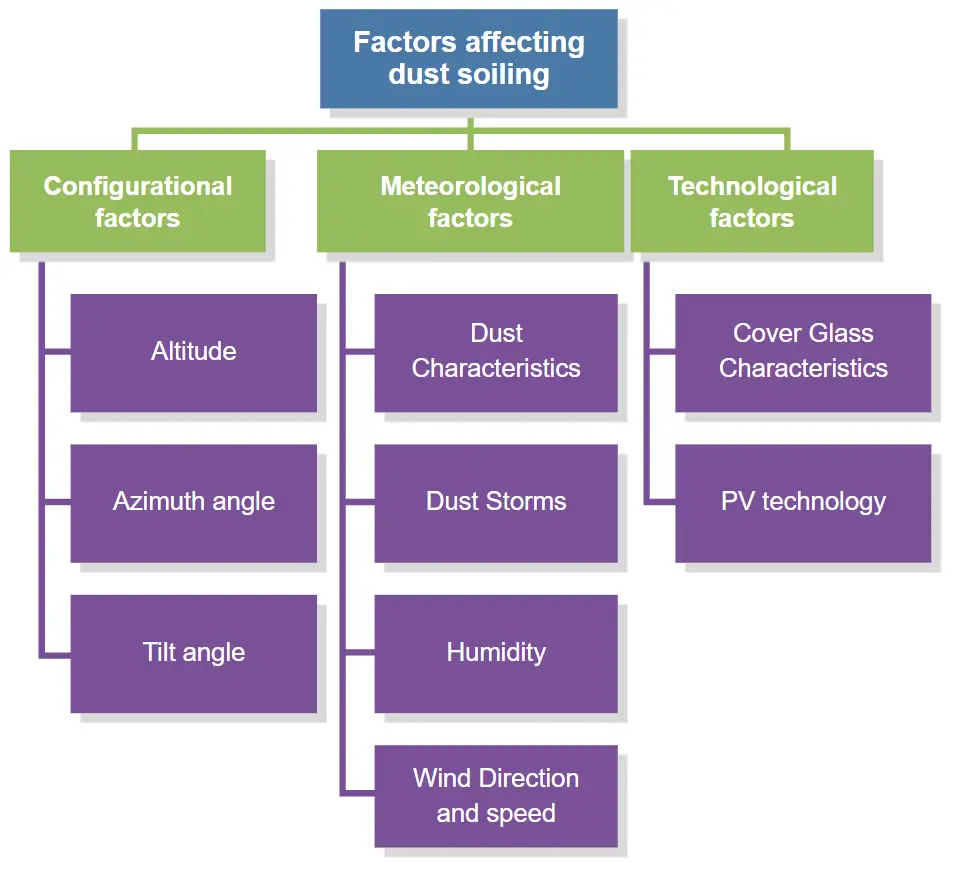
Solar panel efficiency depends on the intensity of sunlight falling on the panel and its rate of conversion into electricity. Due to advances in solar PV fabrication technologies, efficiency has increased from 15% to 20%, although it remains low compared to other energy sources. The performance of a photovoltaic system is significantly impacted by various meteorological factors, including temperature, humidity, and solar radiation. Certain factors, including wind speed, have the potential to inflict harm on the PV structure [9]. However, other factors such as the accumulation of foreign particles, bird excrement, sand particles, snow, acid rain, and dry leaves can significantly degrade panel efficiency. In the tropical region, the decrease in solar panel efficiency due to the accumulation of dust or dust soiling on the panel is a common problem in the various reported studies [10]. Limited robotic system based solutions have been reported in the literature. [11]. Dust build up, or soiling, has a significant impact on photovoltaic system performance. Figure 1 shows the factors affecting dust soiling on solar panels.
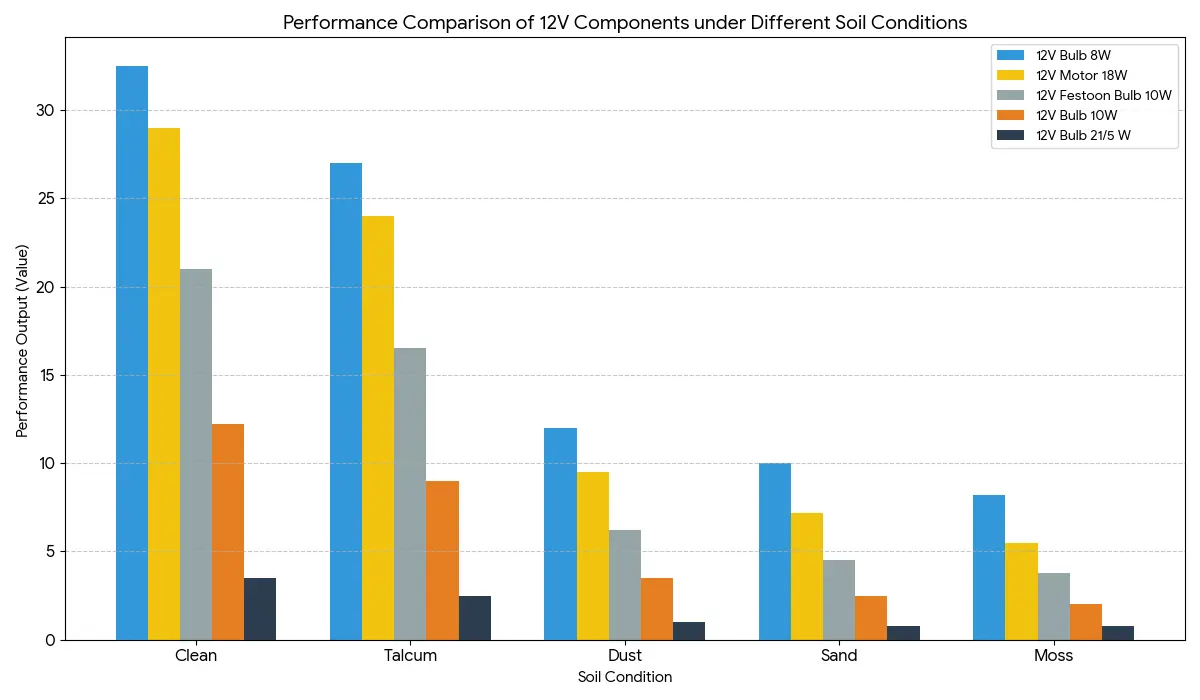
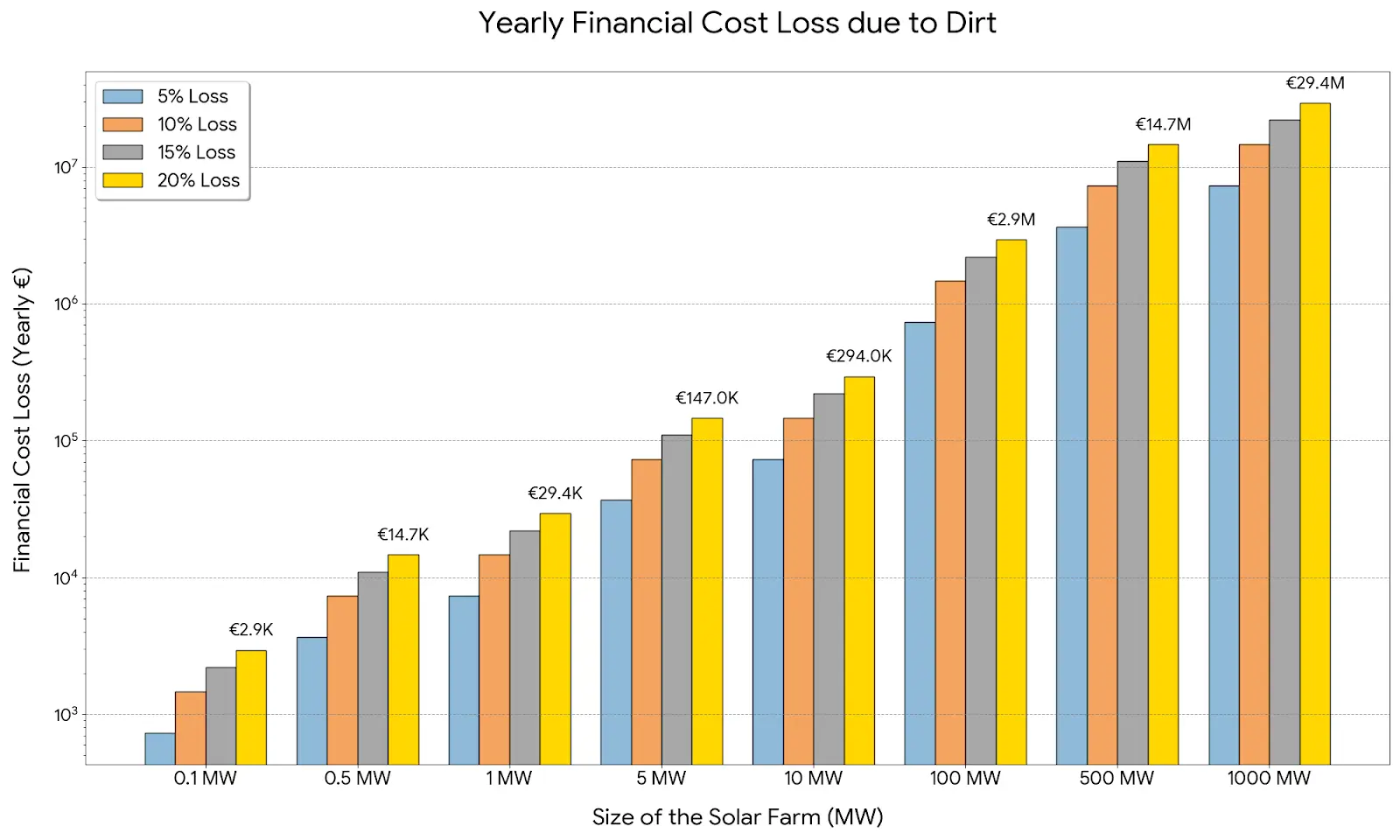
Dust and dirt particles accumulate on PV panels, reducing overall power output. Large-scale PV systems are affected by the accumulation of dust on their surfaces. Due to the accumulation of dust, the temperature of the solar panel increases by up to 10%. The study concluded that the efficiency decreased by around 30–40%, and accumulation of moss could be other factor that could reduce the efficiency up to 86% [12]. The output power reduction of the PV solar panel system can vary as per the geographical location of its installation and the surrounding climatic conditions. 40% degradation in 6 months was observed in Saudi Arabia. Similarly, 11% decrease in efficiency in Thailand and a 33.5–65.8% reduction in efficiency in Egypt were reported [13]. The dust buildup on photovoltaic solar panels might cause a 50% reduction in the system’s effectiveness. Therefore, regular monitoring and cleaning of solar panels surfaces are highly recommended to protect PV module output efficiency.
In addition to the rooftop photovoltaic solar panel installation for power generation, there are off grid solar installation which include solar lamps, lanterns, solar pumps, street lights, rural home lighting, solar cooking, security cameras, etc. The government of India has launched various schemes and offered substantial subsidies to promote its use and installation; however, these installations are still not very popular due to various challenges and limitations, including a drop in panel efficiency due to dust accumulation, as discussed. Table 1 provides details of various off-grid solar installations in India. Reported challenges & limitations associated with the off-grid solar installation include Social & Economic Issues (Initial investment cost & higher O&M; poor maintenance and reliability issues; damage & theft) as well as other Technical issues, including dirty solar panels due to the accumulation of dust & bird droppings.
Figure 2 and Figure 3 depict the implications of different dirt on solar PV power generation, efficiency, and substantial financial losses [15,16]. Thus, there is a need for regular cleaning and monitoring of solar panels. It is important to maintain its efficiency and power output through various cleaning methods.
2. Literature Review
Numerous techniques and methods are used to clean photovoltaic cells, such as chemical, mechanical, manual, and electrostatic methods. Some of the most significant and modern techniques for PV cleaning that are now in use will be covered in detail and discussed.
Automation is used in mechanical cleaning. A precise controller manages the system with the assistance of sensors. The research team in Nigeria dubbed natural cleaning—which includes wind, rainfall, and gravity forces due to the inclinations of the PV modules and arrays—ineffective during the dry season [17]. Conventionally, the panels were cleaned manually with water after a fixed interval, which is the simplest and most popular cleaning practice. The use of cloth and soap, along with water, to physically clean solar panels was also reported. However, the process is labor-intensive and proven expensive in large-scale PV systems. The study by Ref. [18] reported the average daily restored capacity of 7% due to daily cleaning of the module from the end of April to the beginning of June. Similarly, the applications of the solar IC curve of the solar panels are also studied [19,20].
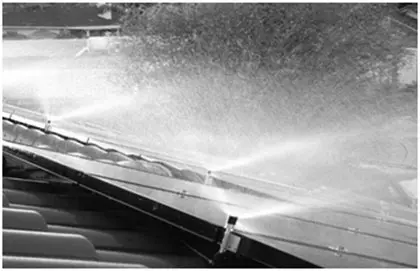
Ref. [21] reported the use of a washing tractor, which includes brushes, a semi-automatic arm, and an integrated water delivery system, for cleaning solar installations in Kuwait. The cleaning approach was successful since it maintained the standard level of power production cost; however, excessive water consumption is undoubtedly a drawback, given the value of water as a resource in the arid region. Ref. [22] used an automated water spraying system to clean the PV array. The PV system was able to regain an average of 2.68–7.69% of its total capacity. Ref. [23] employed high-volume, low-pressure water jets to clean an 8-kW photovoltaic system that was mounted in a carport in Saudi Arabia. This water-based cleaning method demonstrated its advantages over vibrating machine cleaning, helping to recover 27% of the entire capacity. Without the need for human intervention, the system’s integrated PLC controller initiates the cleaning process. However, the extensive use of water resources is a matter of concern in this region. Electrodynamic dust shield devices for PV panel soiling mitigation were reported; however, they were not demonstrated due to damage to the electrodes caused by high-temperature conditions in Qatar [24]. Ref. [25] reported the encouraging preliminary results, under field circumstances that houses the EDS electrodes, however experimental results show that it can only be attained with a sufficiently high ED’s activation voltage.
At the international level, most research has focused on the foundations of electronic and robotic devices. To implement the built-in microcontroller’s instructions for automatically cleaning the surface of the PV array under test, Ref. [26] demonstrated a cleaning robot that uses a rotary brush and water spray to clean the solar panel surface. Also, the use of low-cost microcontroller, sensors, DC motor, use of IP camera to monitor the solar panels and dust, IoT-enabled solar cleaning devices [27], a solar panel cleaning self-powered robot with an air blower, microfiber brushes, and dust sensors [28]; However, the systems were bulky and complex to operate for long periods, and such devices are not feasible in remote and rural areas, hill stations, etc.
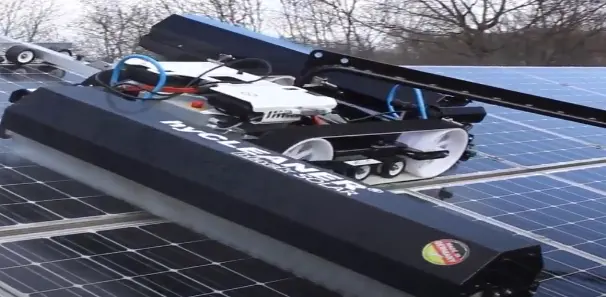
As shown in Figure 4, the firms like Heliotex and hyCLEANER are providing similar cleaning solutions with minimal cleaning time. This approach uses more power than any of the previously listed cleaning techniques, and maintenance is required for the mechanical parts. It is noticed that when using water, the weight of the mechanical devices in direct contact with the brushes may cause the cleaned panels’ surfaces to be scrapped.
The use of surface acoustic waves (SAW) is reported for the dust removal from PV panel surfaces, however it is unable to clean tiny dust particles [30]. Table 2 provides the salient features and limitations of the existing system.
Most of these cleaning systems are mostly established in developed nations. The EU countries have designed the systems to protect from cold conditions, snow, etc. Therefore, there is a need to designed and developed a simple electro-mechanical cleaning devices for PV solar panels predominantly for the stand alone PV Solar Panel installations, considering the drawbacks and limitations of the existing technologies and methods use for panels cleaning.
This paper presents a design and development of low-cost, energy-efficient, intelligent electro-mechanical dust cleaning system for photovoltaic panels that will address the local roof top solar cleaning issues. The first part of this research article deals with the detailed literature review of existing solar panel technologies, the second part deals with design aspects of the electro-mechanical solar cleaning system, and the third part deals with the prototype development and its efficiency testing with respect to time, followed by a conclusion. The novelty of the system lies in its simple operation and the possibility of customization based on the panel size.
3. Materials and Methods
ABS (Acrylonitrile Butadiene Styrene) was selected for the 3D-printed housing and arm components because of its high impact strength, mechanical stability, and resistance to UV-driven brittleness in comparison to poly-lactic acid) PLA, while remaining lightweight to avoid adding mechanical load on the panel frame. All structural parts were designed and printed at 100% infill density for the load-bearing brackets, and 40–60% infill for enclosures. Further, the finished housing was designed in order to be field-serviceable and facilitate ease of replacement in case of damage, supporting the low-cost, sustainable design goal of the system. The poly crystalline silicon solar 80 W PV panel was selected for this study. The rated capacity was approximately 70–80 W per panel, and the current maximum power (Imp) values were around 3.5–4.0 A.
The prototype was developed using 3D printing with ABS material, printed in Autodesk Inventor Professional version 2023 and designed with the intention of cleaning the solar panel while removing bird droppings, moss, dust, and oil. To achieve this, we used two supporting arms that injected water from a pin injector at the start of the operation. Both arms move in synchronization with one another to facilitate maximum panel surface cleaning. Further, the roller brushes fitted within the arm help clean sticky dirt, such as bird droppings and plant oil, and the rubber wiper fitted on the edges of the arm swipes water and dirt from the panel surface. The system is designed to be lightweight to reduce water consumption and environmental impact. Its automatic operation is facilitated by a simple electric motor and rail guide, allowing for remote operations and increased efficiency. The majority of the components are designed using Autodesk Inventor Professional software. The system draws water from an integrated 2-litre water tank mounted on a frame below the panel. At the preset default operating setting (one cleaning cycle approximately needed 150 mL of water), the tank can support about 12–13 cleaning cycles without refilling, depending upon the environmental conditions requirement the cleaning frequency schedule daily-weekly-forth nightly-monthly can be preset. Tank capacity can be increased for isolated remote installations where frequent refilling of the tank may have logistical limitations.
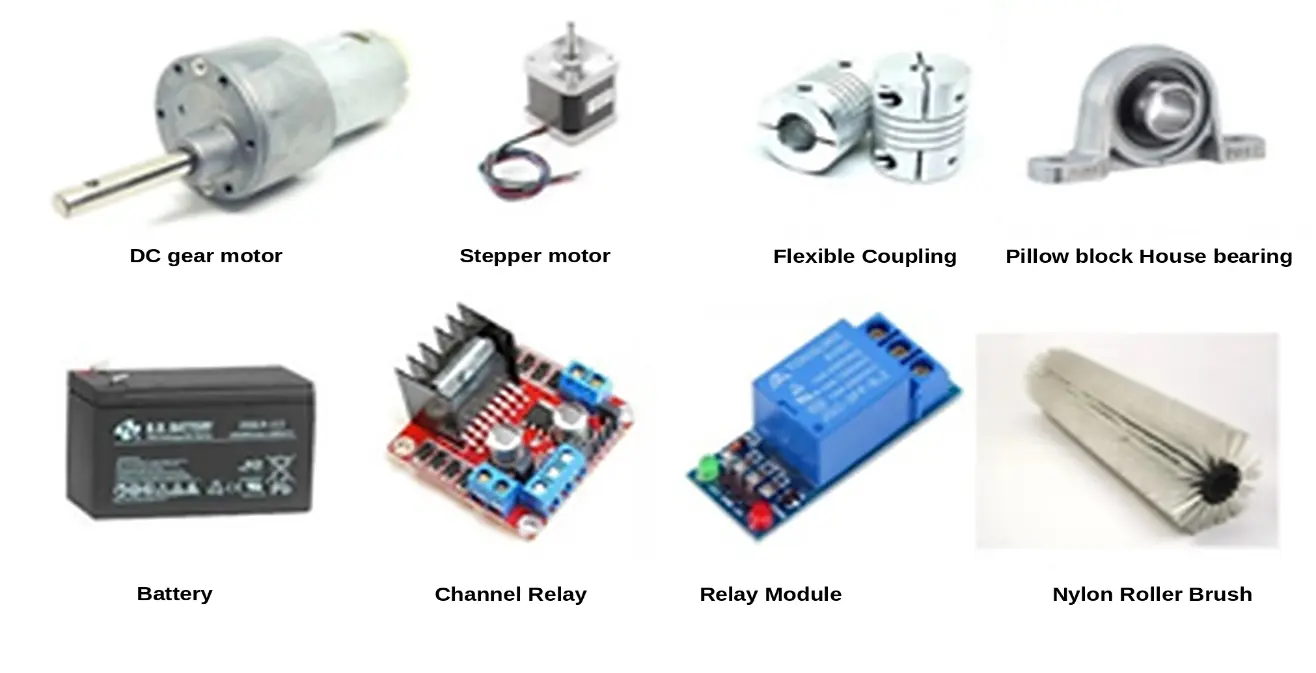
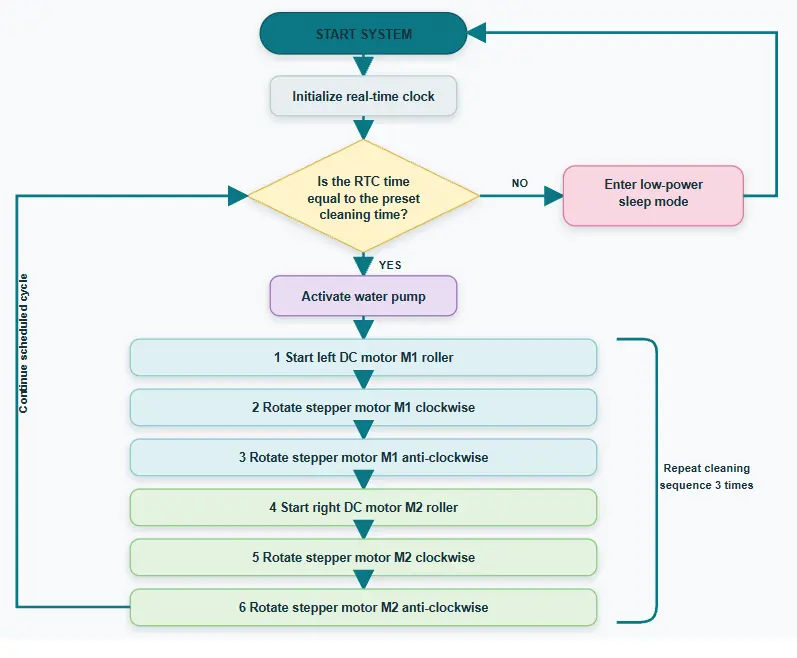
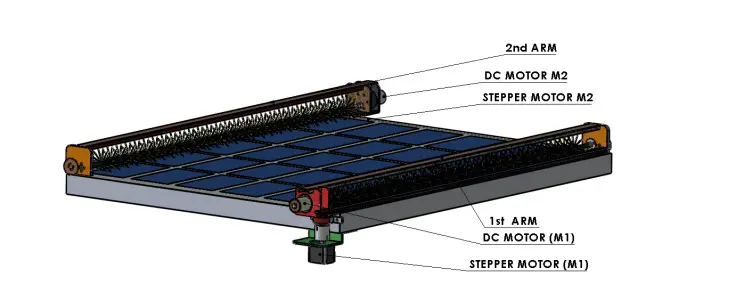
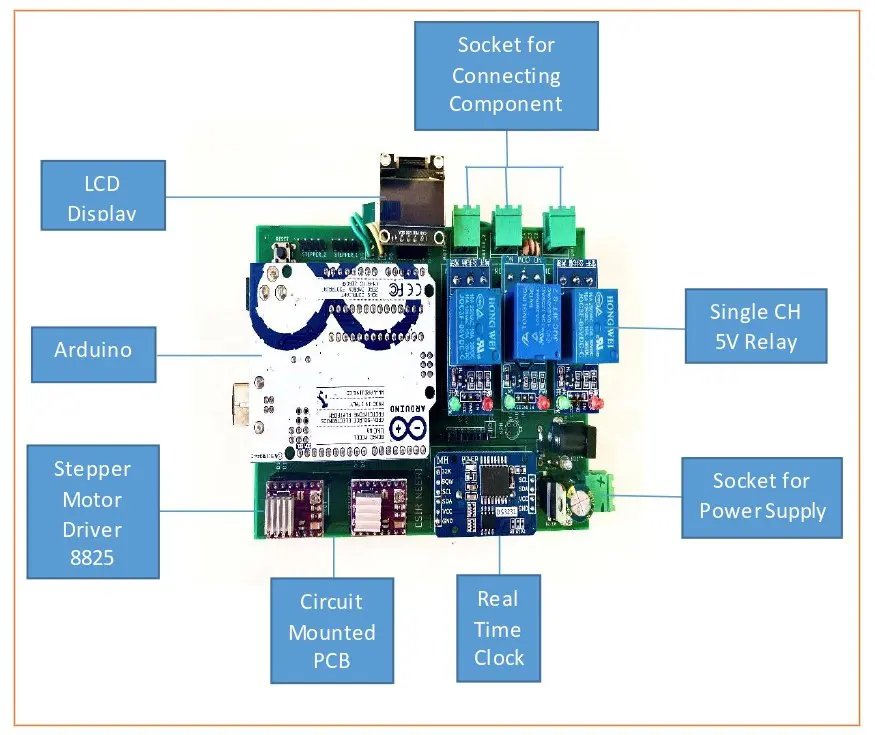
The Figure 5 depicts the electronic and mechanical components used for the system. The Figure 6 shows flow chart of working mechanism arms, which are positioned at the diagonally opposite corners of the solar pane for maximum surface area coverage. Time-based cleaning schedule set by an algorithm uses the Real Time Clock (RTC). Ref. [31] reported that, on dry days, periodic cleaning of the PV is needed once a week; however, in conditions where dust accumulation is severe, cleaning must occur once a day. The cleaning process starts automatically at the pre-set time and scheduled frequency using the RTC. At first the 12 V DC pump mounted on the top middle of the solar panel sprays a preset quantity of water across the surface of the panel. Simultaneously, the stepper motor M1/M2 connected to the first/second arm, and the DC motor M1/M2 directly connected to the cleaning roller brush placed beneath the arms, rotate at 45° and 360°, respectively. The movement of both arms is programmed to enable synchronized movement without colliding with one another, and to reach the final rest positions on the respective edges of the panel. i.e., at the starting position. The solar panel’s surface is cleared of dust, tree leaves, bird droppings, etc., by the revolving brush. The complete cleaning operation duration can be change and preset accordingly depending upon on the climatic and surrounding conditions. A 12 V, 2.5 AH rechargeable battery is used to power the system.
Cost-effectiveness and payback: The cleaning contract services in the region typically cost in the range of USD 100–100 per cleaning visit for a small-to-medium rooftop array, a recurring operational expense that scales with the frequency of cleaning required. The prototype developed in this study, built from 3D-printed ABS components, a 12 V DC pump, low-cost stepper/DC motors, and a microcontroller-based RTC timer, has an estimated bill-of-materials amounting to tentative cost of ~USD 60–80 per unit. The cost will be further reducing in case of dedicated facility and mass scale manufacturing. And it will be more relevant and helpful in calculating the actual pay-back period. However, a more extensive field studies based techno-economic analysis, including maintenance and component-replacement costs, is identified as future work to arrive at a more precise and accurate value.
4. Results and Discussion
Comparative Analysis of Cleaning Techniques: Table 2 provides a comparative overview of different solar panel cleaning technologies, highlighting the advancements and efficiency of various methods:
Table 2. Comparison of various solar cleaning techniques.
This analysis underscores the shift towards more automated and environmentally friendly cleaning solutions that not only maintain but also enhance the operational efficiency of solar panels. By embracing these future directions, the solar panel industry is poised to make significant impacts on energy efficiency, operational costs, and environmental sustainability. These advancements will set new standards in the industry, fostering a more robust and ecologically responsible approach to solar energy production. Therefore, there is a need to develop and test simple electro-mechanical cleaning devices for PV solar panels.
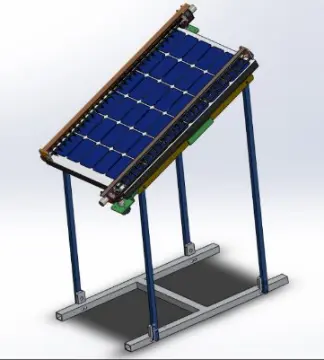
It comprises an automated mechanical arm that can be fitted or retrofitted diagonally opposite the installed PV Solar Panel to cover the maximum panel area. An automated mechanical PV solar panel cleaning system as depicted in Figure 7 comprising of an Automated Mechanical Arm Cleaner (AMAC) with (a) Two mechanical arms with rubber blades on edges and rotating brushes with or without holes for water sprinkling arrangement and circumferential fibers throughout its length for cleaning, (b) A mechanical arrangement to mechanically integrate or interconnect two AMAC’s using worm gear, pinion joint arrangement, etc. and (c) Two interconnected AMAC’s fixed to two diagonally opposite corners of solar panels for cleaning, (i) A stepped gear motor for providing angular movement to the AMAC’s, (ii) A motor to rotate the rotating tubes while cleaning, (iii) A small water pump with nozzle (connected to a water tank) for sprinkling water onto the panels, (iv) A power source (like battery which is charged solar power or any other external source) for providing necessary power supply to motors, (v) A controller to—(a) Control the pump for sprinkling pre-determined amount of water on the panel after receiving signal from controller (either programmed-timer based or sensor based) to automatically operate/function by as per the preset schedule frequency/conditions (either in morning daily or any preset time) and (b) Control the motor for operating the hollow rotating tube with fibers. Figure 8 provides the PCB circuit details.
The novelty of the system is the design specification of the wiper, an attachable solar cleaning module. The novel arrangement of the cleaning mechanism to cover the maximum panel surface area and sensor-enabled auto start option enable this system to be unique in design. The cleaning system is targeted for the standard panel sizes, which may be adopted and replicated for other sizes with necessary engineering modifications. Salient Features of this system are simple and easy design, and its employees 3 cleaning steps; Ensures automatic, assured, and regular cleaning without any human intervention; Can be integrated with new or retrofitted to old PV panel. Conservation of natural resources—minimum water usage; Optimum Cleaning as per Pre-Set required condition.
 |
 |
|
(a) |
(b) |
Figure 7. Developed Automated Solar Panel Cleaning system. (a) Solar Panel Cleaning system; (b) Solar Panel Cleaning system (with stand).
Technical Adaptation for Different Photovoltaic Module Sizes
For compatibility with different standard PV module formats, the cleaning unit has been designed as a modular frame-mounted assembly. Adjustable corner brackets and telescopic or interchangeable arm members can accommodate module length and width, while guide-rail travel limits are set based on the active glass dimensions rather than the external frame alone. The arm sweep angle and wiper length must be selected so that the brush and rubber blade overlap the complete active area without excessive contact pressure at the glass or frame. Replaceable brush sections and repositionable water-jet nozzles can maintain uniform cleaning coverage when the module width changes. For a larger module or a multi-module array, additional rail-supported cleaning modules could be mechanically linked; the required motor torque, gear ratio, rail stiffness, battery capacity, and pump flow will be changed as per the size of the panel. Limit switches or position sensors will change as per the size of the panel. These minor modifications allow the present diagonal two-arm concept to serve as a base module that can be replicated across different standard panel sizes and expanded to support arrays.
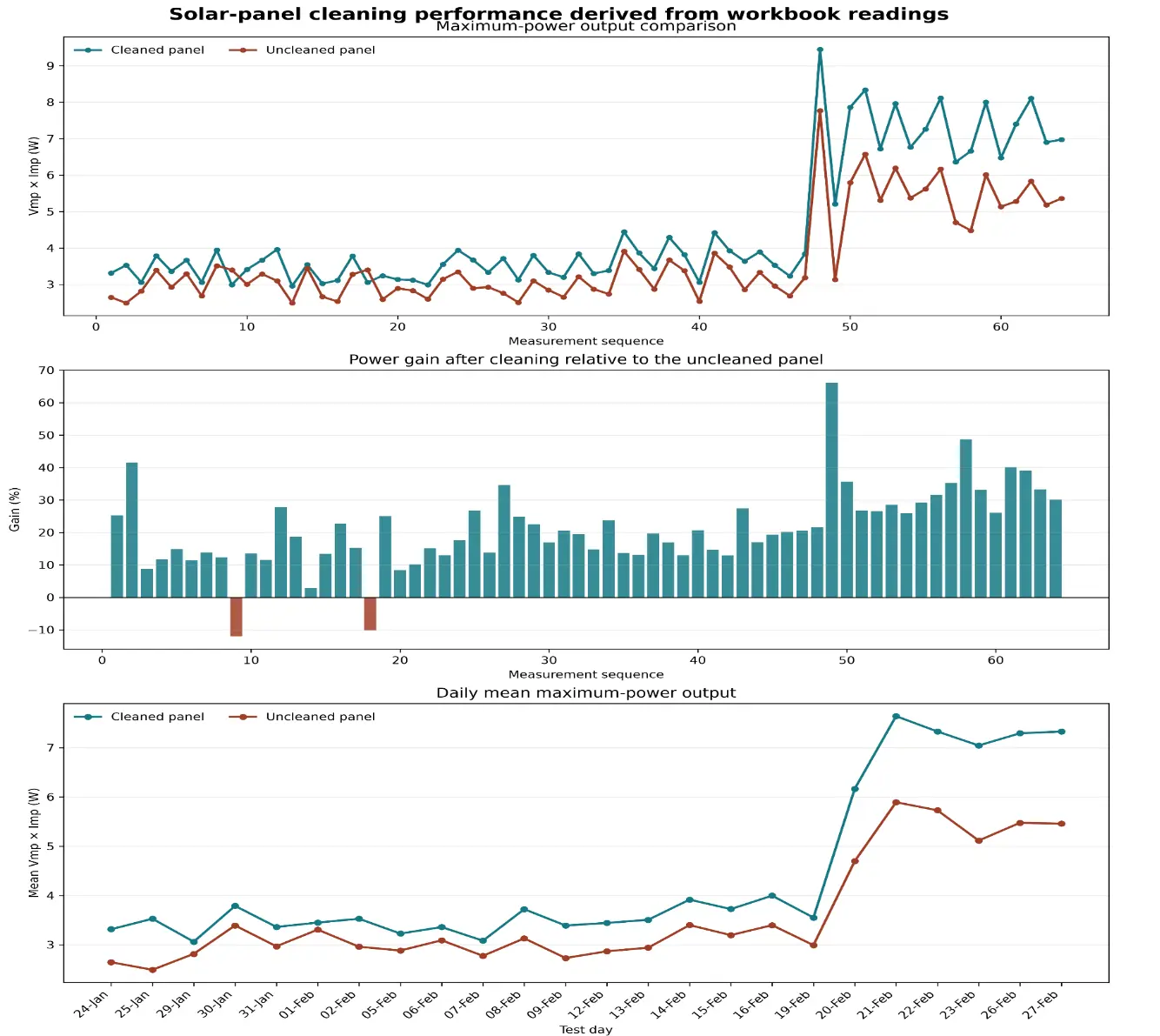
Figure 9a,b and Figure 10 depict the comparative studies undertaken using two identical solar panels with the same rated capacity, mounted side by side at the same tilt and orientation at the CSIR-NEERI Nagpur, India spanning over both dry and intermittently overcast days. One panel was cleaned daily on a fixed schedule, while the other panel was left as is (uncleaned) to accumulate dust naturally. Power output was logged at fixed intervals throughout the day using the panel’s inverter/data-logging setup, and daily efficiency was computed as the ratio of measured to rated output under the corresponding irradiance.
The energy output and panel efficiency of solar panels can fluctuate noticeably before and after cleaning. Figure 9a,b and Figure 10 portray the generating capacity, efficiency, and power gain improvement increased after the cleaning.
On a small number of days in Figure 10, the uncleaned panel shows marginally higher efficiency than the cleaned panel. This is attributed to natural cleaning effects (light rainfall or wind-driven removal of loose surface dust on those specific days), day-to-day variations in irradiance and temperature between the two panel locations, and normal measurement variability in the logging equipment, rather than any underperformance of the cleaning mechanism itself. Over the full monitoring period, the cleaned panel’s average efficiency remained consistently higher than the uncleaned reference, consistent with the soiling-loss trends reported in Section 1.
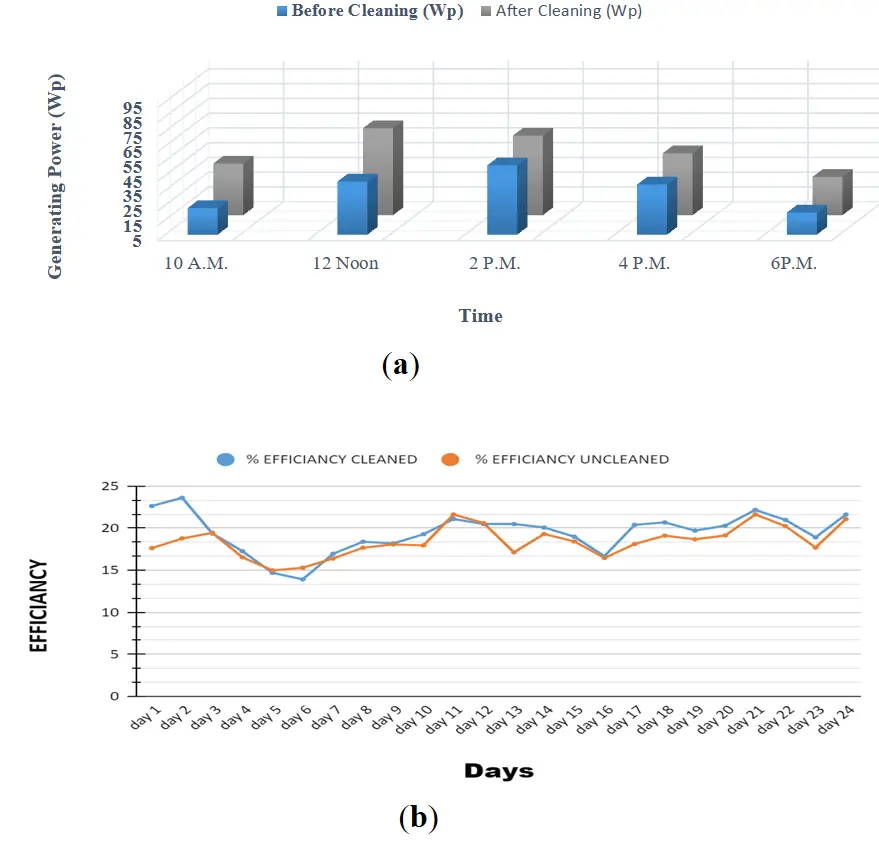
Figure 9. (a) Power Generation Performance during the daytime of the Cleaned and Un-Cleaned Solar Panel; (b) Power generation efficiency: cleaned versus uncleaned panels.
Targeted Applications: In addition to solar streetlights, illuminated hoardings, traffic signals and solar-powered pumps, this system can be useful for cleaning the off grid standalone solar home-lighting units, rural electrification systems, solar lantern charging stations, telecommunication towers, remote weather and environmental monitoring stations, security and surveillance cameras, railway and highway signaling systems, navigation beacons, emergency power units, water-treatment and water-pumping stations, agricultural irrigation systems, solar-powered battery charging facilities, electric-vehicle charging shelters, parking and pathway lighting, and small off-grid power plants serving schools, health centers and remote communities. Its compact, programmable, and water-efficient design is particularly suitable for installations located in dusty, remote, or difficult-to-access areas where frequent manual cleaning is inconvenient.
5. Conclusions
The accumulation of dust on photovoltaic cells negatively impacts its electrical output. The location of the gathered dust’s source determines its type, size, form, weather, and other properties. The buildup of dust reduces the quantity of solar radiation that reaches the photovoltaic cell. Moreover, accumulated dust on the surfaces may lead to scratches, hasten corrosion, and reduce its longevity. Therefore, cleaning these solar PV panel’s surfaces on a regular basis is technically essential for achieving better efficiency.
The best cleaning methods for each PV system are found to be dependent on a range of factors, including the PV’s size, design, location, availability of water, type of dust ingredient, and other features. This sustainable cleaning technology can be fitted/retrofitted to the Solar Panel(s) for cleaning purposes with a lower water requirement. This sustainable technology can be programmed to function remotely and automatically at the pre-set input condition for optimum cleaning of the panel surface for increasing its power generation efficiency. Further research should be done to create artificial intelligence models for dust accumulation and characteristics, according to the authors’ suggestions. Building on the short-term outdoor comparison presented here, the authors plan a longer-term field deployment of the device on an operational rooftop and ground-mounted PV installation for a minimum of 6–12 months to study its cleaning efficacy in varied climatic-seasonal as well as in different soiling conditions. This trial will help quantify the actual water requirement per cleaning cycle and the wear and tear on components (brushes, wiper rubber, motors) under continuous operating conditions in the field. This enables to evaluate the more precise payback period and will also assess integration with sensor-based (soiling-triggered) activation as an alternative to fixed timer-based scheduling.
The future of this work will focus strongly on integration with existing solar panels. The system can be made IoT-enabled to monitor the solar parameters remotely. There is potential for further integration of electro-mechanical cleaning systems with other maintenance and monitoring technologies. Additionally, the development of more sustainable, eco-friendly cleaning methods is anticipated, aligning with broader goals of reducing environmental impact and enhancing the sustainability of solar power installations.
Statement of the Use of Generative AI and AI-Assisted Technologies in the Writing Process
During the preparation of this manuscript, the author(s) used ChatGPT (OpenAI) to assist with language refinement, grammatical corrections, and improvement of the clarity and readability of the text. After using this tool, the author(s) reviewed and edited the content as needed and take full responsibility for the content of the published article.
Acknowledgments
The authors would like to acknowledge the Director, NEERI, for the necessary technical and financial support provided to the Project OLP-53 under which this work was undertaken. All authors have made substantial contributions to this research work.
Author Contributions
Conceptualization, S.B.W.; Data Validation, S.B.W. and P.K.; Mechanical Design, S.B.W.; Drawings and Overall Coordination, S.B.W.; Writing—Review & Editing, P.K.; Circuit Design of the Prototype, P.K.
Ethics Statement
Not applicable.
Informed Consent Statement
Not applicable.
Data Availability Statement
The data supporting the findings of this study are available from the corresponding author upon reasonable request.
Funding
This research received CSIR OLP funding under project number OLP-83.
Declaration of Competing Interest
The authors declare that they have no known competing interests or personal relationships that could have appeared to influence the work reported in this paper.
References
- Olivier J, Peters J. Trends in Global CO2 and Total Greenhouse Gas 2019. 2020. Available online: https://omgevingsweb.nl/wp-content/uploads/po-assets/298353.pdf (accessed on 13 October 2026).
- Verma A, Kumar S, Sengupta S. Concentrating Solar Energy Technologies in India: Present Status, Challenges and Directions for Development (a Brief Report). Therm. Eng. 2025, 72, 774–781. DOI:10.1134/S0040601525700417 [Google Scholar]
- Zhang H, Da Y, Zhang X, Fan JL. The impacts of climate change on coal-fired power plants: Evidence from China. Energy Environ. Sci. 2021, 14, 4890–4902. DOI:10.1039/D1EE01475G [Google Scholar]
- Aggarwal A, Singhal A, Darak SJ. Clean and Green India: Is Solar Energy the Answer? IEEE Potentials 2018, 37, 40–46. DOI:10.1109/MPOT.2016.2593024 [Google Scholar]
- Nelson CJ, Scullion EM, Doyle JG, Freij N, Erdélyi R. Small-Scale Structuring of Ellerman Bombs at the Solar Limb. Astrophys. J. 2015, 798, 19. DOI:10.1088/0004-637X/798/1/19 [Google Scholar]
- Agrawal KK, Jain S, Jain AK, Dahiya S. Assessment of Greenhouse Gas Emissions from Coal and Natural Gas Thermal Power Plants Using Life Cycle Approach. Int. J. Environ. Sci. Technol. 2014, 11, 1157–1164. DOI:10.1007/s13762-013-0420-z [Google Scholar]
- Mundo-Hernández J, de Celis Alonso B, Hernández-Álvarez J, de Celis-Carrillo B. An overview of solar photovoltaic energy in Mexico and Germany. Renew. Sustain. Energy Rev. 2014, 31, 639–649. DOI:10.1016/j.rser.2013.12.029 [Google Scholar]
- IRENA and FAO. Renewable Energy for Agri-Food Systems: Towards the Sustainable Development Goals and the Paris Agreement; IRENA and FAO: Rome, Italy, 2021. [Google Scholar]
- Al-Waeli AHA, Sopian K, Kazem HA, Yousif JH, Chaichan MT, Ibrahim A, et al. Comparison of prediction methods of PV/T nanofluid and nano-PCM system using a measured dataset and artificial neural network. Sol. Energy 2018, 162, 378–396. DOI:10.1016/j.solener.2018.01.026 [Google Scholar]
- Sulaiman SA, Razif MRM, Han TD, Atnaw SM, Tamili SNA. Impact of Soiling Rate on Solar Photovoltaic Panel in Malaysia. MATEC Web Conf. 2018, 225, 04008. DOI:10.1051/matecconf/201822504008 [Google Scholar]
- Jaradat MA, Tauseef M, Altaf Y, Saab R, Adel H, Yousuf N, et al. A fully portable robot system for cleaning solar panels. In Proceedings of the 10th International Symposium on Mechatronics and its Applications (ISMA), Sharjah, United Arab Emirates, 8–10 December 2015; pp. 1–6. DOI:10.1109/ISMA.2015.7373479 [Google Scholar]
- Sulaiman SA, Singh AK, Mokhtar MMM, Bou-Rabee MA. Influence of Dirt Accumulation on Performance of PV Panels. Energy Procedia 2014, 50, 50–56. DOI:10.1016/j.egypro.2014.06.006 [Google Scholar]
- Bayoumi S, Moharram NA, Shehata AI, Imam MM, El-Maghlany WM. A multi-criteria performance assessment of concentrated solar power plants for site and technology selection in Egypt. Int. J. Environ. Sci. Technol. 2024, 21, 2989–3004. DOI:10.1007/s13762-023-05114-1 [Google Scholar]
- Gazette Notification for Extension of Self Certification for SPV Inverters Above 100 kW in MNRE Quality Control Order 2017 up to 31st December 2025 or Till Further Orders, Whichever Is Earlier. Ministry of New and Renewable Energy. India. Available online: https://www.eqmagpro.com/gazette-notification-for-extension-of-self-certification-for-spv-inverters-above-100-kw-in-mnre-quality-control-order-2017-up-to-31st-december-2025-or-till-further-orders-whichever-is-earlier-eq/ (accessed on 22 January 2026).
- Farrokhi Derakhshandeh J, AlLuqman R, Mohammad S, AlHussain H, AlHendi G, AlEid D, et al. A comprehensive review of automatic cleaning systems of solar panels. Sustain. Energy Technol. Assess. 2021, 47, 101518. DOI:10.1016/j.seta.2021.101518 [Google Scholar]
- Nahar Myyas R, Al-Dabbasa M, Tostado-Véliz M, Jurado F. A novel solar panel cleaning mechanism to improve performance and harvesting rainwater. Sol. Energy 2022, 237, 19–28. DOI:10.1016/j.solener.2022.03.068 [Google Scholar]
- Chanchangi YN, Ghosh A, Sundaram S, Mallick TK. Dust and PV Performance in Nigeria: A review. Renew. Sustain. Energy Rev. 2020, 121, 109704. DOI:10.1016/j.rser.2020.109704 [Google Scholar]
- Alharthi YZ, Siddiki MK, Chaudhry GM. Resource Assessment and Techno-Economic Analysis of a Grid-Connected Solar PV-Wind Hybrid System for Different Locations in Saudi Arabia. Sustainability 2018, 10, 3690. DOI:10.3390/su10103690 [Google Scholar]
- Ergin Şahin M. A photovoltaic powered electrolysis converter system with maximum power point tracking control. Int. J. Hydrog. Energy 2020, 45, 9293–9304. DOI:10.1016/j.ijhydene.2020.01.162 [Google Scholar]
- Şahin ME, Blaabjerg F. A Hybrid PV-Battery/Supercapacitor System and a Basic Active Power Control Proposal in MATLAB/Simulink. Electronics 2020, 9, 129. DOI:10.3390/electronics9010129 [Google Scholar]
- Cleaning by Washing Tractor (Al-rasheedi et al., 2020). Available online: https://www.researchgate.net/figure/Cleaning-by-washing-tractor-Al-rasheedi-et-al-2020_fig7_358346505 (accessed on 16 January 2026).
- Kasim NK, Obaid NM, Abood HG, Mahdi RA, Humada AM. Experimental study for the effect of dust cleaning on the performance of grid-tied photovoltaic solar systems. Int. J. Electr. Comput. Eng. 2021, 11, 74. DOI:10.11591/ijece.v11i1.pp74-83 [Google Scholar]
- Alghamdi AS, Bahaj AS, Blunden LS, Wu Y. Dust Removal from Solar PV Modules by Automated Cleaning Systems. Energies 2019, 12, 2923. DOI:10.3390/en12152923 [Google Scholar]
- Guo B, Chen EYT, Javed W, Figgis B. Characterization of an Electrodynamic Dust Shield Device for PV Panel Soiling Mitigation. In Proceedings of the ASME 2017 11th International Conference on Energy Sustainability, Charlotte, NC, USA, 26–30 June 2017. DOI:10.1115/ES2017-3270 [Google Scholar]
- Kawamoto H, Guo B. Improvement of an electrostatic cleaning system for removal of dust from solar panels. J. Electrost. 2018, 91, 28–33. DOI:10.1016/j.elstat.2017.12.002 [Google Scholar]
- Ronnaronglit N, Maneerat N. A Cleaning Robot for Solar Panels. In Proceedings of the 2019 5th International Conference on Engineering, Applied Sciences and Technology (ICEAST), Luang Prabang, Laos, 2–5 July 2019; pp. 1–4. DOI:10.1109/ICEAST.2019.8802521 [Google Scholar]
- Solar-Shine: An IOT Based Semi-Automated Solar Panel Cleaning Robot. EBSCOhost. Available online: https://thegrenze.com/abstract/journal/3069 (accessed on 20 January 2026).
- Al Baloushi A, Saeed M, Marwan S, AlGghafri S, Moumouni Y. Portable robot for cleaning photovoltaic system: Ensuring consistent and optimal year-round photovoltaic panel performance. In Proceedings of the 2018 Advances in Science and Engineering Technology International Conferences (ASET), Dubai, Sharjah, Abu Dhabi, United Arab Emirates, 6 February 2018–5 April 2018. DOI:10.1109/ICASET.2018.8376781 [Google Scholar]
- Solar Panel Cleaning—Automatic Cleaning System: Heliotex. Available online: https://www.solarpanelcleaningsystems.com/ (accessed on 22 January 2026).
- Removal of Spoiling Materials from Solar Panel Surfaces by Applying Surface Acoustic Waves. Available online: https://www.sciencedirect.com/science/article/pii/S0959652620300391 (accessed on 20 January 2026).
- Alvarez DL, Al-Sumaiti AS, Rivera SR. Estimation of an Optimal PV Panel Cleaning Strategy Based on Both Annual Radiation Profile and Module Degradation. IEEE Access 2020, 8, 63832–63839. DOI:10.1109/ACCESS.2020.2983322 [Google Scholar]
- Nkinyam CM, Ujah CO, Nnakwo KC, Ezeudu O, Kallon DVV, Ezema IIC. Design and implementation of a waterless solar panel cleaning system. Unconv. Resour. 2025, 5, 100131. DOI:10.1016/j.uncres.2024.100131 [Google Scholar]
- Al-Salaymeh AS, Al-Mansi NN, Muslih IM, Altaharwah YA, Al Smadi WY. Electrostatic cleaning effect on the performance of PV modules in Jordan. Clean. Eng. Technol. 2023, 13, 100606. DOI:10.1016/j.clet.2023.100606 [Google Scholar]
- Oufettoul H, Oubraik O, Ait Abdelmoula I, Motahhir S, EL Majid B. A novel solar panel cleaning system for improved efficiency. Unconv. Resour. 2025, 8, 100249. DOI:10.1016/j.uncres.2025.100249 [Google Scholar]
- Geetha A, Sengamalai U, Jayakumar S, Palanisamy R, Sarawagi R, Singh A. Solar Panel Self‐Cleaning Mechanisms and Its Effect on the Economic and Environmental Sustainability. J. Electr. Comput. Eng. 2024, 2024, 7726716. DOI:10.1155/2024/7726716 [Google Scholar]
- Bucur E, Motisan R, Vasile A, Tanase G, Pascu LF, Lehr CB, et al. Assessment of the Accuracy of Analyzers for Automatic Determination of PM10 and PM2.5 Particulate Matter in Ambient Air. Rev. Chim. 2020, 71, 83–87. DOI:10.37358/RC.20.1.7816 [Google Scholar]
- Munasinghe I, Vijenayake V, Viduranga S, Lokugama Y, Jayasekara P. Design and Implementation of a Semi-Autonomous Robotic System for Systematic Solar Panel Cleaning. In Proceedings of the 2024 9th International Conference on Control and Robotics Engineering (ICCRE), Osaka, Japan, 10–12 May 2024; pp. 61–67. DOI:10.1109/ICCRE61448.2024.10589856 [Google Scholar]