
Determining Maximum Allowable Concentrations of Selenium and Iron Nanoparticles in Hediste diversicolor as Sturgeon Live Feed
Determining Maximum Allowable Concentrations of Selenium and Iron Nanoparticles in Hediste diversicolor as Sturgeon Live Feed

Received: 01 February 2026 Revised: 26 February 2026 Accepted: 30 June 2026 Published: 04 August 2026

© 2026 The authors. This is an open access article under the Creative Commons Attribution 4.0 International License (https://creativecommons.org/licenses/by/4.0/).
1. Introduction
The global population passed 8 billion in 2022 and is expected to hit 10 billion by the end of this century. Population growth presents many challenges, with food security being the most critical. Estimates suggest a 56% food gap by 2050 [1]. Aquaculture currently plays a key role in food and protein production. Its importance is growing alongside agricultural products [2,3].
Sturgeon are an endangered species whose wild population has declined due to overfishing, habitat loss, and pollution. Sturgeon aquaculture involves the farming of sturgeon species, primarily for the production of caviar and then for their meat and various by-products, which are highly valuable. Sturgeon aquaculture is economically and environmentally significant, and therefore plays an important role in reducing pressure on wild populations [4]. Research has shown that low survival and performance rates in sturgeon hatcheries and farms are major barriers to the successful restoration of wild stocks [5,6,7,8,9].
One of the major challenges in sturgeon farming is early life feeding. The transition from feeding live food to commercially formulated diets results in high mortality in sturgeon due to the immature digestive system and inactivation of enzymes required to process formulated diets. Therefore, the use of appropriate live food during active feeding is a critical strategy at this stage and will help reduce mortality [10].
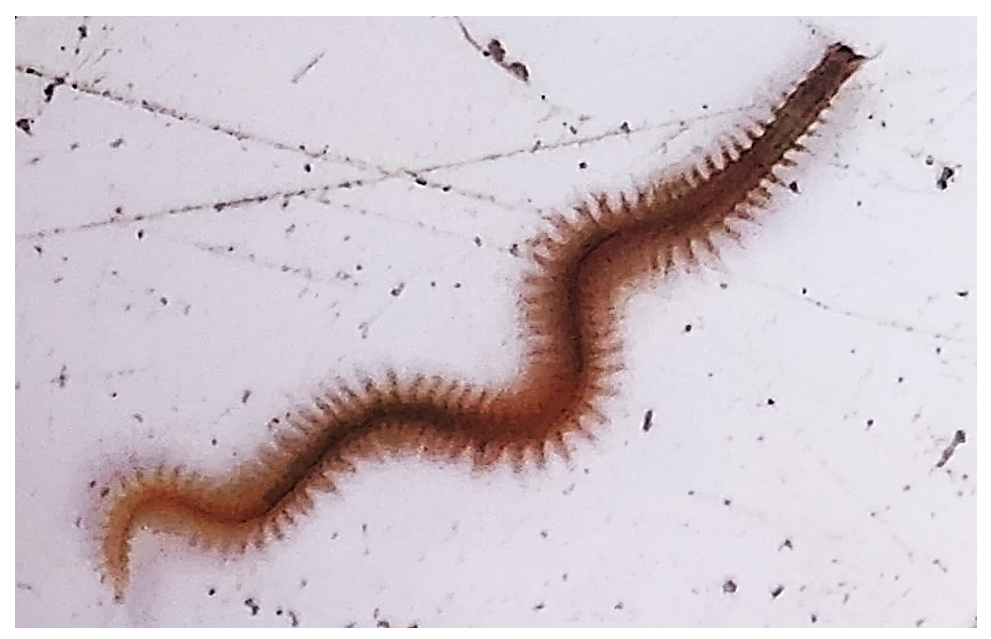
The ragworm Hediste diversicolor (Figure 1) is part of the phylum Annelida and the class Polychaeta. It is important for feeding various species of benthic-feeding economic fish. The ragworm is appealing to aquaculturists globally due to its high nutritional value (around 52% protein, 14–23% lipid, and a high caloric content of about 5578 cal/g) and its high levels of unsaturated fatty acids such as DHA and EPA. This worm serves as a valuable live feed for important fishery species such as sturgeon and shrimp. It can be easily cultivated in high densities in fish farms [11,12,13].
Nanoparticles consist of clusters of atoms from specific elements. They have important characteristics such as small size, large surface area, unique optical properties, and specific surface coatings [14,15]. Using nanoparticles in sturgeon farms can help boost the fish’s immune system, shorten the culture period by promoting growth and improving feed conversion, increase survival rates, and reduce economic losses from microbial diseases [16].
Selenium is an essential micronutrient in fish diets. It supports normal growth and biological activities [17] and protects cells and their membranes from oxidative stress. A lack of selenium can lead to slower growth, loss of appetite, increased mortality, and cellular damage [18]. With growing interest in selenium intake, researchers have proposed selenium nanoparticles as a new nutritional supplement. These nanoparticles have gained attention for their advantages, including chemical stability, high bioavailability, biocompatibility, and low toxicity [19,20]. Selenium nanoparticles serve as strong antioxidants, effectively scavenging free radicals, and can act as a natural antioxidant. The source of selenium affects its antioxidant capabilities [21]. Other studies have shown that selenium nanoparticles improve growth performance, immunity, and antioxidant function in various fish species [22,23,24,25].
Iron is another important micronutrient that plays a critical role in normal physiological functions of fish. It is necessary for various metabolic processes, including oxygen transport, drug metabolism, steroid synthesis, DNA synthesis, ATP production, and electron transfer [26]. Iron contributes to mechanisms that control circulation and respiration and plays key roles in hormone synthesis and fatty acid metabolism [27]. This element is essential for nearly all living organisms and is crucial for many vital processes, such as photosynthesis, respiratory reactions, DNA synthesis, and oxygen transport and storage [28]. Research has shown that iron deficiency in different fish species causes anemia and/or reduced spawning [29]. Additionally, fish given adequate iron levels show improved growth performance [30]. Iron is involved in protein synthesis and maintenance in aquatic animals [31]. By using nanotechnology in aquaculture, new forms of minerals, such as iron, are being developed as nanoparticles. While the need for optimal iron levels to support fish health is well known, several studies have reported conflicting results regarding iron requirements across different fish species and environmental conditions [32]. We developed a new approach to enhance ragworm with selenium and iron nanoparticles, producing a “functional food” designed to offer specific advantages to sturgeon. Nevertheless, the safe dietary thresholds of these nanoparticles for ragworm and the associated risk of nutritional transfer to sturgeon were entirely uncertain. The enrichment strategy could not be effectively executed without identifying the maximum permissible concentration (MPC) of these nanoparticles in the diet of ragworm. Thus, the primary aim of this research was to establish the acute toxicity limits and compute the MAC for selenium nanoparticles and iron nanoparticles in H. diversicolor. This MAC value will serve as an essential maximum safety threshold for developing future enrichment protocols and will guarantee that the live food carrier remains non-toxic for sturgeon.
2. Materials and Methods
2.1. Nanoparticles Used
2.1.1. Selenium Nanoparticles
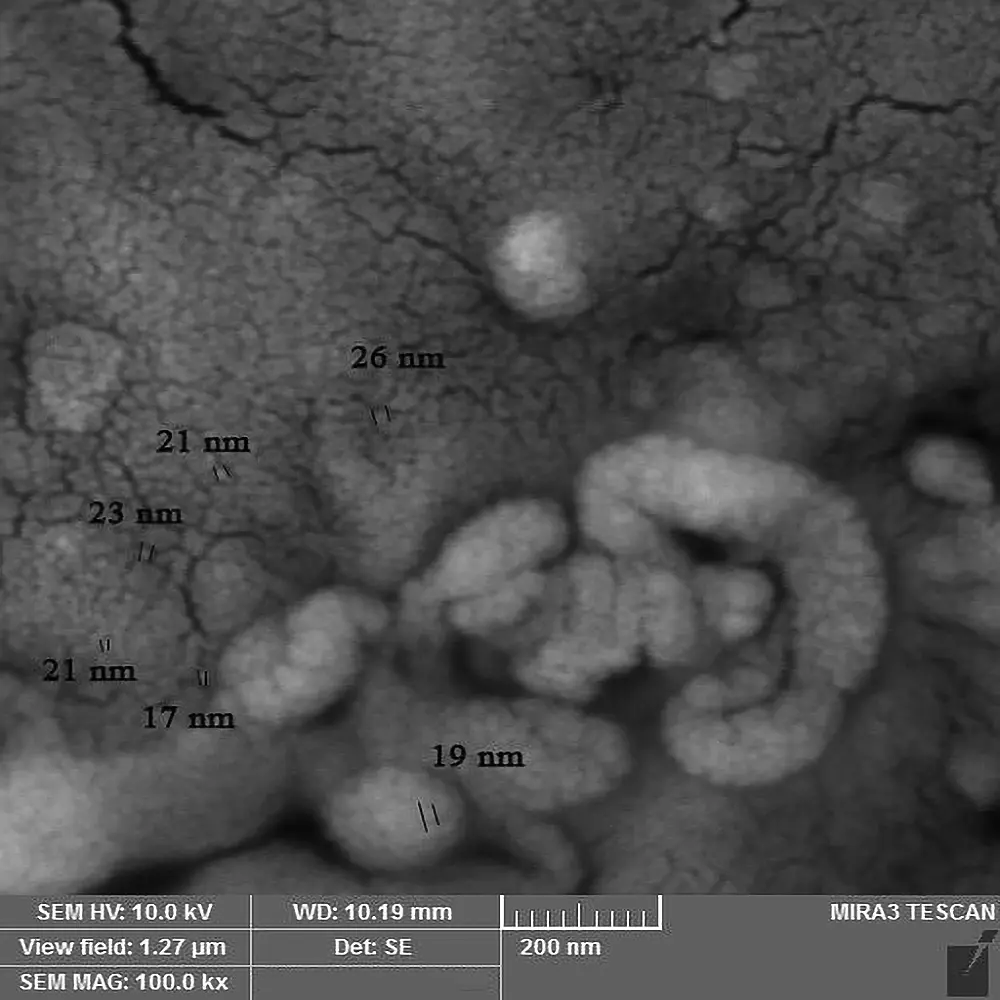
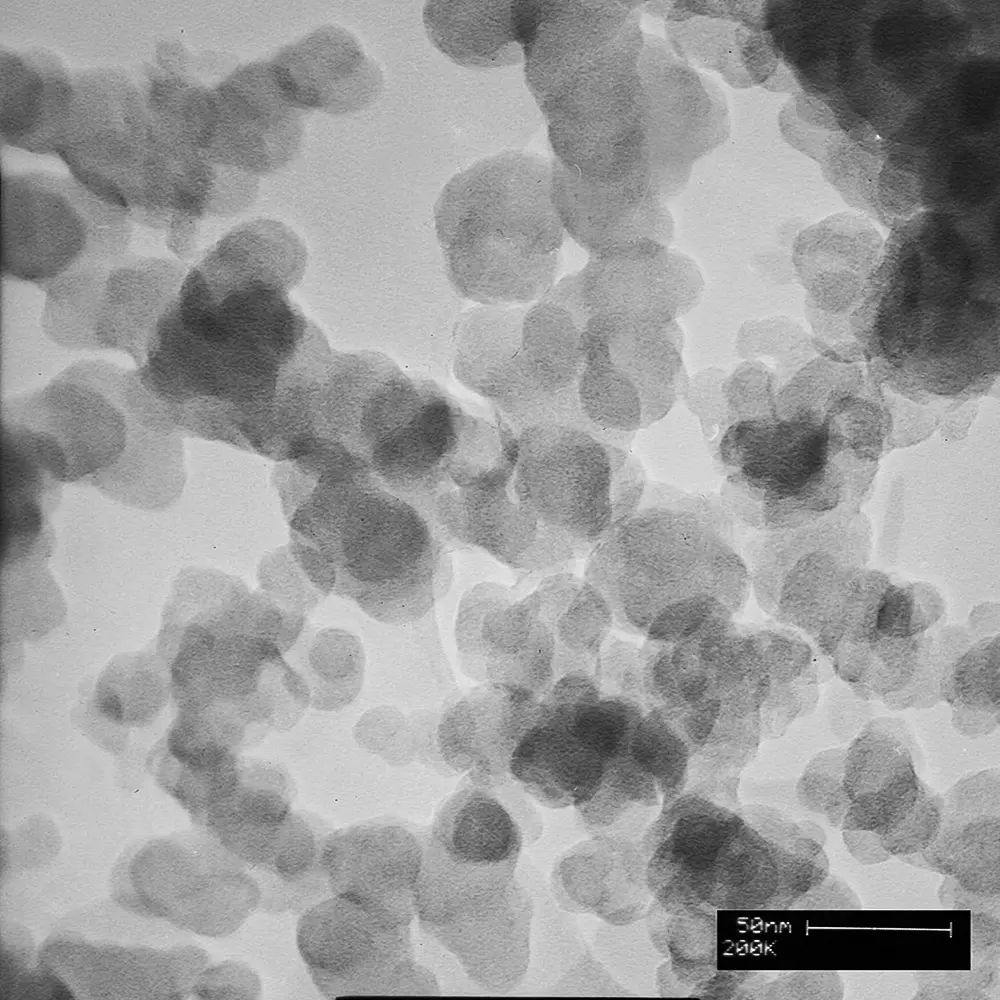
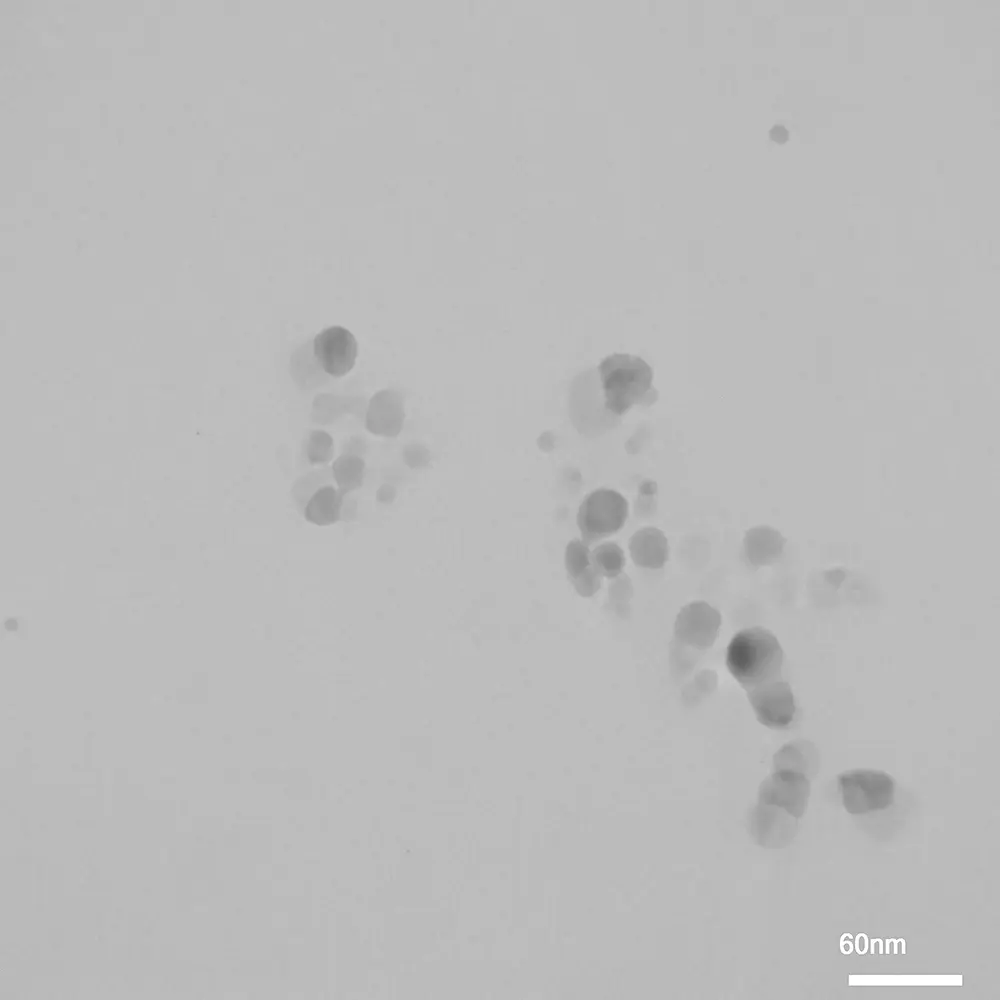
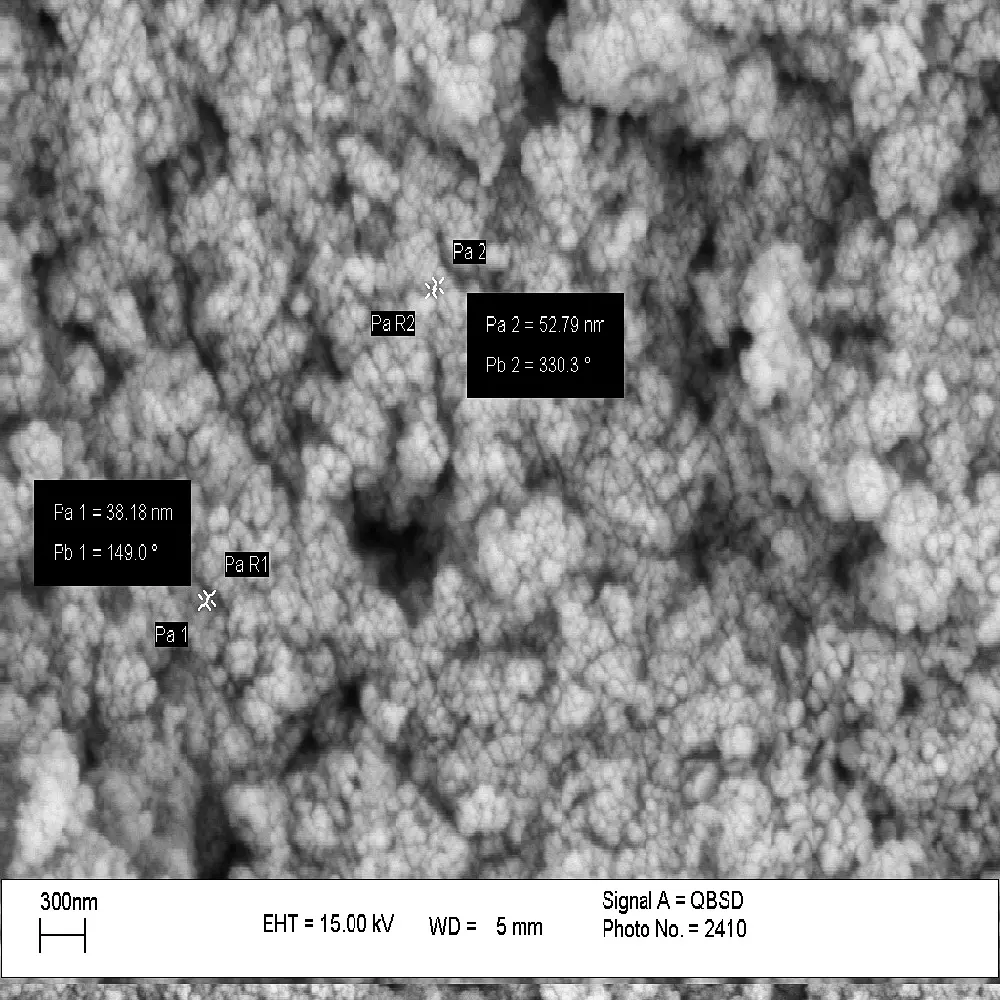
A high-purity (99.95%) colloidal solution of selenium nanoparticles in water, with dimensions of 10–45 nm, was obtained from Pishgaman Nanomaterials Iran Co. (Mashhad, Iran). SEM and TEM images of the selenium nanoparticles are presented in Figure 2 and Figure 3.
2.1.2. Iron Nanoparticles
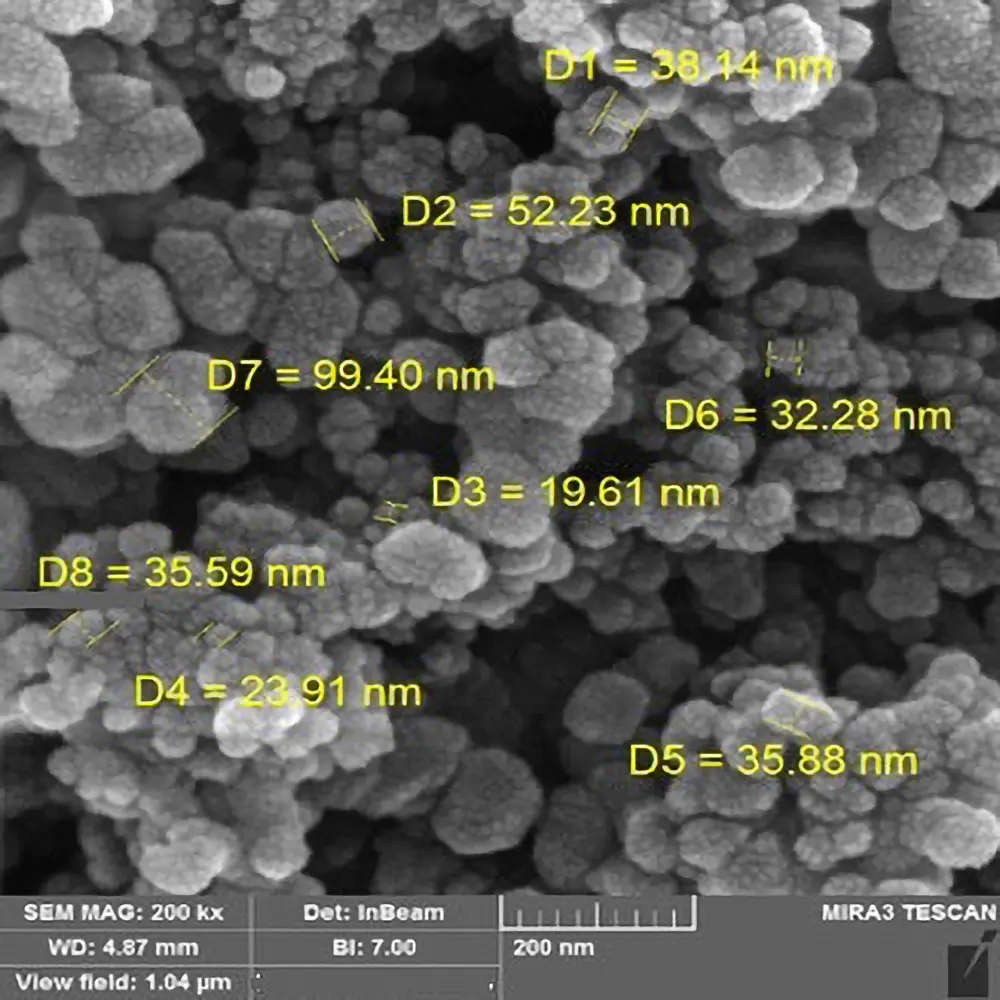
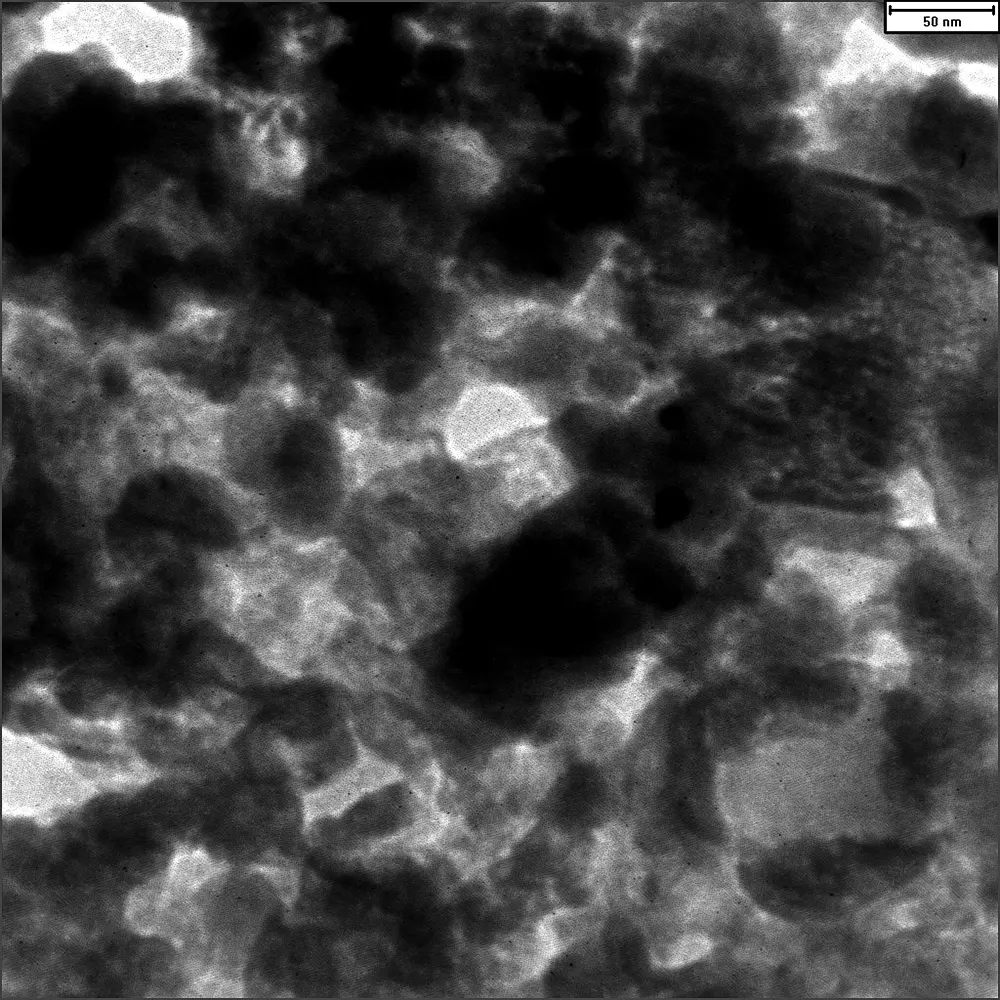
High-purity iron nanoparticles (99.5%) with dimensions of 35–45 nm were obtained from Pishgaman Nanomaterials Iran Co. SEM and TEM images of the iron nanoparticles are presented in Figure 4 and Figure 5.
2.2. Determination of Selenium and Iron Nanoparticle Levels for Ragworm Diet
Ragworms (Hediste diversicolor) with an average weight of 37 mg were collected from the International Sturgeon Research Institute. Only healthy, active worms with no signs of injury were used for the experiments. For preliminary tests to determine the amount of selenium and iron nanoparticles that could be added to the diet, ragworms were transferred from storage tanks to 1-L beakers containing substrate and brackish water from the Caspian Sea at a density of 10 individuals. The experiments were conducted separately for each nanoparticle (Se-NPs and Fe-NPs) with a control group for each. The basal diet contained 48% crude protein, 15% crude fat, 3% crude fiber, 1.5% phosphorus, 9% ash, 11% moisture, 1.8% calcium, and 0.5% sodium. The worms were acclimated to laboratory conditions and a basal diet (without nanoparticles) for one week. For the preparation of six experimental diets in 3 replicates, nominal concentrations of Se-NPs and Fe-NPs (0, 100 μg/kg, 1, 10, 100 mg/kg, and 1 g/kg of diet) were used. The rationale for choosing these wide range of concentrations (from 100 μg/kg to 1 g/kg) was to cover a spectrum from potential nutritional supplementation levels to clearly toxic levels, allowing for a robust calculation of the dose-response curve and the determination of LC values. Nanoparticles were first dispersed in distilled water and then thoroughly mixed with the other dietary ingredients to ensure homogeneity. Ragworms were fed ad libitum once daily, and the amount of feed provided was adjusted based on consumption to minimize waste. Ragworms were fed these diets for 96 h, and their mortality was recorded. Aeration was provided throughout the experiment, and the behavior of the worms was monitored. Mortality was recorded after 24, 48, 72, and 96 h. Physical and chemical water parameters, including temperature (measured with a WTW digital device, pH 330i, Weilheim, Germany), dissolved oxygen (using a WTW digital oxygen meter, pH 330i, Weilheim, Germany), salinity (with a salinity meter with 0.01 precision), and pH (with a pH meter), were measured daily. During the experimental period, the mean water temperature was 20.8 ± 1.1 °C (mean ± SD) (range 19.5–22.0 °C), dissolved oxygen was 6.1 ± 0.2 mg/L (range 5.8–6.4 mg/L), salinity was 12.8 ± 0.9 (range 11.5–14.0 g/L), and mean pH was 7.69 ± 0.4 (range 7.2–8.1).
2.3. Data Analysis
Data were recorded in Microsoft Office Excel 2019, and statistical analysis was performed using SPSS software (Version 26). The LC10, LC50, and LC90 values, along with their 95% confidence intervals (CIs), were calculated using Probit analysis. The goodness-of-fit of the Probit model was assessed using the Pearson chi-square test. The Maximum Allowable Concentration (MAC) was determined following the methodology outlined by OECD [33]:
|
```latex\mathrm{MAC} = \mathrm{LC}_{50}\backslash \mathrm{SF}``` |
|
where SF is the Standard Safety Factor set to 10.
3. Results
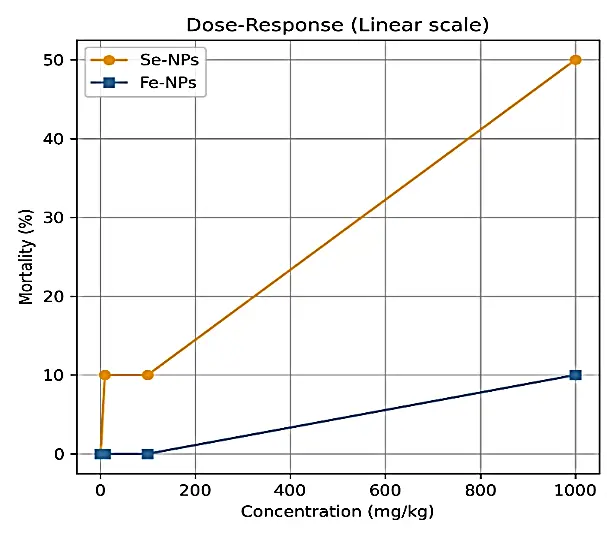
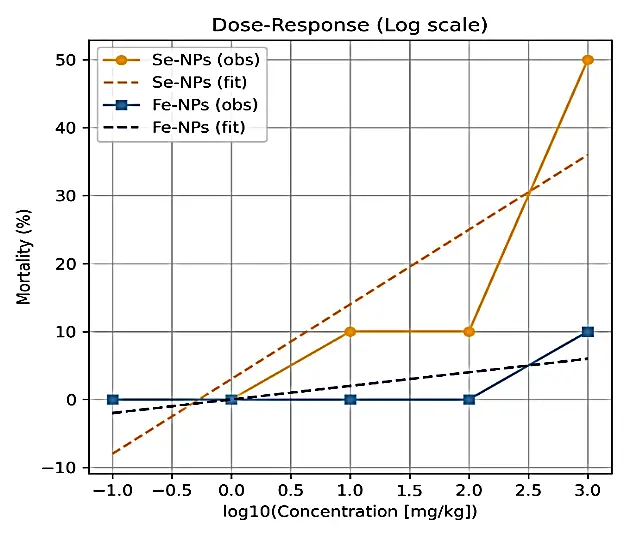
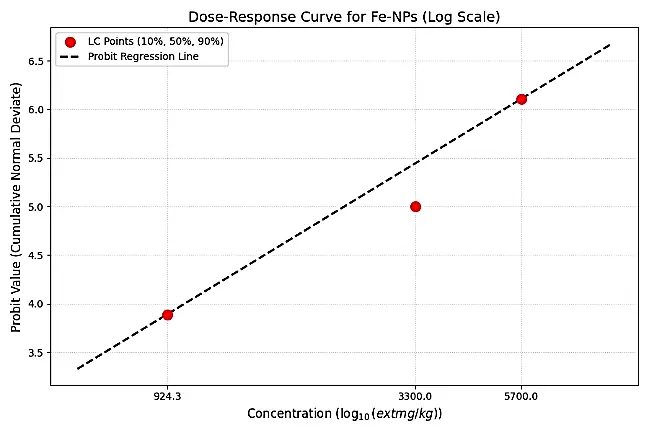
The mortality rate of ragworms fed different levels of selenium and iron nanoparticles for 96 h is shown in Figure 6. Figure 7 presents the LC10, LC50, and LC90 values along with their 95% confidence intervals for both Se-NPs and Fe-NPs. Based on the Probit analysis, the toxicity thresholds (LC10, LC50, and LC90) and the calculated Maximum Allowable Concentration (MAC) for selenium and iron nanoparticles are summarized in Table 1.
 |
 |
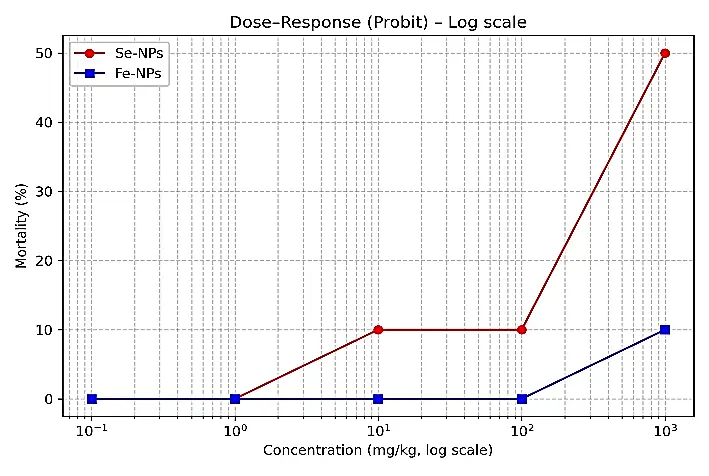 |
Figure 6. Mortality rate (%) of ragworm (Hediste diversicolor) exposed to different dietary concentrations of selenium nanoparticles and iron nanoparticles over 96 h.
 |
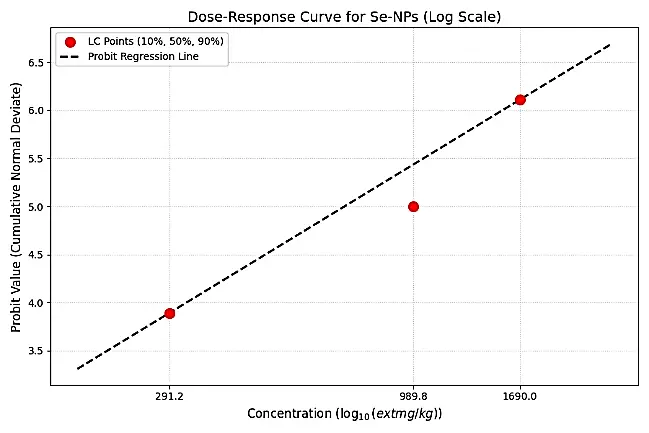 |
Figure 7. Lethal concentration (LC10, LC50, and LC90) values with 95% confidence intervals for selenium nanoparticles and iron nanoparticles in ragworm (Hediste diversicolor) after 96 h of dietary exposure.
Table 1. Toxicity Thresholds (LC10, LC50, and LC90) and Maximum Allowable Concentration (MAC) for ragworm Hediste diversicolor exposed to dietary selenium and iron nanoparticles for 96 h. Values are expressed in mg/kg feed.
|
Nanoparticles |
LC10 (mg/kg) (95% CI) |
LC50 (mg/kg) (95% CI) |
LC90 (mg/kg) (95% CI) |
MAC (mg/kg) |
|---|---|---|---|---|
|
Selenium |
291.2 (240.1–340.5) |
989.8 (850.2–1150.3) |
1690 (1480.5–1950.7) |
98.98 |
|
Iron |
924.3 (800.5–1055.6) |
3300 (2900.5–3750.4) |
5700 (5150.2–6350.9) |
330.0 |
4. Discussion
This study determined the acute toxicity levels (LC10, LC50, LC90) for selenium (Se-NPs) and iron (Fe-NPs) nanoparticles in the ragworm, Hediste diversicolor. This worm serves as an important live feed in sturgeon aquaculture. The LC50 values were 989.8 mg/kg for Se-NPs and 3.3 g/kg for Fe-NPs. This shows a significant difference in toxicity, with Se-NPs being about 3.3 times more toxic to ragworm under the tested conditions. Most invertebrates in estuarine and marine areas reproduce externally and have free-living larval stages. Typically, these organisms become more resilient to environmental changes as they develop. However, larval stages often encounter toxic contaminants that can affect their growth, sexual development, and survival [34]. Consequently, the number of individuals that reach adulthood and their reproductive success in species such as the polychaete Platynereis dumerilii may depend on the stress they experience during larval development [35].
The benthic nature and detritivorous diet of ragworm play critical roles in understanding these toxicity thresholds. As a sediment-dweller, this worm frequently encounters a mix of natural and manmade particles. Little et al. [36] examined the toxicity of silver (Ag; NM-300 K) and titanium dioxide (TiO2; NM-104) nanoparticles on the freshwater oligochaete, Lumbriculus variegatus. They found the 96-h LC50 for Ag nanoparticles in water to be 0.51 mg/L. Exposure to AgNO3 was more toxic than Ag nanoparticles (96-h LC50 = 0.034 mg/L). No toxicity was found for TiO2 nanoparticles in aquatic or sediment exposure at concentrations of 2000 mg/L and 1333 mg/kg, respectively. Cong et al. [37] investigated genotoxic effects of different forms of silver, such as silver nanoparticles (Ag NPs) less than 100 nm, silver microparticles sized 2–3.5 μm, and aqueous silver in AgNO3 form, on the benthic ragworm Nereis (Hediste) diversicolor found in sediment. They discovered that silver caused DNA damage in ragworm coelomocytes, with the extent of damage influenced by the concentration and form of silver. Among these forms, silver nanoparticles had the most significant genotoxic effects, while aqueous silver was the least toxic, indicating different mechanisms may cause DNA damage from the silver forms. The study by Cong et al. [38] examined the toxic effects of silver associated with sediment, introduced as commercially available silver nanoparticles (Ag NPs, 20 and 80 nm) and aqueous silver (AgNO3), on Nereis (Hediste) diversicolor. This research focused on individual and subcellular outcomes after a 10-day exposure. The burrowing behavior of N. diversicolor was affected after exposure to Ag NPs. They found that worm size influenced Ag bioaccumulation. Both forms of silver displayed cytotoxic and genotoxic effects on N. diversicolor coelomocytes. Treatments with Ag NPs were more toxic than aqueous silver across all toxicity endpoints evaluated. Although exposure linked to sediment would be more ecologically pertinent for this deposit-feeding species, our dietary exposure method was intentionally tailored to replicate the circumstances of an aquaculture environment, where ragworms are deliberately provided with formulated feeds for enrichment goals. This method directly guides the creation of secure feeding procedures in hatcheries. Nonetheless, we recognize that a 96-h acute toxicity test, though typical for preliminary risk evaluation, fails to entirely reflect the possible chronic or subchronic impacts that may result from extended dietary exposure. Future research should explore the sublethal and long-term impacts of these nanoparticles on H. diversicolor over prolonged durations, incorporating evaluations of growth, reproduction, and alterations in behavior. Moreover, mortality by itself, although a conclusive endpoint, fails to offer a comprehensive understanding of toxicity. To create a thoroughly complete safety profile, upcoming studies ought to include a range of sublethal biomarkers, such as behavioral tests like burrowing activity, along with biochemical indicators of oxidative stress. Assessing these parameters in H. diversicolor subjected to sublethal levels of Se-NPs and Fe-NPs would yield a better understanding of the toxicity mechanisms and assist in fine-tuning the MAC values.
The high LC50 for Fe-NPs (3.3 g/kg) suggests ragworm has considerable tolerance for iron nanoparticles. This tolerance could stem from iron’s natural physiological role and distinct mechanisms of action. Iron is essential for hemoglobin and various metabolic enzymes [26,27], and organisms might have stronger regulatory and storage mechanisms for it. Additionally, iron nanoparticles usually dissolve more slowly and induce different oxidative stress responses than selenium or other metallic nanoparticles [39].
The increased toxicity of Se-NPs noted in our research could be linked to their potent pro-oxidant effects or interactions with sulfur-rich biomolecules, undermining the worm’s antioxidant defenses at lower dietary levels compared to Fe-NPs. The differences in toxicity among these nanoparticles can be attributed to several physicochemical factors. The speed at which nanoparticles dissolve in the gastrointestinal environment is crucial for their bioavailability and toxicity. Selenium nanoparticles may release Se ions more readily in the acidic conditions of the polychaete digestive tract, leading to increased intracellular concentrations of toxic ionic forms. In contrast, iron nanoparticles, particularly when oxidized (e.g., Fe3O4), frequently aggregate and exhibit reduced dissolution rates, potentially diminishing bioavailability. Additionally, the surface reactivity and the capacity to generate reactive oxygen species (ROS) differ significantly among these nanoparticles. Se-NPs are known for their considerable pro-oxidant effects at high concentrations, possibly exceeding the worm’s antioxidant defenses. In contrast, Fe-NPs could induce oxidative stress via Fenton-like reactions, generating highly reactive hydroxyl radicals. Nonetheless, their clustering in the intestine or adjacent environment and the consequent reduced accessibility may account for the observed reduction in mortality [40]. This trend suggests that iron nanoparticles are generally less acutely detrimental than selenium nanoparticles, likely due to differences in their mechanisms of action and in how organisms physiologically handle these essential yet potentially toxic elements. Upcoming studies evaluating biochemical indicators such as Glutathione S-transferase (GST), Catalase (CAT), Malondialdehyde (MDA), and oxidative stress-related gene expression in ragworms subjected to sub-lethal levels of these nanoparticles could enhance understanding of mechanisms and enable comparisons with biomarker reactions observed in other polychaete species. From an aquaculture perspective, these LC50 values are crucial for risk assessment. The tested concentrations (up to 1 g/kg diet) represent extremely high levels unlikely to be found in standard aquaculture, where nanoparticles would typically be used as dietary supplements at much lower, beneficial doses (e.g., mg/kg range) [16,24,25]. Thus, our results imply a significant safety margin for using Se-NPs and Fe-NPs as feed additives when given through live ragworm.
5. Conclusions
In conclusion, this study offers the first detailed toxicity data for selenium and iron nanoparticles in Hediste diversicolor, which is an important live feed for sturgeon. The LC50 values of 989.8 mg/kg for Se-NPs and 3.3 g/kg for Fe-NPs indicate that Fe-NPs are much less toxic than Se-NPs for this species. These results create a foundation for assessing safety in using nanoparticle-enhanced diets in live feed production. Specifically, the calculated MAC values of 98.98 mg Se-NPs/kg and 330.0 mg Fe-NPs/kg feed provide a clear, safe upper limit for enriching ragworm. Aquaculture practitioners can use these values to formulate functional feeds that optimize the nutritional status of sturgeon larvae without risking toxicity to the live feed vector.
Statement of the Use of Generative AI and AI-Assisted Technologies in the Writing Process
During the preparation of this manuscript, the authors used GapGPT to assist with grammatical correction. After using this tool/service, the authors reviewed and edited the content as needed and take full responsibility for the content of the published article.
Acknowledgments
The authors express their sincere gratitude to the Zist Palayeshgar Khazar (ZPK) Knowledge-Based Company for providing the Ragworm specimens used in this study, and to the International Sturgeon Research Institute for providing the necessary laboratory facilities and logistical support.
Author Contributions
Project Administration, F.B.L.; Methodology, F.B.L., Z.P.; Investigation, F.B.L., S.B.M. and M.M.; Formal Analysis, F.B.L.; Resources, F.B.L., Z.P.; Writing—Original Draft Preparation, F.B.L.; Writing—Review & Editing, Z.P.
Ethics Statement
The study was conducted in accordance with the relevant ethical guidelines for the use of invertebrates. All procedures involving Ragworms were performed at the International Sturgeon Research Institute, ensuring adherence to standard institutional practices for invertebrate research.
Informed Consent Statement
Not applicable.
Data Availability Statement
Data will be available on request.
Funding
This research was conducted as part of an industry-based sabbatical program for faculty members of the Agricultural Research, Education and Extension Organization (AREEO).
Declaration of Competing Interest
The authors declare that they have no competing interest.
References
- Searchinger T, Waite R, Hanson C, Ranganathan J, Dumas P, Matthews E, et al. Creating a Sustainable Food Future: A Menu of Solutions to Feed Nearly 10 Billion People by 2050; Final Report; World Resources Institute: Washington, DC, USA, 2019; p. 556. [Google Scholar]
- Colgrave ML, Dominik S, Tobin AB, Stockmann R, Simon C, Howitt CA, et al. Perspectives on future protein production. J. Agric. Food Chem. 2021, 69, 15076–15083. DOI:10.1021/acs.jafc.1c05989 [Google Scholar]
- Otsuka K, Fan S. Agricultural Development: New Perspectives in a Changing World; International Food Policy Research Institute: Washington, DC, USA, 2021. DOI:10.2499/9780896293830 [Google Scholar]
- Dudu A, Georgescu SE. Exploring the Multifaceted Potential of Endangered Sturgeon: Caviar, Meat and By-Product Benefits. Animals 2024, 14, 2425. DOI:10.3390/ani14162425 [Google Scholar]
- Maynard D, Flagg T, Mahnken C. A review of semi-culture strategies for enhancing the post-release survival of anadromous salmonids. Am. Fish. Soc. Symp. 1994, 15, 307–314. Available online: https://www.google.com/url?sa=t&source=web&rct=j&opi=89978449&url=https://www.webapps.nwfsc.noaa.gov/assets/11/6716_12142010_101043_Maynard.et.al.1994a-rev.pdf&ved=2ahUKEwjPjIOox--VAxVfUqQEHYwQGdwQFnoECCEQAQ&usg=AOvVaw2IbTEETbVXUrY4BD2wW5PK (accessed on 27 July 2026).
- Sproul JT, Tominaga O. An economic review of the Japanese flounder stock enhancement project in Ishikari Bay, Hokkaido. Bull. Mar. Sci. 1992, 50, 75–88. Available online: https://www.ingentaconnect.com/content/umrsmas/bullmar/1992/00000050/00000001/art00006
(accessed on 27 July 2026). - Olla BL, Davis MV, Ryer H. Understanding how the hatchery environment represses or promotes the development of behavioral survival skills. Bull. Mar. Sci. 1998, 62, 531–550. Available online: https://www.ingentaconnect.com/content/umrsmas/bullmar/1998/00000062/00000002/art00016
(accessed on 27 July 2026). - Mesa MG. Variation in feeding, aggression and position choice between hatchery and wild cutthroat trout in an artificial stream. Trans. Am. Fish. Soc. 1981, 120, 723–727. DOI:10.1577/1548-8659(1991)120%3C0723:VIFAAP%3E2.3.CO;2 [Google Scholar]
- Suboski MD, Templeton JJ. Life skills training for hatchery fish: Social learning and survival. Fish. Res. 1989, 7, 343–352. DOI:10.1016/0165-7836(89)90066-0 [Google Scholar]
- Lee S, Zhai S, Deng DF, Li Y, Blaufuss PC, Eggold BT, et al. Feeding strategies for adapting lake sturgeon (Acipenser fulvescens) larvae to formulated diets at early life stages. Animals 2022, 12, 3128. DOI:10.3390/ani12223128 [Google Scholar]
- Chambers MR, Milne H. Life cycle and production of Nereis diversicolor O.F. Müller in the Ythan Estuary, Scotland. Estuary Coast. Mar. Sci. 1975, 3, 133–144. DOI:10.1016/0302-3524(75)90016-X [Google Scholar]
- Fidalgo e Costa P, Narciso N, Cancela da Fonseca L. Growth, survival and fatty acid profile of Nereis diversicolor fed on six different diets. Bull. Mar. Sci. 2000, 67, 337–343. Available online: https://www.researchgate.net/publication/232062601_Growth_survival_and_fatty_acid_profile_of_Nereis_diversicolor_O_F_Muller_1776_fed_on_six_different_diets (accessed on 27 July 2026).
- Pajand ZO, Soltani M, Kamali A, Bahmani M. Growth, survival and fatty acids profile of Polychaete, Nereis diversicolor (Müller, 1776) cultured using waste water of great sturgeon, Huso huso (Linnaeus, 1758) at different densities in an integrated farming system. Iran. J. Fish. Sci. 2020, 19, 234–247. Available online: https://www.sid.ir/paper/741970/en (accessed on 27 July 2026).
- Geiser M, Schurch S, Gehr P. Influnce of surface chemistry and topography of particles on their immersion into the lung’s surface-lining layer. J. Appl. Physiol. 2003, 94, 1793–1801. DOI:10.1152/japplphysiol.00514.2002 [Google Scholar]
- Chan WCW. Bionanotechnology progress and advances. Biol. Blood Marrow Transplant. 2006, 12, 87–91. DOI:10.1016/j.bbmt.2005.10.004 [Google Scholar]
- Nasr-Eldahan S, Nabil-Adam A, Shreadah MA, Maher AM, El-Sayed Ali T. A review article on nanotechnology in aquaculture sustainability as a novel tool in fish disease control. Aquac. Int. 2021, 29, 1459–1480. DOI:10.1007/s10499-021-00677-7 [Google Scholar]
- Hamilton SJ. Review of selenium toxicity in the aquatic food chain. Sci. Total Environ. 2004, 326, 1–31. DOI:10.1016/j.scitotenv.2004.01.019 [Google Scholar]
- Han D, Xie S, Liu M, Xiao X, Liu H, Zhu X, et al. The effects of dietary selenium on growth performances, oxidative stress and tissue selenium concentration of gibel carp (Carassius auratus gibelio). Aquac. Nutr. 2011, 17, e741–e749. DOI:10.1111/j.1365-2095.2010.00841.x [Google Scholar]
- Shi J, Votruba AR, Farokhzad OC, Langer R. Nanotechnology in drug delivery and tissue engineering: From discovery to applications. Nano Lett. 2010, 10, 3223–3230. DOI:10.1021/nl102184c [Google Scholar]
- Wang Y, Yan X, Fu L. Effect of selenium nanoparticles with different sizes in primary cultured intestinal epithelial cells of crucian carp, Carassius auratus gibelio. Int. J. Nano Med. 2013, 8, 4007–4013. DOI:10.2147/IJN.S43691 [Google Scholar]
- Juniper DT, Phipps RH, Ramos-Morales E, Bertin G. Effects of dietary supplementation with selenium enriched yeast or sodium selenite on selenium tissue distribution and meat quality in lambs. Anim. Feed. Sci. Technol. 2009, 149, 228–239. DOI:10.1016/j.anifeedsci.2008.06.009 [Google Scholar]
- Naderi M, Keyvanshokooh S, Salati AP, Ghaedi A. Effects of dietary vitamin E and selenium nanoparticles supplementation on acute stress responses in rainbow trout (Oncorhynchus mykiss) previously subjected to chronic stress. Aquaculture 2017, 473, 215–222. DOI:10.1016/j.aquaculture.2017.02.020 [Google Scholar]
- Zhou X, Wang Y, Gu Q, Li W. Effects of different dietary selenium sources (selenium nanoparticle and selenomethionine) on growth performance, muscle composition and glutathione peroxidase enzyme activity of crucian carp (Carassius auratus gibelio). Aquaculture 2009, 291, 78–81. DOI:10.1016/j.aquaculture.2009.06.032 [Google Scholar]
- Ashouri S, Keyvanshokooh S, Salati AP, Johari SA, Pasha-Zanoosi H. Effects of different levels of dietary selenium nanoparticles on growth performance, muscle composition, blood biochemical profiles and antioxidant status of common carp (Cyprinus carpio). Aquaculture 2015, 446, 25–29. DOI:10.1016/j.aquaculture.2015.04.021 [Google Scholar]
- Saffari S, Keyvanshokooh S, Zakeri M, Johari SA, Pasha-Zanoosi H. Effect of different dietary selenium sources (sodium selenite, selenomethionine and nanoselenium) on growth performance, muscle composition, blood enzymes and antioxidant status of common carp (Cyprinus carpio). Aquac. Nutr. 2017, 23, 611–617. DOI:10.1111/anu.12428 [Google Scholar]
- Crichton RR. Inorganic Biochemistry of Iron Metabolism; Ellis Horwood Ltd.: West Sussex, UK, 1991; p. 355. [Google Scholar]
- Brody T. Nutritional Biochemistry; Academic Press: San Diego, CA, USA, 1994; p. 658. [Google Scholar]
- Galbraith ED, Le Mézo P, Solanes Hernandez G, Bianchi D, Kroodsma D. Growth limitation of marine fish by low iron availability in the open ocean. Front. Mar. Sci. 2019, 6, 439120. DOI:10.3389/fmars.2019.00509 [Google Scholar]
- Gatlin M, Wilson RP. Characterization of iron deficiency and the dietary iron requirement of fingerling channel catfish (Ictalurus punctatus). Aquac. Res. 1986, 52, 191–198. DOI:10.1016%2F0044-8486(86)90143-2 [Google Scholar]
- Rigos G, Samartzis A, Henry M, Fountoulaki E, Cotou E, Sweetman J, et al. Effects of additive iron on growth, tissue distribution, haematology and immunology of Gilthead Sea bream, Sparus aurata. Aquac. Int. 2010, 16, 1093–1104. DOI:10.1007/s10499-010-9326-7 [Google Scholar]
- Liang JJ, Liu YJ, Yang ZN, Tian LX, Yang HJ, Liang GY. Dietary calcium requirement and effects on growth and tissue calcium of juvenile grass carp (Ctenopharyngodon idella). Aquac. Nutr. 2012, 18, 544–550. DOI:10.1111/j.1365-2095.2011.00916.x [Google Scholar]
- Hem ID. Study and Interpretation of the Chemical Characteristics of Natural Water, 3rd ed.; US Geological Survey Water-Supply, Paper 2254; United States Government Printing Office: Washington, DC, USA, 1989. [Google Scholar]
- OECD (Organization for Economic Co-Operation and Development). Guidance Document on Aquatic Toxicity Testing for PBT Assessment; OECD Series on Testing and Assessment, No. 57; OECD Publishing: Paris, France, 2006. [Google Scholar]
- Hamdoun A, Epel D. Embryo stability and vulnerability in an always changing world. Proc. Natl. Acad. Sci. USA 2007, 104, 1745–1750. DOI:10.1073/pnas.0610108104 [Google Scholar]
- García-Alonso J, Rodriguez-Sanchez N, Misra SK, Valsami-Jones E, Croteau MN, Luoma SN, et al. Toxicity and accumulation of silver nanoparticles during development of the marine polychaete Platynereis dumerilii. Sci. Total Environ. 2014, 476, 688–695. DOI:10.1016/j.scitotenv.2014.01.039 [Google Scholar]
- Little S, Johnston HJ, Stone V, Fernandes TF. Acute waterborne and chronic sediment toxicity of silver and titanium dioxide nanomaterials towards the oligochaete, Lumbriculus variegatus. NanoImpact 2021, 21, 100291. DOI:10.1016/j.impact.2020.100291 [Google Scholar]
- Cong Y, Banta GT, Selck H, Berhanu D, Valsami-Jones E, Forbes VE. Toxic effects and bioaccumulation of nano-, micron-and ionic-Ag in the polychaete, Nereis diversicolor. Aquat. Toxicol. 2011, 105, 403–411. DOI:10.1016/j.aquatox.2011.07.014 [Google Scholar]
- Cong Y, Banta GT, Selck H, Berhanu D, Valsami-Jones E, Forbes VE. Toxicity and bioaccumulation of sediment-associated silver nanoparticles in the estuarine polychaete, Nereis (Hediste) diversicolor. Aquat. Toxicol. 2014, 156, 106–115. DOI:10.1016/j.aquatox.2014.08.001 [Google Scholar]
- Auffan M, Rose J, Bottero JY, Lowry GV, Jolivet JP, Wiesner MR. Towards a definition of inorganic nanoparticles from an environmental, health and safety perspective. Nat. Nanotechnol. 2009, 4, 634–641. DOI:10.1038/nnano.2009.242 [Google Scholar]
- Hjorth R, Skjolding LM, Sørensen SN, Baun A. Regulatory adequacy of aquatic ecotoxicity testing of nanomaterials. NanoImpact 2017, 8, 28–37. DOI:10.1016/j.impact.2017.07.003 [Google Scholar]