Found 79 results
Open Access
Article
15 May 2026A Reproducible R–Fortran Toolkit for Groundwater Flow and Contaminant Transport Modeling in Watershed Applications
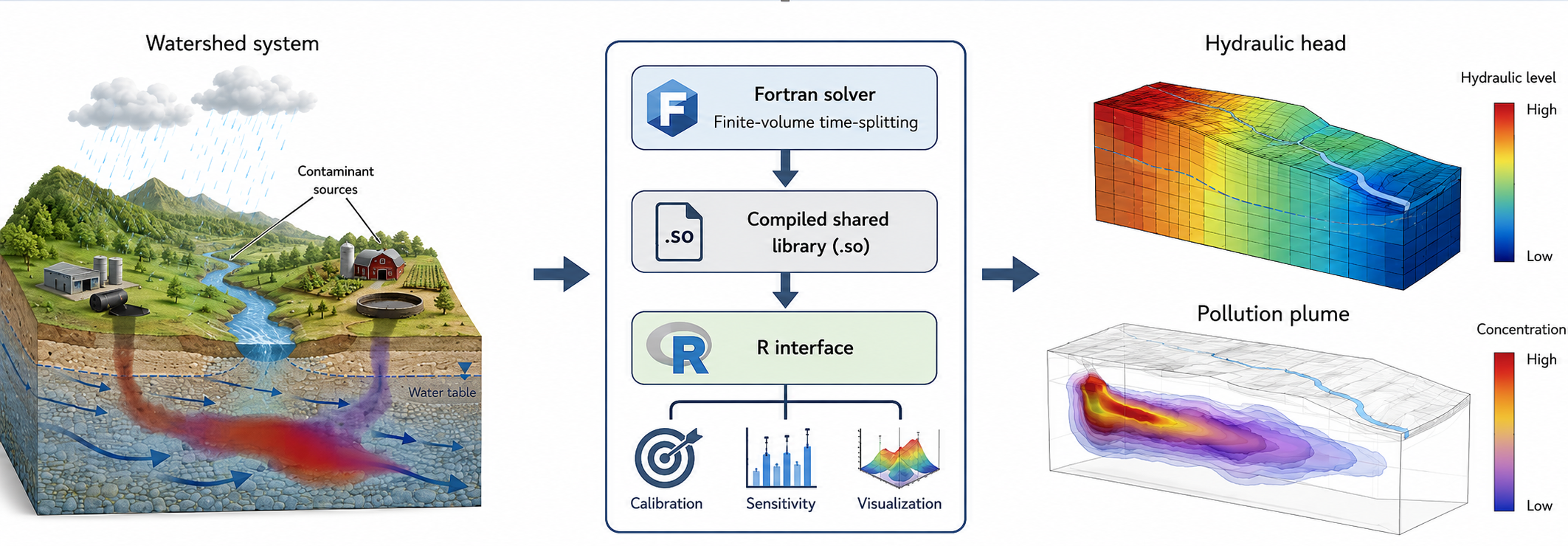
Uncertainty and calibration are major challenges in hydrologic and hydraulic analysis, especially in watershed applications involving groundwater flow and contaminant transport. This study presents an integrated modeling framework for comprehensive simulation of groundwater flow and contaminant transport, with automated calibration and sensitivity analysis capabilities. The framework extends traditional Fortran-based modeling by incorporating the statistical, numerical, and visualization strengths of the R environment. In the proposed approach, the Fortran code is executed within R, while the Fortran program employs a finite-volume time-splitting method to discretize the governing equations of groundwater flow and contaminant transport. Integration with R statistical packages improves model calibration, sensitivity evaluation, and visualization of groundwater contamination results. To illustrate the applicability of the framework, two test cases of groundwater flow and contaminant transport through porous media were conducted. Results demonstrate the accuracy, efficiency, and enhanced visualization capabilities of the integrated system. Ultimately, the framework is intended to support three-dimensional analysis of pollution plume evolution in heterogeneous media and to investigate interactions among multiple contaminant sources in watershed systems.
Open Access
Article
07 May 2026An Investment Framework for Multi-Energy Complementary System Based on the Pythagorean Fuzzy Prospect-GLDS Model
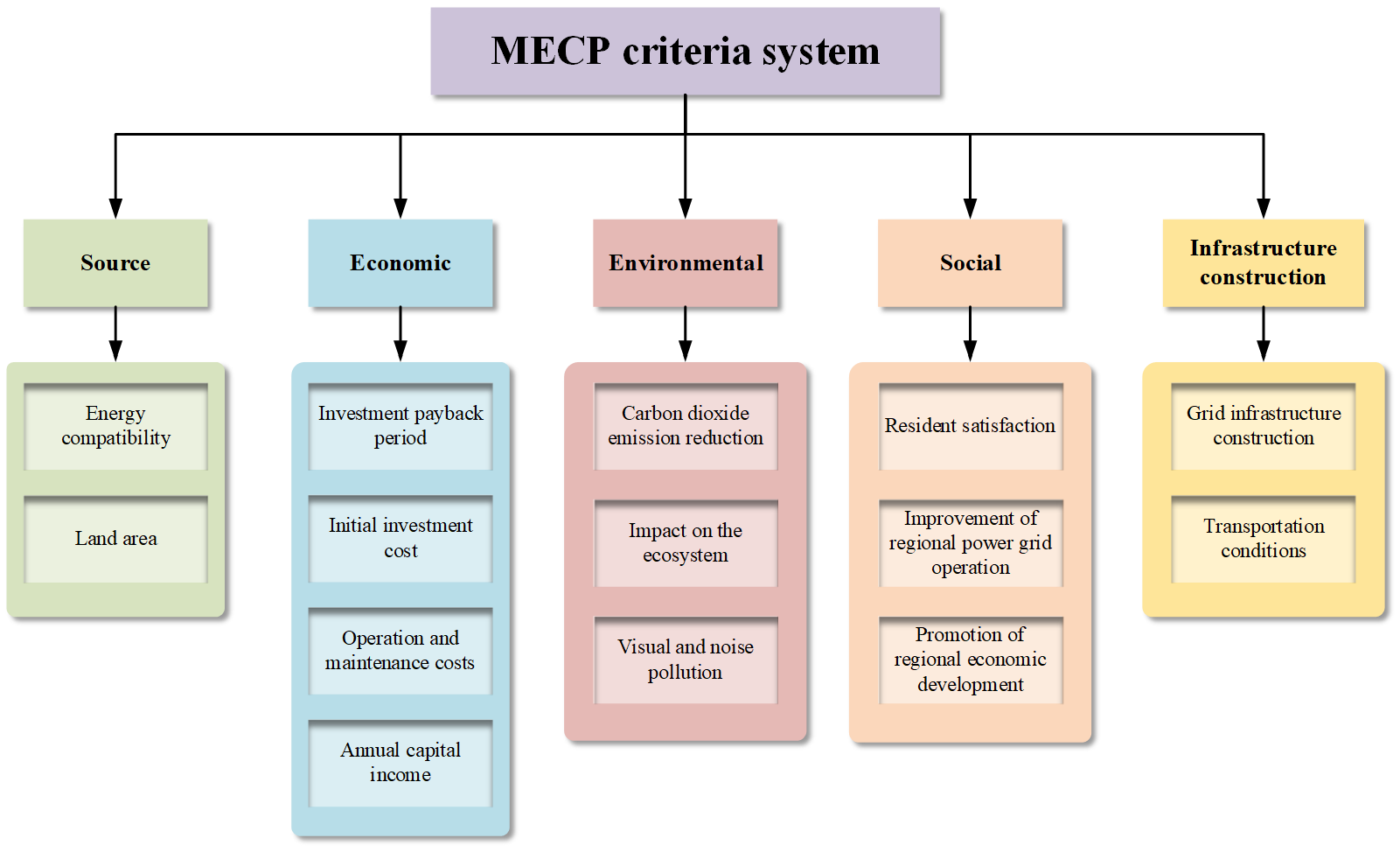
Multi-Energy Complementary Systems (MECS) are integrated energy systems that incorporate renewable energy sources such as wind and solar power, combined with energy storage and conversion technologies. They aim to enhance energy utilization efficiency and ensure supply stability through synergistic optimization. Scientific investment decision-making is crucial for the low-carbon transition of regional energy systems. However, MECS investments face challenges such as high uncertainties and the fuzziness of expert evaluations. To address this question, this paper proposes a multi-criteria decision-making (MCDM) framework integrated with fuzzy theory. An evaluation system is constructed, which includes five dimensions: resources, economy, environment, society, and infrastructure. The Choquet integral is employed to handle resource indicators, Pythagorean fuzzy sets (PFS) are introduced to process qualitative evaluations, and a combined weighting approach integrating Fuzzy Weighting with Zero-Inconsistency (FWZIC) and Weights by Envelope and Slope (WENSLO) is utilized to determine criteria weights. Finally, prospect theory is fused with the Gained and Lost Dominance Score (GLDS) method for alternative ranking. An empirical study on MECS investment in Hebei Province, China, is conducted. The results indicate that the economic dimension exerts the most significant influence, and the Chengde Weichang project demonstrates the optimal comprehensive benefits. This research provides methodological references and a practical basis for MECS investment decision-making and regional energy optimization.
Open Access
Article
29 April 2026Advances in Smart Structures Using Control Algorithms for Sustainable Manufacturing
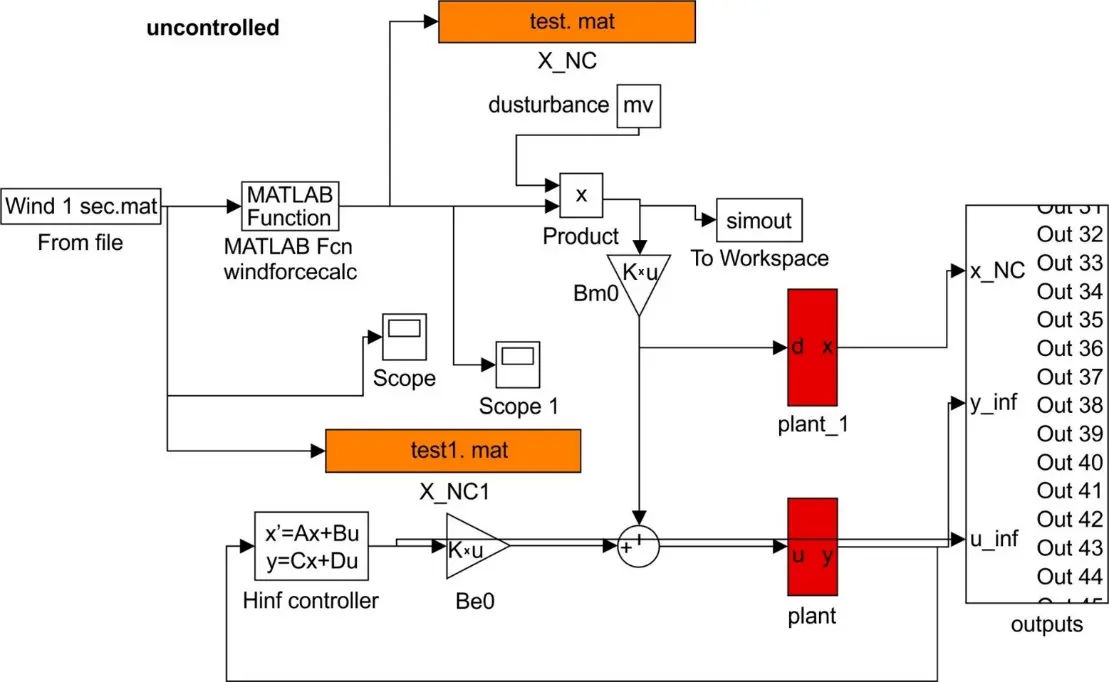
This paper presents developments in the intelligent control of smart structures for sustainable manufacturing. This study aimed to develop advanced control approaches for the intelligent control of piezoelectric structures and suppression of oscillations. A significant achievement is the development of advanced-control algorithms. Robust control techniques, such as H-infinity control, guarantee system performance and stability in the face of uncertainties and disruptions. The addition of white noise and uncertainty to advanced finite element models is a novel aspect of this study. The outcomes of the analysis were used to present the advances made using this method. This approach is innovative because it employs intelligent control strategies that consider construction optimization by reducing the oscillations and measurement noise. By accounting for modeling uncertainty, these methods optimize construction. Optimizing smart structures makes them more sustainable and ideal for practical applications. The proposed construction is sustainable and creates an innovative design for civil and mechanical engineering applications.
Open Access
Article
22 April 2026MUGI-Net: A Group-Aware Pedestrian Trajectory Prediction Model for Autonomous Vehicles from First-Person View
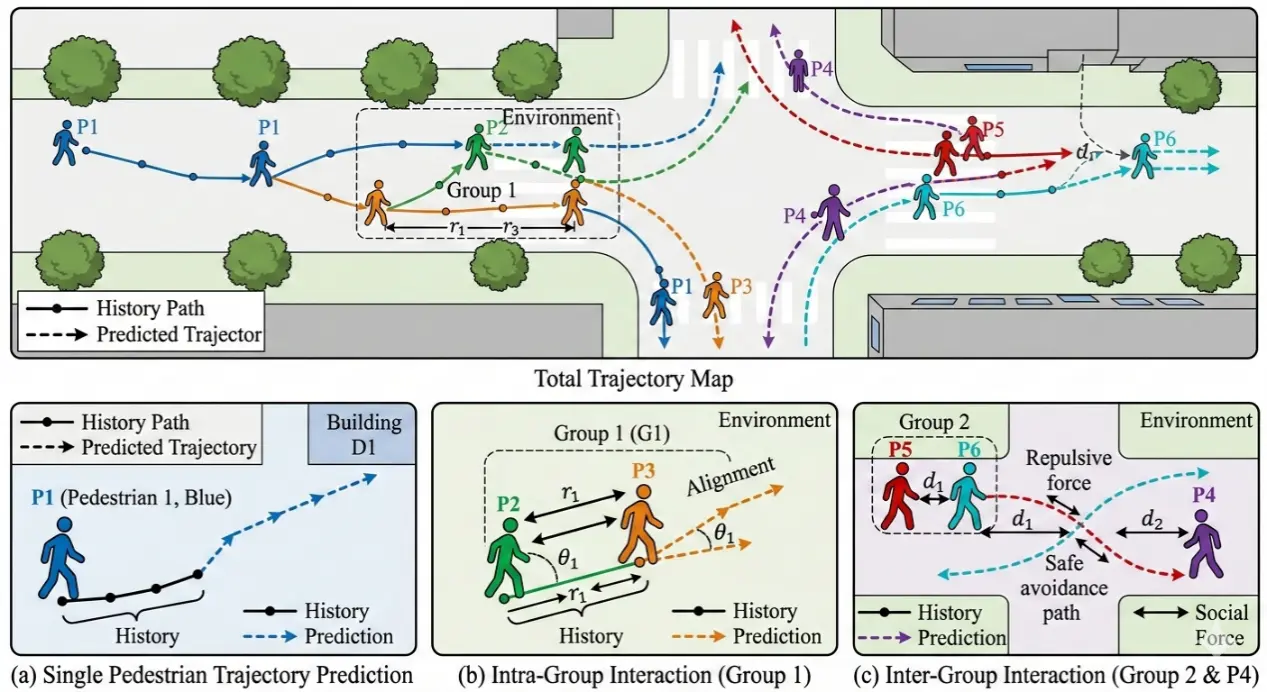
With the rapid development of autonomous driving, first-person view (FPV) pedestrian trajectory prediction has emerged as a key research direction to improve transportation system safety and operational efficiency. However, current studies ignore inter-pedestrian group information and long- and short-term dependence, leading to error accumulation at medium and long temporal horizons. To address these problems, we propose an FPV pedestrian trajectory prediction model dubbed MUGI-Net (Mixture of Universals and Group Interaction Network). It adopts a group pooling mechanism to adaptively aggregate group nodes and build sparse intra- and inter-group interaction graphs to fuse group interaction information. Afterward, it employs a Mixture of Universals (MoU) structure that combines MoF (Mixture of Feature Extractors) and MoA (Mixture of Architectures) to capture short-term dynamics and long-term dependencies simultaneously. Extensive experiments on the JAAD and PIE datasets show that MUGI-Net reduces the 1.5 s prediction MSE by 5% compared with the state-of-the-art AANet, and achieves the best performance on multiple key metrics, which is beneficial for autonomous driving in mixed traffic scenarios.
Open Access
Article
25 March 2026Attitudes to Aging and Emotional Well-Being Among Middle-Aged and Older Adults During the COVID-19 Pandemic in China: The Mediating Role of Emotion Regulation
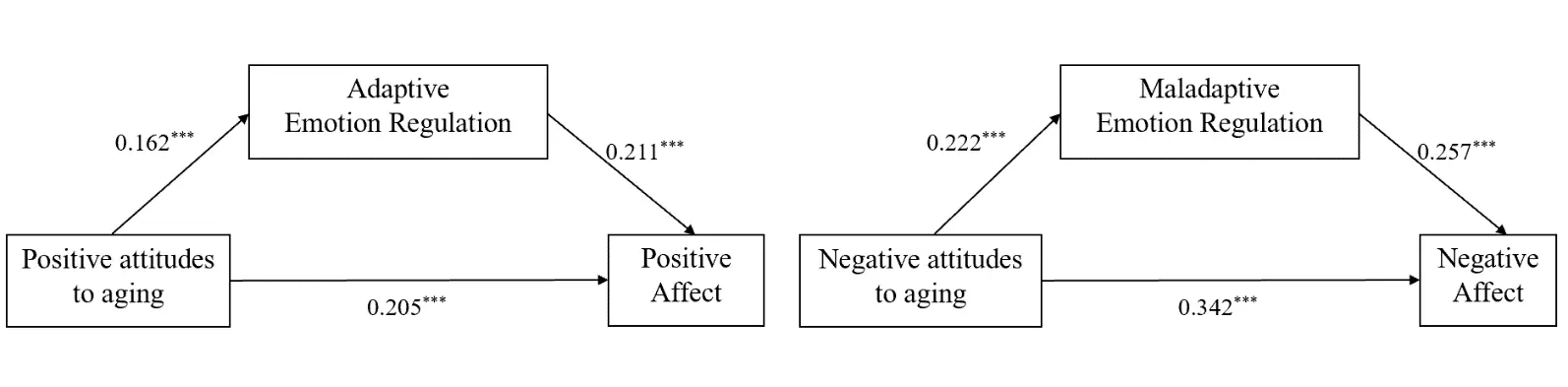
Attitudes to aging exert impacts on emotional well-being, yet the underlying psychological mechanisms and their stability across middle and older adulthood remain insufficiently understood. Based on the dual-factor model of mental health and the constructivist theory of emotional aging, this study aimed to: (1) examine the mediating role of emotion regulation in the relationship between aging attitudes and emotional well-being during the COVID-19 pandemic; (2) test the cross-age consistency of this mediating mechanism between middle-aged and older adults. Middle-aged and older residents (N = 653) participated in this study from 22 April to 24 April 2020. Participants completed questionnaires to assess their attitudes to aging, the use of emotion regulation strategies, and their levels of emotional well-being. Mediation roles and confidence intervals (CIs) were calculated using a bootstrap resampling method. Results showed that (1) Older adults exhibited slightly higher negative attitudes to aging, calmness, and boredom than the middle-aged group. They also used rumination, distraction, and social sharing strategies a little more frequently than middle-aged adults. (2) Full-sample mediation analyses indicated that positive aging attitudes were positively associated with positive affect through adaptive emotion regulation, and negative aging attitudes were positively associated with negative affect through maladaptive emotion regulation. (3) Moderated mediation analyses revealed that age group or age did not significantly moderate either mediating pathway. The mediating effect of emotion regulation on the relationship between aging attitudes and emotional well-being appeared stable across the two age groups. These findings support the constructionist approach to emotional aging. Interventions for successful aging should consider cultivating positive aging attitudes and adaptive emotion regulation, as these approaches are potentially both valuable for middle-aged and older adults.
Open Access
Article
24 March 2026Comparing Drone and Satellite DEMs for Hydrodynamic Flood Modeling in a Rural Brazilian Catchment
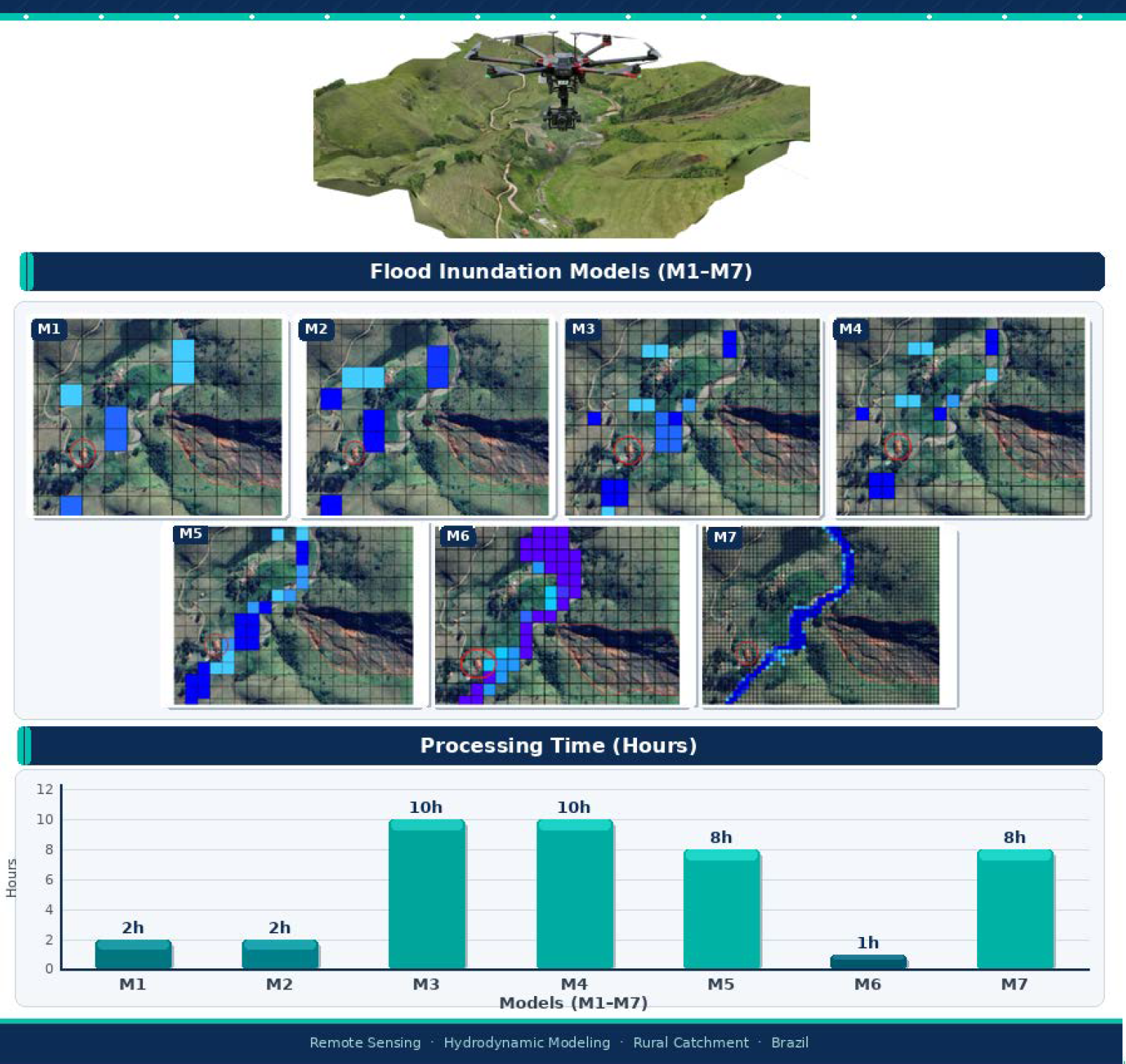
The rural region of the municipality of Bananal (SP, Brazil) experiences recurrent flooding events associated with rising water levels in tributaries of the Bananal River, especially during periods of intense rainfall. This study aimed to compare the performance of different Digital Elevation Models (DEMs), one derived from NASA orbital data and another generated from drone-based aerophotogrammetric surveys, in identifying and mapping flood-prone areas. The objective was to assess whether drone field campaigns are essential for this type of analysis or whether orbital DEMs are sufficient for the hydrodynamic characterization of the area. Hydrodynamic models were developed using the software QGIS, HidroFlu—for watershed parametrization and inflow estimation, and MODCEL—for hydrodynamic simulation, with spatial resolutions of 10 m, 30 m, and 50 m, in order to analyze the impact of topographic detail on simulation results. Two approaches were tested for defining boundary conditions: one based on precipitation data with a 25-year return period, and another based on the Bananal River discharge estimated from the watershed. The results indicated that the model based on the drone-derived DEM, with 10 m resolution and boundary conditions defined by river discharge, showed the best performance in representing floodable areas. However, the findings also highlight that high-resolution DEMs entail higher operational costs, due to the need for field activities and greater computational capacity to run the simulations.
Open Access
Article
23 March 2026Integrating Copernicus Earth Observation and Artificial Intelligence for Habitat Suitability Modeling of Pinctada radiata in Semi-Enclosed Coastal Watersheds of Central Greece
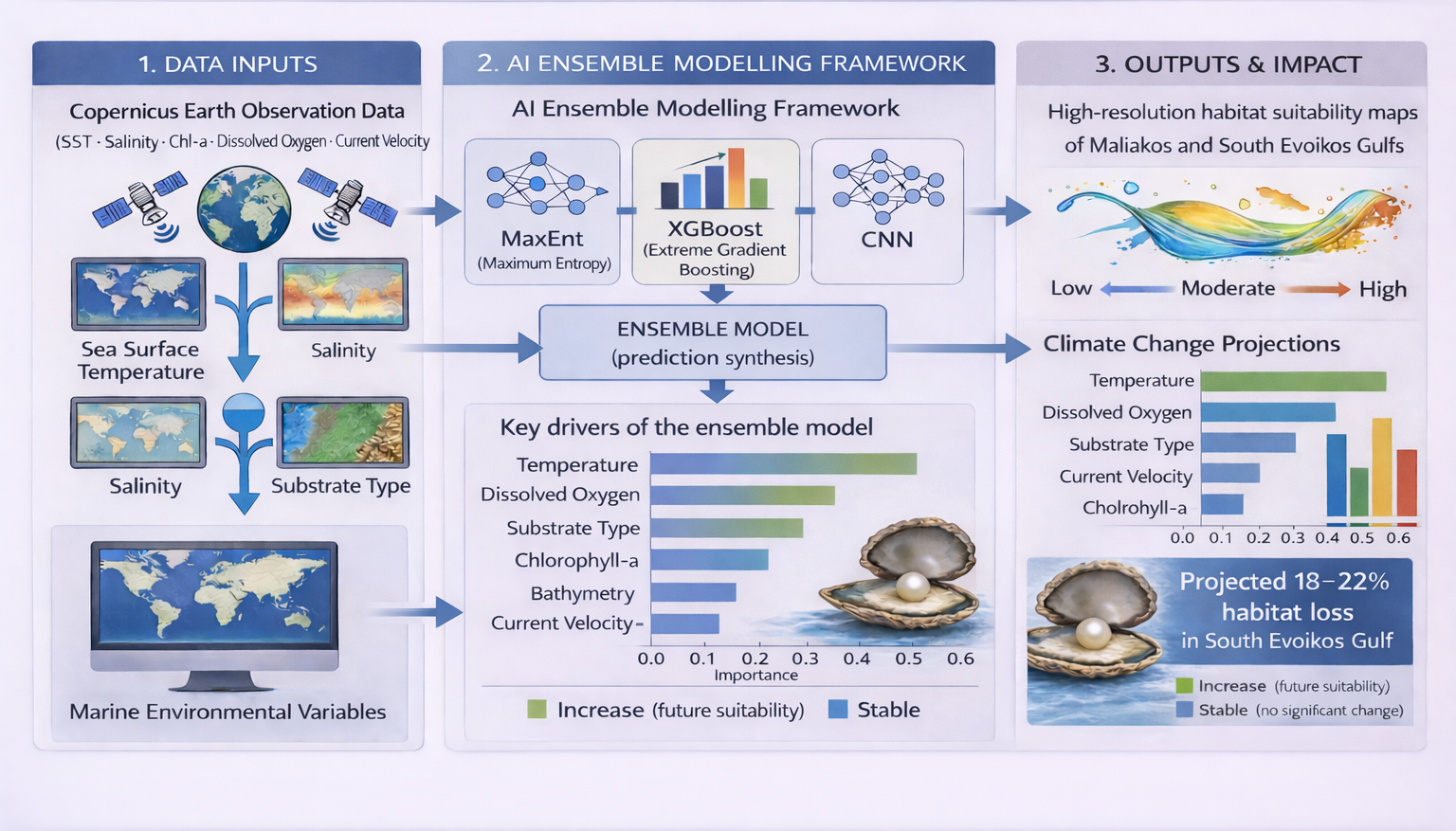
Semi-enclosed coastal systems are highly dynamic environments where benthic organisms are exposed to strong hydrographic gradients and increasing anthropogenic pressures. This study assessed the habitat suitability of the pearl oyster Pinctada radiata in two contrasting Mediterranean gulfs of Central Greece, the Maliakos and the South Evoikos, by integrating Copernicus Earth Observation (EO) products with an Artificial Intelligence (AI) modeling framework. Environmental variables, including sea surface temperature, salinity, chlorophyll-a concentration, current velocity, and dissolved oxygen, were derived from satellite and marine datasets and used to train a multi-algorithm ensemble combining Maximum Entropy (MaxEnt), Extreme Gradient Boosting (XGBoost), and a Convolutional Neural Network (CNN). The ensemble model showed strong predictive skill (AUC = 0.94; TSS = 0.80) and identified temperature, dissolved oxygen, and substrate type as the main drivers of habitat suitability. Spatial projections indicated that roughly two-thirds of the study area currently supports favorable conditions for P. radiata, particularly in shallow, low-energy, mesotrophic zones. Under a simulated +2 °C warming scenario, highly suitable habitats declined by about 20%, highlighting the species’ sensitivity to future thermal stress and subsequent oxygen depletion, demonstrating the value of EO-driven AI approaches for anticipating ecological change in vulnerable coastal systems.
Open Access
Communication
09 March 2026Detailed Analyses of Light Intensity Dependence to Uncover Multielectron Oxygen-Reduction Mechanism by Platinum-Loaded Tungsten(VI) Oxide
Elucidation of the mechanism of multielectron transfer reactions, such as photocatalytic water oxidation and oxygen reduction, is essential for achieving high efficiency in the utilization of sustainable solar energy. Herein, we demonstrate that photocatalytic oxygen reduction on platinum-loaded tungsten(VI) oxide (Pt/WO3) photocatalyst proceeds predominantly by two-electron transfer pathway under conventional light-intensity conditions. Light intensity-dependence analyses of the acetic acid decomposition reaction revealed the role of the Pt co-catalyst in enhancing overall quantum efficiency. We also report for the first time that the reaction can be initiated even on bare WO3, in addition to Pt, under extremely high light-intensity conditions.

Open Access
Review
26 February 2026Electro-Discharge Machining Advanced Materials under Low Frequency Vibrations: Modeling, Application, and Outlook
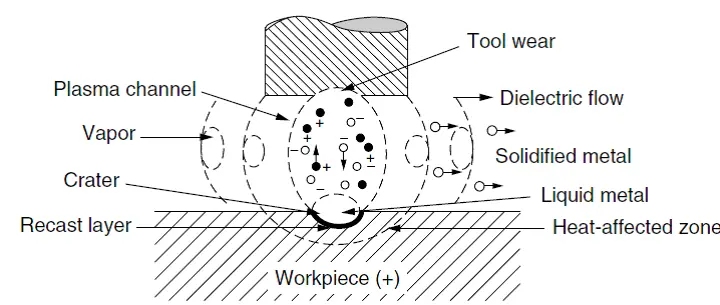
The material removal in Electro-Discharge Machining (EDM) occurs through the generation of high temperatures caused by intense electrical discharges, leading to the melting and vaporization of the workpiece and tool electrode. The ejected molten material solidifies in the dielectric liquid, forming debris that can significantly affect process accuracy, efficiency, productivity, and machinability if not effectively removed from the machining zone. The utilization of Low Frequency (LF) vibration (typically <1 kHz) to assist debris evacuation during Micro-EDM (µEDM) and EDM processes has emerged as a feasible solution. Moreover, the integration of powder into the dielectric medium (Powder mixed EDM, PMEDM) along with LF vibration presents an interactive approach to further enhance process performance. Despite its promise, the field lacks a unified understanding of LFV-EDM’s underlying mechanisms, systematic optimization frameworks, and clear pathways for industrial integration. This paper presents a comprehensive overview of research focusing on the influence of process parameters on key performance indicators such as Material Removal Rate (MRR), Electrode Wear Rate (EWR), surface roughness (Ra), and geometric accuracy in LF vibration-assisted µEDM and EDM. Various optimization methodologies, including statistical modeling, finite element analysis (FEA), computational fluid dynamics (CFD), and advanced techniques like Taguchi and artificial neural networks (ANN) employed in this field are extensively reviewed. Critical analysis of contradictory findings and material-specific responses is included. The review concludes with identified research gaps and prioritized future directions, including hybrid processes, advanced powder materials, and AI-driven optimization for LF- assisted µEDM and EDM processes. This work provides researchers with a consolidated knowledge base, a critical perspective on current limitations, and a prioritized agenda for future innovation, ultimately bridging the gap between laboratory research and scalable industrial application.
Open Access
Article
25 February 2026Analysis of Grinding Mechanics and Improved Force Model in Ultrasonic Assisted Grinding Cf/SiC Composites
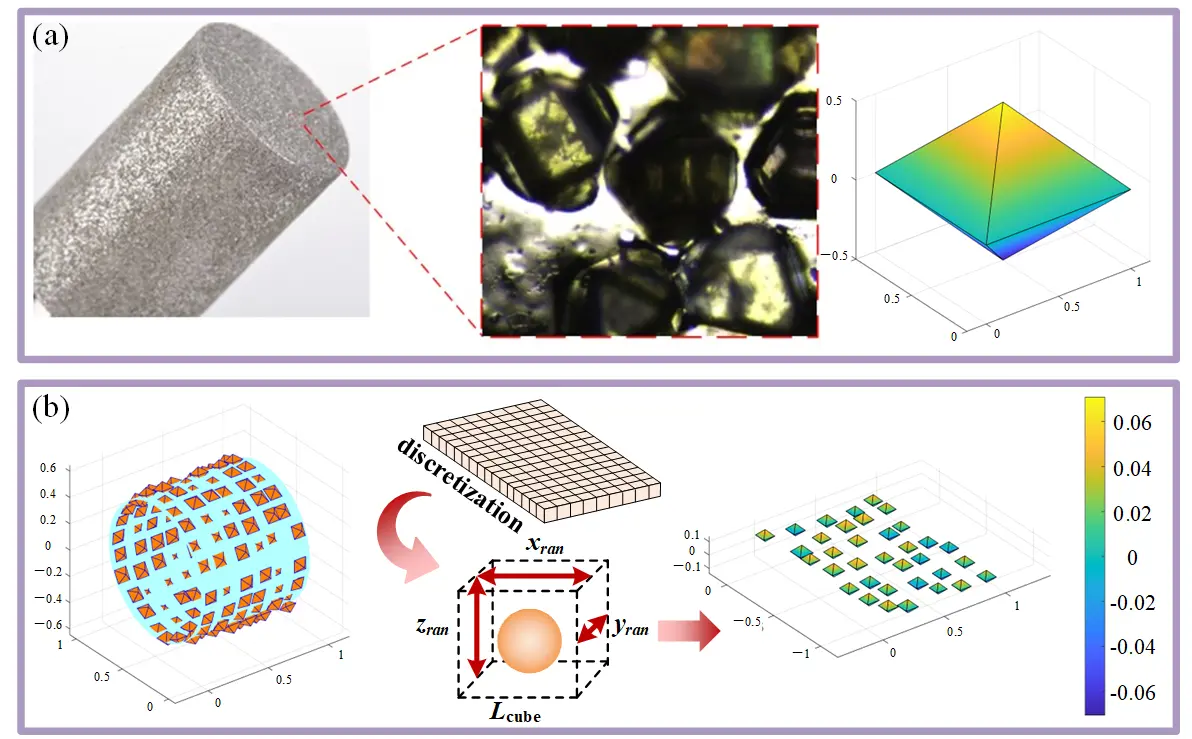
Grinding is a key precision machining method for achieving high surface quality and dimensional accuracy in carbon fiber reinforced silicon carbide ceramic matrix composites (Cf/SiC). Ultrasonic vibration-assisted grinding (UVAG), with its high-frequency intermittent loading characteristics, offers a novel approach to regulating the dynamic removal behavior of heterogeneous materials. This study firstly analyzed the material removal mechanism of abrasive particles based on abrasive geometry and kinematics. On this basis, mechanical models are developed for a single abrasive grain across three removal stages: ductile removal, ductile-to-brittle transition, and brittle removal. These are further extended into a grinding force prediction model by integrating the effects of multiple abrasive grains and process correction factors during ultrasonic-assisted grinding. Finally, the model is validated through UVAG experiments. Results show that under an ultrasonic frequency of 20 kHz and amplitude of 5 μm, the predicted grinding forces match the experimental values with a high degree of accuracy (98.98%). This grinding force model provides theoretical support and process guidance for high-performance, low-damage precision machining of Cf/SiC composites.