Found 1 results
Open Access
Article
02 April 2026Understanding Community Perceptions of Climate Change and Mitigation Strategies: Evidence from Dakodwom, Ghana
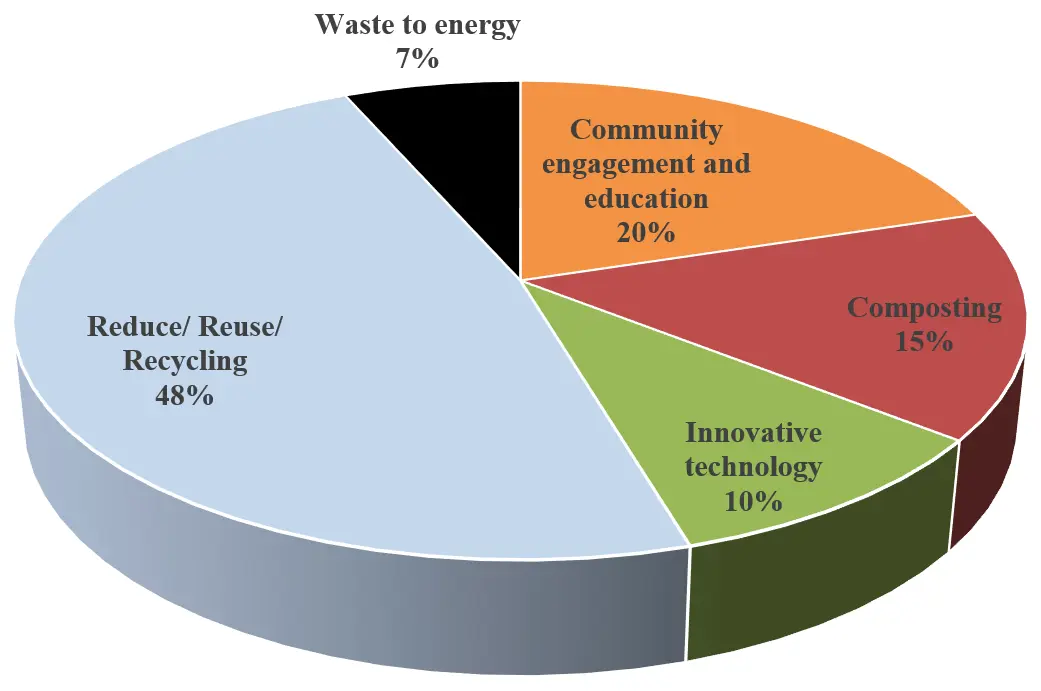
Climate change has become a critical global concern due to its adverse impacts on both humans and the environment. In alignment with Sustainable Development Goal 13, which calls for urgent action to combat climate change and its effects, this study examines community perceptions of climate change in Ghana, using evidence from Dakodwom in the Ashanti Region. The study specifically aims to: (1) examine the association between perceived climate change and the perceptions of its causes within the Dakodwom community, (2) assess the association between perceived climate change, its indicators, and trends, (3) examine the determinants of perceived climate change, and (4) identify practices that could mitigate climate change–related challenges. A structured questionnaire comprising closed-ended questions was used to collect data. Pearson’s chi-square test was employed to determine the relationship between perceived climate change and its perceived causes, as well as to assess the significance of respondents’ perceptions of various climate indicators and trends. Binary logistic regression was further applied to identify the factors influencing perceived climate change. The findings reveal that respondents attribute perceived climate change primarily to burning, deforestation, vehicle emissions, industrial emissions, agricultural activities, and urbanization. Participants demonstrated statistically significant awareness of changes in rainfall patterns, temperature increases, wind activity, and extreme weather events, indicating noticeable environmental changes. The regression results show that employment status and awareness of activities such as burning, agricultural activities, and industrial emissions are the significant determinants of perceived climate change. Additionally, the study identifies recycling, composting, community education, and the adoption of innovative waste-management technologies as practical strategies with potential to mitigate climate change–related challenges. Based on these findings, local authorities and environmental agencies should prioritize investments in improved waste-management systems, community composting facilities, and green infrastructure initiatives, including tree planting and environmentally sustainable agricultural practices, to address the observed increases in temperature, wind activity, and extreme weather events.