Found 1 results
Open Access
Communication
31 October 2025Impact of SGLT2 Inhibitors on PA Pressures in D-TGA after Atrial Switch Operations
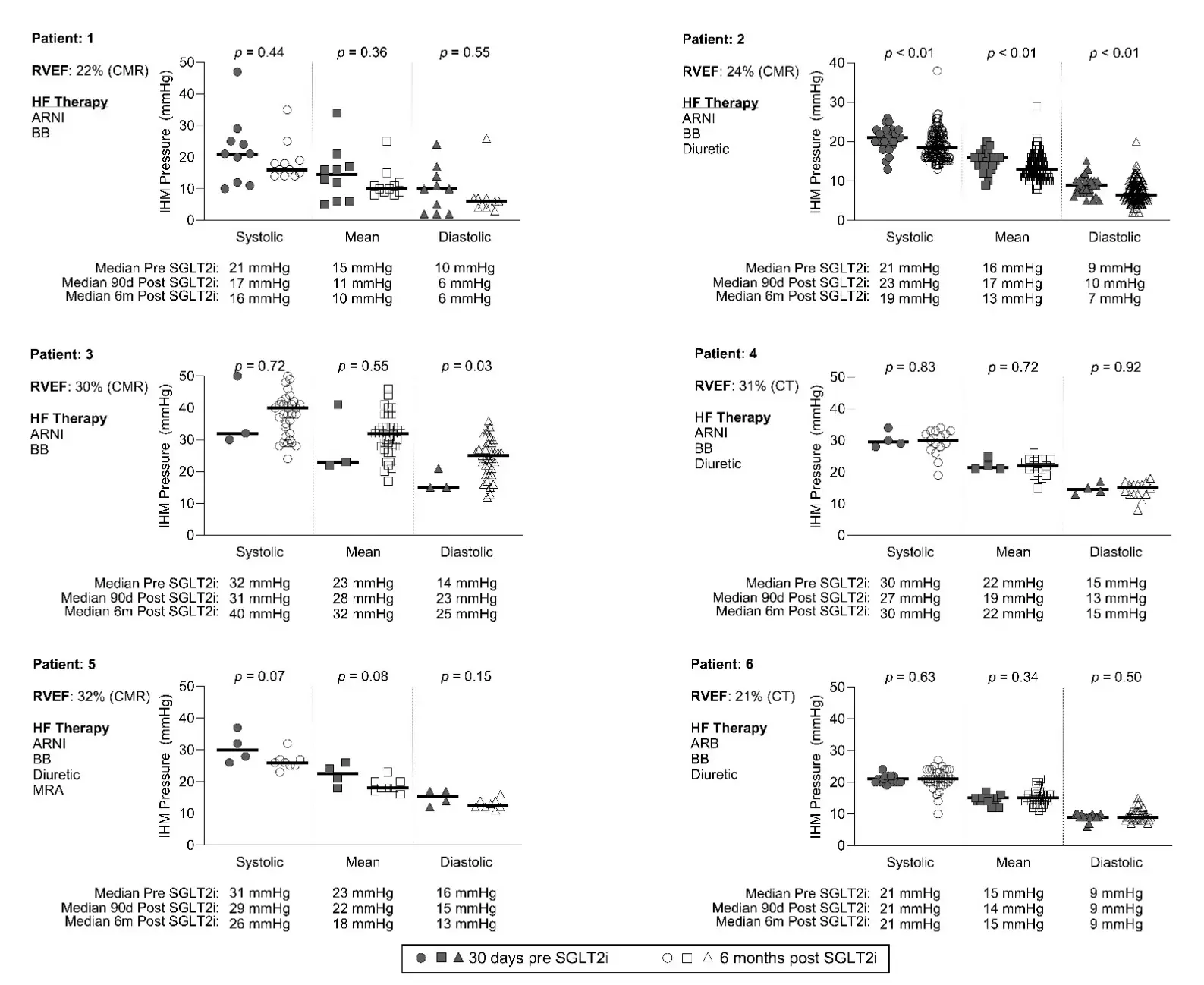
Heart failure (HF) is the leading cause of mortality in adults with congenital heart disease (ACHD), including patients with systemic right ventricles, such as those with dextro-transposition of the great arteries with an atrial switch (DTGA-AS). With more ACHD patients surviving well into adulthood, there is an increase in advanced heart failure (HF) and pulmonary hypertension (PH), many of whom are being treated with SGLT2-inhibitors (SGLT2-i). However, there is a paucity of data supporting SGLT2-i inhibitor use in the ACHD population and on how they may impact pulmonary artery pressures (PAP). This single center retrospective study aimed to evaluate the impact of SGLT2-i on (PAP) in patients with DTGA-AS. Six patients were studied, all male (mean age 41 [range 38–52] years), with a mean systemic right ventricular ejection fraction of 27% (range 22–32%), with an implanted hemodynamic CardioMEMs monitor data were recorded one month prior to medication start and six months afterwards. Half of the patients had normal PAP, and the addition of SGLT2i did not result in a significant change in PAP in all patients. However, half of the patients demonstrated a trend towards improvement. In conclusion, in this study with a small sample size of DTGA-AS patients, there was no significant reduction in PAP.