Found 492 results
Open Access
Article
07 February 2023Plasmon Enhanced Nickel(II) Catalyst for Photocatalytic Lignin Model Cleavage
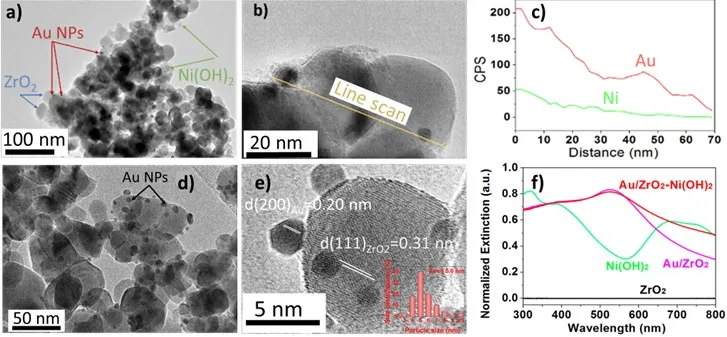
Photocatalytic-induced cleaving of the ether C–O bond in model lignin compounds was studied with a closely-coupled compo-site material consisting of Ni(OH)2 and gold nanoparticles (NPs) on a zirconia support (Au/ZrO2–Ni(OH)2). The three important ether bond types consisting of α-O-4, β-O-4, and 4-O-5 linkages can all be cleaved using this catalyst at reaction temperatures 40, 85 and 95 °C when under low-flux visible light irradiation. The Au NPs action as a light-harvesting antenna provided light-generated hot electrons that reduced Ni2+ to Ni0. The Ni0 was the active catalytic site where reductive cleavage of ether C–O bonds occurred while it was oxidized to Ni2+ to complete the catalysis cycle. The plasmonic antenna system with supported Ni(OH)2 exhibited better ability for the catalytic reductive ether cleavages under visible light irradiation compared to photocata-lysts of Au NPs and Ni2+ ions immobilized on alumina fibers.
Open Access
Article
28 January 2023Current Challenges to the Sustainable Development of Rural Communities in Russia's Central Chernozem Region
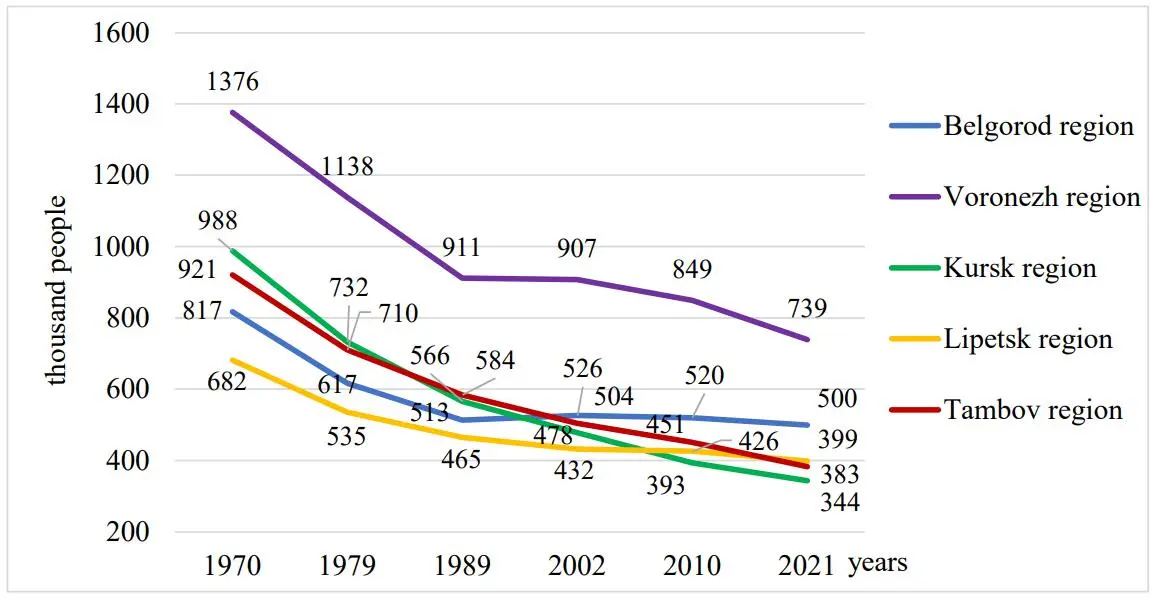
The rural community system in the Central Chernozem Economic Region in Russia is undergoing a radical transformation under the interrelated influence of fundamental factors that have rendered the development of many communities unsustainable. This paper analyses the role of urbanisation processes in population changes and transformation of rural community systems in the region; determines the level of horizontal mobility among the rural population, as well as its impact on settlement evolution; assesses the share of small and extremely small communities in settlement composition; and outlines these communities’ future development prospects. The authors believe that the socio-demographic “desertification” of peripheral municipalities can pose challenges to rural development: a shortage of labour resources, changes in population quality, and problems of innovation diffusion. The study recommends improving the comfort of the living environment and accelerating the technical re-equipment and automation of agricultural production.