Found 492 results

Open Access
Review
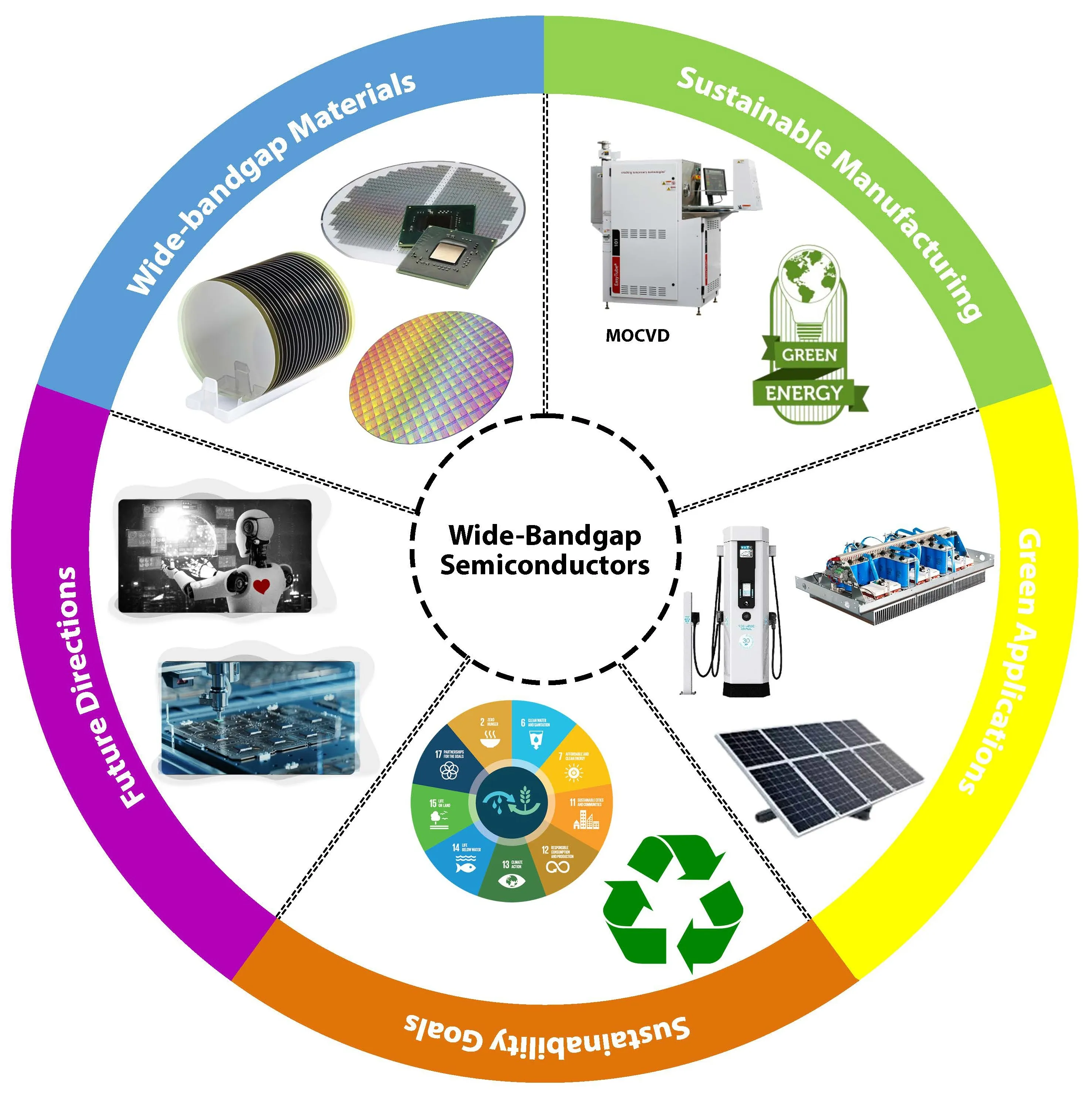
01 April 2025Sustainable Manufacturing and Applications of Wide-Bandgap Semiconductors—A Review
Wide-bandgap (WBG) semiconductors such as silicon carbide (SiC) and gallium nitride (GaN) are revolutionizing high-power electronics due to their superior thermal conductivity, breakdown voltage, and energy efficiency. These materials are critical in electric vehicles, renewable energy systems, and high-frequency applications like 5G infrastructure. However, their production processes are resource-intensive and present significant environmental challenges. This review evaluates recent advancements in sustainable WBG semiconductor manufacturing, focusing on low-energy epitaxial growth, closed-loop recycling, and the mitigation of toxic by-products. Additionally, it highlights the role of Industry 4.0 innovations, such as AI-driven process optimization and IoT-based resource management, in enhancing sustainability. The review identifies research gaps in cost reduction, alternative WBG materials like Gallium Oxide (Ga2O3) and Diamond, and scalable green manufacturing solutions. It underscores the necessity for industry-wide collaboration and regulatory frameworks to drive the adoption of eco-friendly semiconductor fabrication. The findings of this study provide a roadmap for advancing sustainability in WBG semiconductor production, ensuring their long-term viability in the transition toward energy-efficient technologies.
Open Access
Case Report
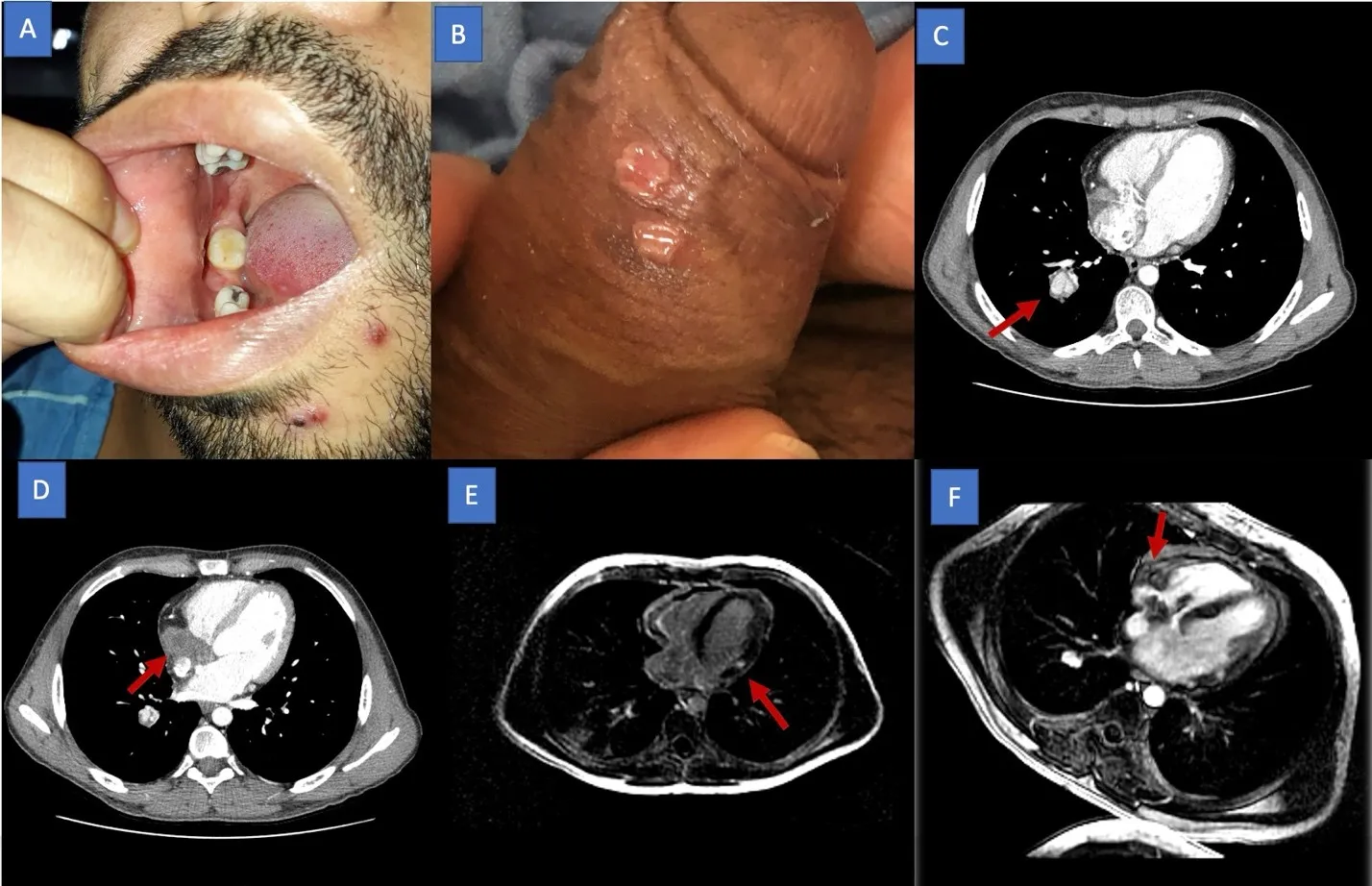
01 April 2025Behcet’s Disease: An Uncommon Cause of Severe Tricuspid Stenosis
Behçet’s disease is a vasculitic condition of unknown etiology that is characterized by oral and genital ulcers as well as various skin and ocular lesions. Cardiovascular manifestations of Behçet’s disease are rare, with very few cases having been reported previously in literature. We report a case of severe tricuspid stenosis and pulmonary artery aneurysm in a 29-year-old man with Behçet’s disease, who demonstrated characteristic vascular findings on computed tomography angiography and diagnostic valvular findings on transthoracic echocardiogram and cardiac magnetic resonance imaging. The patient’s Behçet’s disease was treated initially with cyclophosphamide, azathioprine, and prednisone, which subsequently led to complete resolution of the pulmonary artery aneurysm. As for the tricuspid stenosis, though symptoms were managed with diuretic therapy, the severity of valvular dysfunction required consideration and an attempt at tricuspid valve replacement surgery, which unfortunately was met with complications and led to an unfavorable outcome of refractory cardiogenic shock and death. Given the rarity of cardiovascular involvement in patients with Behçet’s disease, along with the lack of clear treatment guidelines, management of findings of tricuspid stenosis and pulmonary artery aneurysm in these patients can be challenging.
Open Access
Commentary
01 April 2025
Open Access
Research Highlight
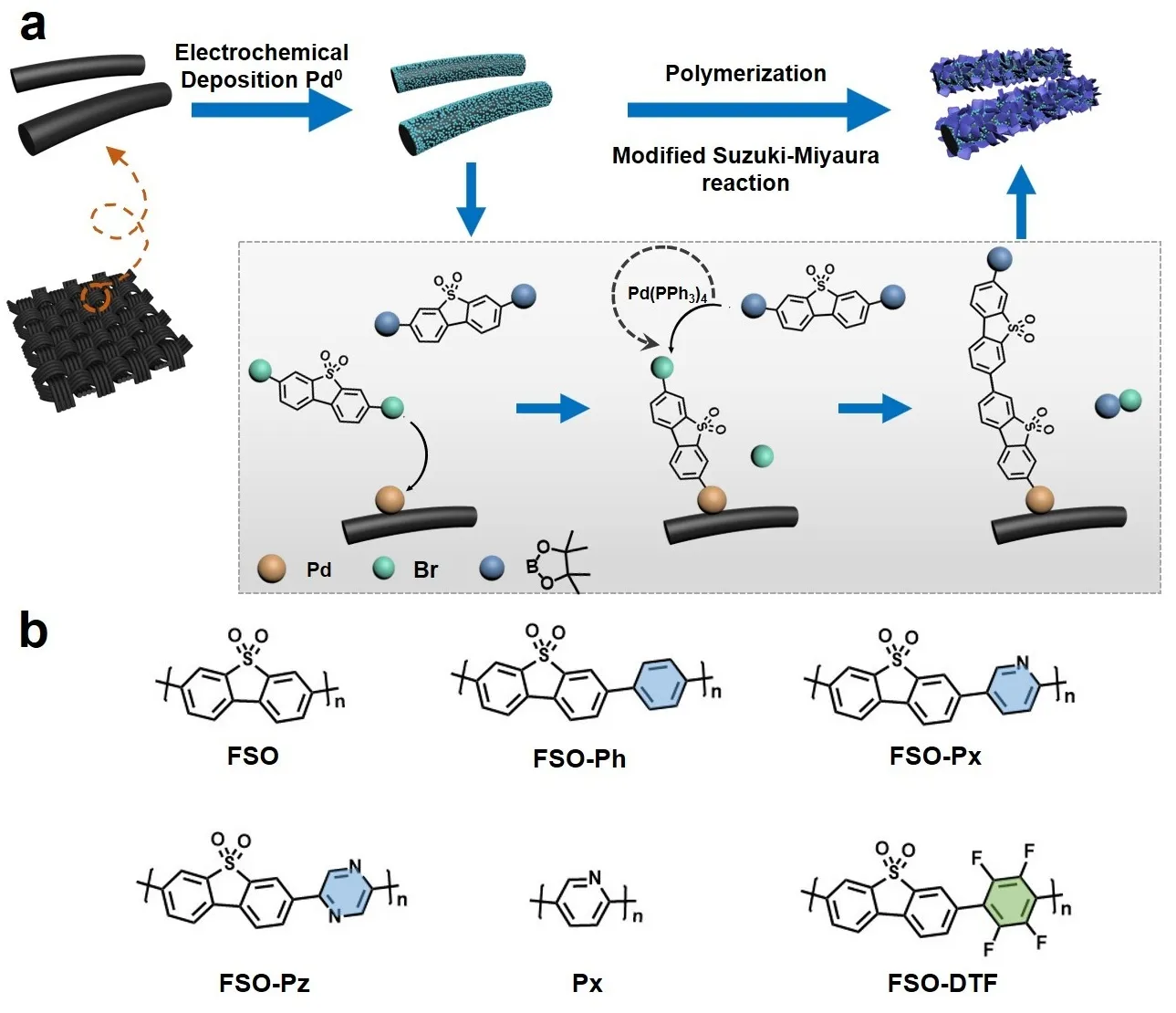
31 March 2025Linear Semiconducting Polymers as Photoanodes for Oxidation Reactions
Photoelectrochemical (PEC) water splitting has attracted significant attention in the general field of photocatalysis. However, the high cost of constructing PEC systems limits their practical application. Recently, an innovative approach was proposed to synthesize linear semiconducting polymer-based films. The polymer structure was optimized for oxidation reactions. Furthermore, the active site of the optimal linear polymer was investigated through in-situ characterizations. This work has the potential to address the challenges of high material costs and polymer film development in PEC technology.
Open Access
Review
31 March 2025Advances in CAR-T Cell Therapy for Solid Tumors
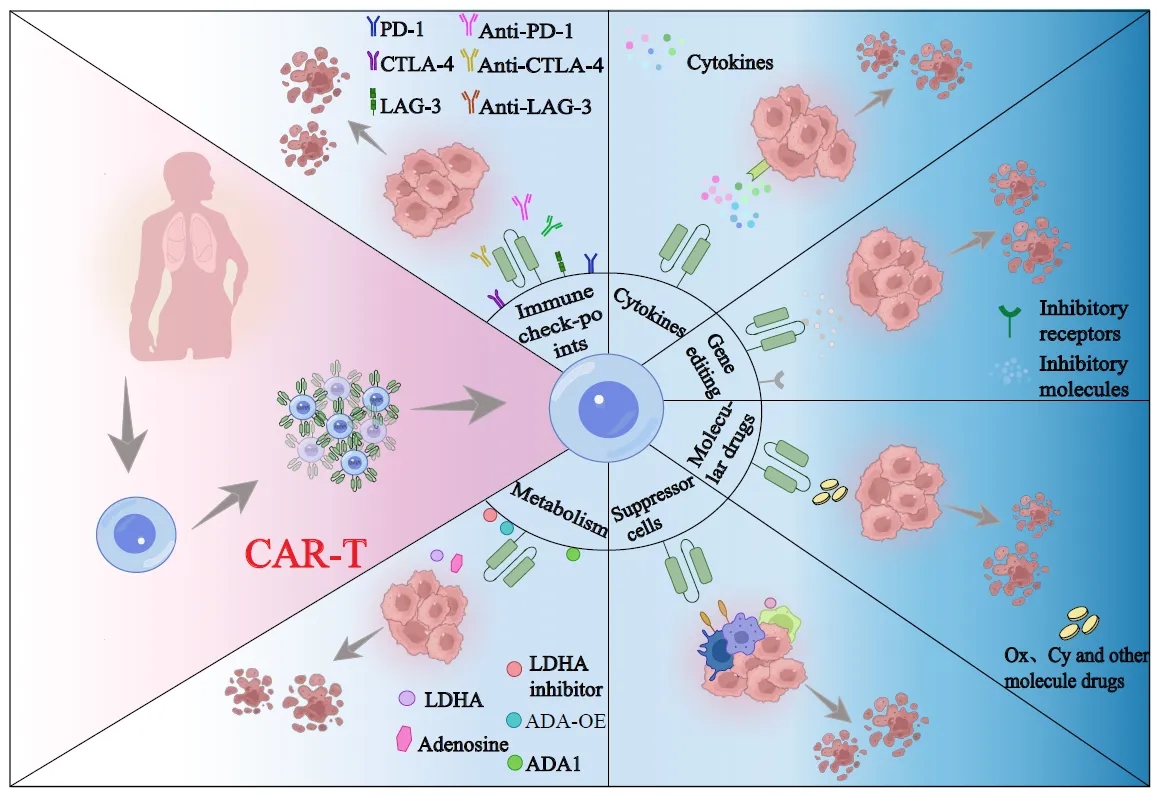
Chimeric Antigen Receptor T (CAR-T) cell therapy represents a groundbreaking advancement in cancer treatment, demonstrating remarkable antitumor efficacy in hematological malignancies. However, despite the substantial clinical progress achieved with CAR-T cell therapy, its application in the treatment of solid tumors remains limited by various factors, including the intricate tumor microenvironment (TME), CAR-T cell exhaustion, CAR-T cell infiltration into tumor tissue, and antigen heterogeneity. Scientists are relentlessly pursuing research in this domain, driven by the aim of offering newfound hope to cancer patients. In this comprehensive review, we delineate the fundamental principles underlying CAR-T cell therapy, delve into the challenges it encounters, and provide an insightful exploration of the advancements and progress made in the application of CAR-T cell therapy for solid tumors.
Open Access
Article
25 March 2025Integrated Habitat Assessment of a Protected Fish Species in the Upper Yangtze River, China: Connectivity and Suitability
In the context of anthropogenic climate change, dam construction, and other human activities, the biodiversity of freshwater fish is rapidly declining. The Upper Yangtze River Basin (UYRB) is a hotspot for hydropower development and is home to numerous endemic and rare freshwater fish species, most of which are on the brink of extinction. Schizothorax chongi is an endangered and protected fish species endemic to the UYRB, with significant economic and ecological value. However, the potential habitat of its wild population has not been reported, which hampers conservation efforts for this valuable species. This study utilized the Dendritic Connection Index (DCI) and Species Distribution Models (SDMs) to assess habitat connectivity in the UYRB and habitat suitability for S. chongi during the periods 1970–2000 and 2001–2020, respectively. The results show that S. chongi habitats underwent significant reduction during the 2001–2020 period, with the total length of medium and high suitability habitats decreasing by 51.7%. However, high suitability habitats in the southern section of the middle and lower Jinsha River, which is located in the upper and middle part of the UYRB, did not experience a noticeable reduction. Despite the relatively high habitat suitability maintained in the southern section of the middle and lower Jinsha River, connectivity has significantly declined. Restoring connectivity reduced by dam construction in this region is critically urgent. This study is the first to conduct a watershed-scale assessment of fish habitat integrating habitat suitability and connectivity providing valuable insights for local governments to develop specific conservation measures and plans. It can offer a valuable reference for researchers in the field of freshwater fish conservation.

Open Access
Article
21 March 2025Additive Manufacturing of Tungsten-Alloyed Tantalum from Polyhedral Shaped Powder Blends
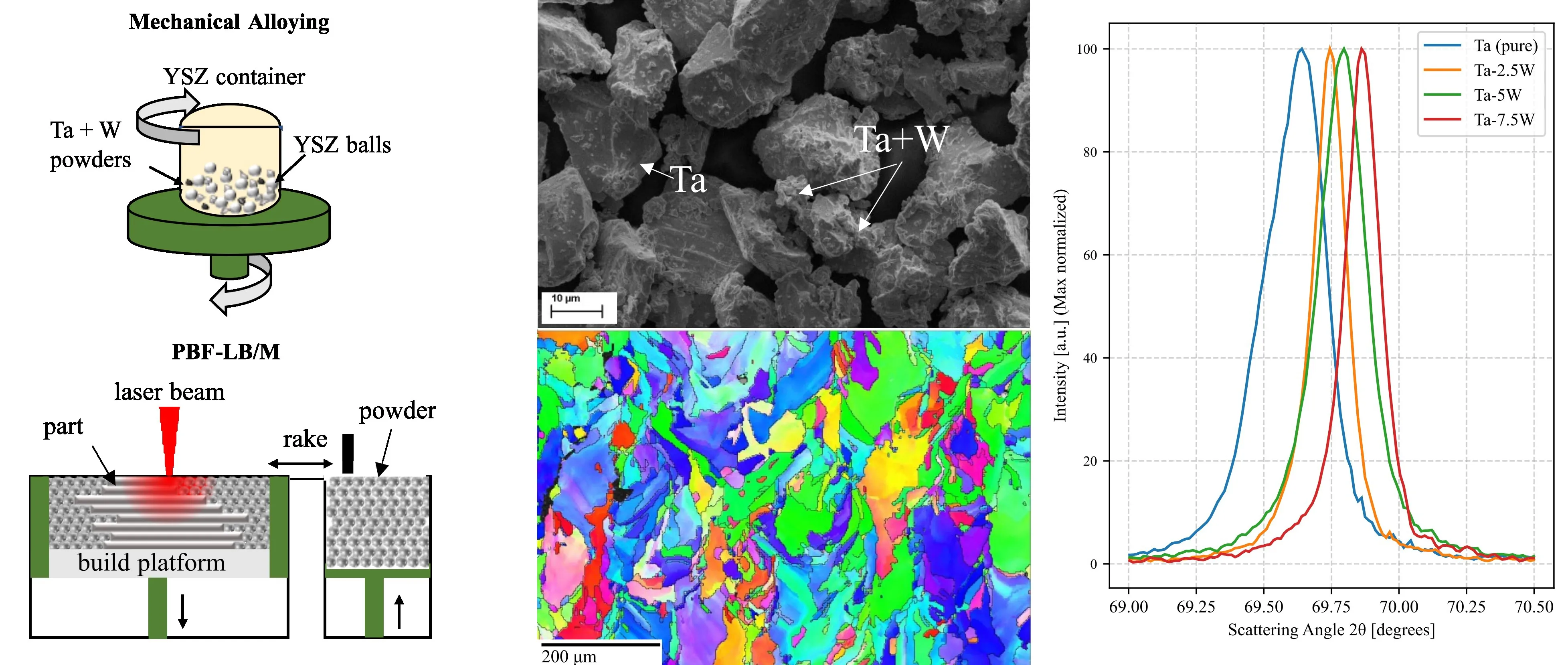
Tantalum and tungsten are completely soluble in each other and are used in applications in the combined form of so-called tantaloys. They provide high melting points (Ta: 3017 °C, W: 3410 °C) and excellent corrosion resistance while maintaining high ductility for W contents up to 7.5 wt%. Providing good resistance to hydrogen embrittlement, Ta-W alloys are attractive candidates for applications in fusion reactors. This study demonstrated the feasibility of producing chemically homogeneous bulk material with fine grained microstructure from non-spherical powder blends with up to 7.5% tungsten using laser powder bed fusion (PBF-L/M). It is observed that cracking remains a challenge, especially with the increase in tungsten content. The effect of rapid solidification on the microhardness of up to 385 HV0.1 for 7.5% W is discussed. It provides initial indications of the possibility of achieving higher strengths and paves the way for further alloy development with regard to the additive manufacturing of this alloy family.
Open Access
Article
21 March 2025Formation Mechanism and Structural Evolution of Mesophase Pitch via Phase Separation
Mesophase pitch is obtained through a two-stage treatment method combining stirring and non-stirring heat treatment of the catalytic cracking oil slurry. The structural evolution during the mesophase pitch forming process is analyzed using phase separation and testing by X-ray diffraction, Fourier Transform Infrared spectroscopy, and Thermogravimetric analysis. After a short period of non-stirring heat treatment, the solid-phase yield rapidly increases by 14.20 wt.%, reaching 46.70 wt.%. The softening point of the final mesophase pitch is all below 350 °C. The increase in yield and structural transformation are influenced by changes in the content of quinoline insoluble, as evidenced by the presence of C-H out-of-plane bending vibration at 670 cm−1. Based on the observed changes in composition and structure, this study proposes a hypothesis regarding the increase in mesophase pitch production during heat treatment.

Open Access
Opinion
21 March 2025Classical MHC Class I Molecules as Modifiers of Brain Homeostasis and Neuroregeneration: Unraveling the Riddle?
As mankind breaks the boundaries of potential years to live, the process of aging imposes various cellular challenges, from less capacity of cell repair and damage to impaired protein formation, causing chronic low-level inflammation on tissues including the brain. Persistent chronic neuroinflammation can harm neurons, contributing to the development of neurodegeneration, a pathological process that affects cognitive function and is often reflected by dementia. This opinion article tries to recapitulate the influence that major histocompatibility class I (MHC-I) molecules have on brain homeostasis and how abnormalities in their expression can lead to cognitive deterioration. Studies carried out during recent years not only demonstrated that neurons and other central nervous system (CNS) cells express MHC-I molecules, but also that these molecules play essential roles in the establishment, function, and modeling of synapses in the CNS during the embryonic period, at birth and during adulthood, namely during inflammatory conditions. The accumulated body of evidence suggests that MHC-I molecules and the signaling pathways they regulate could provide clues on some of the molecular and cellular mechanisms regulating brain homeostasis and neuroregeneration in health and disease, thus becoming potential biomarkers of cognitive decline and targets for innovative immunotherapies.