Found 492 results
Open Access
Review
20 March 2025The Fate and Dynamics of Neural Stem Cells (NSCs) and Their Neurogenic Decline in Alzheimer’s Disease
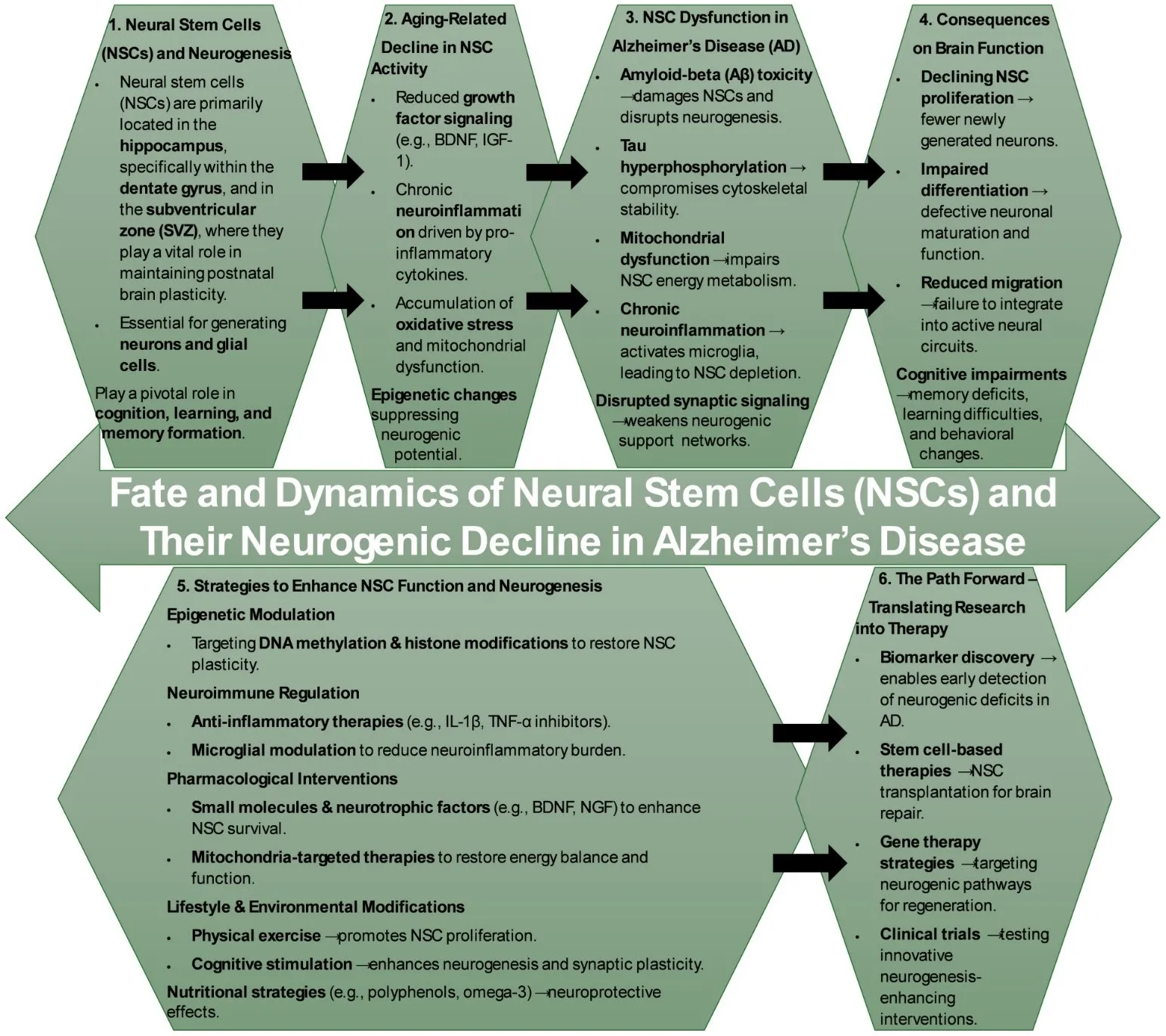
Neural stem cells (NSCs) are crucial for neurogenesis in the mammalian brain, supporting the generation of neurons and glial cells during both development and adulthood. However, aging—driven by factors such as reduced growth factors, heightened inflammation, oxidative stress, and epigenetic modifications—leads to a decline in NSC activity, which is closely associated with cognitive decline. This article explores the significant reduction in neurogenesis observed in Alzheimer’s disease (AD), where amyloid-beta (Aβ) accumulation, tau pathology, mitochondrial dysfunction, and chronic neuroinflammation disrupt NSC function in the hippocampus and subventricular zone (SVZ). These disruptions impair NSC proliferation, differentiation, and migration, contributing to the progression of cognitive deficits. Additionally, this article examines experimental studies suggesting that deficits in neurogenesis often precede amyloid plaque formation in animal models, positioning impaired neurogenesis as a potential early biomarker for AD. Therapeutic strategies targeting neurogenesis, epigenetics, and inflammation—such as anti-inflammatory treatments, environmental enrichment, and modulation of systemic factors—hold promise for reversing neurogenic deficits and enhancing cognitive function. Furthermore, this article discusses both pharmacological agents and non-pharmacological strategies that show potential in promoting neurogenesis, though further research is needed to evaluate their safety and efficacy. The decline of NSC is driven by many interconnected factors, making it challenging to understand and address fully. This highlights the need for ongoing research.
Open Access
Article
20 March 2025Shared Decision Making for an Implantable Pulmonary Artery Monitoring Device in Heart Failure: A Pilot Study
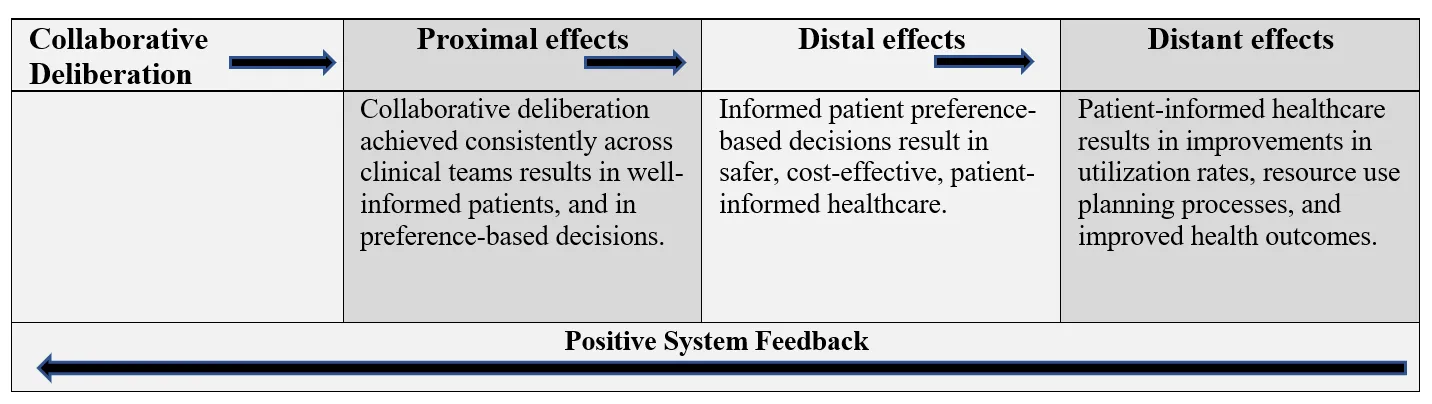
Pulmonary artery (PA) pressure can be monitored remotely by a microelectromechanical sensor (MEMS) permanently implanted in the pulmonary artery. This device allows early management of fluid overload in heart failure so that diuresis can be initiated promptly, and hospitalization and other adverse events can be prevented. To test the methods and measures proposed to explore patient and provider perceptions of Shared Decision Making for the CardioMEMS pulmonary artery pressure monitoring device. A convenience sample of eight patient-provider dyads was enrolled at an ambulatory academic cardiology clinic and completed the shared decision making questionnaire in the clinic prior to the procedure. The majority of providers reported complete agreement that shared decision making occurred. Patients’ survey responses varied but remained positive. The survey used was feasible and effective. Dyad perceptions were positive and concordant in this small convenience sample. Future studies with larger samples are needed to develop interventions to promote behaviors necessary for shared decision making.
Open Access
Article
17 March 2025Experimental Study on A Novel Organic/Inorganic Green Deep Eutectic Solvents: Thermophysical Properties, Thermal Stability, and Utilization in Nanofluids
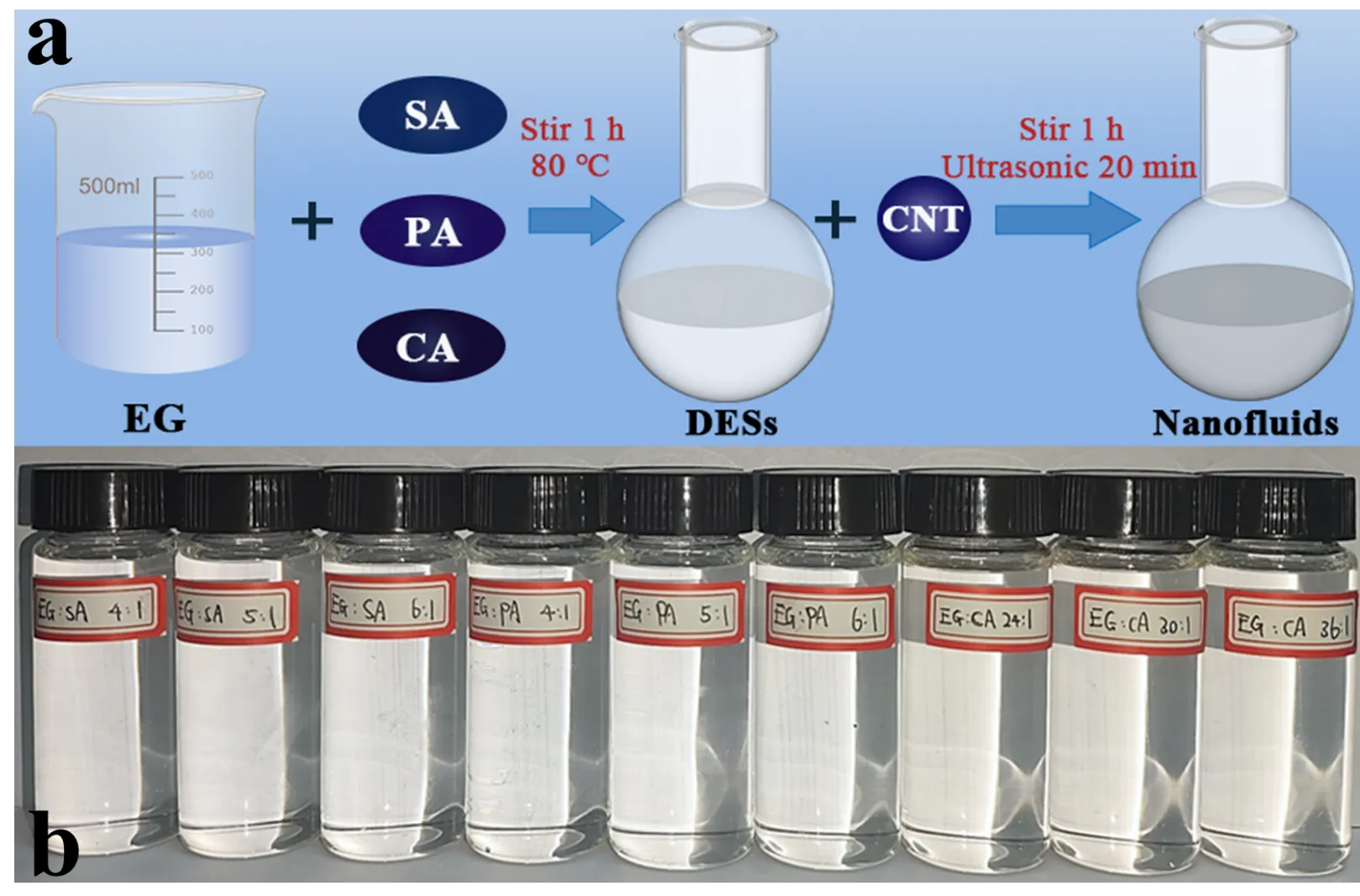
In response to the performance limitations of traditional heat transfer fluids under extreme conditions, a series of organic/inorganic deep eutectic solvents (DES), composed of ethylene glycol and different types of acetates, have been developed, and their downstream thermophysical properties, as well as their potential applications in nanofluids, have been explored. It is found that the prepared DESs significantly broaden the liquid phase temperature range, which ranges from −14~196 °C to −40~201 °C. The initial decomposition temperature increases from 85 °C to 130 °C, and the peak decomposition rate shifts from 175 °C to 206 °C. Subsequently, nanofluids were prepared by employing the selected ethylene glycol: potassium acetate-5:1 DES with carbon nanotube as nanofiller. The results reveal that the thermal conductivity of the nanofluid could be increased by approximately 3% compared to the base fluid, and the specific heat capacity was enhanced by 7.5% with a photothermal conversion efficiency reaching up to 42.7%. These results highlight the promising thermal stability and heat transfer properties of ethylene glycol-acetate DESs. Moreover, the nanofluids prepared from those DESs as base fluids provide useful references for the development of novel, green, and high-efficiency energy transportation fluids.
Open Access
Editorial
17 March 2025The Roots of Rights—Special Issue: “Transformative Practices: Rights of Nature and the Good Life”
This special issue focuses on the social practices of Rights of Nature (RoN), specifically exploring the transformative competencies and skills involved. The research investigates both individual competencies, such as resilience, mindfulness, and creativity, and collective skills, like relationship building and sustainable forms of interaction with the social and the ecological environment. The central question is if RoN does include “best practice” examples of cultivating non-instrumental relationships with the self, the social other, and the natural other.

Open Access
Review
14 March 2025Mechanistic Insights into Photocatalytic WO3 for Hydrogen Generation
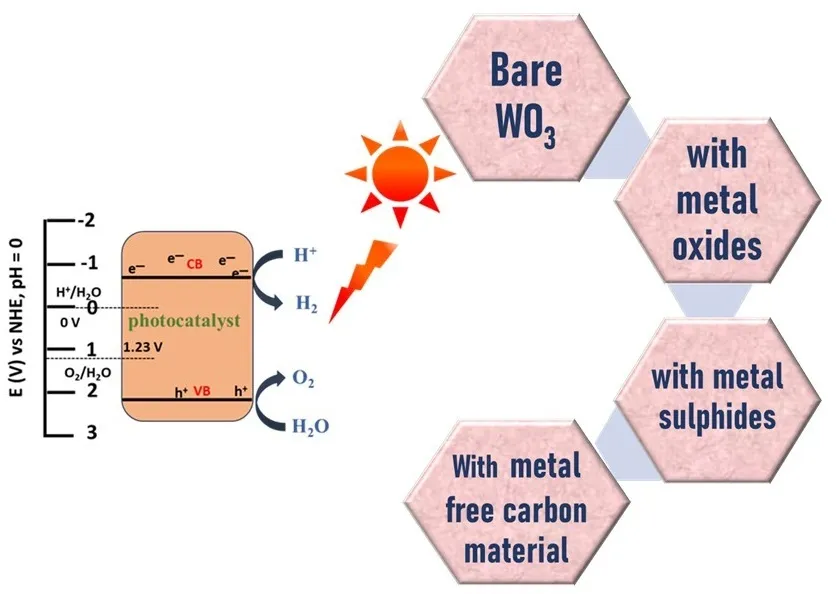
Growing environmental concerns and the limitations of fossil fuel resources have recently led to increased focus on clean and renewable energy sources. Hydrogen (H2) has gained importance as an alternative clean fuel with its potential to become the primary chemical energy carrier. Photocatalytic hydrogen generation offers a capable solution to the energy crisis and has gained significant attention as a renewable energy solution, offering independence from fossil fuels and zero carbon dioxide emissions. Tungsten oxide (WO3) offers to be a promising photocatalyst for Hydrogen Evolution Reaction (HER) with its ability to tune the band gap, robust absorption in the visible spectrum range, steadiness in harsh reaction conditions, low cost, and reduced toxicity. Various synthetic methods can be employed to fabricate photocatalysts with diverse morphologies, sizes, and structures, all of which significantly influence their catalytic performance to varying extents. This review goals to explicitly highlight and discourse the main properties of WO3 and its modifications for photocatalytic HER via different synthesis methods. Modification in WO3 to its corresponding composites, heterojunctions are explicitly explained in this review.
Open Access
Article
14 March 2025A Conceptual Design of Industrial Asset Maintenance System by Autonomous Agents Enhanced with ChatGPT
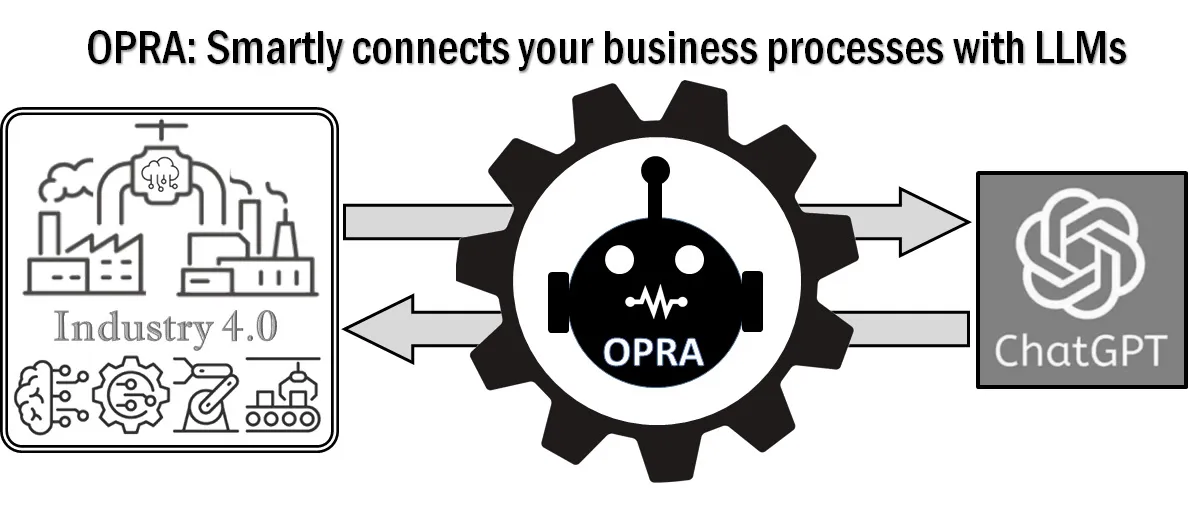
This article introduces OPRA (Observation-Prompt-Response-Action) and its multi-agent extension, COPRA (Collaborative OPRA), as frameworks offering alternatives to traditional agent architectures in intelligent manufacturing systems. Designed for adaptive decision-making in dynamic environments, OPRA enables agents to request external knowledge—such as insights from large language models—to bridge gaps in understanding and guide optimal actions in real-time. When predefined rules or operational guidelines are absent, especially in contexts marked by uncertainty, complexity, or novelty, the OPRA framework empowers agents to query external knowledge systems (e.g., ChatGPT), supporting decisions that traditional algorithms or static rules cannot adequately address. COPRA extends this approach to multi-agent scenarios, where agents collaboratively share insights from prompt-driven responses to achieve coordinated, efficient actions. These frameworks offer enhanced flexibility and responsiveness, which are critical for complex, partially observable manufacturing tasks. By integrating real-time knowledge, they reduce the need for extensive training data and improve operational resilience, making them a promising approach to sustainable manufacturing. Our study highlights the added value OPRA provides over traditional agent architectures, particularly in its ability to adapt on-the-fly through knowledge-driven prompts and reduce complexity by relying on external expertise. Motivational scenarios are discussed to demonstrate OPRA’s potential in critical areas such as predictive maintenance.
Open Access
Article
12 March 2025Cultural and Sex Differences in Emerging Adults: Identity Uncertainty, Psychological Symptoms and Adjustment at University
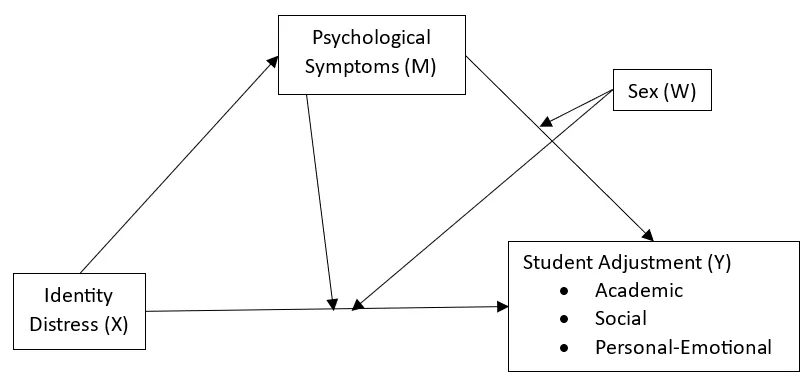
From the perspective of emerging adulthood, we investigated the role of culture and sex in associations between uncertainty and distress in identity development, psychological symptoms, and functioning at university among students in Canada, Spain, and Ecuador. The countries were categorized as individualistic or collectivistic according to Hofstede’s cultural dimensions. Participants included 661 students (median = 18 years, 76.6% female) in Canada (51.6%), Spain (16.2%), and Ecuador (32.2%). They completed the Identity Distress Scale, College Assessment of Psychological Problems Scale, and Student Adjustment to College Questionnaire with online surveys. Spanish students reported the greatest identity distress. Elevated academic adjustment was found for Ecuadorian students, who along with Spanish students exceeded those in Canada on social adjustment. Psychological symptoms mediated linkages between identity distress and academic and social adjustment for Canadian and Spanish women. Conversely, mediation was supported for the personal-emotional functioning of all students. Unexpected differences were found between males and females for identity distress and psychological difficulties among students in the individualistic countries. The findings underscore the need for the attention of researchers and counselors to potential variations in culture, sex, and other relevant personal and contextual factors and how they influence the identity development and well-being of university students worldwide.
Open Access
Article
10 March 2025Leveraging Drone Technology for Precision Agriculture: A Comprehensive Case Study in Sidi Bouzid, Tunisia
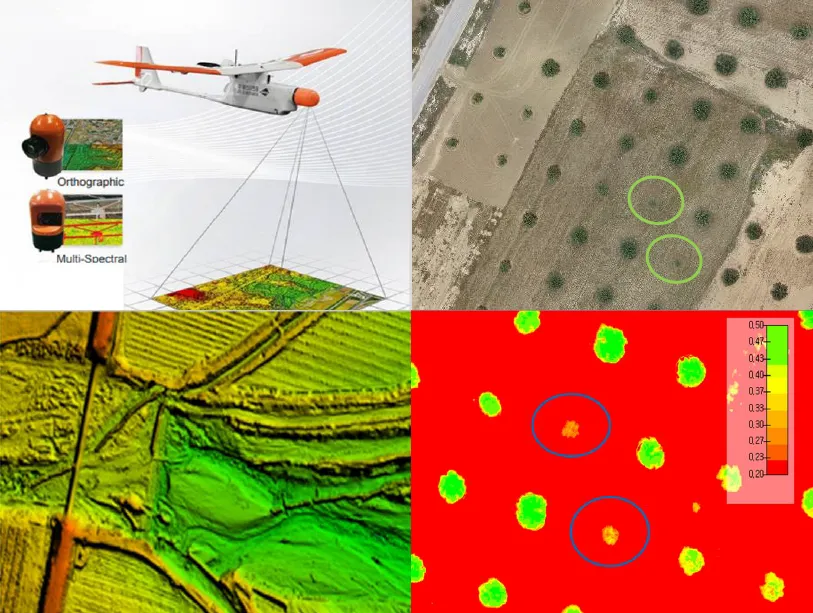
The integration of drone technology in precision agriculture offers promising solutions for enhancing crop monitoring, optimizing resource management, and improving sustainability. This study investigates the application of UAV-based remote sensing in Sidi Bouzid, Tunisia, focusing on olive tree cultivation in a semi-arid environment. REMO-M professional drones equipped with RGB and multispectral sensors were deployed to collect high-resolution imagery, enabling advanced geospatial analysis. A comprehensive methodology was implemented, including precise flight planning, image processing, GIS-based mapping, and NDVI assessments to evaluate vegetation health. The results demonstrate the significant contribution of UAV imagery in generating accurate land use classifications, detecting plant health variations, and optimizing water resource distribution. NDVI analysis revealed clear distinctions in vegetation vigor, highlighting areas affected by water stress and nutrient deficiencies. Compared to traditional monitoring methods, drone-based assessments provided high spatial resolution and real-time data, facilitating early detection of agronomic issues. These findings underscore the pivotal role of UAV technology in advancing precision agriculture, particularly in semi-arid regions where climate variability poses challenges to sustainable farming. The study provides a replicable framework for integrating drone-based monitoring into agricultural decision-making, offering strategies to improve productivity, water efficiency, and environmental resilience. The research contributes to the growing body of knowledge on agricultural technology adoption in Tunisia and similar contexts, supporting data-driven approaches to climate-smart agriculture.
Open Access
Communication
10 March 2025Design Effect of a Mini Channels Heat Sink Using Additive Manufacturing
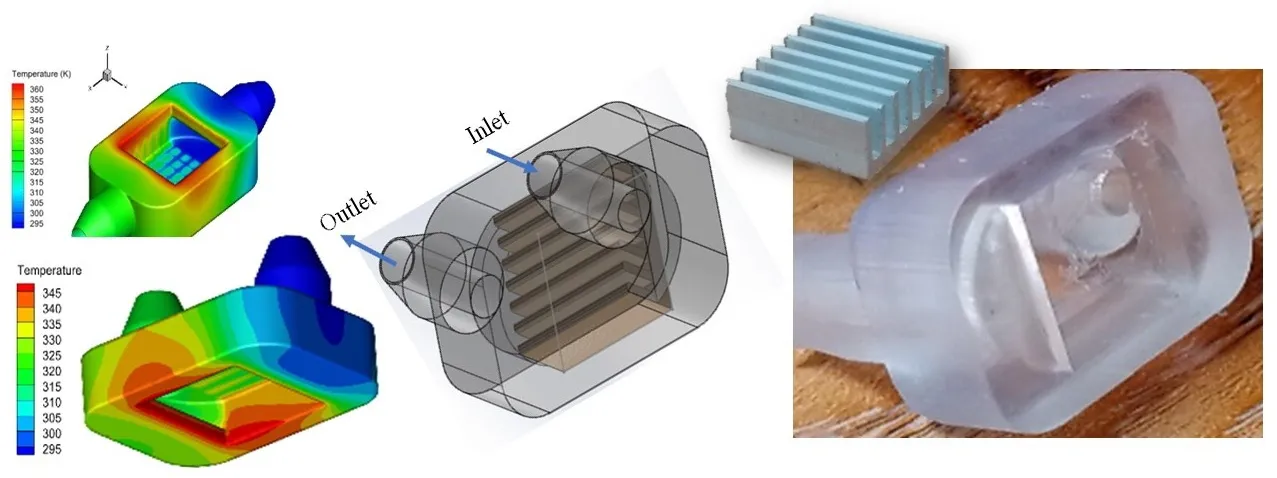
The present work aims to examine the influence of designing mini channel heat sinks using Stereolithography (SLA) 3D printing. Stereolithography (SLA) is a common additive manufacturing technique. The internal mini channels of the heat sink are made of aluminium materials and the outer cover is made of commercial polymer. Three models of the mini channel heat sinks are considered. A constant heat flow is applied to the bottom wall of the heat sink, and water is used as a coolant. The flow and heat transfer were studied for different cooling speeds. The physical properties of the fluid provided good thermal performance for the heat sink, especially at increased flow rates. The acrylonitrile butadiene styrene (ABS) copolymer resin has shown its good insulator for the heat sink and has improved the performance of the heat sink. This study demonstrates that the ABS copolymer resin enhances the cooling of electronic components.
Open Access
Review
07 March 2025Mechanisms and Therapeutic Potential of Myofibroblast Transformation in Pulmonary Fibrosis
Idiopathic pulmonary fibrosis (IPF) is a progressive, irreversible, and fatal disease with an increasing incidence and limited therapeutic options. It is characterized by the formation and deposition of excess extracellular matrix proteins resulting in the gradual replacement of normal lung architecture by fibrous tissue. The cellular and molecular mechanism of IPF has not been fully understood. A hallmark in IPF is pulmonary fibroblast to myofibroblast transformation (FMT). During excessive lung repair upon exposure to harmful stimuli, lung fibroblasts transform into myofibroblasts under stimulation of cytokines, chemokines, and vesicles from various cells. These mediators interact with lung fibroblasts, initiating multiple signaling cascades, such as TGFβ1, MAPK, Wnt/β-catenin, NF-κB, AMPK, endoplasmic reticulum stress, and autophagy, contributing to lung FMT. Furthermore, single-cell transcriptomic analysis has revealed significant heterogeneity among lung myofibroblasts, which arise from various cell types and are adapted to the altered microenvironment during pathological lung repair. This review provides an overview of recent research on the origins of lung myofibroblasts and the molecular pathways driving their formation, with a focus on the interactions between lung fibroblasts and epithelial cells, endothelial cells, and macrophages in the context of lung fibrosis. Based on these molecular insights, targeting the lung FMT could offer promising avenues for the treatment of IPF.
