Found 14 results
Open Access
Article
10 December 2024Sailing the X.0 Wave Theory: Navigating the Future of Civilization
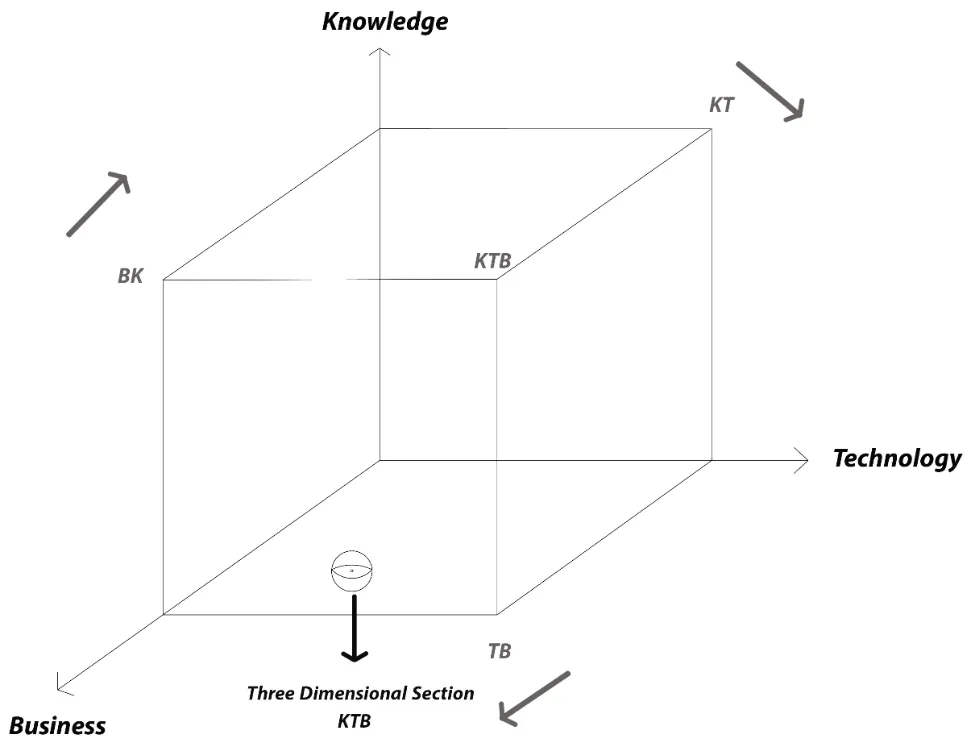
This paper delves into the X.0 Wave/Tomorrow Age Theory, a comprehensive framework conceived, invented, introduced, and developed by Prof. Dr. Hamid Mattiello between 2010 and 2017, to analyze the evolution of human civilization through distinct epochs of knowledge, technology, and business (KTB). The theory segments history into transformative waves, from the first development (X.0 ≤ 1.0) and Agricultural Age (X.0 = 1.0) and the X.0 Wave/Tomorrow Age Theory (2.1 ≤ X.0 ≤ 2.2) spanning the 17th Century to 1870, to the current Age of Artificial Intelligence (X.0 = 4.0). It also projects into the anticipated Human Age (X.0 = 5.0) and Transhuman Age (X.0 = 6.0) and beyond (6.0 ≤ X.0). Each wave represents a revolutionary phase characterized by significant advancements that shape societies, industries, and technologies. The X.0 Wave Theory integrates these historical phases with the Seven Pillars of Sustainability (7PS) to evaluate their societal impacts. The paper explores how these waves influence future developments by examining historical roots, emerging technological paradigms, and socio-economic dynamics. It examines how advancements in AI, biotechnology, and virtual reality are reshaping industries and global business practices, while also addressing the ethical and sustainability considerations essential for navigating these changes. By forecasting future trends, confronting current challenges, and preparing for potential crises, the X.0 Wave Theory offers a robust framework for understanding and adapting to the rapid pace of technological evolution. This paper provides deep insights into how these transformative waves shape our past, present, and future, offering valuable perspectives for navigating the complexities of an increasingly digital and interconnected world.
Open Access
Review
02 August 2024A Promising and Forward-Looking Advancement Using Drones: Perspectives from Indian Sericulture
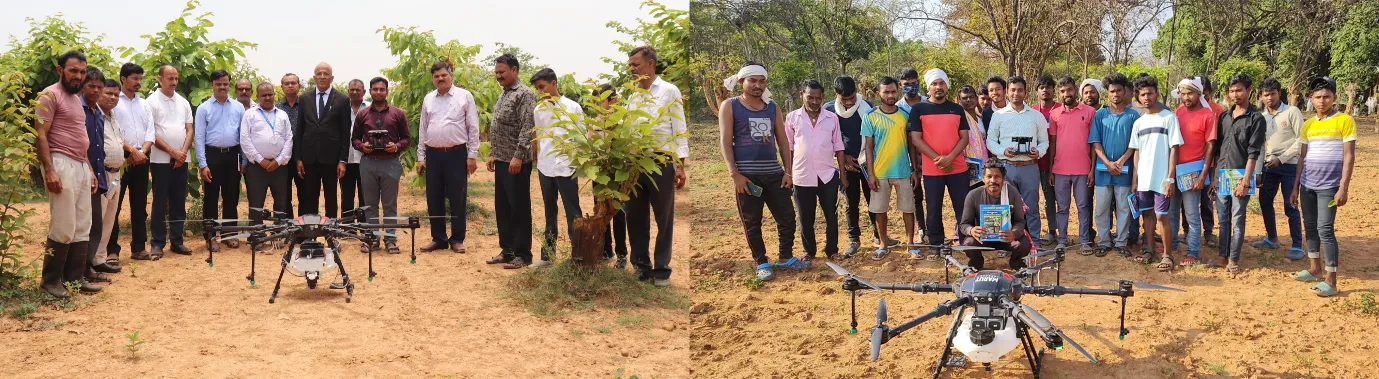
Drone integration in sericulture marks a promising advancement within the sector, leveraging recent technological strides in unmanned aerial vehicles (UAVs) across various industries like agriculture and healthcare. While the adoption of drones in sericulture remains nascent, their potential benefits, particularly in chemical spraying tailored to sericulture’s unique environmental conditions, are increasingly recognized. This paper explores the efficacy of drone-based pesticide spraying and smart fertilization methods optimized for sericulture settings. The rapid deployment capabilities of drones facilitate enhanced network connectivity, potentially catalyzing rural development and economic prosperity within the sericulture community. However, ethical and operational concerns persist regarding drone use across industries, necessitating robust regulatory frameworks and ethical guidelines. Furthermore, advancements in artificial intelligence augment drone capabilities, enabling automated inspections and improved performance across diverse applications. This paper underscores the need for further research and the development of standardized operating protocols to harness the transformative potential of drone technology in sericulture. Key focus areas include optimizing pesticide delivery, ensuring environmental sustainability, and addressing ethical considerations surrounding drone utilization. By leveraging UAVs for precision spraying and smart fertilization, sericulture stands poised to enhance productivity, bolster economic development, and navigate emerging challenges in agricultural production.
Open Access
Review
30 May 2024A Review on Design of Sustainable Advanced Materials by Using Artificial Intelligence
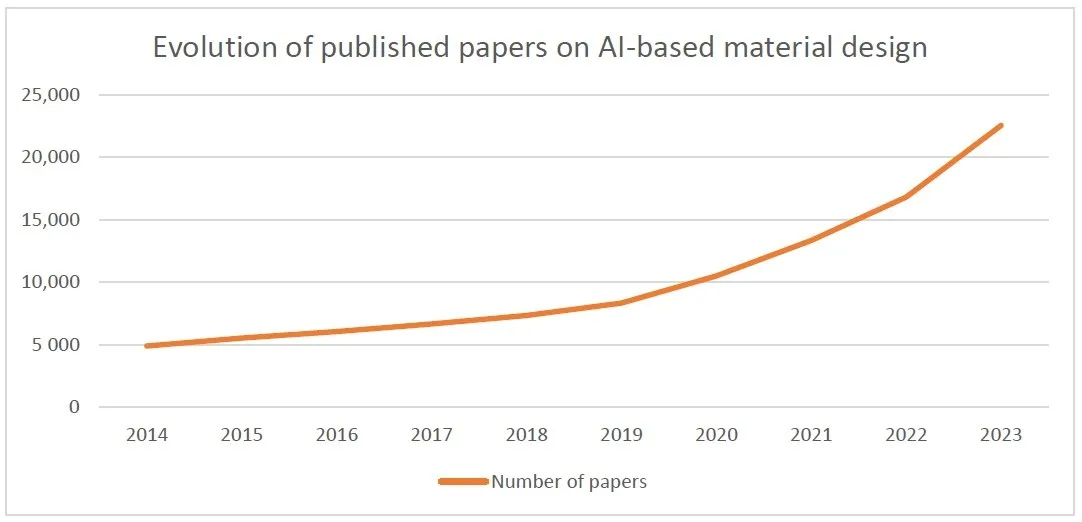
This paper gives a comprehensive review of scientific interests and current methodologies of artificial intelligence applied to advanced material design and discovery by taking into account multiple sustainable design criteria such as functionalities, costs, environmental impacts, and recyclability. The main research activities include predicting material properties, compositions, and structures with data mining, new material discovery, hybrid modeling approaches combining AI techniques and classical computational formulations based on physical and chemical laws, and multicriteria optimization of materials. Based on this review, a short analysis is provided on the perspectives of this research area in the future, aiming at creating an everything connected material life cycle with real-time traceability systems
Open Access
Perspective
05 January 2024The Future of Artificial Intelligence Will Be “Next to Normal”—A Perspective on Future Directions and the Psychology of AI Safety Concerns
This paper introduces the AI “next to normal”-thesis, suggesting that as Artificial Intelligence becomes more ingrained in our daily lives, it will transition from a sensationalized entity to a regular tool. However, this normalization has psychosocial implications, particularly when it comes to AI safety concerns. The “next to normal”-thesis proposes that AI will soon be perceived as a standard component of our technological interactions, with its sensationalized nature diminishing over time. As AI’s integration becomes more seamless, many users may not even recognize their interactions with AI systems. The paper delves into the psychology of AI safety concerns, discussing the “Mere Exposure Effect” and the “Black Box Effect”. While the former suggests that increased exposure to AI leads to a more positive perception, the latter highlights the unease stemming from not fully understanding its capabilities. These effects can be seen as two opposing forces shaping the public’s perception of the technology. The central claim of the thesis is that as AI progresses to become normal, human psychology will evolve alongside with it and safety concerns will diminish, which may have practical consequences. The paper concludes by discussing the implications of the “next to normal”-thesis and offers recommendations for the industry and policymakers, emphasizing the need for increased transparency, continuous education, robust regulation, and empirical research. The future of AI is envisioned as one that is seamlessly integrated into society, yet it is imperative to address the associated safety concerns proactively and not take the normalization effects take ahold of it.