Found 83 results
Open Access
Article
08 January 2026A Large-Scale Language Model Based System for Automated Generation of Offshore Wind Power Feasibility Study Reports
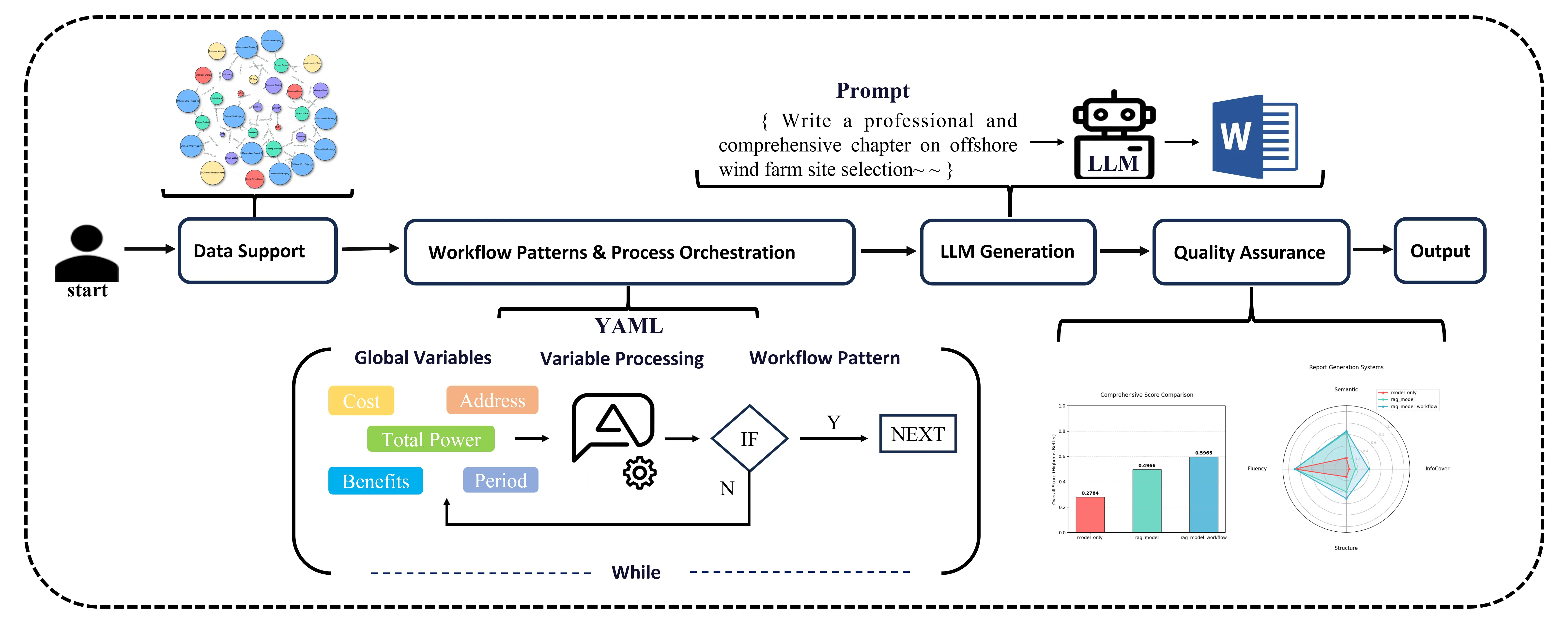
Driven by global energy transition goals, the large-scale development of offshore wind power imposes rigid requirements for professionalism, standardization, and timeliness on feasibility study reports (FSR). Traditional manual compilation and existing automated methods fail to meet these requirements due to interdisciplinary complexity, poor process controllability, and insufficient domain adaptation. To address these challenges, this paper proposes a configurable and interpretable offshore wind FSR generation system built on a three-tier framework that encompasses “data support, process orchestration, and quality assurance”. The system integrates a YAML-based workflow architecture, multi-level prompt engineering, and a comprehensive evaluation system. Notably, the introduced “Cyclic Aggregation Mode” enables the iterative generation and logical summarization of multi-subproject data, effectively distinguishing this system from traditional linear text generation models. Experimental results demonstrate that the proposed “Retrieval-Augmented Generation (RAG) + Large-scale Language Model (LLM) + Workflow” system outperforms baseline models with key metrics including semantic consistency (0.6592), information coverage (0.3908), structural compliance (0.5123), and an overall score (0.5965). Ablation studies validate the independent contributions of the RAG and Workflow components, thereby establishing the “RAG + LLM + Workflow” paradigm for intelligent professional document generation. This work addresses core challenges related to controllability, accuracy, and interpretability in high-stakes decision-making scenarios while providing a reusable technical pathway for the automated feasibility demonstration of offshore wind power projects.
Open Access
Review
30 December 2025Advances in Hydrology of Irrigation Districts in Cold Regions
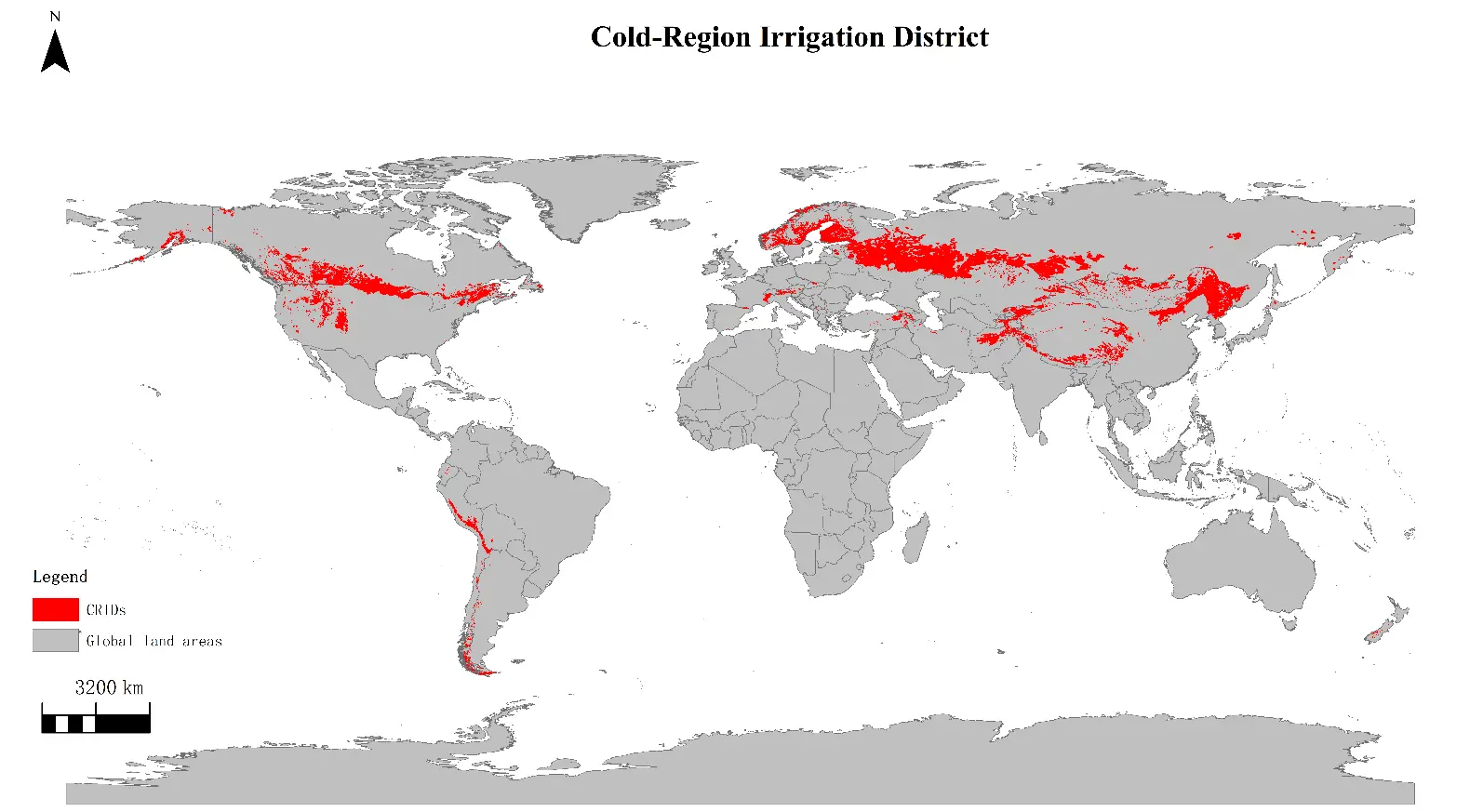
Given the extreme complexity of systems, the strategic importance of water resources, and the high ecological vulnerability in cold-region irrigation districts (CRIDs), research on the hydrological processes in these areas represents not only an interdisciplinary scientific endeavor, but also a critical practical challenge with direct implications for food security, water security, ecological safety, and sustainable regional development in high-altitude and high-latitude regions. The evolution of this field has progressed from early phenomenon identification to mechanistic analysis and, more recently, to multi-process and multi-scale simulation frameworks. This paper provides a systematic review of hydrological processes in CRIDs. It first examines fundamental components such as precipitation, evaporation, snowmelt, and groundwater recharge, highlighting their distinct behaviors under the combined influence of freeze–thaw cycles and irrigation practices, and further discusses the interactions and coupling mechanisms among these processes. Irrigation not only alters soil moisture distribution and freeze–thaw dynamics but also, together with freeze–thaw processes, shapes the transient hydrological dynamics characteristics of water and energy transfer, thereby influencing system stability and agricultural productivity. Hydrological modeling has advanced from simplified empirical approaches to mechanistic frameworks that integrate multiple processes and scales, yet challenges remain in the representation of nonlinear freeze–thaw, the integration of irrigation management, and cross-scale consistency. Moreover, cold-region irrigation districts exhibit heightened sensitivity to extreme events, such as rapid snowmelt, severe droughts or heavy rainfall. Future research should deepen the integration of freeze–thaw mechanisms with crop models, advance multi-scale coupled simulations, enhance long-term monitoring and scenario analysis, and systematically incorporate water–carbon balance and ecological effects into hydrological assessments. These efforts will support sustainable management and precision regulation of water resources in cold-region irrigation districts.
Open Access
Article
09 December 2025Defiant Doctorates: Reshaping the Social, Cultural and Intellectual Value of the Doctorate in Regional Universities
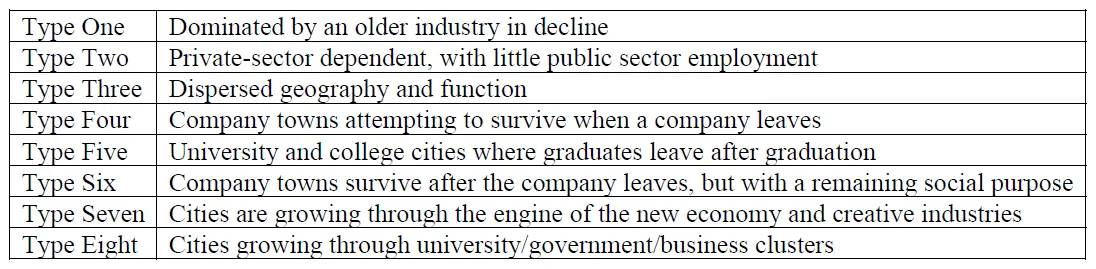
Universities are ranked and clustered into ‘like-minded’ institutions. Regional universities—as an adjective and noun or a compound noun—are defined via location, rather than academic standards, teaching innovation, research rigour, or the use of innovative technology. Through the ‘regional’ labelling, they are marked and separated as different from, and implicitly less than, urban and metropolitan institutions, which carry the excitement of urbanity, encompassing Virilian speed and prestigious alumni. This differentiation has consequences for grants, funding, academic staff attrition, and leadership. But what happens to PhD students at regional universities? Where is their voice? How are their views recognized, codified, and understood? Written between an experienced supervisor and a PhD student, this paper offers a different pathway through the regional graduate programme, offering a different lens to re-vision regional higher education, beyond cliches of partnerships and collaborations. As a theoretical and conceptual paper, it creates and holds space for PhD students in a revisioning of regional universities.
Open Access
Article
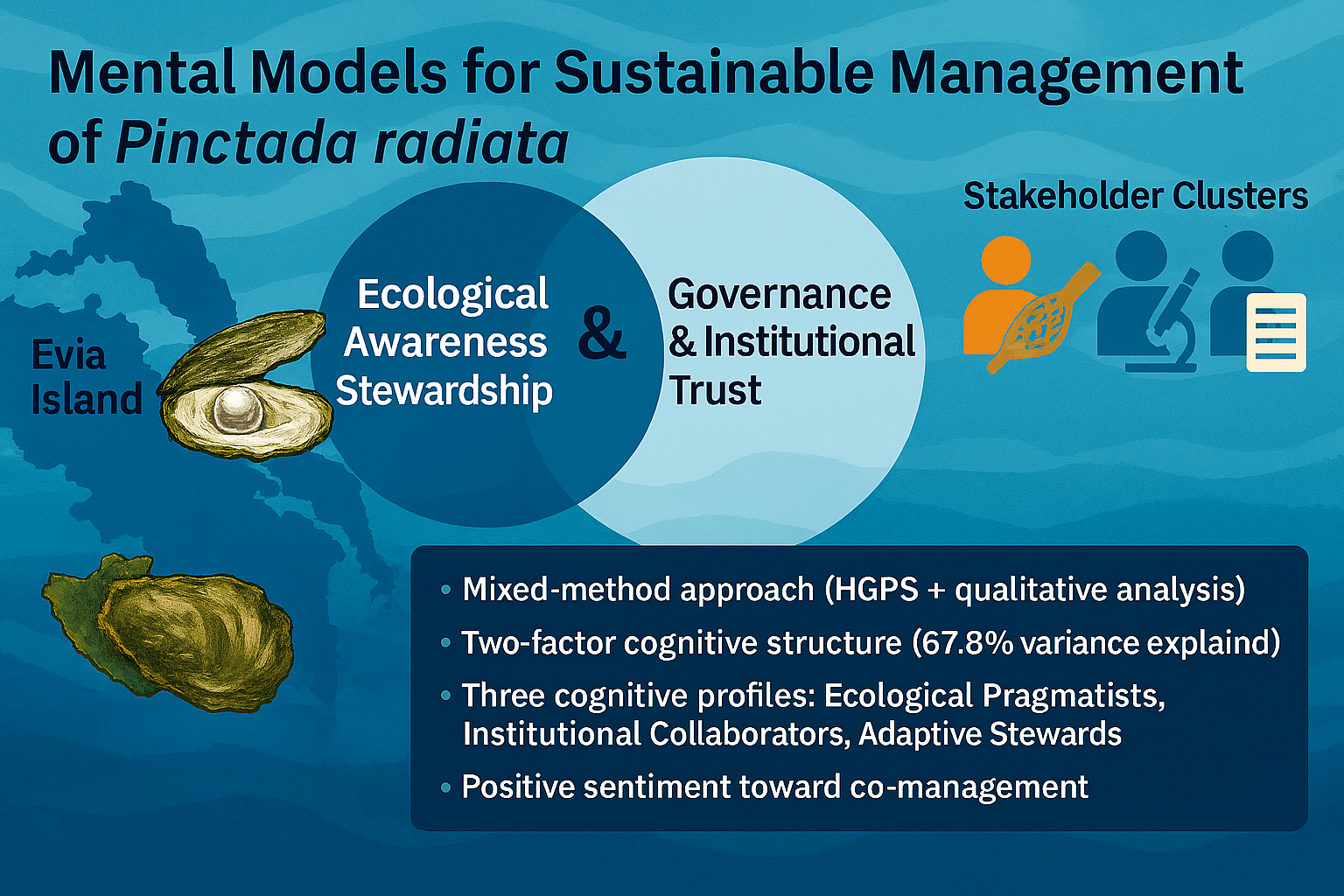
04 December 2025Stakeholder Mental Models for Sustainable Management of the Invasive Pearl Oyster Pinctada radiata in the Eastern Mediterranean
Sustainable management of marine and coastal systems depends not only on ecological dynamics but also on the ways stakeholders perceive and interpret them. This study investigates how fishers, scientists, and government officials understand and frame the management of the Indo-Pacific pearl oyster Pinctada radiata, a non-native yet economically valuable species established around Evia Island, Greece. Using a mixed-methods approach (N = 80), we combined an eleven-item Hydro-ecological Governance Perception Scale (HGPS) with open-ended responses to explore cognitive patterns and governance perspectives. Sampling adequacy was satisfactory (KMO = 0.74; Bartlett’s χ2(55) = 350.41, p < 0.001) and factor analysis revealed two interrelated dimensions explaining 67.8% of total variance (α = 0.84; ω = 0.86; CR = 0.82). Although Kruskal–Wallis tests showed no statistically significant differences among groups (p > 0.05), hierarchical clustering distinguished three partially overlapping cognitive profiles: Ecological Pragmatists, Institutional Collaborators, and Adaptive Stewards (Silhouette = 0.45; CH = 150.23; DBI = 0.75). Thematic and sentiment analyses underscored the importance of collaboration, transparency, and education (mean sentiment = 0.58). The findings demonstrate how cognitive diversity can improve hydro-ecological resilience and the sustainability of coastal governance when it is mobilized through co-management and participatory monitoring.
Open Access
Review
17 November 2025Enzyme-Mediated Carbon Dioxide Fixation: Catalytic Mechanisms and Computational Insights
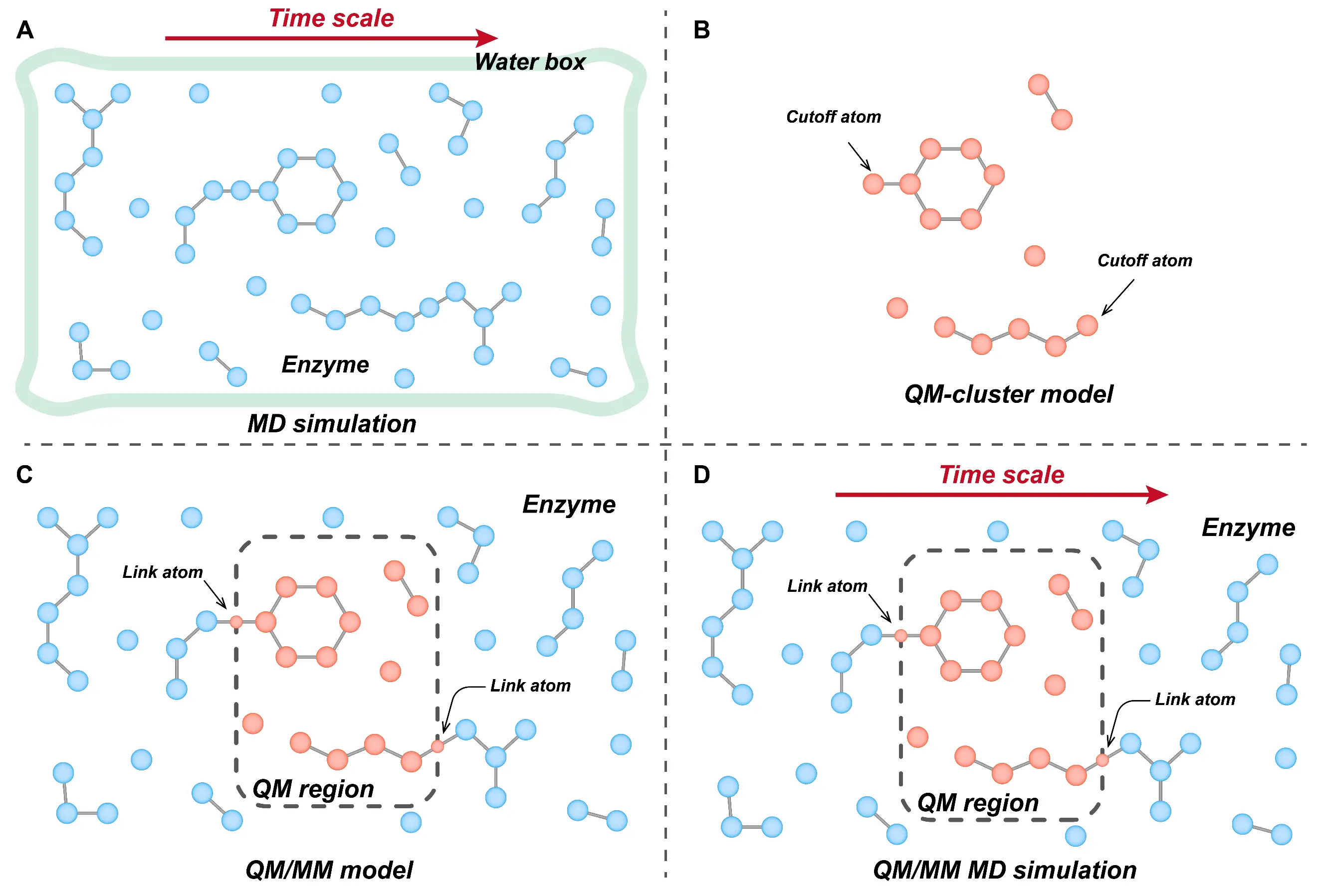
Carbon conversion technologies that transform carbon dioxide (CO2) into high-value chemicals are pivotal for achieving sustainability. Among these, enzyme-mediated CO2 fixation has recently gained increasing attention as a more sustainable and environmentally friendly alternative to traditional chemical methods, which typically require harsh conditions and impose significant environmental costs. Recent advances in computer-aided techniques have greatly facilitated the mechanistic understanding of CO2-fixing enzymes and accelerated the development of enzyme-catalyzed carboxylation strategies. This review highlights recent progress in enzyme-mediated CO2 fixation by categorizing key enzymes into four classes based on their cofactor or metal ion requirements: cofactor-independent enzymes, metal-dependent enzymes, nicotinamide adenine dinucleotide phosphate (NAD(P)H)-dependent enzymes, and prenylated flavin mononucleotide (prFMN)-dependent enzymes. We outline the basic principles and applications of molecular dynamics (MD) simulations and quantum mechanical (QM) calculations, which serve as essential tools for investigating enzyme conformational dynamics and reaction mechanisms. Through representative case studies, we demonstrate how computational analyses uncover catalytic features that enhance CO2 conversion efficiency. These insights underscore the critical role of computer-aided approaches in guiding the rational design and optimization of biocatalysts, thereby advancing the application of enzyme-based systems for CO2 fixation.
Open Access
Perspective
07 November 2025A Critical Analysis of Kinetic Models in Photocatalysis and Some Necessary Improvements
A brief critical analysis of kinetic models is presented, particularly the quadratic model (QM), highlighting their strengths and weaknesses. A generalized quadratic model (GQM) is proposed that can accommodate the experimental observation that the degradation rate is non-zero in the limit of zero substrate concentration. The limits of this model are outlined by comparison with a more extended kinetic scheme.

Open Access
Review
04 November 2025Tools and Strategies for Engineering Bacillus methanolicus: A Versatile Thermophilic Platform for Sustainable Bioproduction from Methanol and Alternative Feedstocks
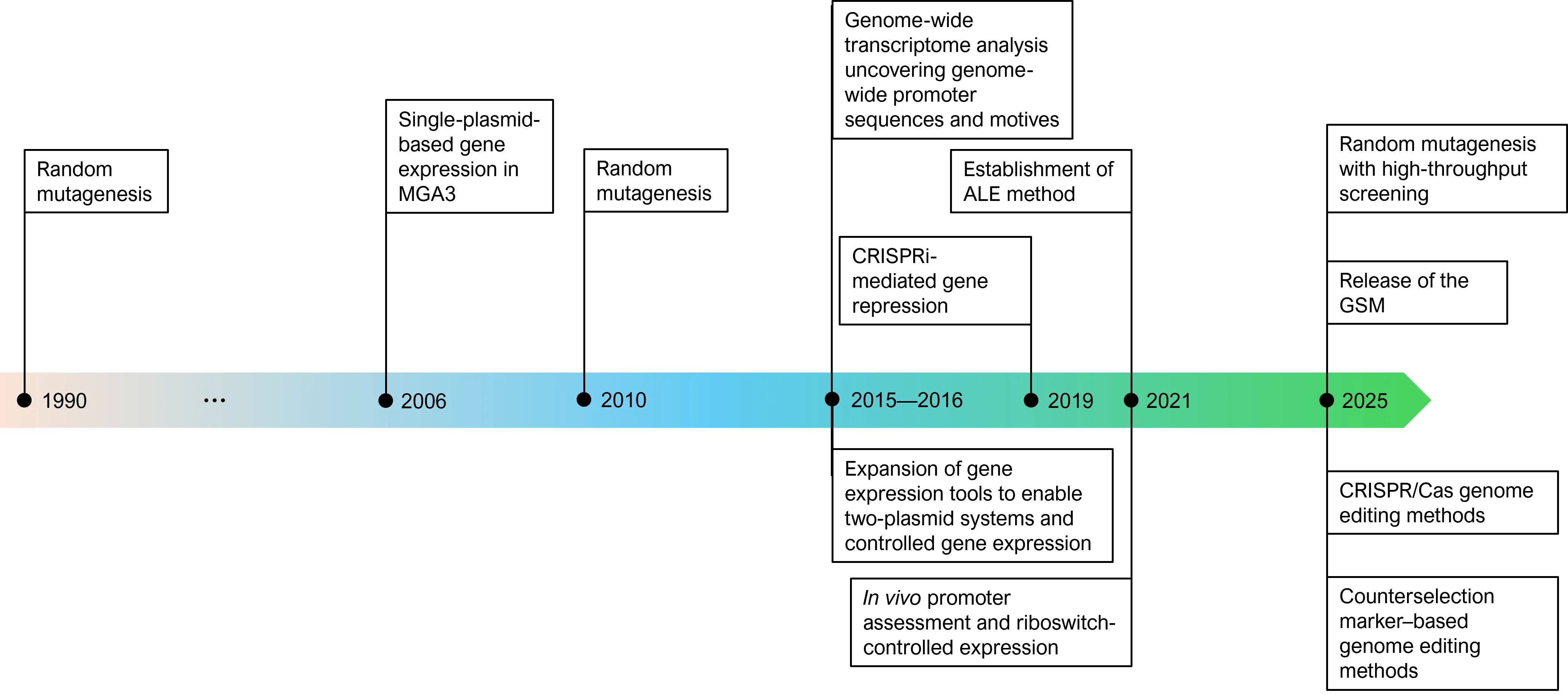
Bacillus methanolicus MGA3 is a methylotrophic bacterium with a high potential as a production host in the bioeconomy, particularly with methanol as a feedstock. This review presents the recent acceleration in strain engineering technologies through advances in transformation efficiency, the development of CRISPR/Cas9-based genome editing, and the application of genome-scale models (GSMs) for strain design. The generation of novel genetic tools broadens the biotechnological potential of this thermophilic methylotroph. B. methanolicus is a facultative methylotroph and apart from methanol it can grow on mannitol, arabitol and glucose, and was engineered for starch and xylose utilisation. Here, the central carbon metabolism of B. methanolicus for various native and non-native carbon sources is described, with an emphasis on methanol metabolism. With its expanding product portfolio, B. methanolicus demonstrates its potential as a microbial cell factory for the production of tricarboxylic acid(TCA) cycle and ribulose monophosphate (RuMP) cycle intermediates and their derivatives. Beyond small chemicals, B. methanolicus is both a valuable source of novel thermostable proteins and a host for the production of heterologous proteins, enabled by advances in genetic tools and cultivation methods. Continued progress in understanding its physiology and refining its genetic toolbox will be decisive in transforming B. methanolicus from a promising candidate into a fully established industrial workhorse for sustainable methanol-based biomanufacturing.
Open Access
Article
31 October 2025Performance Evaluation of Machine Learning Algorithms for Predicting Organic Photovoltaic Efficiency
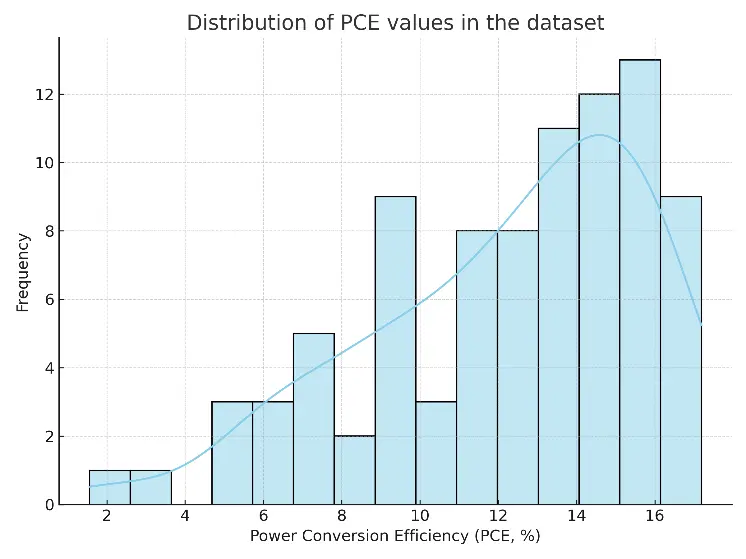
This study forecasts the power conversion efficiency (PCE) of organic solar cells using data from experiments with donors and non-fullerene acceptor materials. We built a dataset that includes both numerical and categorical features by using standard scaling and one-hot encoding. We developed and compared several machine learning (ML) models, including multilayer perceptron, random forest, XGBoost, multiple linear regression, and partial least squares. The modified XGBoost model performed best, achieving a root mean squared error (RMSE) of 0.564, a mean absolute error (MAE) of 0.446, and a coefficient of determination (R2) of 0.980 on the test set. We also assessed the model’s ability to generalize and its reliability by examining learning curve trends, calibration curve analysis, and residual distribution. Plots of feature correlation and permutation importance showed that ionization potential and electron affinity were key predictors. The results demonstrate that with proper tuning, gradient boosting methods can provide highly accurate and easy-to-understand predictions of organic solar cell efficiency. This work establishes a repeatable machine learning process to quickly screen and thoughtfully design high-efficiency photovoltaic materials.
Open Access
Article
27 October 2025Interacting Multiple Model Adaptive Robust Kalman Filter for Position Estimation for Swarm Drones under Hybrid Noise Conditions
This study evaluates the Interacting Multiple Model Adaptive Robust Kalman Filter (IMM-ARKF) for accurate position estimation in a leader-follower swarm of nine drones, consisting of one leader and eight followers following distinct trajectories. The evaluation is conducted under hybrid noise conditions combining Gaussian and Student’s t-distributions at 10%, 30%, and 50% ratios. The IMM-ARKF, which relies solely on its adaptive robust filtering mechanism, is compared with standard Interacting Multiple Model Kalman Filter (IMM-KF) and Extended Kalman Filter (IMM-EKF) methods. Simulations show that IMM-ARKF provides better accuracy, reducing root mean square error (RMSE) by up to 43.9% compared to IMM-EKF and 34.9% compared to IMM-KF across different noise conditions, due to its ability to adapt to hybrid noise. However, this improved performance comes with a computational cost, increasing processing time by up to 148% compared to IMM-EKF and 92.1% compared to IMM-KF, reflecting the complexity of its adaptive approach. These results demonstrate the effectiveness of IMM-ARKF in enhancing navigation accuracy and robustness for multi-drone systems in challenging environments.

Open Access
Article
23 October 2025New Model of Multicomponent Raw Materials and Its Use in Intensifying Hydrotreating Process of Diesel Fuel
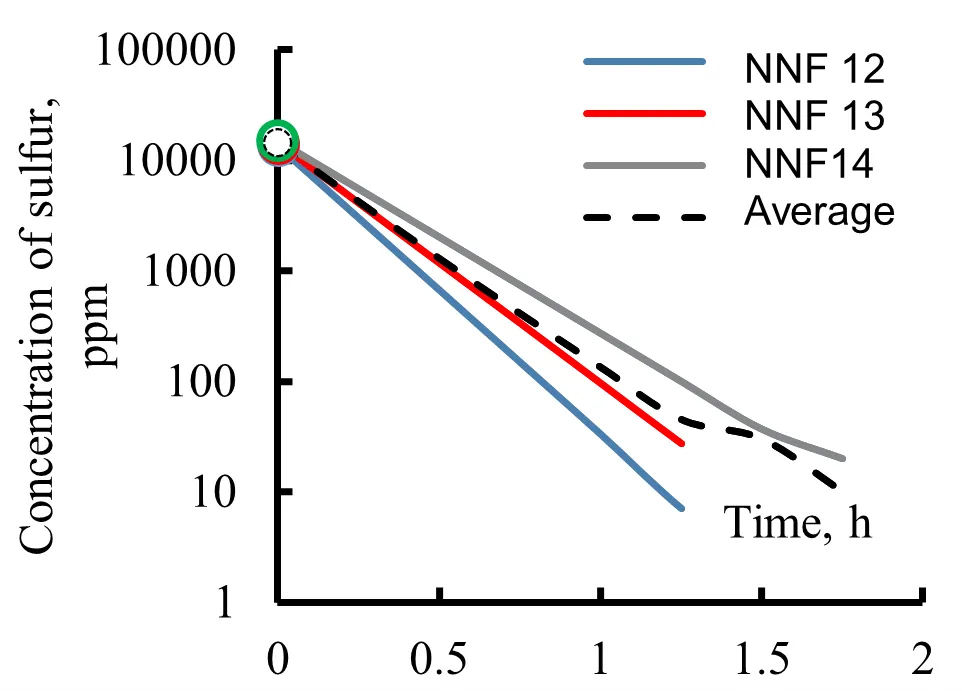
Hydrotreating of diesel fuel aims to reduce the sulfur content in the fuel to 10 ppm to meet environmental standards. However, this deep purification of diesel requires the use of expensive catalysts at hydrotreating plants with giant reactors with a capacity of 200–600 cubic meters. Such large volumes of reactors are associated with classical kinetic methods for chemical reactions, where the feedstock is in the reactor until the required conversion depth is reached. All known mathematical models for diesel hydrotreatment have a common drawback: they rely on approximations about the composition of multicomponent raw materials containing dozens of different organic sulfur compounds that react differently in hydrogenation reactions. This raw material is often presented in a mathematical model as a combination of two to six pseudo-components or lumps combining organosulfur impurities from one or more homologous groups. This theoretical basis allows us to simulate the current state of hydrotreating technology, but does not develop and promote it. We propose a new approach to mathematical modelling of diesel fuel hydrotreating, in which the structure of the mathematical model considers the composition of raw material as a set of 10–20 narrow fractions. The set of hydrogenated organosulfuric impurities within each fraction is treated as a single pseudocomponent. This allows us to integrate the system of differential equations of the model and adapt the rate constant to the concentration of hydrogenated organosulfur impurities at any given time during the process. The developed model has also allowed us to propose a new technology, hydrotreatment: separating the feedstock into two or three wide fractions, combining the corresponding narrow fractions, and then subjecting them to individual hydrogenation processes. As a new approach, this differential hydrotreatment technique will reduce the catalyst load in the hydrotreatment unit by approximately 50%, while maintaining efficiency of processing, or double efficiency while maintaining a similar catalyst load using traditional technology.